If you’re still riding the holiday hangover, you’re not alone. The numbers are finally in, the dust is settling, and 2026 is already making one thing clear: the rules didn’t just bend last year. | They shifted. | Platforms are tightening control. Growth is getting more expensive. And the cracks between demand, margin, and trust are starting to show. From TikTok Shop’s evolution to BNPL quietly propping up holiday spend, this week’s stories all point to the same reality: execution matters more than hype right now. | This issue breaks down what the data is actually saying, where operators are getting exposed, and which brands, tools, and teams are adjusting early instead of reacting late. | Let’s get into it. |
|
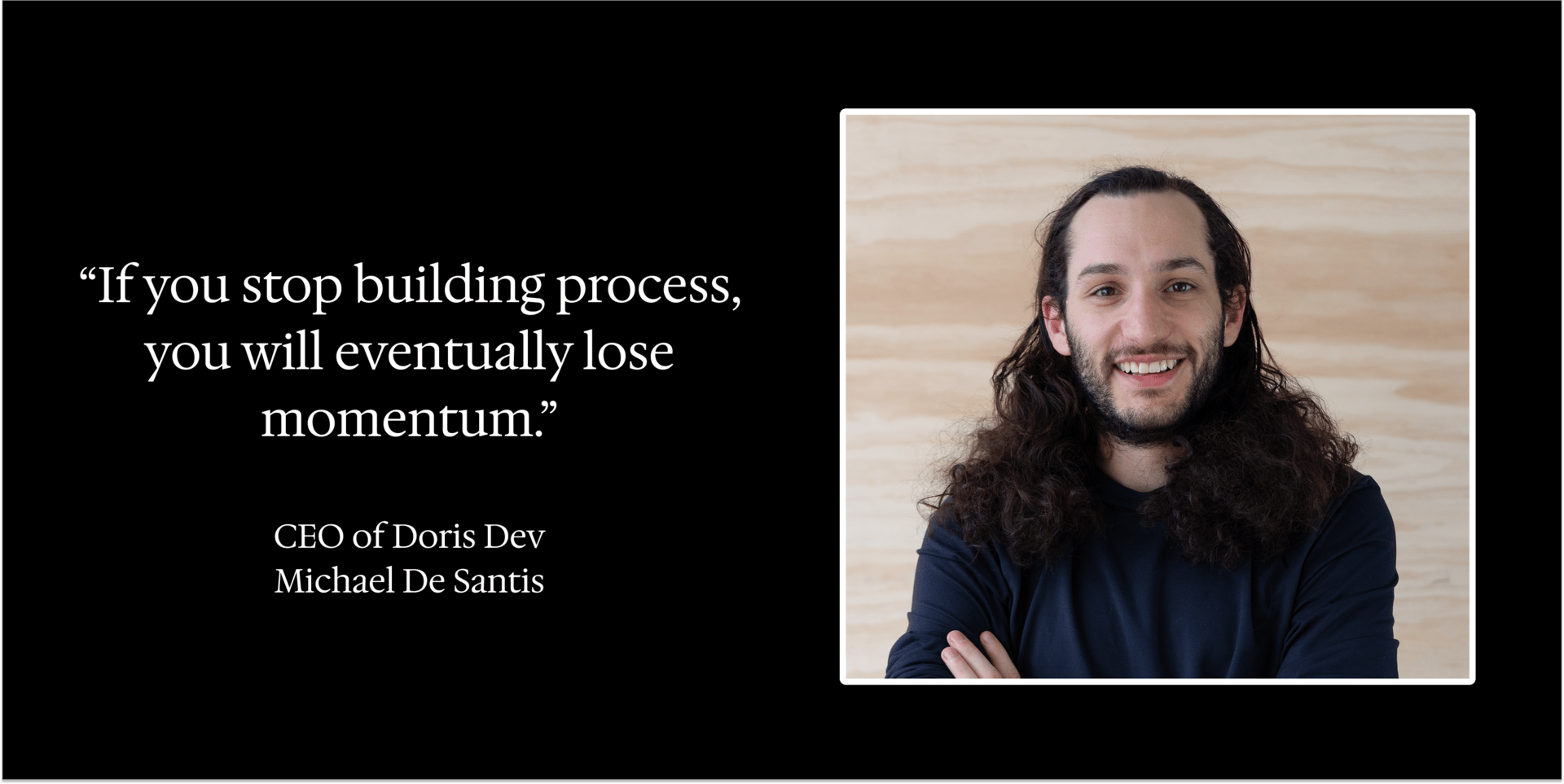
| | | The tradeoff hiding behind TikTok Shop’s growth | One of the strongest takeaways from Taylor Holiday’s early 2026 predictions is that social commerce has finally reached its breakout moment. And it may already be hitting its turning point. What made TikTok Shop work wasn’t the shopping layer. It was the shift in who controlled attention. Creators became the gatekeepers, and brands had no choice but to play inside that system. | The scale is impossible to ignore. U.S. TikTok Shop sales were up 120% YoY in 2025. The platform crossed $500M during BFCM alone. Global GMV reached roughly $19B in a single quarter. This was the moment social commerce moved from promise to reality. | But as Taylor points out, leverage cuts both ways. | As volume scaled, TikTok shifted from growth to control. New shipping label mandates push sellers into TikTok-controlled logistics. Brands that fulfill through their own systems get penalized. Customer data, distribution, and even the box that arrives at the door increasingly belong to ByteDance. Brands are no longer just selling on TikTok. They are operating inside its mall. | Where we agree and where the risk compounds is what happens next. | When every brand is surfaced through the same mechanics, differentiation starts to flatten. Feeds feel more transactional. What once felt creator-led starts to feel ad-like. | History tells us what comes next. Consumers push back. | In 2026, discovery may happen on TikTok. Trust will need to be earned elsewhere. The brands that win will reinvest in personal touch, community, and owned relationships. They will build equity outside the platforms that increasingly control the transaction. | | | | | | | What’s the vibe across the DTC ecosystem right now? | | That line hits harder in 2026 than it ever has. As commerce splinters across TikTok Shop, marketplaces, events, and creator-led distribution, momentum is no longer driven by ideas or channels; it’s driven by execution. | Michael De Santis, CEO of Doris Dev, has spent his career in the zero-to-one trenches, helping brands move from concept to scaled production without losing control once execution begins. His perspective is shaped by what most founders only learn the hard way: growth exposes process gaps, not vision gaps. | In our conversation, Michael explains why so many teams confuse motion with progress. They ship concepts, iterate endlessly, and chase new surfaces without building the operational muscle needed to keep momentum. From supply chains to product integrity, his view is clear: if process doesn’t evolve alongside growth, everything eventually stalls. | 💡 It’s a timely reminder as brands race toward new commerce models where discovery and buying now happen in the same moment. The real winners in this space won’t be the loudest or even the fastest, they’ll be the ones who can execute cleanly, repeatedly, and at scale. | |
| |
| | |
| | | We’re data nerds so you don’t have to be. Each week we’ll bring you some data to chew on with The Data Drop. | The holiday numbers are in. Growth showed up. So did the cracks. | The 2025 holiday season became the first quarter-trillion-dollar ecomm holiday, with $257.8B spent online between Nov 1 and Dec 31, up 6.8% YoY. Demand held. Digital commerce delivered. | AI assistants played a bigger role in discovery and conversion, helping push total holiday e-commerce spend toward $258B. Funnels tightened. Efficiency improved. But beneath the headline numbers, a more fragile story is emerging. | 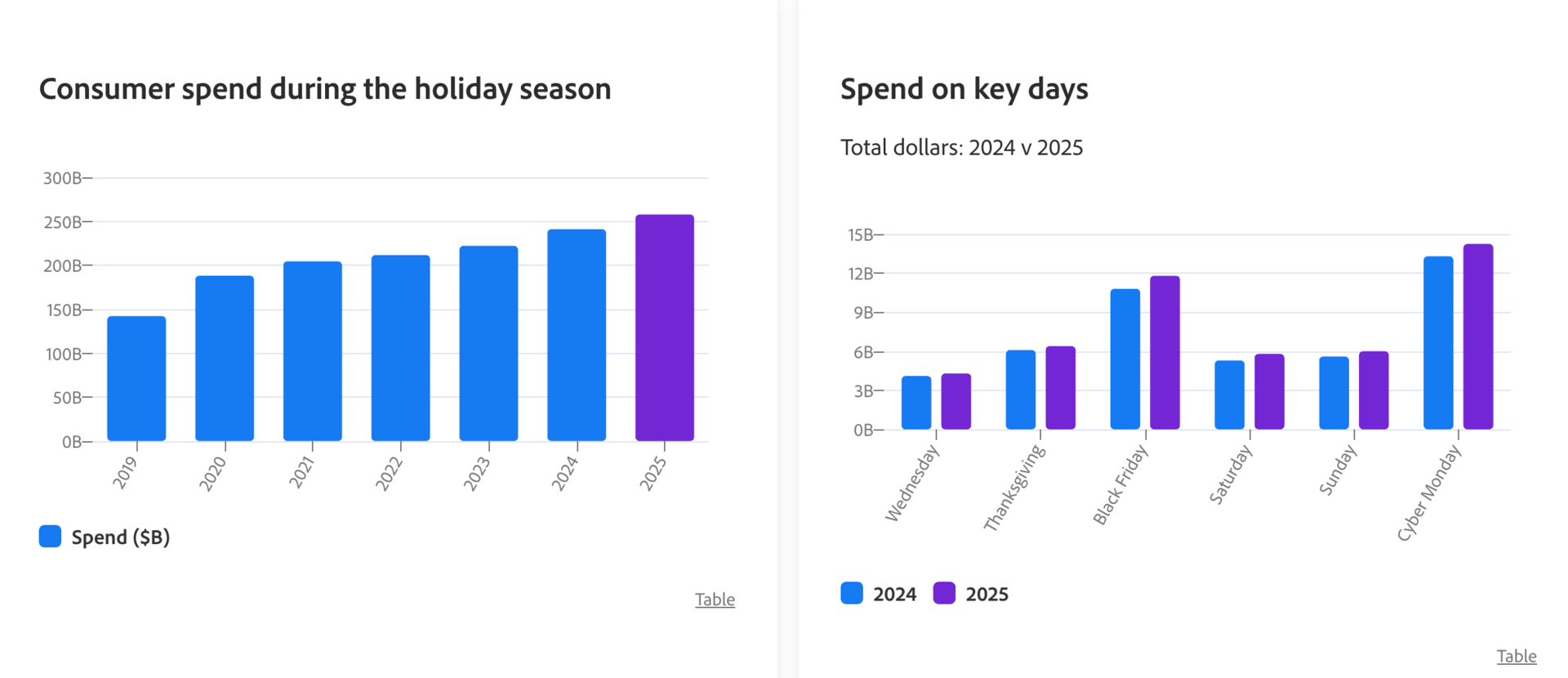 | Adobe Analytics 2025 Holiday Shopping Trends Report |
| During BFCM alone, Buy Now, Pay Later spend reached $18.2B, up roughly 11% YoY. That growth matters because BNPL has quietly become a structural driver of conversion, not just a checkout option. | For years, many brands viewed BNPL fees as an acceptable trade. Higher conversion rates. Larger carts. Faster decisions. The math penciled out. | What’s changed is who is absorbing the risk. | As financing options tightened for brands and operators, more of that burden shifted to consumers. BNPL usage expanded beyond nice-to-have purchases and into everyday spending. Today, 27% of BNPL users report using it for groceries. That stat alone reframes the whole channel. When credit is being used to cover essentials, demand may still convert, but its stability weakens. | We’re already seeing the downstream effects show up in platform financials. Shopify’s provision for transaction and loan losses more than doubled, climbing past $100M YoY. That kind of reserve increase doesn’t happen without pressure building somewhere in the system. | We’ve seen this movie before. Growth looked healthy until it wasn’t. | The takeaway: Holiday online spending is real, but more of it is being paid for later. In 2026, brands leaning too hard on BNPL may realize some of that “growth” was just problems pushed down the road. | 💡What operators should do next:
Make sure to use BNPL intentionally, not automatically. | Track BNPL orders separately and watch repeat rates, refunds, and margins. Run experiments with BNPL removed or deprioritized to understand how real your demand actually is. Strong PDPs, education, and owned channels reduce the need for financing at checkout.
|
|
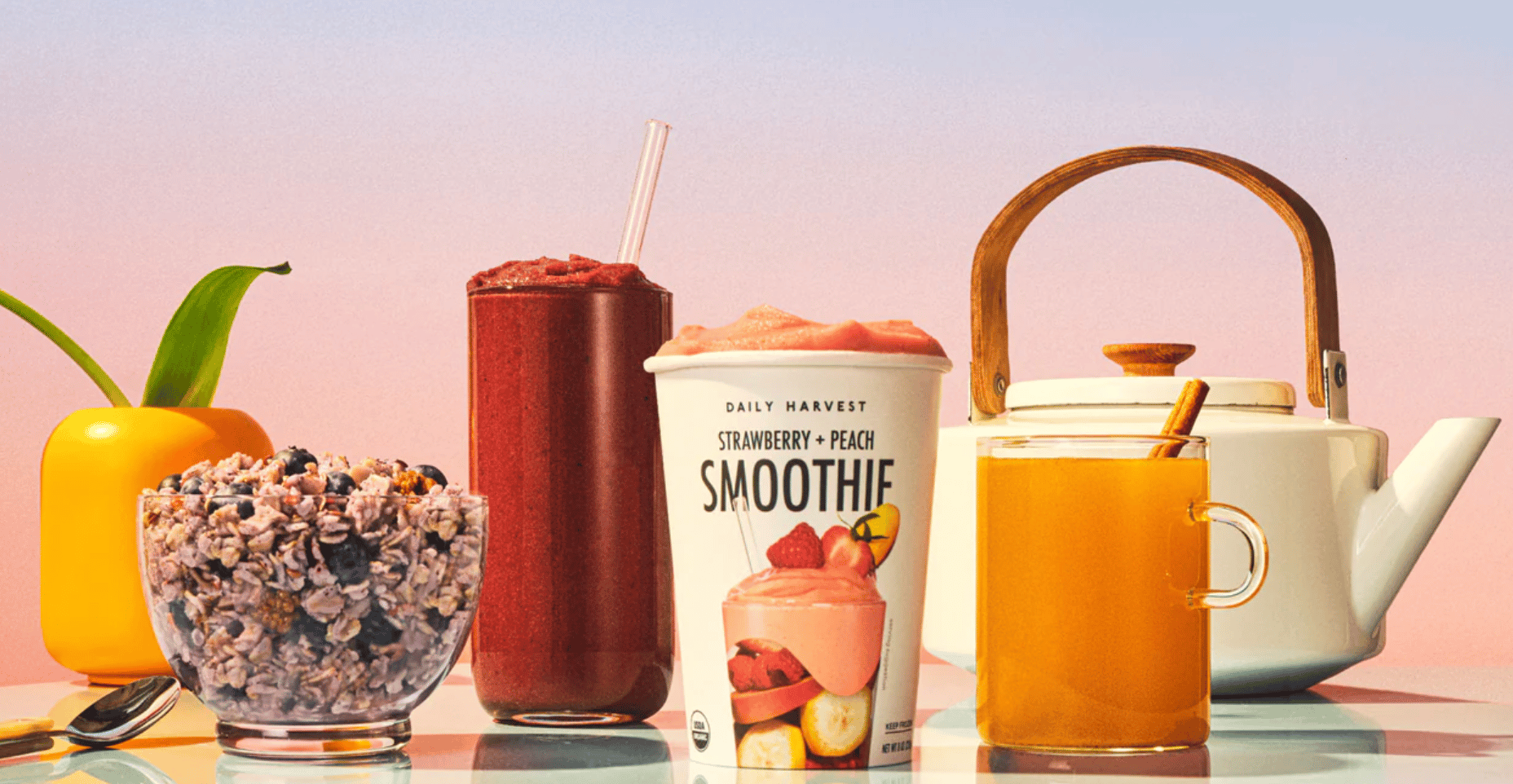
| | | One tool, one brand, one agency to watch out for this week. | Brand Spotlight: Daily Harvest | | Daily Harvest is redesigning its customer experience in 2026 to align with how people actually want to buy food. | After being acquired by Chobani in 2025, the wellness brand recently relaunched its direct-to-consumer site with a major shift: subscriptions are no longer required and customers can now buy smoothies, oat bowls, elixirs, and boosters à la carte for the first time. This move makes healthy, whole-food options easier to try without a long-term commitment. | Why it’s worth watching:
Daily Harvest’s redesign is not only a site refresh, it’s a strategic response to how wellness shoppers are evolving. Instead of doubling down on outdated programs, the brand is prioritizing simplicity, flexibility, and customer choice. That aligns with broader trends showing consumers are overwhelmed by complicated commitments and crave more control over how they shop. | What operators can learn: | Removing subscription walls opens the top of the funnel. Customers can try one item without commitment, lowering psychological and financial barriers. Daily Harvest’s move came from consumer feedback, not just chasing trends. That’s a strategy many brands underestimate. Giving customers options to buy what they want, when they want it, builds loyalty more reliably than long-term lock-ins.
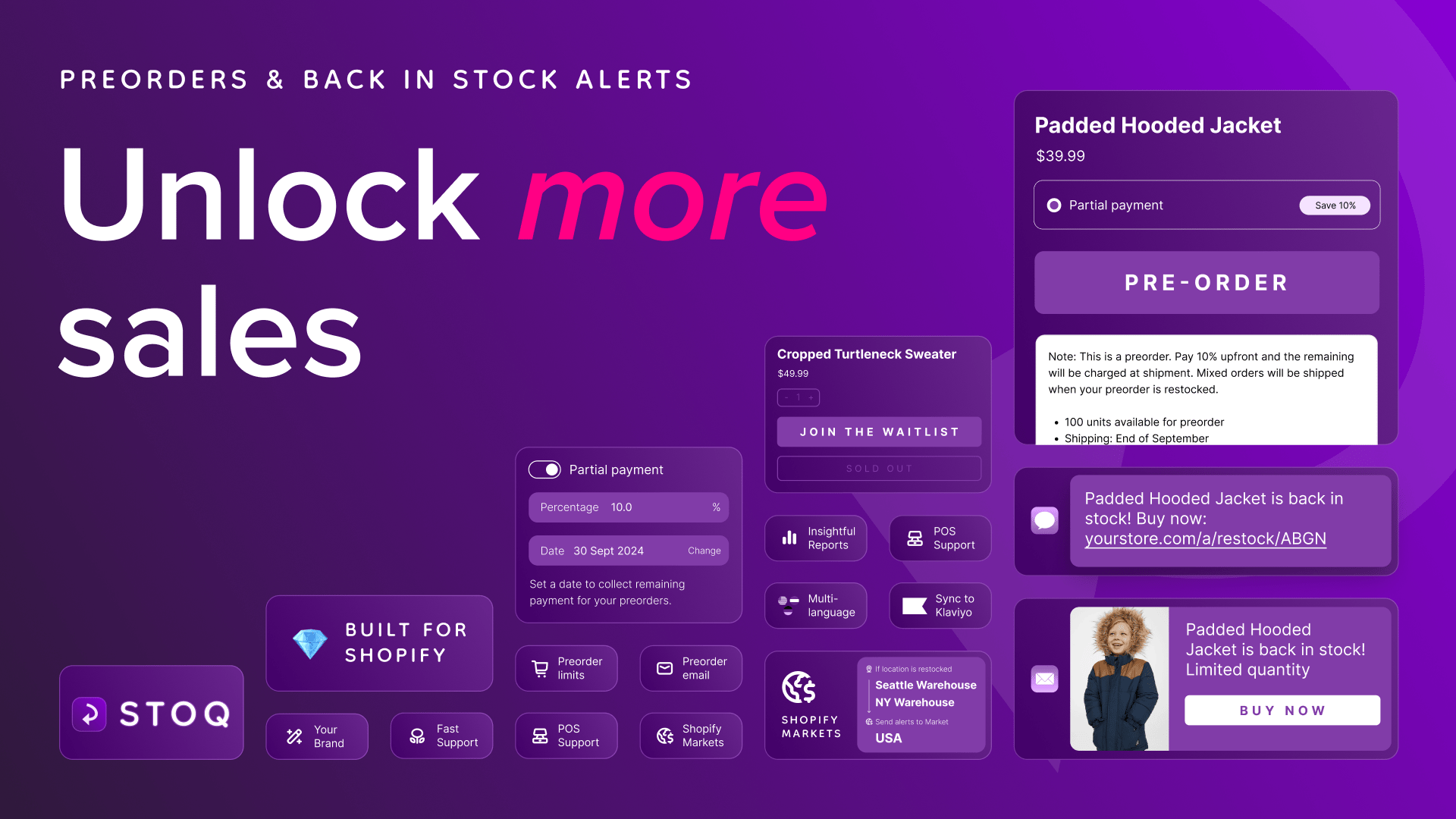
| | | In the Toolkit: Stoq | | Post-Holiday Inventory Reality Check | Post-holiday inventory is where margins are won or lost. And for many brands, this is when stock issues surface fast. | Stoq helps operators get real visibility into inventory after peak season. It tracks sell-through, flags low and excess stock, and helps teams make smarter replenishment decisions before over-ordering or running dry. | Why we’re watching:
After the holidays, brands are dealing with a mix of stockouts, leftover inventory, and unpredictable demand. Guesswork gets expensive. Stoq turns inventory into something operators can actually act on. | Operator takeaway: | Post-BFCM inventory decisions matter more than holiday demand Visibility beats gut instinct when cash is tighter The fastest teams are the ones that know what to reorder and what to pause
| This is the moment where inventory discipline separates healthy brands from stressed ones. | |
|
| | Agency Assist: MAVRK Studio | | When everything starts to feel like an ad, brand and creative fundamentals matter again. | As feeds get more crowded and platforms tighten control, brands have to earn attention again. That means stronger creative, clearer positioning, and a tighter brand experience across every touchpoint. | MAVRK Studio is a creative and growth agency built for food and beverage, CPG, and hospitality. They help brands with branding and packaging, web and ecommerce, plus social and influencer marketing. | Why we’re featuring them:
In a year where everything is starting to feel more ad-like, MAVRK’s work is about making brands feel more real. Strong identity. Strong creative. Clean digital execution. That is how you build trust outside of any one platform. | Operator takeaway: | When attention gets expensive, brand fundamentals matter more Packaging and site experience are part of marketing now Invest in creative that holds up across channels, not just one platform
| | | | | | | Are you D2C (Down 2 Collab)? | At 1-800-D2C, we spotlight the real builders behind the tools and brands featured on our site and the D2C players putting those tools to work. Let’s collab: | For Brand Founders: | | For Tool Founders: | List your tool on 1-800-D2C today to show off your brands and become a Friend’s Rates member. Sign up today. Want to share the story behind your tool and how it's changing the D2C space? Fill out our founder questionnaire to get featured in our Behind The Tool interview series!
|
| |
| | |
| |
|