This week’s issue is about where leverage is moving. | We’re seeing it shift in real time. From creators rebuilding distribution into the product itself. To Shopify drawing clearer lines around who owns checkout as AI enters commerce. To brands stepping off the screen and into physical spaces, events, and experiences that ads can’t replicate. | In this issue, we break down how MrBeast is rethinking global reach, why Shopify’s Universal Commerce Protocol matters more than it sounds, and why IRL is quickly becoming one of the most important growth surfaces for DTC in 2026. We also highlight brands and teams building deeper systems around personalization, loyalty, and execution instead of chasing the next tactic. | The common thread is simple. Control is becoming scarce. And the operators who build it into their products, channels, and experiences will have more of it. | Let’s dive in. |
|
| | | MrBeast just showed what pushing the envelope actually looks like. | Instead of localizing marketing for Beast Games Season 2, he localized the product itself. The show dynamically changes by region, featuring creators native to each audience. Same episode. Different experience. | That decision did two things at once. It made the content feel instantly familiar, and it built distribution directly into the product. Each creator brought their audience with them. No cold start. No trust gap. | The marketing followed the same logic. Fortune cookies became media. A physical, unexpected touchpoint that fit the brand and cut through predictable digital noise. | The signal for operators is simple. The next wave of winners won’t optimize harder inside existing systems. They’ll redesign the system. Personalization moves into the product. Distribution becomes a feature. And the best channels won’t always look like channels at all. | | | | | | | What’s the vibe across the DTC ecosystem right now? | Shopify just drew a line in the sand for AI and commerce. | Every AI platform wants to sit between discovery and checkout. At the same time, every merchant has checkout logic they cannot afford to lose. Pricing rules. Bundles. Subscriptions. Payments. Taxes. Fraud. Loyalty. | Until now, those two realities didn’t coexist cleanly. | That’s what the Universal Commerce Protocol (UCP) from Shopify and Google changes. | UCP is an open standard built on billions of transactions that lets AI platforms initiate commerce without breaking or bypassing a merchant’s checkout. AI can drive intent. Merchants keep control. | Why this matters for operators: This is Shopify saying AI should be a front door, not a landlord. Discovery can happen anywhere. Checkout rules stay with the merchant. | For operators, that’s a big shift. | Instead of rebuilding commerce logic for every AI assistant, marketplace, or surface, UCP creates a single, standardized way to plug in. That protects customization, reduces risk, and keeps merchants from being forced into brittle, one-off integrations. | 💡The real takeaway: AI is coming for commerce whether brands like it or not. UCP is how operators participate without giving up ownership of their business logic. | The brands that win next won’t fight AI distribution. They’ll route it through systems they control. | |
| |
| | |
| | | We’re data nerds so you don’t have to be. Each week we’ll bring you some data to chew on with The Data Drop. | Physical retail isn’t coming back. It’s being redefined. | As digital acquisition continues to get more expensive, brands are being forced to rethink where demand actually comes from. Data from Triple Whale shows Meta CPMs up 22.58% YoY and Google CPAs up 17.25% YoY, making it harder for pure-play DTC brands to rely on paid media alone. | The shift happening in 2026 isn’t about opening rows of stores. It’s about using the real world as a growth surface. | Eight-figure brands are increasingly investing in: | Pop-ups as acquisition channels IRL events tied to drops, launches, and creators Wholesale placements for discovery and trust Flagship spaces that double as content studios and community hubs
| The goal isn’t to replace e-commerce. It’s to create moments that paid media can’t. |  | RH Store in Paris |
| At the enterprise level, this shift is even more obvious. Restoration Hardware’s Paris flagship reportedly cost $100M+, generates about $57M a year, and carries a 20+ year payback. | On paper, that math makes no sense. Strategically, it makes perfect sense. | The value isn’t confined to what happens inside the building. It shows up in brand perception, international expansion, trade demand, and long-term loyalty. The physical space supports the entire ecosystem around it. | IRL is becoming one of the most effective ways to create memory, trust, and differentiation. | 💡 The takeaway:
As digital channels saturate, brands that invest in real-world presence will create demand others can’t buy. In 2026, some of the strongest growth won’t come from ads. It will come from showing up where customers can actually experience the brand. |
|
| | | One tool, one brand, one agency to watch out for this week. | Brand Spotlight: Rootine | | Across content, commerce, and product, the common thread is the same: the winners are rebuilding the system, not optimizing the surface. | Rootine is a strong example of what personalization looks like when it’s built into the product itself. Instead of relying on generic formulas or simple quizzes, the brand creates daily vitamin packs informed by DNA data, blood biomarkers, and lifestyle inputs, allowing the experience to adapt over time. | Why it’s worth watching:
Rootine shows how specificity can become a real moat. As acquisition gets harder and consumers grow more skeptical, products that respond to the individual build trust in a way broad claims can’t. | The takeaway: | Personalization works best when it’s structural, not cosmetic Products that evolve with the customer drive stronger retention Owning the system behind the experience creates defensibility
| | | In the Toolkit: Novel | | Loyalty is moving out of email and into the customer’s wallet. | Novel helps Shopify brands create digital wallet passes that live in Apple Wallet and Google Wallet. These passes update in real time and can be used for loyalty, perks, access, and ongoing brand engagement without relying on inboxes or apps. | Why this catches our eye:
As platforms get noisier and attention gets harder to earn, brands need persistent, owned touchpoints. Novel gives operators a way to stay present on the customer’s phone without fighting algorithms, ad costs, or inbox fatigue. | The takeaway:
Loyalty works best when it’s frictionless and hard to ignore. Wallet-based experiences like Novel turn retention into infrastructure, not campaigns, and help brands own a durable channel outside rented platforms. | |
|
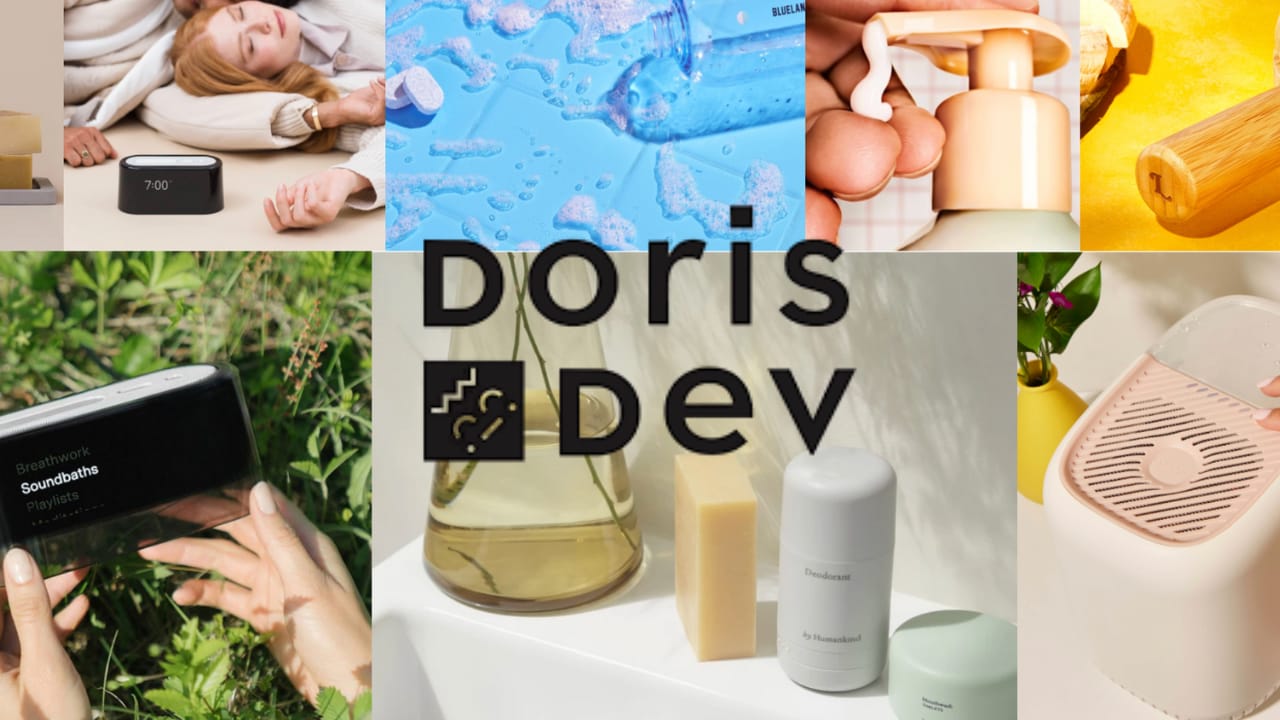
| | Agency Assist: Doris Dev | | When growth slows and platforms tighten control, execution becomes the real differentiator. | Doris Dev operates where most brands get stuck: the gap between concept and scaled execution. | The agency supports brands across product design, engineering, and supply chain setup, helping teams take physical products from idea to production without losing momentum or design integrity. | Why this catches our eye:
As margin pressure increases and mistakes get more expensive, execution risk becomes the biggest risk. Doris Dev focuses on fundamentals many teams underestimate, from manufacturability to building supply chains that actually hold up at scale. | The takeaway:
Execution breaks more brands than ideas ever do. Product design has to survive contact with manufacturing, and teams that build process early avoid the most expensive mistakes later. Doris Dev exists to help brands get that part right. | | | | | | | Are you D2C (Down 2 Collab)? | At 1-800-D2C, we spotlight the real builders behind the tools and brands featured on our site and the D2C players putting those tools to work. Let’s collab: | For Brand Founders: | | For Tool Founders: | List your tool on 1-800-D2C today to show off your brands and become a Friend’s Rates member. Sign up today. Want to share the story behind your tool and how it's changing the D2C space? Fill out our founder questionnaire to get featured in our Behind The Tool interview series!
|
| |
| | |
| |
|