|
Welcome to my newsletter. THE place for smart talk on hormones, biohacking, and women’s health - without the guesswork or overwhelm. Just the science you need to make the best choices for your body and life.
Was this forwarded to you? Click here to subscribe!
|
|
|
Hi Andy,
When I was diagnosed with PCOS in my early 20s, I was told I’d likely struggle to get pregnant - if it happened at all.
That diagnosis forced me to start “bioharmonizing” at a young age. I was Cycle Syncing®, changing my food, managing my blood sugar, and going gluten-free at a time when there were almost no options on the shelf or even any online content.
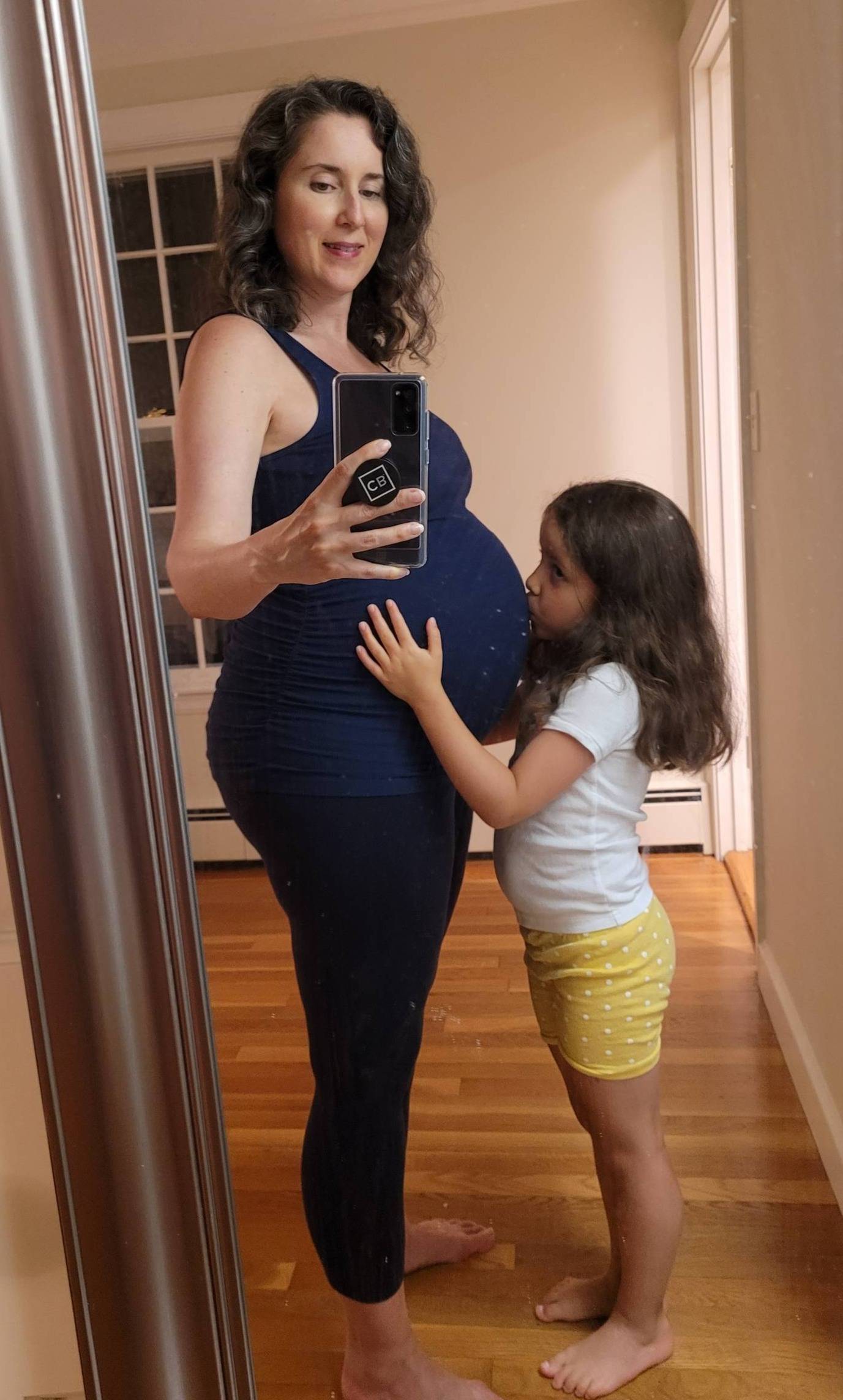
But that early work paid off. I conceived my daughters at 36 and 43, both times with labs and fertility biomarkers that looked like someone 10 years younger - not because I was “lucky,” but because I’d been living in the FLO with my hormones for decades.
This is why I feel so strongly about what I’m sharing today:
If you’ve been told to “just take a prenatal and keep trying,” you’re not being given the full picture.
A prenatal is important, but for so many women, it’s not enough - especially when inflammation and stress negatively impact the ovary and uterus and quietly block conception.
Today I want to walk you through what’s really going on at the ovarian and endometrial level, and why targeted, preconception supplements can move the needle in a way a standard prenatal never will.
with love to your ovaries,
|
|
|
What the Wellness:
In a world full of research, still so little is focused on women. My desire is to share the most important studies here with you, which frankly, you can’t continue living without! It’s the science you need to make the right health choices.
Uterine Immune function and conception
It turns out that your uterus has its own immune system and it’s essential for implantation success
Let’s look at what the research actually says.
Endometrial inflammation silently blocks implantation
Studies show that chronic, low-grade inflammation in the endometrium (like chronic endometritis and subtle immune dysregulation) is strongly associated with implantation failure and miscarriage - even when standard fertility labs look normal.
Research on the uterine immune environment shows that:
- Successful implantation requires a precise balance of immune cells (like uterine NK cells, macrophages, and dendritic cells) and cytokines.
- When this balance is off, embryos - even genetically normal ones - can fail to implant or result in early loss.
Conventional fertility workups rarely assess this level of inflammation or immune activity and standard prenatals don’t typically address this.
Studies Cited
|
|
|
The Hormonal 411:
What’s REALLY going on with your hormones—and what to do about it.
Supplement strategies for unexplained infertility
When we zoom in below the level of “normal labs,” here’s what we see.
1. The ovary: inflammation + oxidative stress = “old” eggs
Even in your early or mid-30s, the ovary can experience:
- Mitochondrial sluggishness inside the oocyte
- Oxidative damage to the egg
- Local inflammatory signals that interfere with normal follicle development
This won’t initially show up in FSH, AMH, or ultrasound, but clinically, it shows up as:
- Fewer mature eggs retrieved in IVF
- Poorer quality embryos
- Recurrent early loss
This is why antioxidants like CoQ10 are critical to support ovarian response and embryo quality.
2. The uterus: “Goldilocks” inflammation
Implantation is not a quiet, passive process. The endometrium actually needs a controlled, pro-inflammatory signal to allow the embryo to attach and embed, followed by a fast switch into anti-inflammatory, tolerance-building mode.
When inflammation is too high, too chronic, or misdirected, it can:
- Disrupt endometrial receptivity
- Alter the expression of implantation-related genes
- Lead to “unexplained” infertility or recurrent implantation failure, even when embryos look good and everything on paper is “normal.”
This is why R Alpha Lipoic Acid and NAC are essential to address inflammation.
3. Hormone Levels: Progesterone and ovulation
If you have always dealt with serious PMS, then chances are good that you have some insufficiency with progesterone production, and that only increases after 35. Not enough of this hormone results in early pregnancy loss.
It’s often not tested, and even though vaginal bioidentical progesterone suppositories are an excellent support for women, they are not often prescribed.
You want to have a luteal phase (day 21) level of progesterone of 10 ng/mL or higher.
If you don’t, or have been dealing with early pregnancy losses, then you want to work on supporting your progesterone production with supplements like Vitex and Melatonin. Which also supports ovulation, as of course ovulation is the way that your body ends up making progesterone in the first place.
Why a prenatal alone doesn’t move the needle
Most prenatals are designed to:
- Prevent neural tube defects (folate)
- Cover basic micronutrient needs in early pregnancy
- Support fetal development
They are not formulated to:
- Reduce chronic uterine inflammation
- Support mitochondrial function in eggs
- Optimize the immune dialogue between embryo and endometrium
- Optimize progesterone production
For example -
CoQ10 and egg quality: beyond a basic prenatal
Bottom line:
Prenatals are necessary, but they are not sufficient for many women. They support pregnancy, but they don’t meaningfully address ovarian aging, egg quality, or silent uterine inflammation.
That’s why so many women come to me saying, “I’ve been on a prenatal for a year, my labs are normal, and I’m still not pregnant.”
It’s not that prenatals are bad - they’re just not the tool for this specific job. You need a step before the prenatals.
|
|
|
To go beyond basic prenatal coverage and specifically target ovarian health, egg quality, and uterine inflammation as part of your pre-pregnancy plan.
|
|
|
In the Flo with Alisa:
Personal insights and recommendations from me and my most trusted brands.
(Some may contain affiliate links, but I only share what I truly use and love!)
Why my PCOS was a gift for my future fertility
When I was first diagnosed with PCOS in my early 20s, I felt like my body was working against me. I was inflamed, symptomatic, and being offered birth control as the only option.
So I started experimenting out of necessity:
- I cut out gluten before “gluten-free” was everywhere.
- I changed my blood sugar strategy before CGMs and fancy apps existed.
- I synced my food, workouts, and work schedule to my cycle long before I started calling it “Cycle Syncing®”
It was frustrating. It felt like I had to do so much more than my peers just to feel “normal.” But here’s the gift I can see in hindsight:
All that early bioharmonizing work set me up to conceive much later - at 36 and 43 - with biomarkers more like a woman 10 years younger. My ovaries and uterus had been living in an anti-inflammatory, hormone-supportive environment for years before I ever tried to get pregnant.
And that’s the piece I want you to hear:
No matter how old you are, there is still a lot you can do. In the last round of the Hormone Transformation Lab, we had several women get pregnant - some after secondary infertility and multiple rounds of failed IVF, and another woman at 45 with no fertility treatments whatsoever. You can’t change your chronological age, but you can change your ovarian environment - the inflammation load, mitochondrial support, blood sugar stability, and immune balance that determine how your body responds to conception attempts.
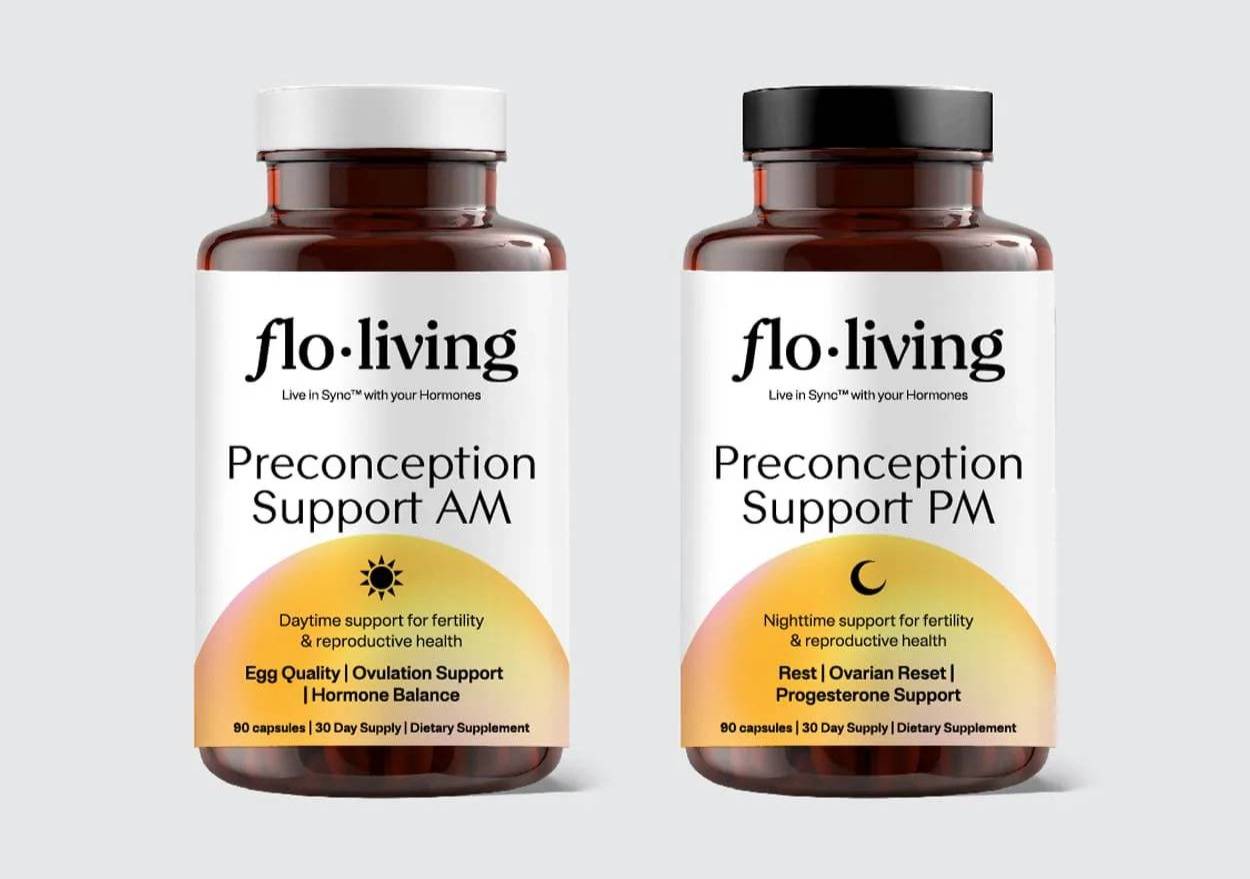
That’s why I created Preconception Support, not as a prenatal, but as the first step to support YOU before the prenatal that supports baby:
- an inflammation reducer at the level of the ovary and uterus
- an ovarian and egg-quality supporter
- a preconception primer to pair with your future prenatal, not a replacement for it
- a progesterone production enhancer
- an ovulation regulator
✨ Part 2 of My Fertility Protocol: Coming Thursday to Members!
Inside the Ovary Club newsletter this Thursday, I’ll go deeper into the fertility protocols I used, and how you can do the same.
I’ll be sharing:
- The special mind-body technique that I personally used and recommend to all my fertility clients
- An experience in my first pregnancy that shifted my belief system
- The book that every mom-to-be should have on her shelf
If you want Part 2 of this conversation, join us in Ovary Club.
|
|
|
Subscribe to The Ovary Club to get Part 2 + the insider tips I only share with private clients.
Become a paying member - currently only $7/month - to get access to content that I only share with my inner circle.
|
|
|
|
with love to your ovaries,
|
Alisa Vitti
Bestselling author, creator of Cycle Syncing® and founder of FLO Living. Helping women thrive through every hormonal phase of life. Read my newsletter here.
|
|
|
|
Get 20% off with code RESET20
Work Directly With Me
Get personal support and guidance from me inside a small group coaching cohort, designed to help you get to the root of your symptoms and feel your best, naturally.
|
|
|
|
|