|
 |
My work spaces of the past, present, and future (nap nook non-negotiable)
Plus, a new green bean and peach salad recipe.
|
| |||||||||||||||


This week, I’m starting out with a California-inspired salad, and a video shot and edited by my daughter Addison—she did a great job for a first try at food videos! Then it’s time to dig into the domestic spaces we design for work, and what I’m prioritizing for my home office—and why—in Ojai.
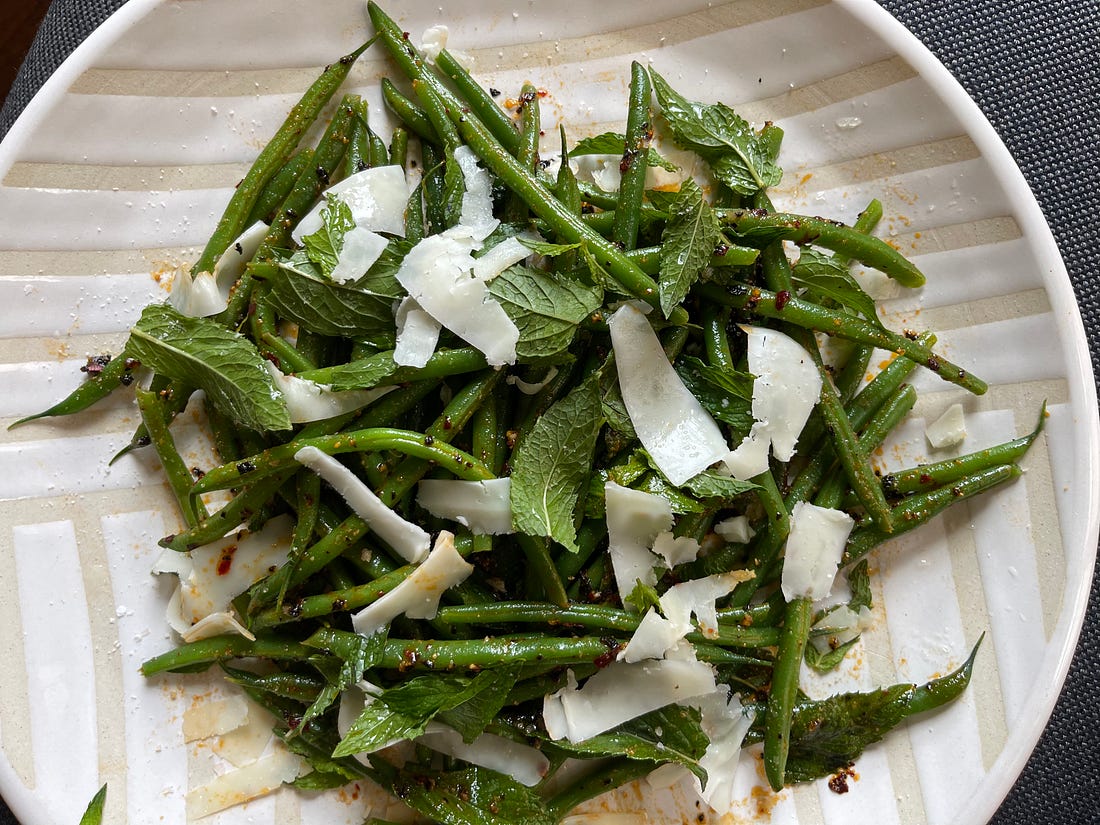 |
On a recent site visit, I went to Bettina in Montecito Country Mart for lunch and had a salad of green beans and fava beans that were dressed with salsa macha (chiles, peanuts, sesame seeds, garlic, oil, vinegar) and layered with juicy chunks of peach and feathery wisps of mint and sheep’s milk cheese. (Fun fact: Bettina was also designed by Barbara Bestor, our architect.)
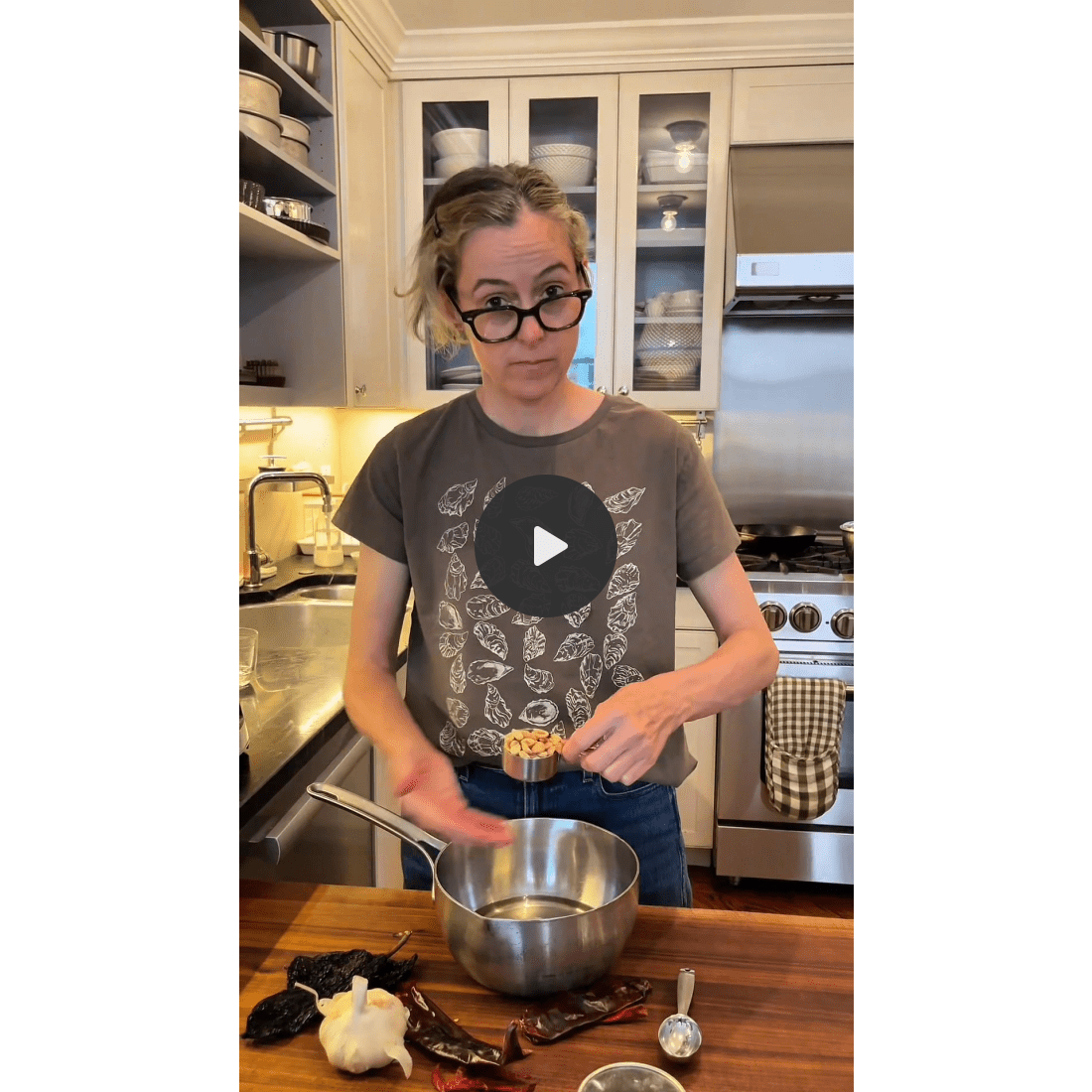
When I got home, I made my own version. I skipped the fava beans because I figured you’d want to kill me if I asked you to peel enough of them for a salad. I found a great salsa macha recipe from Mike Hultquist at Chili Pepper Madness, and I winged the rest. Addison filmed me making it, and I forgot to add the peaches—d’oh! It was still delicious, but if you like sweet and heat together, make sure to include them.
Green Beans with Peaches, Salsa Macha, Mint, and Sheep’s Milk Cheese
Serves 4 as a side dish
For the salsa macha
2 large ancho peppers
2 large guajillo peppers
5–6 chile de arbol peppers
¼ cup salted roasted peanuts
4 large garlic cloves, chopped
1 tablespoon sesame seeds
1 cup vegetable oil
1 tablespoon apple cider vinegar
½ teaspoon salt, plus more to taste
½ teaspoon Mexican oregano (other dried oregano works, too)
For the salad
1 pound haricots verts, topped
Kosher salt
2 ripe peaches, cut into ¾-inch chunks
Large handful whole mint leaves, divided
A small wedge of young sheep’s milk cheese, like a 6-month aged Manchego
1 lemon, halved
Maldon or other flaky salt
Make the salsa macha:
Wearing food-safe gloves, remove the stems and seeds from the anchos, guajillos, and chiles de arbol. Chop or cut them into ½-inch pieces.
Combine the peanuts, garlic, sesame seeds, and oil in a medium pot and set over medium heat until the oil begins to simmer around the garlic. Maintain a light simmer until the garlic starts crisping and the seeds turn golden brown, about 5 minutes. Stir the bottom of the pot so the garlic doesn’t stick.
Remove from heat and stir in the chili peppers. Let cool for 10 minutes.
Stir in the vinegar, salt, and Mexican oregano.
Pour the mixture into a blender or food processor and pulse until the salsa begins to come together but there are still nice crispy bits; you don’t want a purée. Taste and adjust seasoning.
Put together the salad:
Bring a large pot of heavily salted water to a boil. Add the haricots verts and cook until just tender, 3 to 4 minutes. Plunge into ice water to cool, then dry on a tea towel.
In a large bowl, combine the beans, a few tablespoons of the salsa macha (enough to coat the beans as a salad dressing would), and half the mint. Squeeze over the juice from half a lemon. Toss. I like to use my hands for this. Taste and adjust seasoning. Spread on a platter, sprinkle with the peaches, remaining mint, more lemon juice, and flaky salt. Shave a scattering of cheese over top. Proudly serve!
The leftover salsa macha is yours to douse over eggs, tacos, and whatever else your heart desires. Keep it in the fridge and it’ll be good for a week or two.
 |
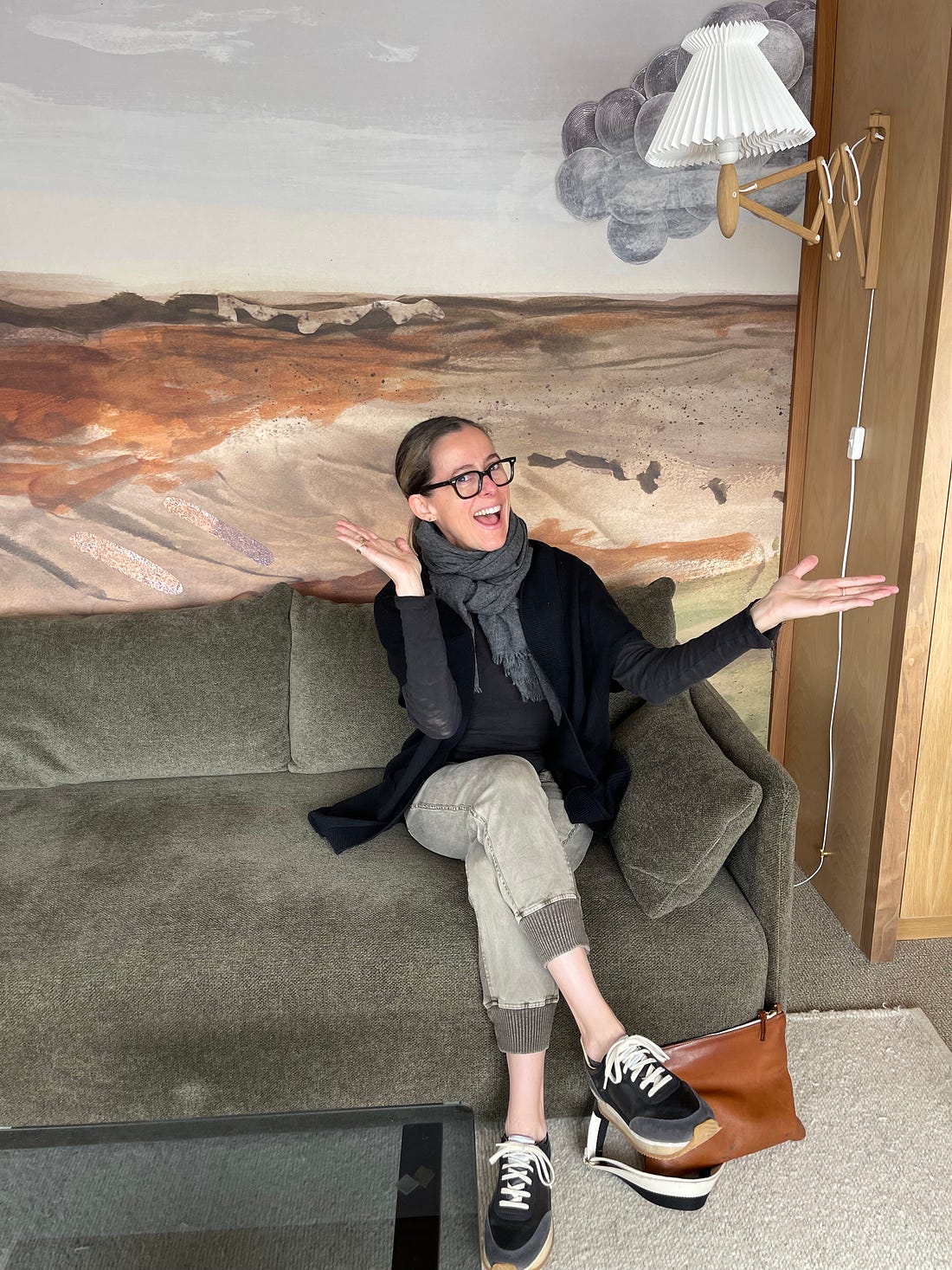 |
Every time there’s a shift in your life—to a new home, a new job, a new relationship—there’s an opportunity to choose which lessons, ideas, and ways of being you take with you, and which ones you leave behind. This exercise (and I call it an exercise because it helps to do it purposefully) has been more like a HIIT workout in my brain in the weeks since I left Food52, the company I co-founded.
At some point I’ll write about all that I learned from building the company, but one thing I’m taking with me in the immediate is a better understanding of how to create a physical environment that nurtures how I work. You’ll see this play out in our Ojai house.
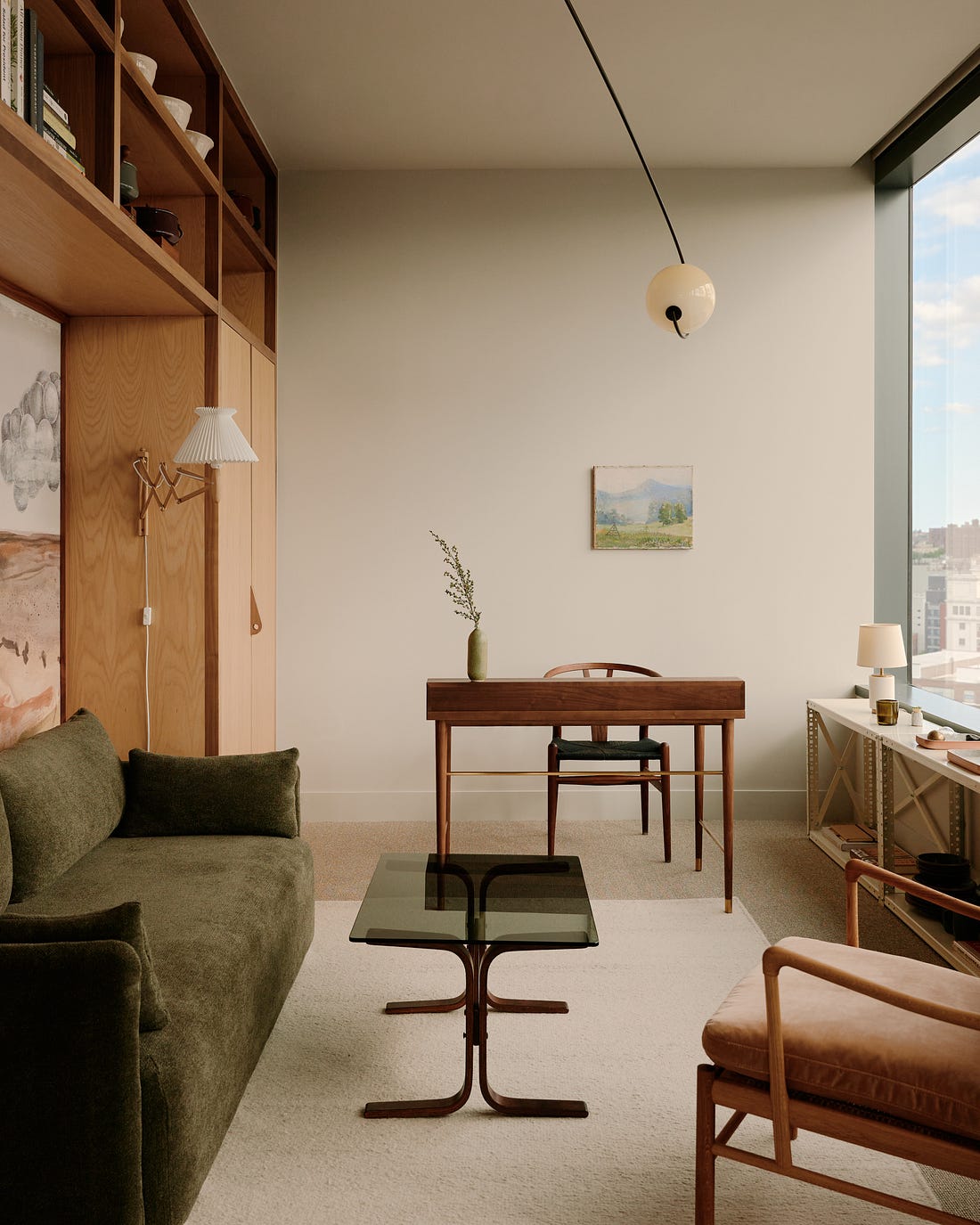 |
There’s a lot of discussion among culture writers and academics about the problematic blurred lines between personal life and work life—and a lot of insistence that these realms should remain separate, both technically (logging off) and physically (keeping your WFH desk out of your bedroom). I understand the arguments but, honestly, a clear-cut separation stresses me out! My work life and my personal life are intertwined in ways that I value. I like to catch up on work emails on weekend mornings while our apartment is quiet. Many of my friends work in my industry; we like to talk shop! I’m always looking for inspiration and ideas when I travel. And, of course, I’m writing about our home, right here!
Okay, so work has increasingly infiltrated our homes—I say: own it. Make your home work area a lovely place to spend time, wherever in the house it may be.
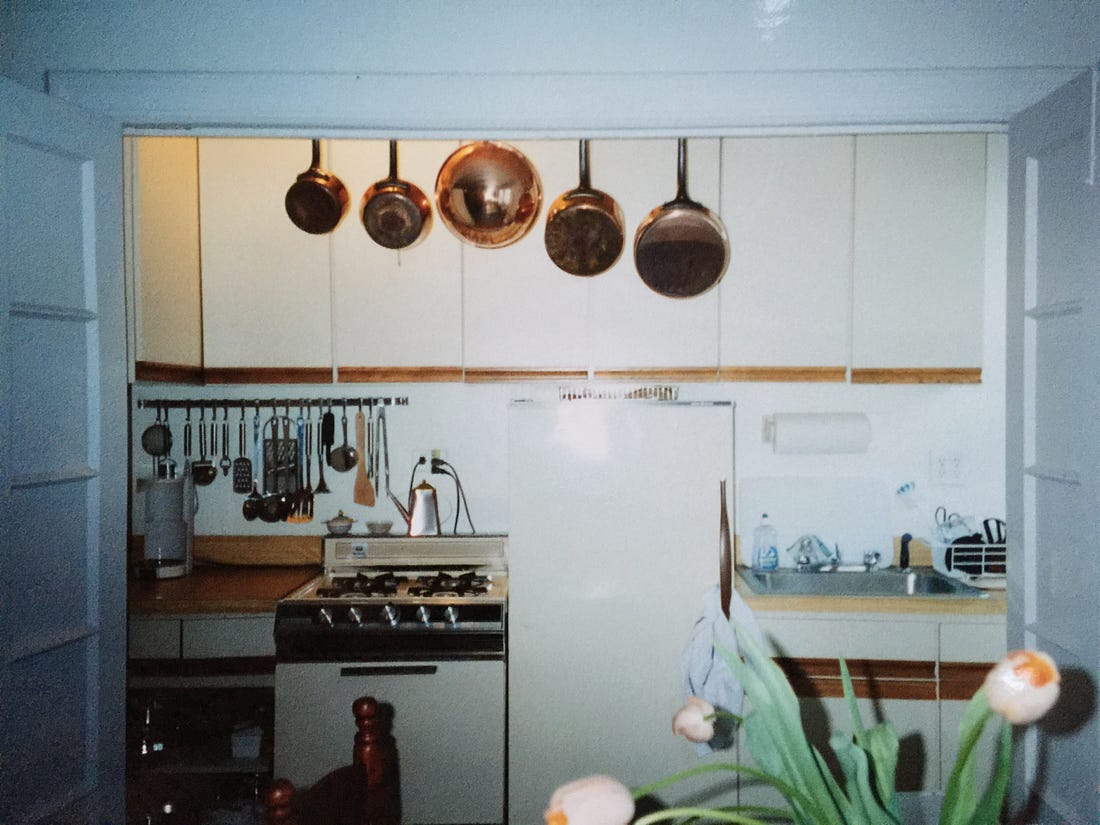
My work spaces have evolved a lot over the years. When I joined the New York Times, the paper was still located in the storied—and musty—building on West 43rd Street. There, I had a gray cubicle in a gray newsroom, where I did reporting and editing and where mice ate the chocolate in my desk drawer. And I tested recipes in the kitchen of my small 1-bedroom apartment.
 |
A couple years before I left my staff role, the paper moved to a Renzo Piano building that had clean lines, floor-to-ceiling windows, and an airy metal sheath wrapping its structure. I still had a cubical but it was layered with wood veneer, had a built-in cushioned stool, and was illuminated with sunlight. I remember the day we moved in—having a place to work that had style and comfort made me feel giddy. I remembered this sensation and held it close as a template for how I wanted the place I spend so many hours of the day to feel.
For the first couple of years of Food52, our primary work space was either my home kitchen or a red banquette with a marble-topped table at Keith McNally’s Italian restaurant, Morandi. There were outlets in the banquettes, and since Morandi is in the West Village, people were happy to meet us there.
We graduated to co-working spaces and then to our own offices. With each move, we prioritized a home-like feel to the design, and we worked with Float Studio over a decade, and across three locations, to develop what was then a new kind of office. We deliberately avoided the start-up-world regression of having mod bean bags and indoor scooters. Our aim was to create a sophisticated and cozy living room space that featured shared work tables instead of desks and lounge areas with armchairs, sofas, bookshelves, and vintage objects.
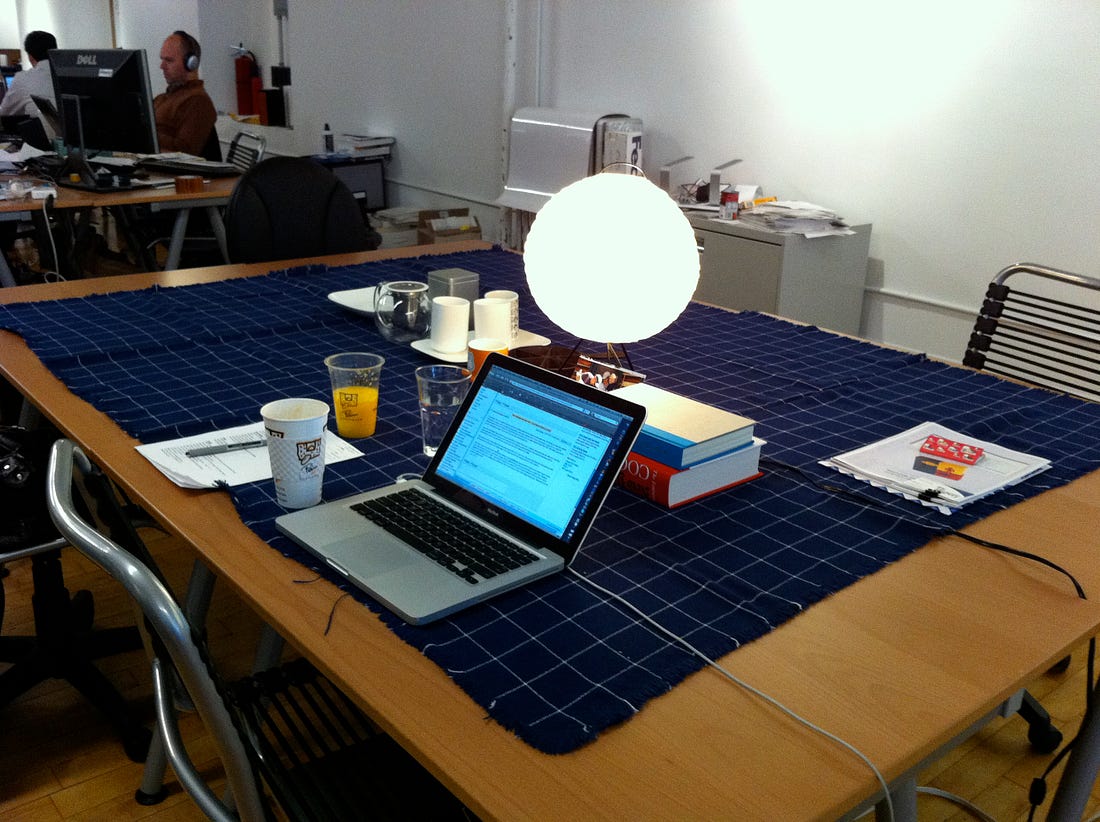
Here is the full evolution:
Co-working space (first of two)
 |
First office
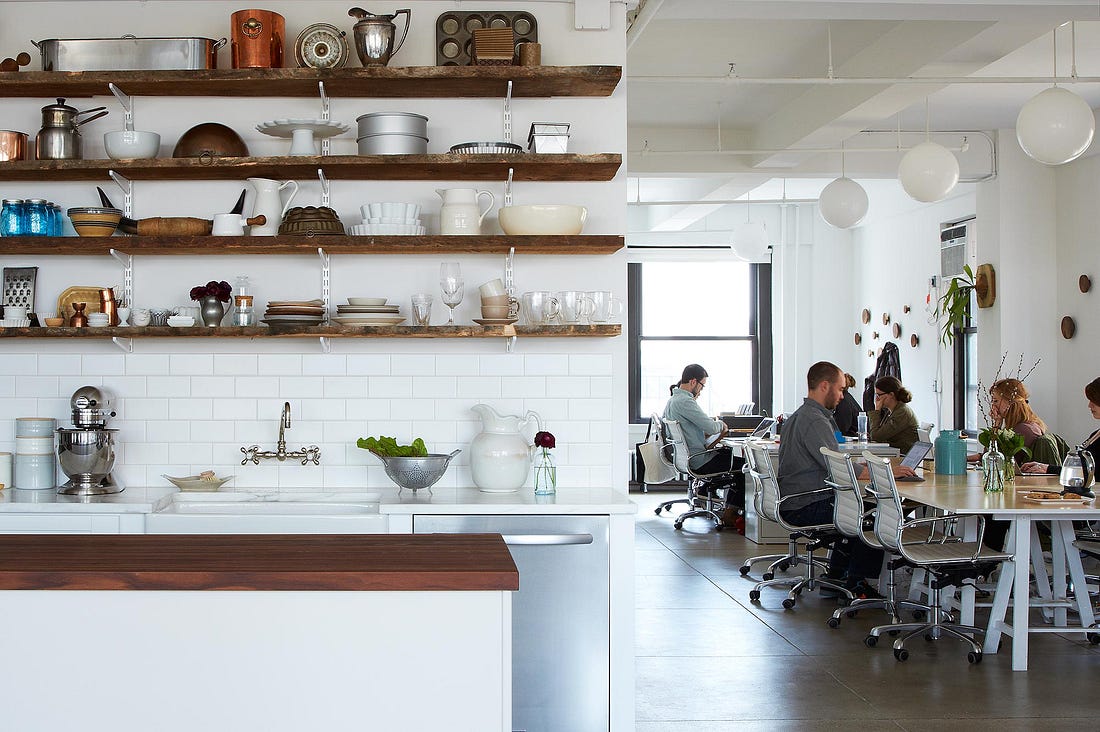 |
Second office
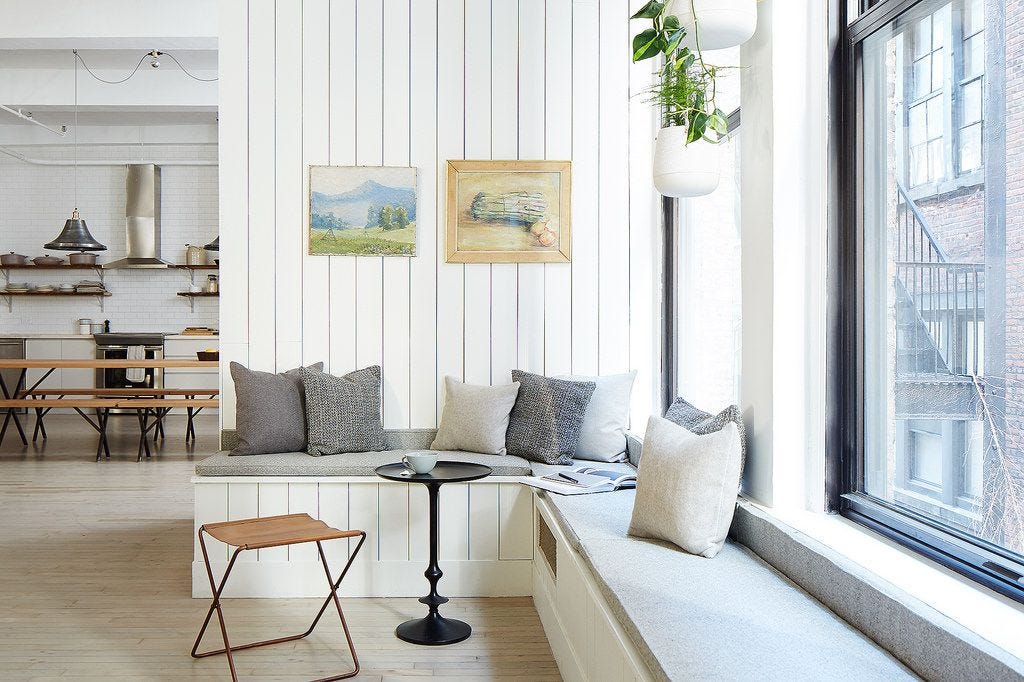 |
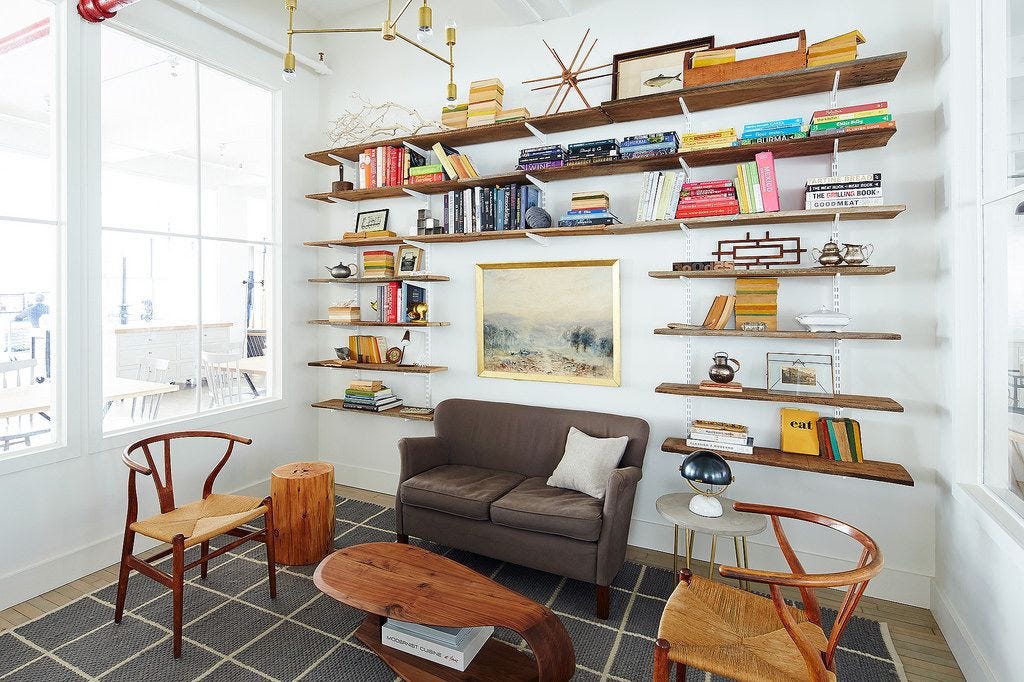 |
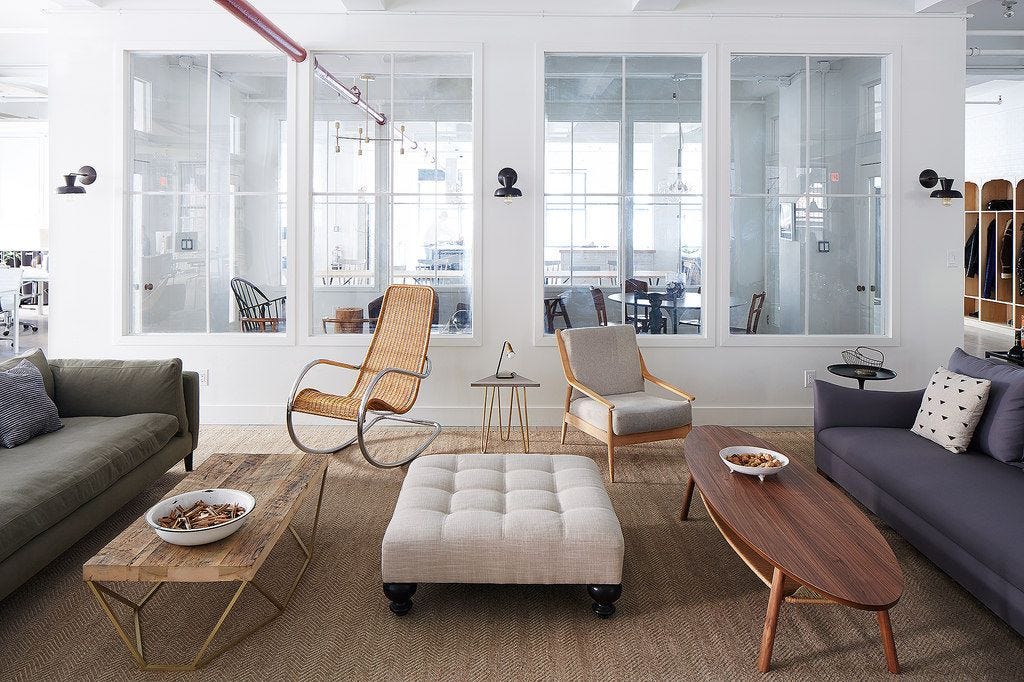 |
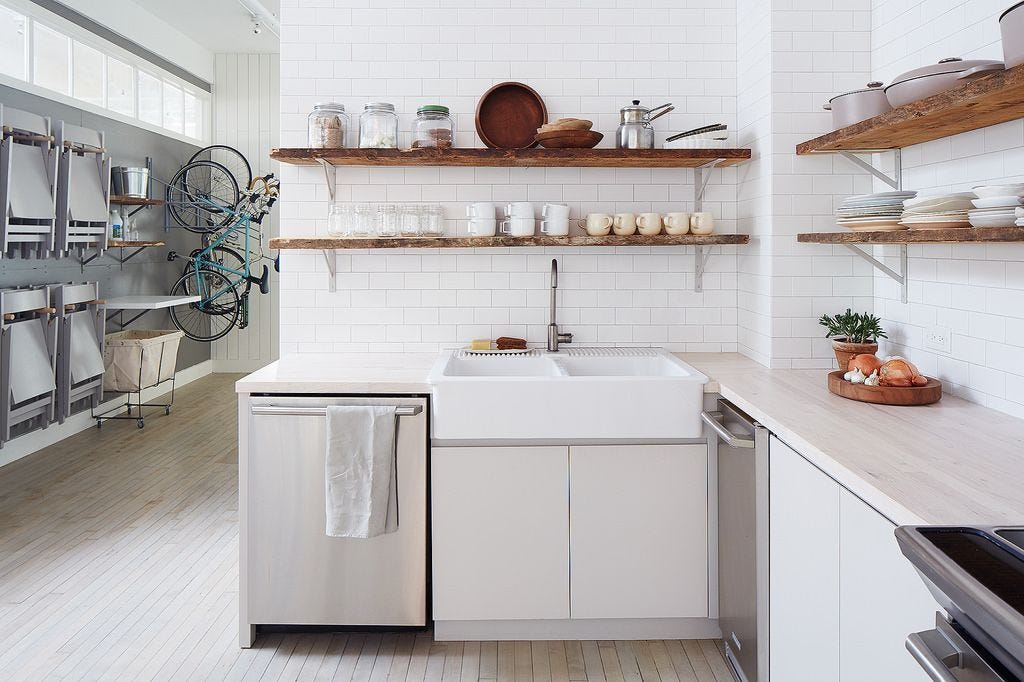 |
Third and current office
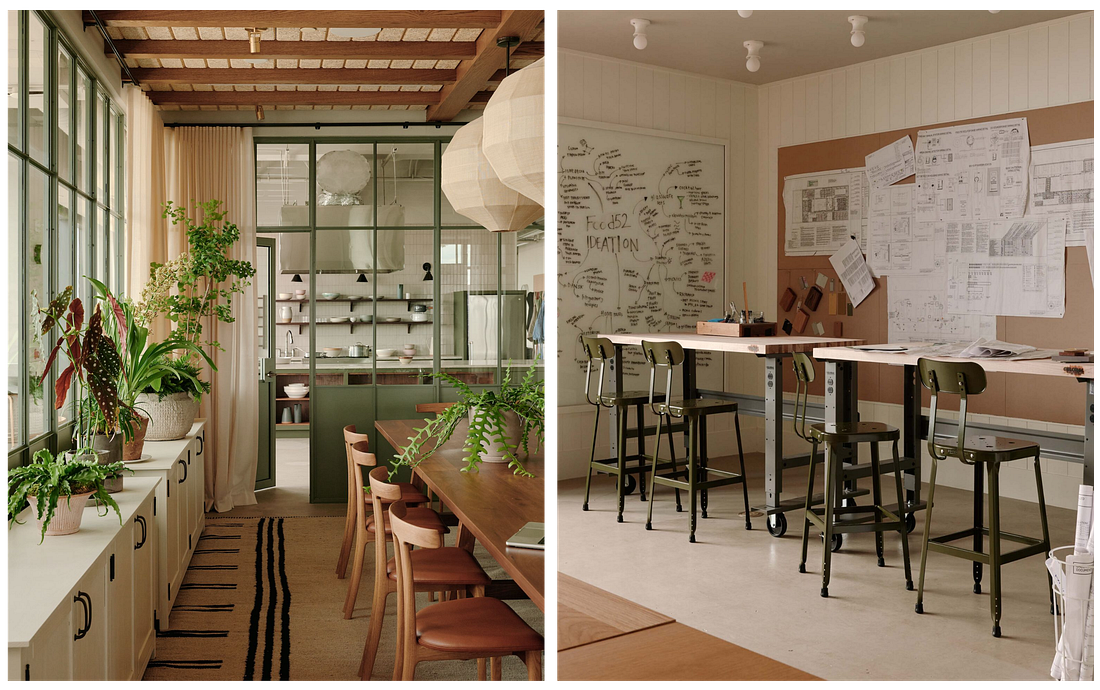 |
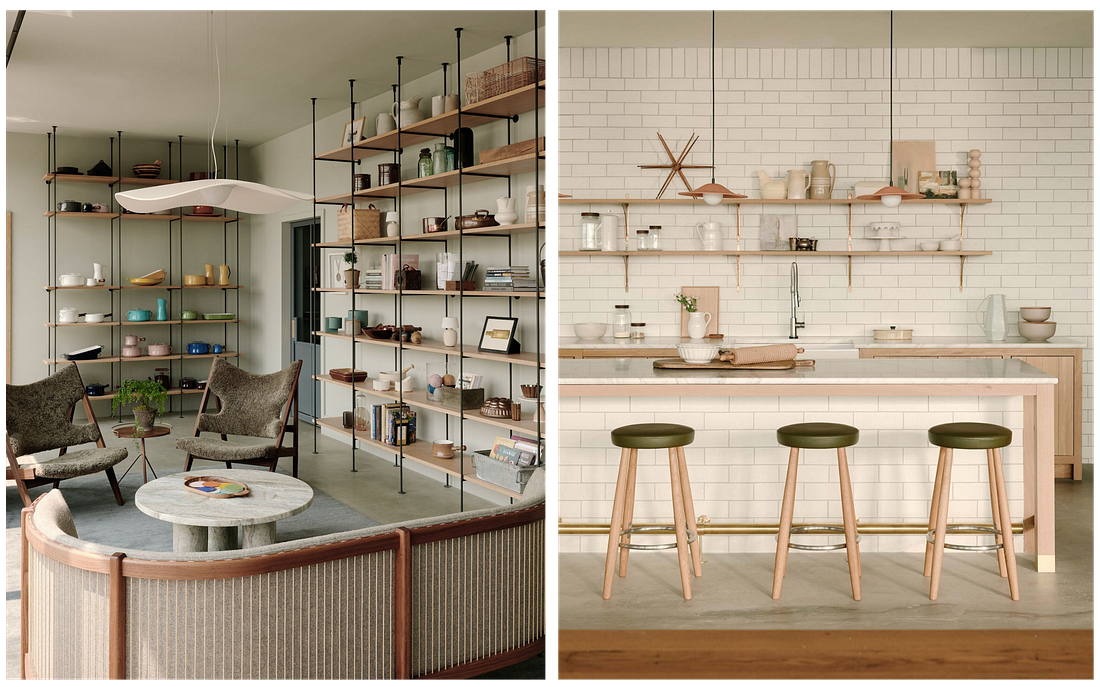 |
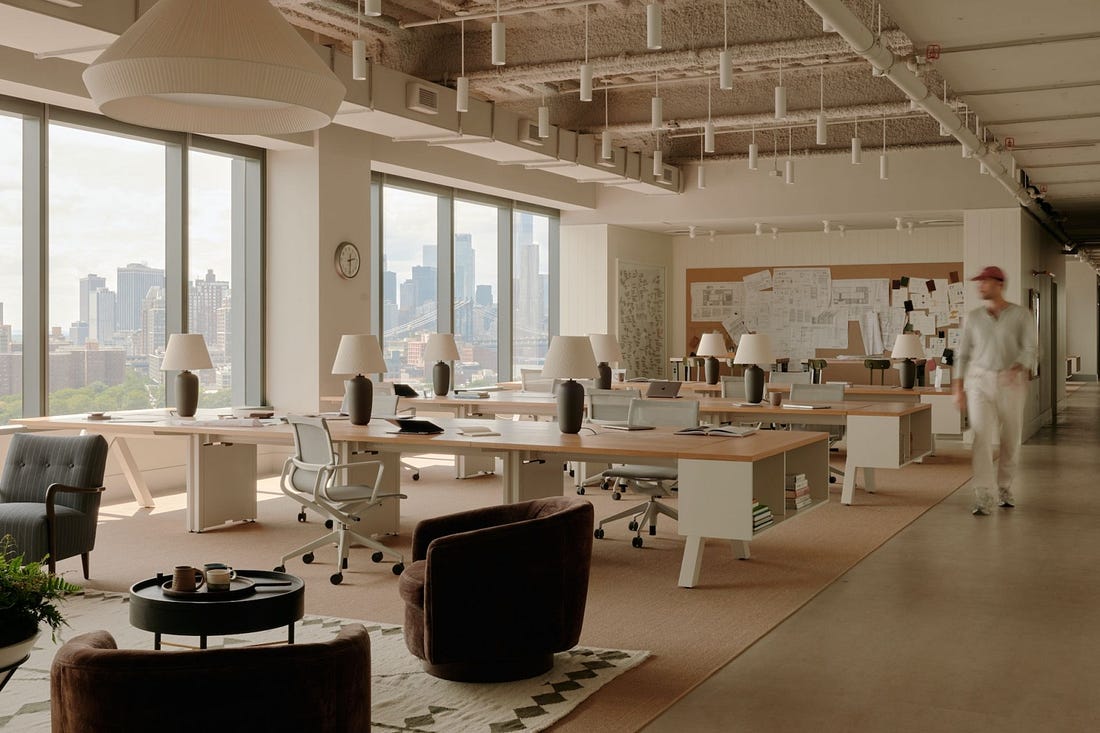 |
The open format leveled hierarchies. Having home kitchens encouraged people to cook their lunches. Sofas invited editors to write, teams to gather in den-like settings, and me to occasionally nap. What was clear from the design was that my co-founder Merrill and I wanted to feel at home at work, just as we wanted to feel at home while working at home.
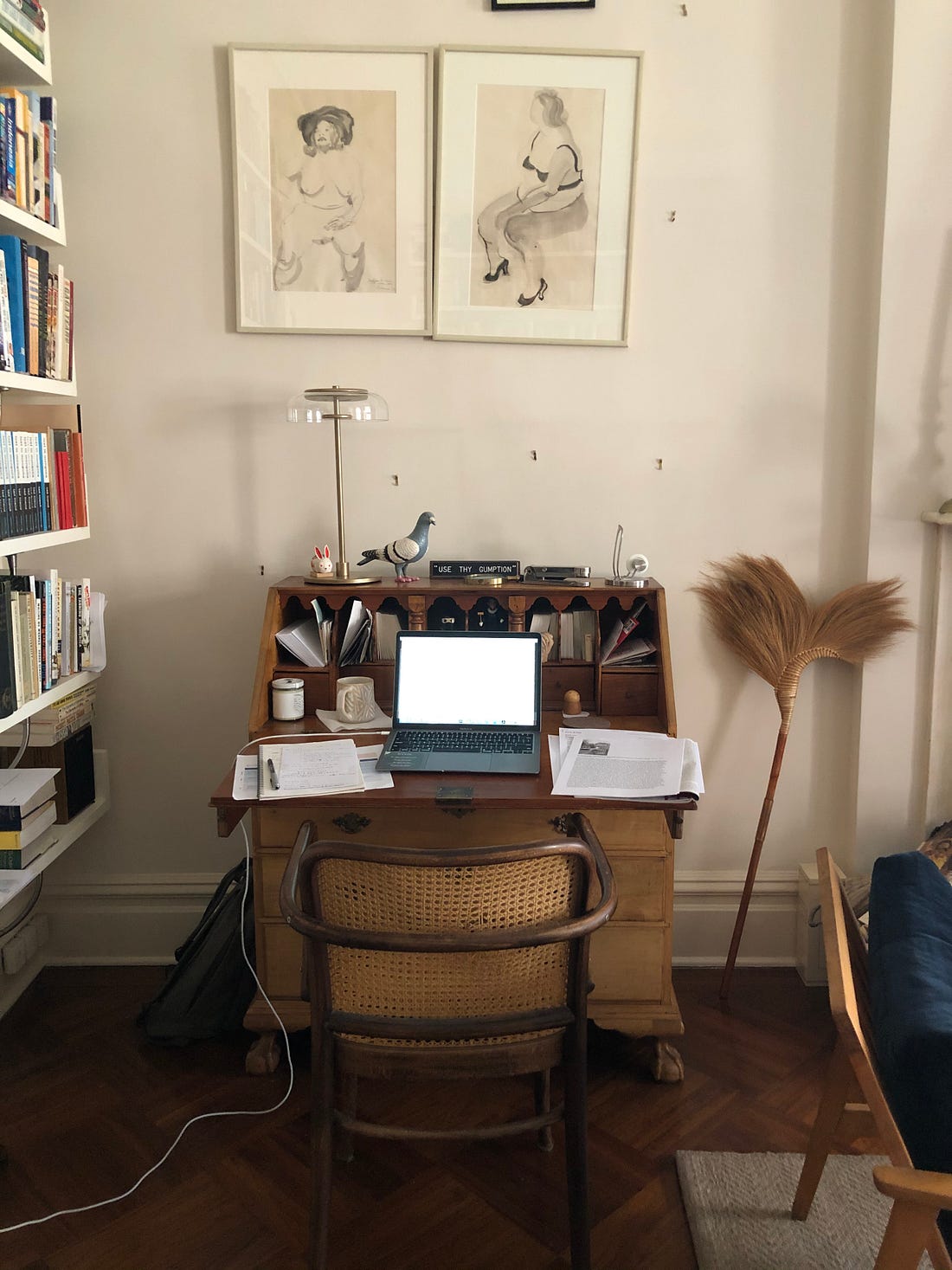
In my Brooklyn apartment, once our kids got older, I was able to take back a small room, just off our kitchen. And I began to understand what I need in a work space, some of which I have there and some of which I don’t—it’s pretty small!
 |
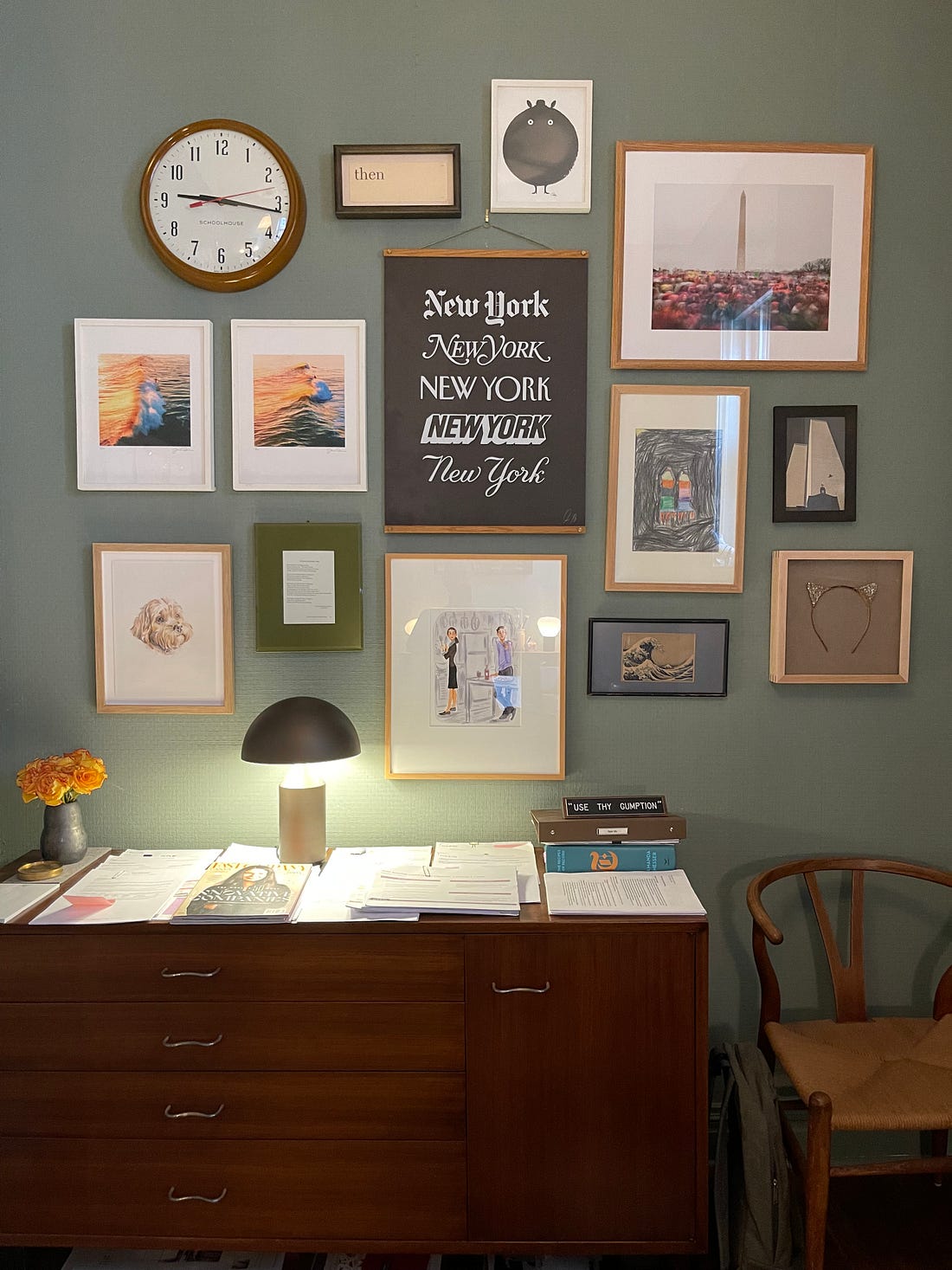 |
My work space wish list:
Simple, uncluttered desk
Pinboard for inspiration, reminders, mementos
Long table or surface for laying out stacks of paper; one active project per stack, so that I can quickly scan what I need to be focused on
Charging drawer
Place to lay down to read, write, and nap
Kitchen and coffee station close by
Office tools like a printer tucked away in a closet
Storage for my stationery obsession
Candles and incense
Multiple points of light, and light with some drama. I like a single focused light on a dimmer for dark days and evenings, to create a moody environment
Soft natural surfaces for my arms to rest when working at a desk
Concealed wires
Cherished totems and curios
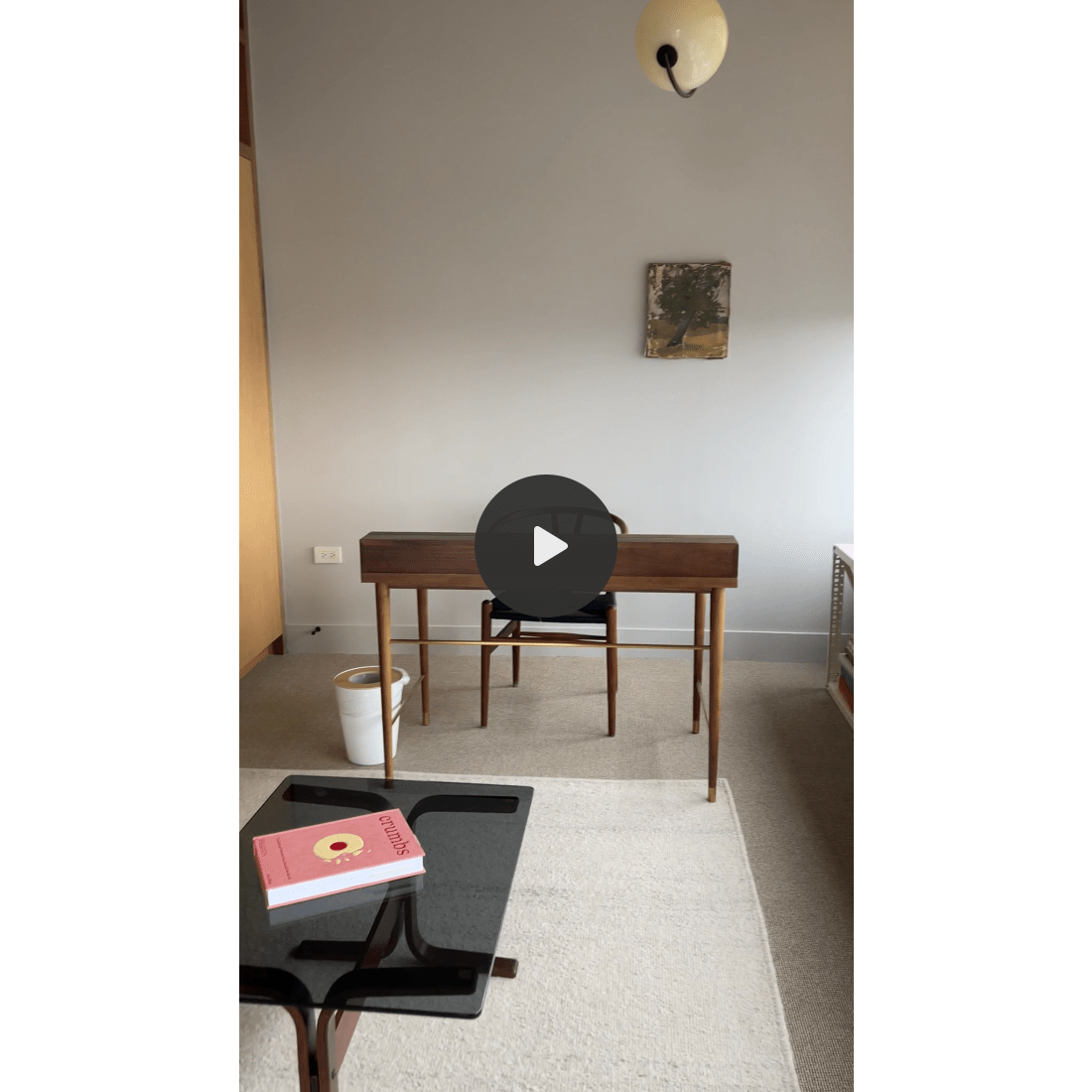
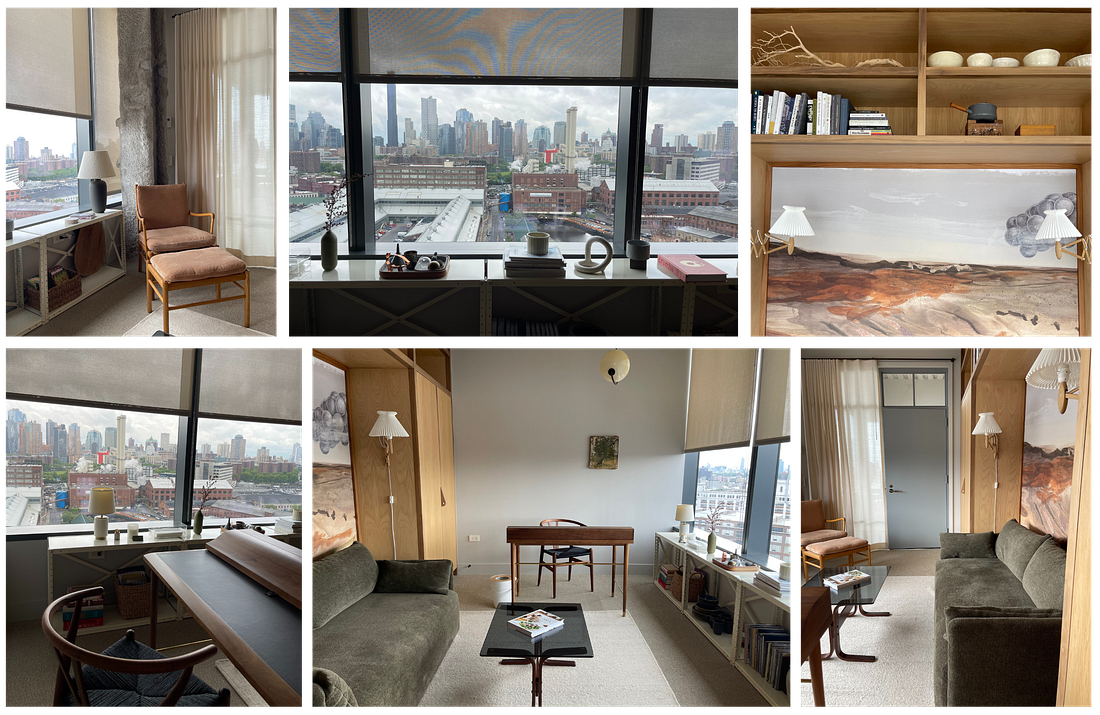
A few weeks ago, I cleaned out my last work space at Food52. It was actually the first enclosed room I’d had in my career. It contains some design elements that you’ll see carried through to my Ojai home study (I don’t like the term office) and that may be useful ideas for you.
 |
Yours in work naps,
Amanda
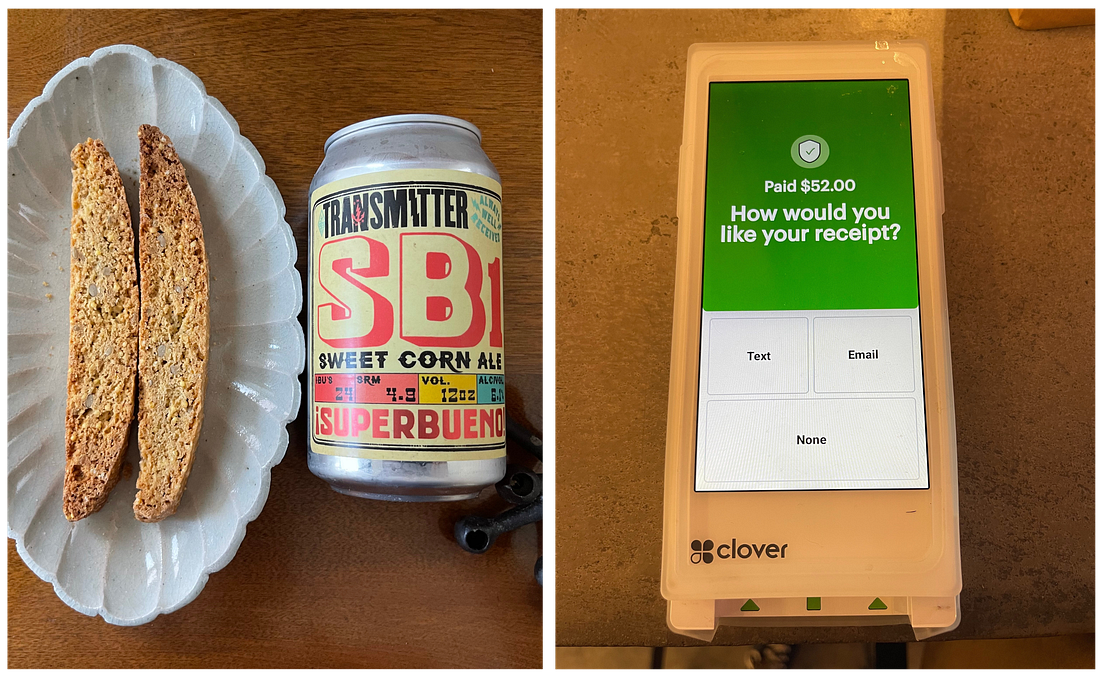 |
P.S. I took the above photos on my last day at my company, then Tad and I cleaned out my office, and went to nearby Transmitter Brewing and She Wolf Bakery to pick up some beer and treats. When the total for my beer order popped up at check-out, it couldn’t have been more fitting.
 |
As I head into this new phase, an executive who I admire recommended the book Portfolio Life by David Corbett. The book is less career advice than life advice, encouraging you to map out how you spend time, and to be clear about why. Corbett developed an early version of a tool that’s now commonly referred to as a Wheel of Life, and which Tad and I have used for the past couple of years. You make a list of your priorities and put them into a pie chart. Corbett has you rank the importance of each slice and then define what you will do to accomplish each slice.
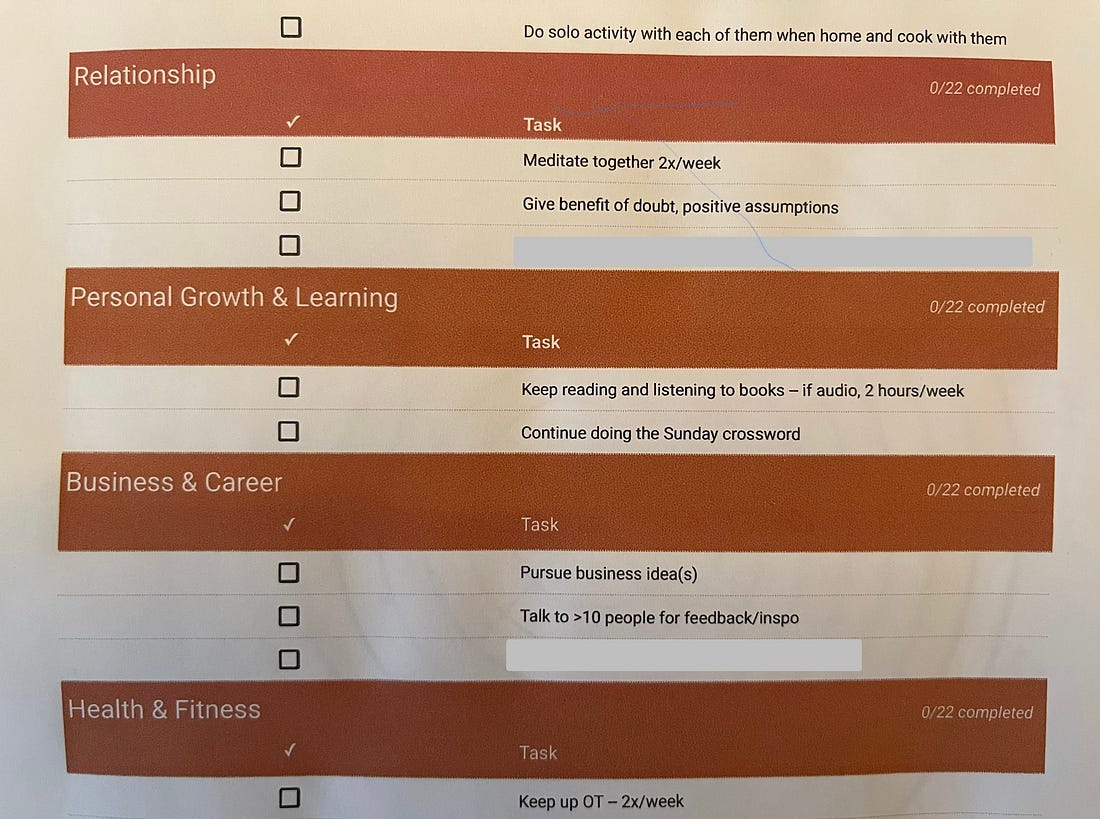 |
For instance, if time with your family is a slice taking up 30% of your priorities, then going to every one of your son’s baseball games might be one of a few ways you measure your efforts to prioritize family time. The Wheel of Life weights each priority equally but has you rank yourself in each category and set the ranking that you’d like to achieve, and then to say what steps you’ll take to reach that level. Tad and I make a new wheel and list each year, and we check on the list every couple of months to make sure we haven’t slacked off.
| ||||||||||