‘AI got my poetry collection disqualified from the book awards – here’s my side of the story’
by Jiaqiao Liu
Every time someone asks what my book is about, my answer changes. Robots, memory, souls. This android I met one time and how I stood there for half an hour simply watching it move. Gender, probably. Cyborg consciousnesses, sure – but not AI itself, not really.
Last month, there was quite the commotion in Aotearoa (and beyond) over news that two books were banned from the Ockham New Zealand Book Awards for their AI-generated covers. In response, the New Zealand Book Awards Trust altered their rules to allow AI covers, but not AI-authored text. Any book containing AI-authored text is still not allowed entry.
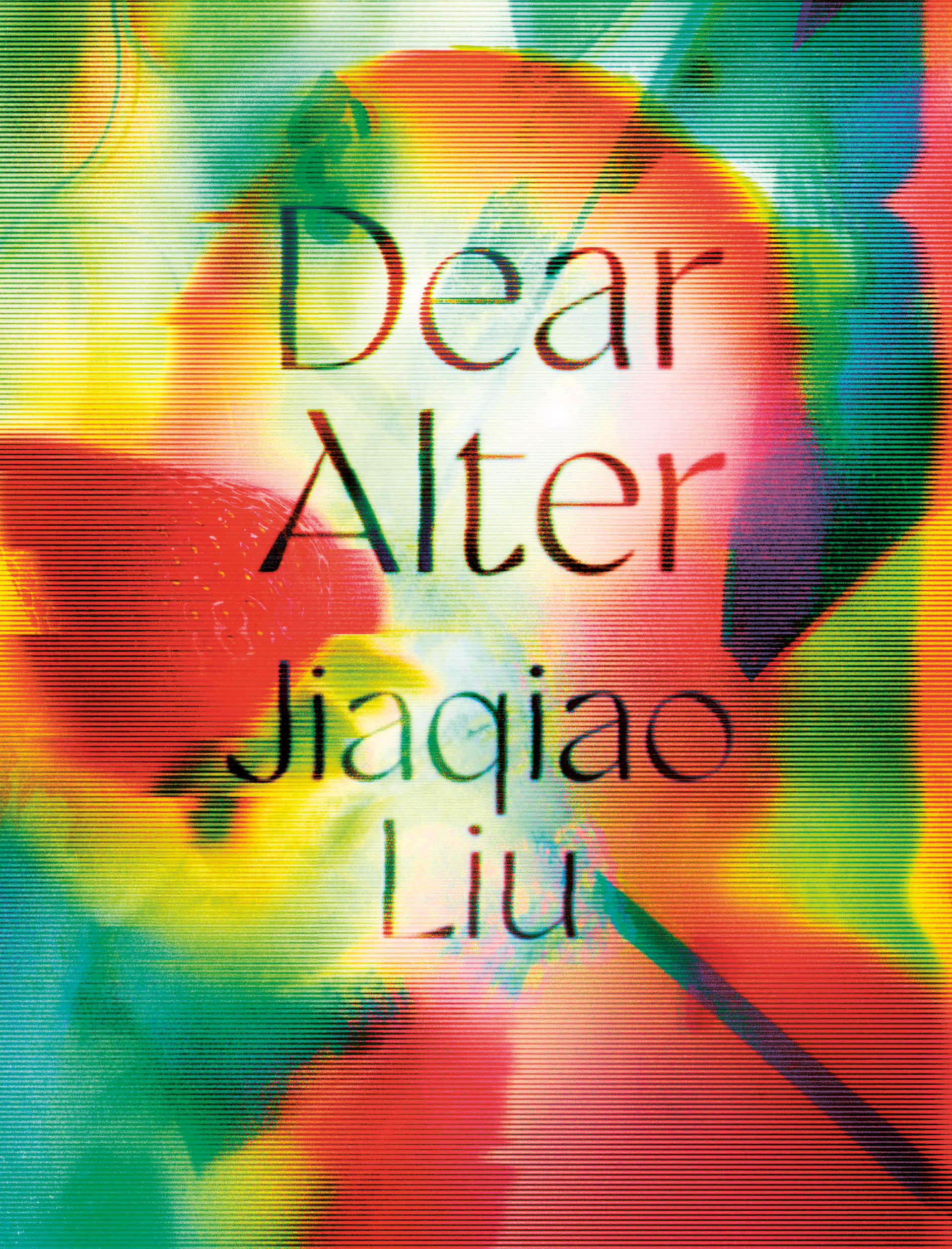
To my bewilderment, this includes my debut poetry collection, Dear Alter. Bizarre is an understatement – anyone close to me knows that I use an encrypted email client, that I’ve migrated from Google Docs to an alternative with zero AI integration, that I refuse to have my photo taken by tourist companies in case it ends up on a public Facebook page that then gets scraped for training data, that I refuse to give any personal device my biometric information, and that I believe all household appliances (with one exception) should be dumb as bricks.
Dear Alter is not about AI, but it is, in part, about a Roomba – as well as the connections between people, between people and machines and the celestial, language’s failures, and queer possibility. The book contains three poems using lines generated by Verse by Verse, a now-defunct experimental “pre-LLM neural language model” trained on the work of 22 American poets from the 1800s to the mid-20th century (as well as a larger corpus of English poetry, both found on Project Gutenberg; plus internet forum comments). These poems are part of a series called “transmissions from an empty museum”: a search for language with which to convey truths, desires, experiences, and anything else that resists easy description. The speaker (who may be human or may be an android) tries on voices of poets who have gone before, like a child imitating accents, or like Goldilocks trying out chairs. Or, like a young artist . . .