| Kia ora tātou,
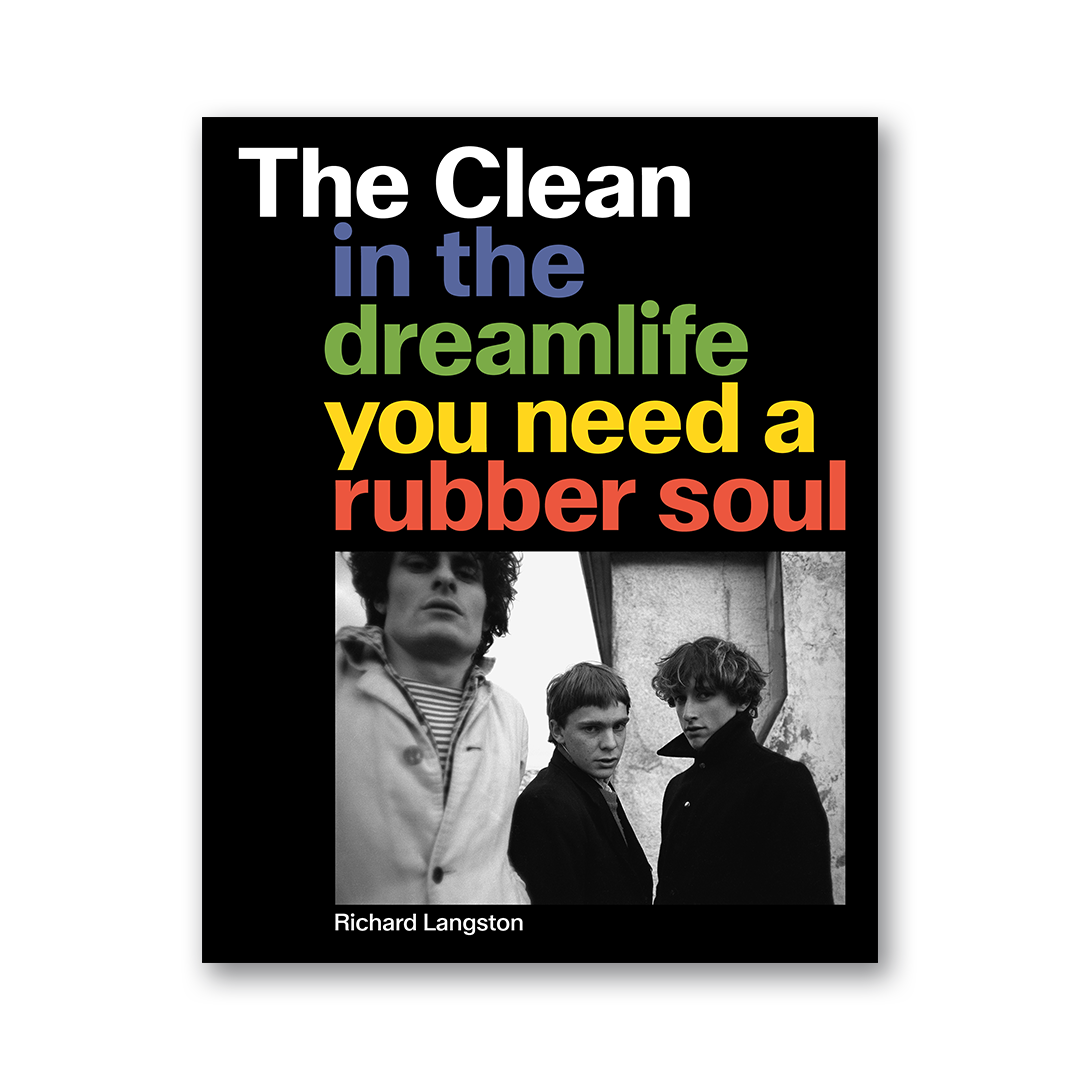
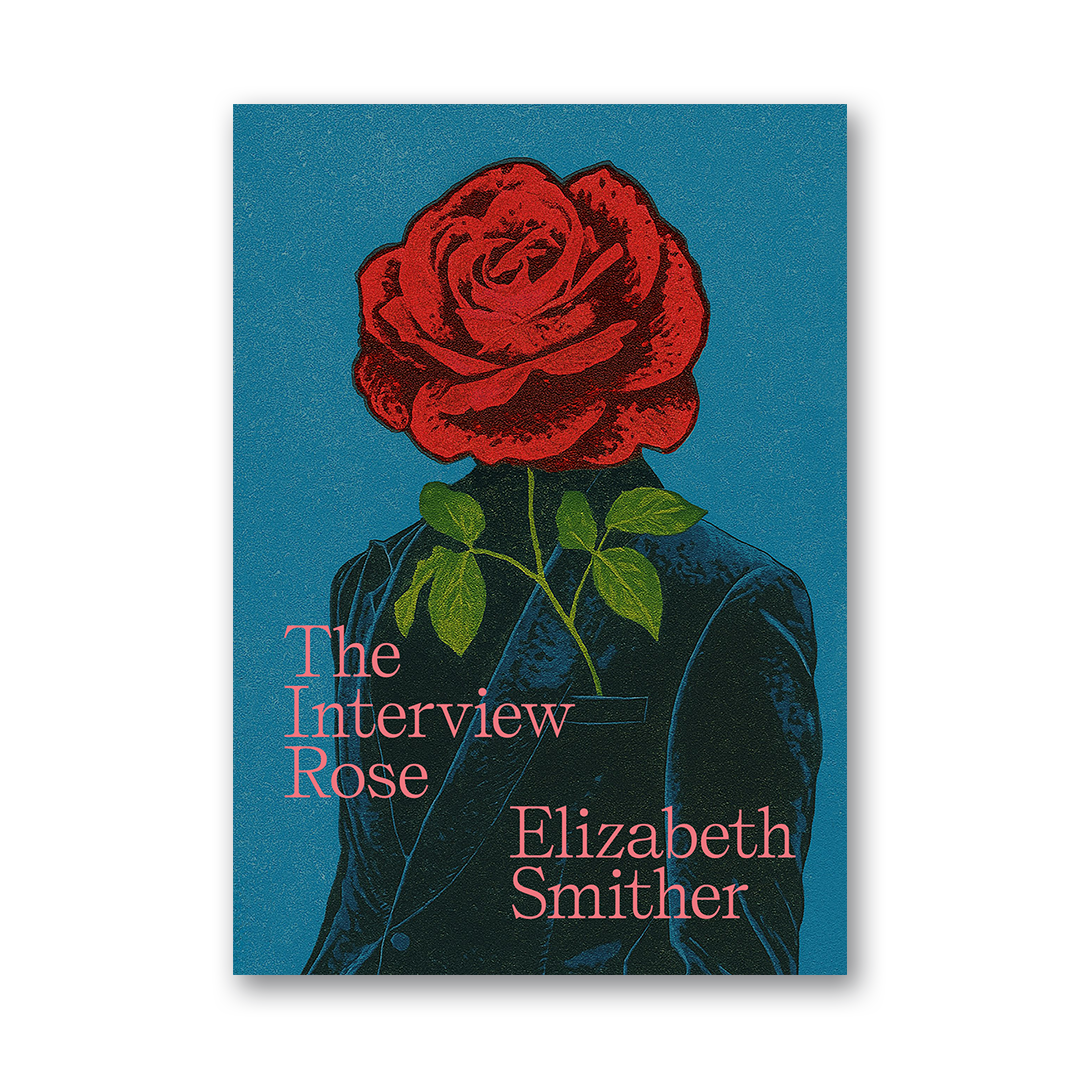
April is here, and the long weekend and long summer days behind us. Kua putu ngā tupu o ngā kai i ngā paenga o ngā māra – this whakataukī, commonly used at this time of year, marked by the appearance of Paengawhāwhā in the morning skies, feels apt for us at AUP as we celebrate the publication of two new books: Elizabeth Smither’s The Interview Rose and Richard Langston’s The Clean: In the Dreamlife You Need a Rubber Soul, both in stores from 9 April.
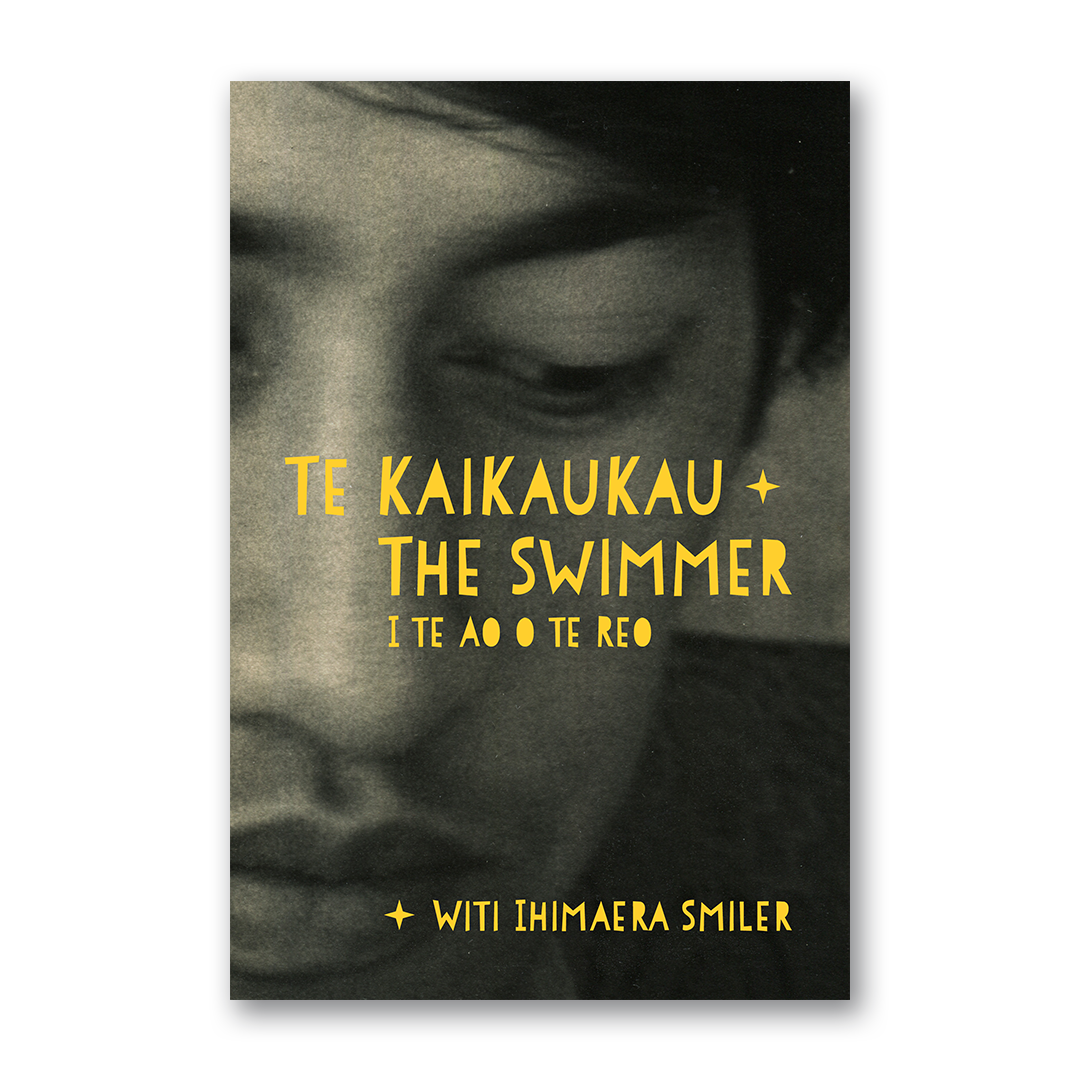
We’re also announcing a title due to be released in May. Te Kaikaukau | The Swimmer is a new memoir from Witi Ihimaera Smiler, exploring the acclaimed author’s year i te ao o te reo as a student of Te Wānanga Takiura, on a journey to learn his language at the age of eighty. It’s a candid, vulnerable and incisive book for contemporary New Zealand from one of our foremost literary voices. It will be in stores from 14 May and Auckland-based readers will be able to hear all about it in Witi’s event at this year’s Auckland Writers Festival on Saturday 16 May.
Keep reading for more news of AUP authors at the festival and in the media (and for a bespoke book–soundtrack for one of our recent titles!).
Kia mataora tātou.
Nā, te whānau o AUP
|
|
| |
NGĀ PUKAPUKA HOU | NEW BOOKS |
|
| |
|
|
|
|
|
|
|
|
|
|
|
The Clean In the Dreamlife You Need a Rubber Soul
Richard Langston
The Clean profoundly changed alternative music: hitting the New Zealand charts for months with a single made for $50, ‘Tally Ho!’; helping establish Flying Nun and a music scene independent of the big labels; pioneering a low-fi, do-it-yourself approach to rock music; and touring internationally to influence bands like Pavement and Yo La Tengo.
Raw and immediate, this is the story as told by members of The Clean and their inner circle – including their good friend, Richard Langston.
In stores 9 April. Join us to celebrate the book at launch events in
Dunedin, Lyttelton, Wellington and Auckland. |
|
| |
|
|
|
|
|
|
|
|
|
|
|
The Interview Rose
Elizabeth Smither
In her twentieth poetry collection, Elizabeth Smither brings together a new ensemble of surprising images and charismatic companions. A herd of cows gathers around a radio to listen wide-eyed to a Mozart concerto. A frog leads us unhurriedly down the garden path. Jane Austen’s Emma makes an appearance. A cat critiques Wittgenstein. And a flamboyant fabric rose rescues a job interview.
Each poem in The Interview Rose is a bridge between the private self and the physical world, travelling the long route through art, religion, philosophy, and the pleasures of language.
In stores 9 April. Join us for the launch event at Lamplight Books. |
|
| |
|
|
|
|
|
|
|
|
|
| | NGĀ PUKAPUKA E WHAI AKE NEI | FORTHCOMING BOOKS |
|
| |
|
Te Kaikaukau│The Swimmer I te Ao o Te Reo
Witi Ihimaera Smiler
Novelist, memoirist and playwright Witi Ihimaera – author of Pounamu, Pounamu and The Whale Rider – decided, at the age of eighty, to dive back into the water and spend a year full time at Te Wānanga Takiura, immersing himself in his own language, in te reo Māori.
A riveting and revealing memoir, Te Kaikaukau | The Swimmer sparkles with whaikōrero and whakataukī and is written for all – Māori and Pākehā, fluent reo Māori speakers and those for whom the language is still a mystery, a dream, an aspiration. It is the story of a Māori New Zealander reclaiming his voice, history and whakapapa in contemporary Aotearoa.
In stores 14 May. |
|
| |
|
|
|
|
|
|
|
|
|
| | NGĀ KAUPAPA | UPCOMING EVENTS |
|
| |
|
|
|
|
|
|
|
|
|
| ‘The Biggest Names in Books are Coming to AWF26’ – including three AUP authors
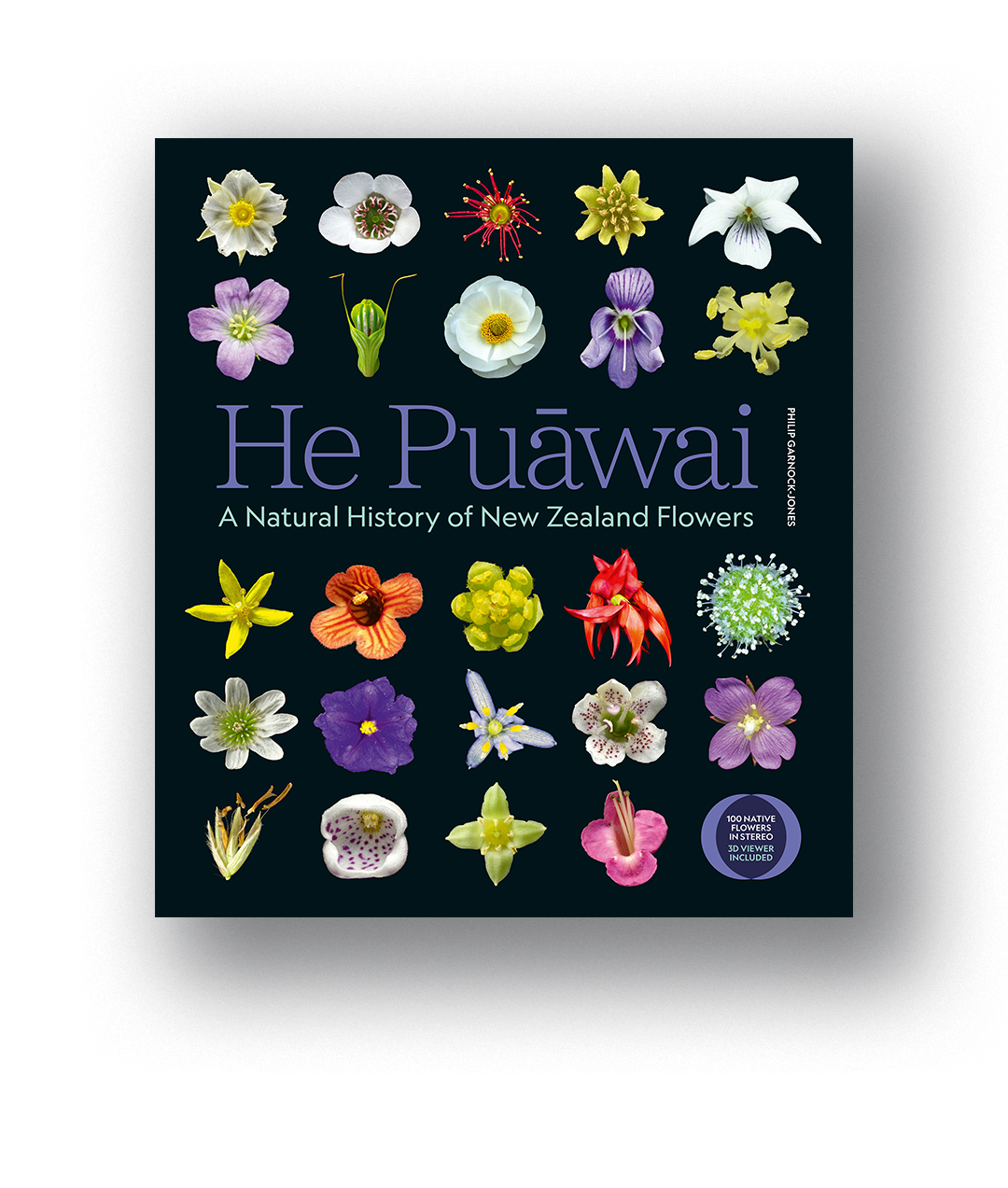
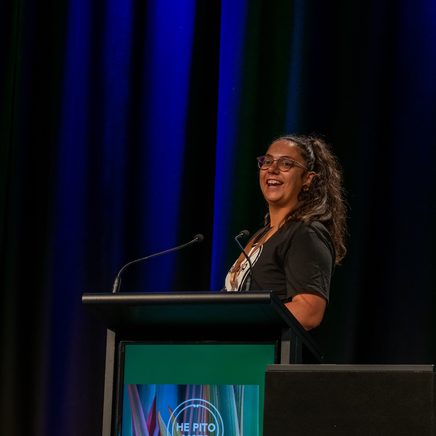
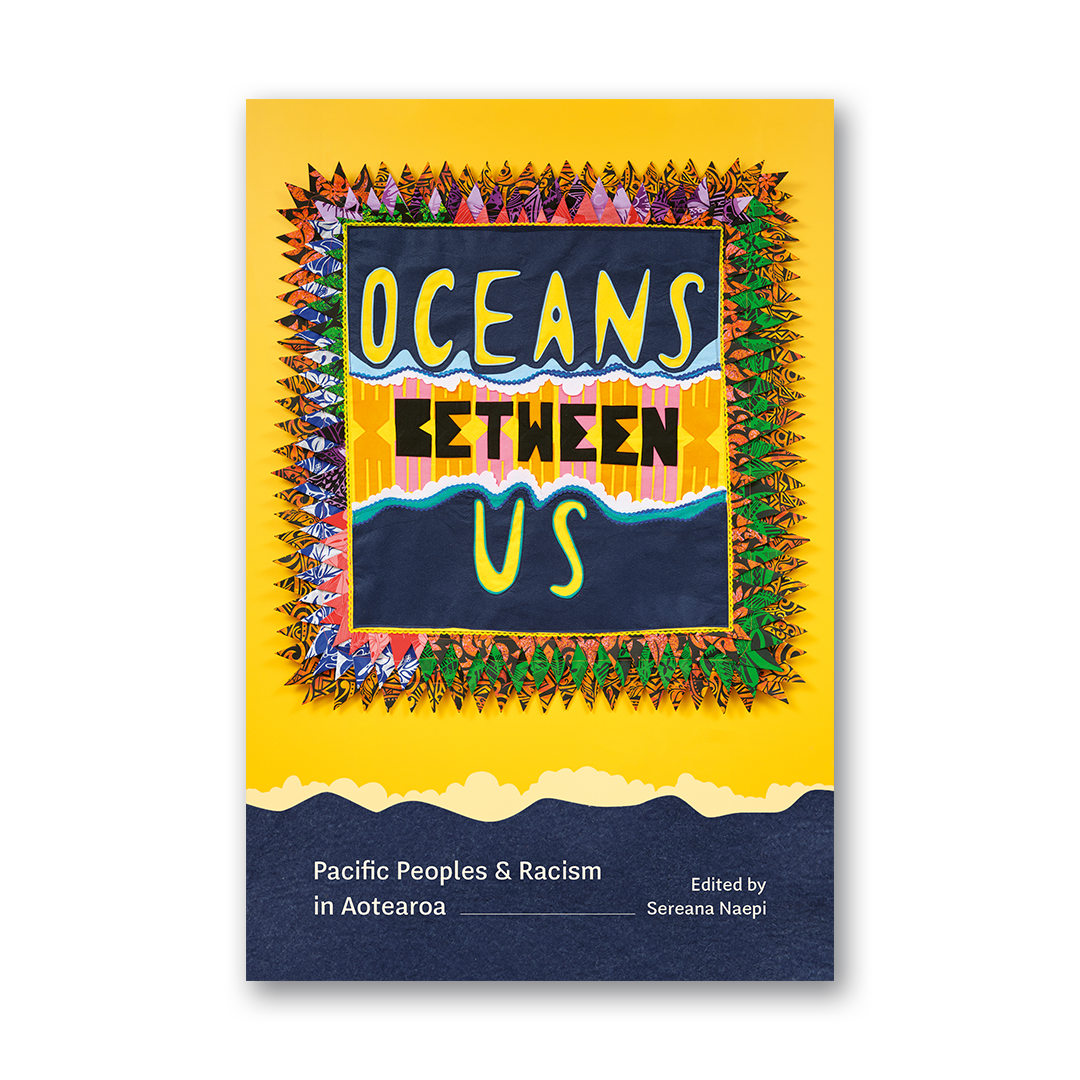
The Auckland Writers Festival is on next month, bringing together the best of local and international authors to readers of all kinds Auckland-wide. Philip Garnock-Jones and Sereana Naepi are featured in the programme, speaking about books published last year: Phil’s Ockham-shortlisted He Puāwai: A Natural History of New Zealand Flowers, and Sereana’s anthology of incisive essays on racism in Aotearoa as experienced by its Moana communities, Oceans Between Us.
Just days after the book’s release, Witi Ihimaera Smiler will be joined by Stacey Morrison to discuss his latest memoir, Te Kaikaukau │The Swimmer: I te Ao o Te Reo. |
|
| | | Philip
Garnock-Jones in conversation with Sonya Wilson
Friday 15 May, 1pm
Herald Theatre Aotea Centre Auckland CBD |
|
| |
| |
|
|
|
|
|
|
|
|
| | | Sereana Naepi in conversation with Zech Soakai
Saturday 16 May, 10am
Limelight Room Aotea Centre Auckland CBD |
|
| |
| |
|
|
|
|
|
|
|
|
| | | Witi Ihimaera Smiler in conversation with Stacey Morrison
Saturday 16 May, 10am
Kiri Te Kanawa Theatre Aotea Centre Auckland CBD |
|
| |
| |
|
|
|
|
|
|
|
|
| | WHAKAATU PĀPĀHOU | RECENT NEWS |
|
| |
|
|
|
|
|
|
|
|
|
| | ‘A priest, a psychology professor and an atheist walk into a social experiment. Funnily enough, they’re all the same person.’ – Paul Little on Niki Harré’s The Calling in the Listener
Last week’s issue of the Listener featured a four-page story about Niki Harré’s latest book The Calling (published 12 March). Read the article to learn more about what prompted Niki’s year-long experiment in becoming a secular priest and what she learned as the project unfolded.
Read the article via the Listener’s website or on PressReader (available for most library users). |
|
| | | ‘Something, we gradually realise, is happening, as terrible as quicksand’ – Anna Jackson on Helen Rickerby’s My Bourgeois Apocalypse
Friday, 13 March – readers descended on an off-Cuba bar to celebrate the latest collection of poetry by Helen Rickerby, My Bourgeois Apocalypse, rewarded with readings from Helen, a soundtrack of 80s hits and a launch speech of characteristic lucidity and generosity from Anna Jackson, excerpted below: |
|
|
‘Anxiety and grief are mixed up with more mundane worries about a missing wallet, the status of pine trees, conversations with friends, and in poem 36, titled, “His Last Phone Call Was A Mixture of Comedy and Tragedy, But So Is Life,” the short space between the question, is he dying, and the “next thing that happened,” the nurses preparing the body for the mortuary, is filled with comments on her fingernail polish (blue) and a desire to start doing writing exercises again. Calling herself “Sulky McSulkypants” seems extraordinarily hard on herself at a time like this, and, at the same time, disquietingly lighthearted – not many writers would allow themselves such a shift in register. But Helen is more interested in honesty than convention, and this is a bracingly unconventional book.’ |
|
| | | | |
|
|
|
|