Discover games in the Museum's collection 
View this email online

Let’s play! Discover games throughout history 

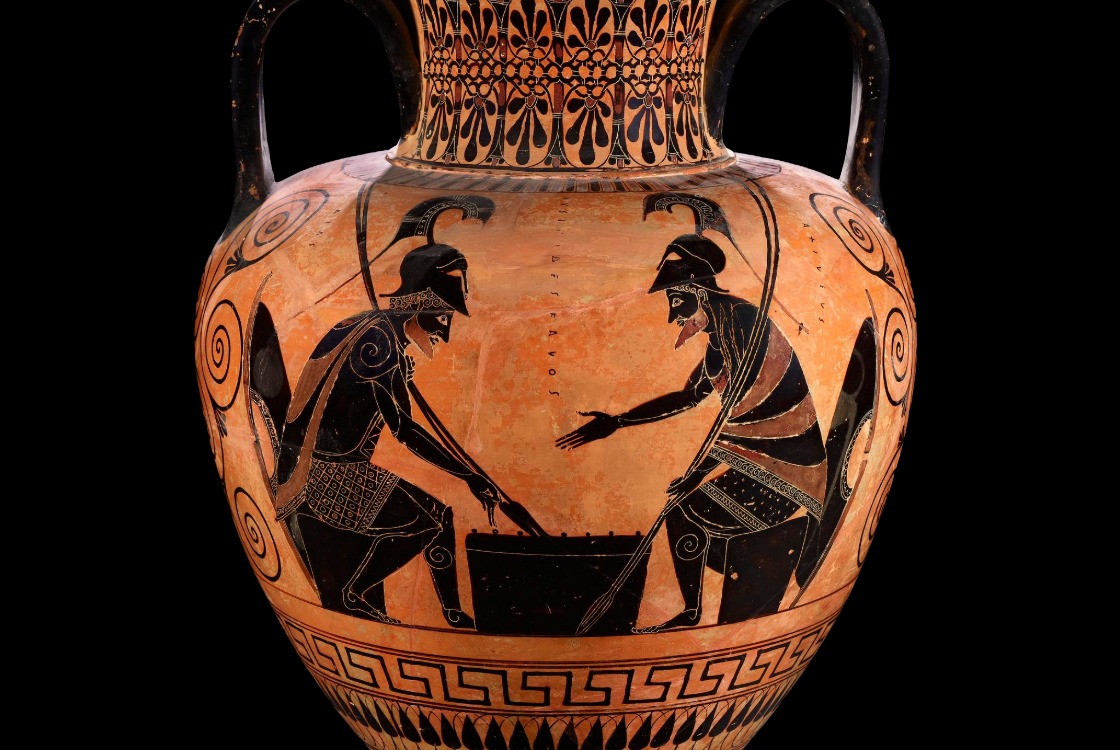
A black-figure amphora showing Ajax and Achilles playing a game.

Dear Andrew,

In this week’s email, we’re exploring games throughout history, including some you might still play today! For thousands of years, people have used games to have fun, make friends, and think in new ways.

Read on to…
🐫 Make and play your own Silk Roads board game
💵 Discover fun games that teach you about money
✂️ Create your very own mancala board
🤼Host a mini Olympic Games

For our older Young Friends, watch curator Joe Nickols play video games inspired by Samurai. Explore real places, meet historical figures, and discover amazing samurai legends. Plus check out 10 historical board games!

Explore more below to get started! 

The Young Friends and Schools and Family Programmes Teams

Activities to try at home

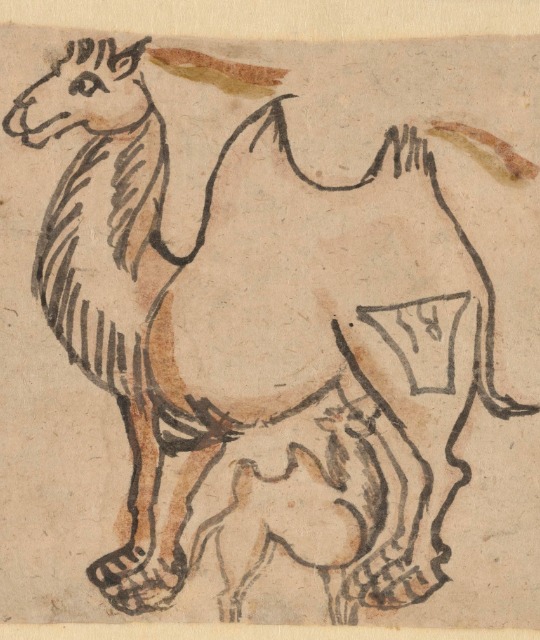
A sketch showing two camels.

Silk Roads board game

Inspired by snakes and ladders, this board game delves into the history of the Silk Roads, perfect for enjoying with others.

Play now
white_arrow
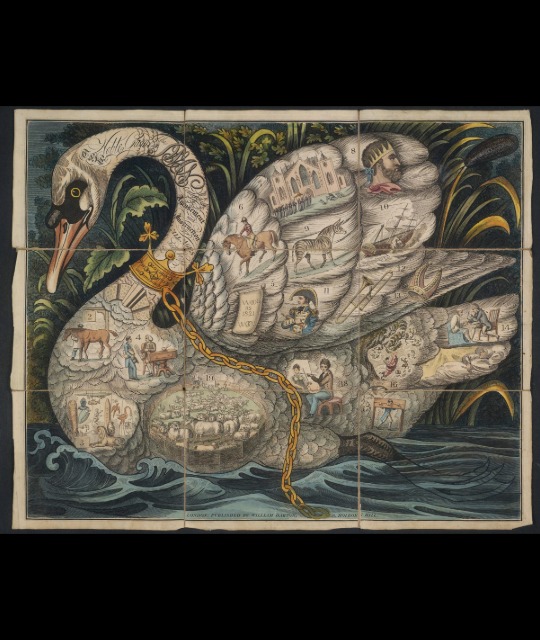
The Noble Game of the Swan board game.

Money, money, money

Discover historic board games that have helped us learn about money and design your own version.

Learn more
white_arrow
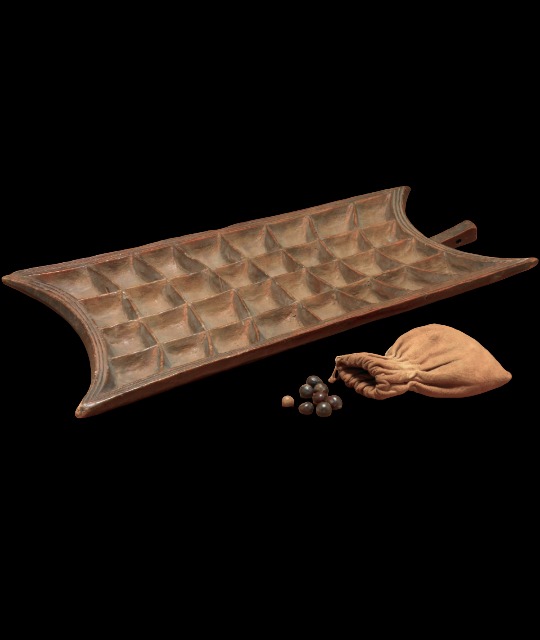
Mancala board made of wood.

Make a mancala board game 

Played across the world, mancala games date back to 500–700 AD. Discover how to play using your own mancala board!

Create now
white_arrow
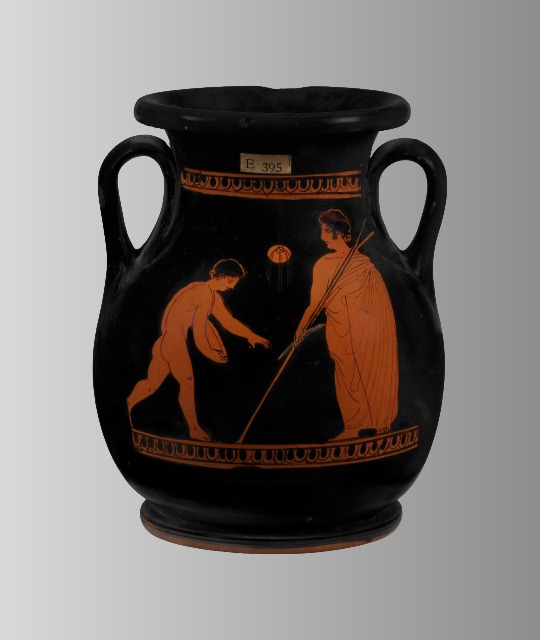
Red-figured Greek storage-jar featuring a discobolos.

Olympic games 

The Olympics started in Greece and were held every four years from 776 BC, just as modern-day games are now! Host your own games with this activity. 

Explore more
white_arrow

Some of these articles are taken from Remus magazine, and may reference past displays or exhibitions – check our website before planning a visit. Visit our digital archive to dive into new and past issues of Remus.

Older Young Friends

Ages 14+

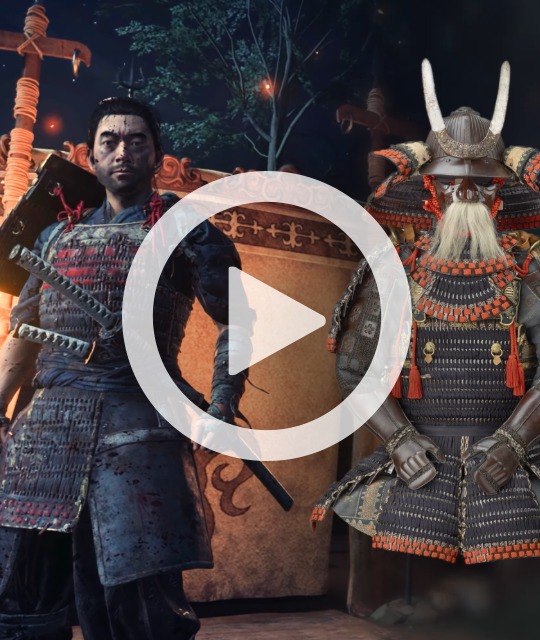
A samurai character from the video game Ghost of Tsushima next to a samurai suit of armour from the British Museum's collection.

Samurai games 

Join curator Joe Nickols, as we explore how samurai history is reimagined in modern games. Visit real locations, meet historical figures, and discover samurai legends.*

Watch now
white_arrow
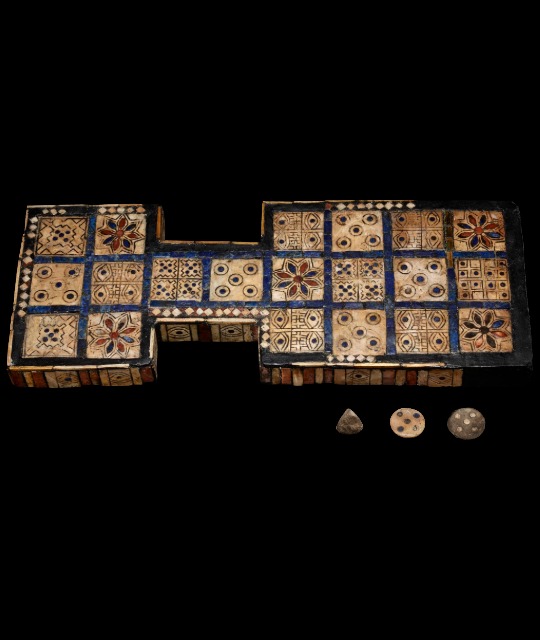
Wood and shell Royal Game of Ur set.

Top 10 historical board games 

Try your hand at ten games spanning over 5,000 years of history – including games still played today, like the Game of Ur, senet, warri, mahjong and chess.

Learn more
white_arrow

*The video games mentioned in this YouTube video are rated between teen and mature. Adult discretion is advised - please see the video description for more information.

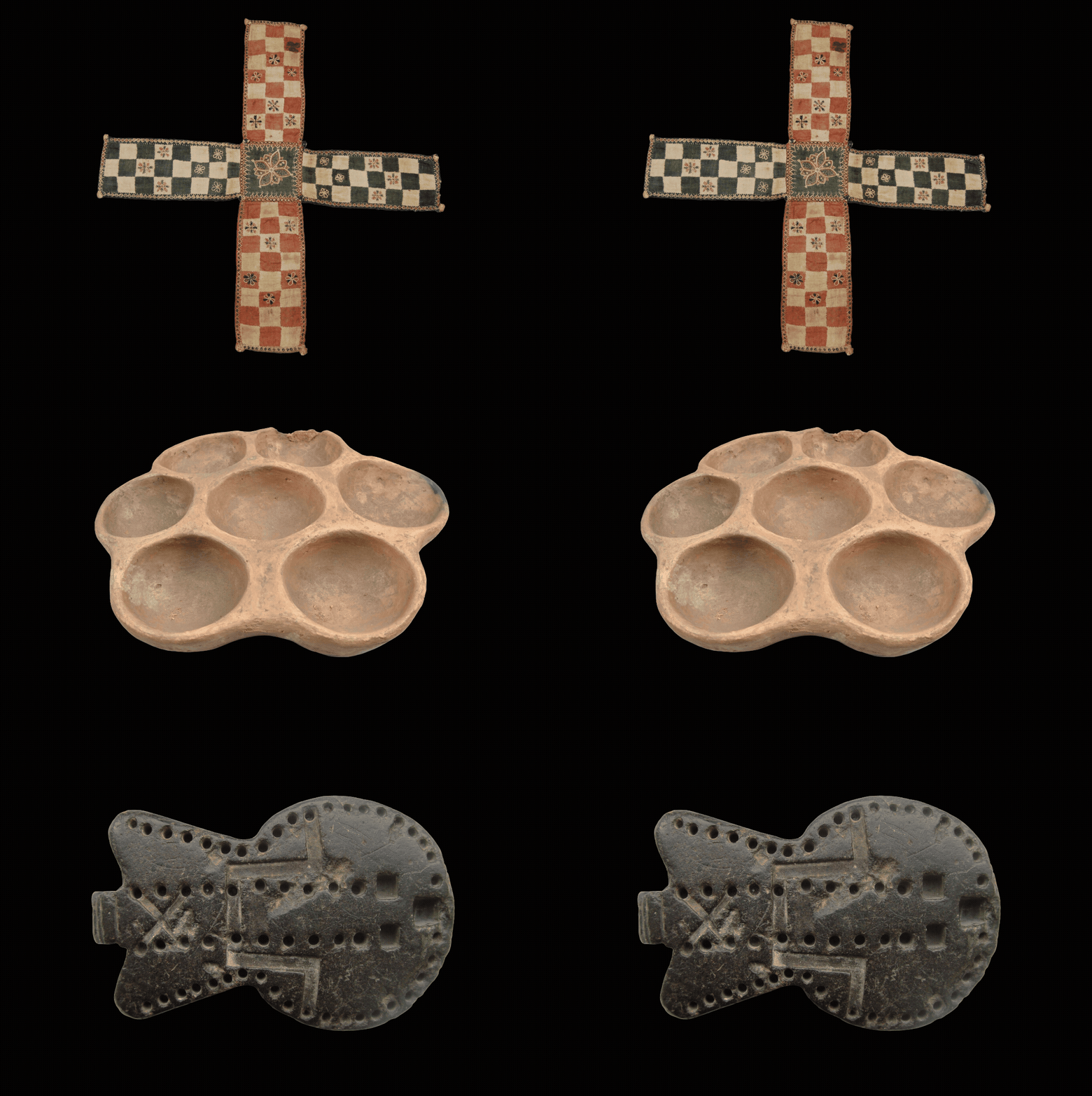
Game board Pachisi; Mancala bowl with 7 cavities made of pottery; Stone game-board for the Game of 58 holes.

Find the connection in the collection

Can you match each game to its date? The pictures above show pachisi, mancala and the game of 58 Holes, but which one comes from 6000 BC, 2000 BC and 400 AD?

Read on to find out.

What's on at the Museum? 

Samurai steps and stomps

Ages 5 and under

Duck, dive and dance in this family-friendly interactive workshop inspired by the five-star Samurai exhibition.  

Children and grown-ups are invited to create and explore movements together in this workshop by dance company Wee Movers. No previous dance experience is required.

Free, advanced booking required. 

Tuesday 24 March
10.30–11.15
11.30–12.15

Book now
white_arrow
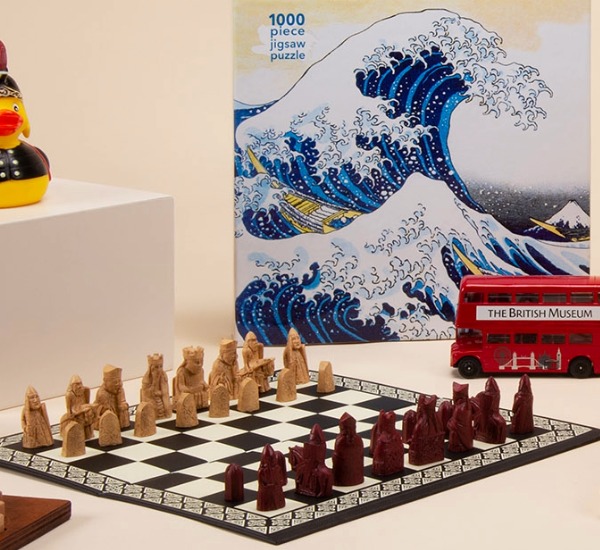
A collection of items from the British Museum shop.

British Museum shop

Games

Bring the past into play with museum games and jigsaw puzzles from the British Museum Shop. 

Explore now
white_arrow

Connection in the collection answers 

➕Pachisi began in ancient India around 400 AD and later spread across Asia, Europe and Africa. This board came from Sri Lanka. Players form two teams and race their pieces around a cross‑shaped board using dice.

🪨Mancala has been played in Africa since around 6000 BC. This Ghanaian board was made in the 1930s. It’s a two‑player ‘count and capture’ game using stones, seeds or beans.

🐫The Game of 58 Holes dates to around 2000 BC. Played in ancient Egypt and beyond, it’s a two‑player race game using peg pieces that move around the board

Connect with us

Images:

A black-figure amphora showing Ajax and Achilles playing a game. The Lysippides Painter, Attica (Greece), around 530 BC.

Sketch showing envoys with horse and camel, China, AD 966.

The Noble Game of the Swan, 1821.

Mancala board made of wood, Uganda.

Red-figured pelike (storage-jar) featuring a discobolos, Greece, about 440–420 BC.

Suit of armour. Steel, lacquer, gold, shakudō, iron, gilt bronze, gilt and silvered copper, cotton, silk brocade, stencilled doe-skin, gilt-leather linings, horn toggles, Japan, 1750–1850 © Royal Collection Enterprises Limited 2026 | Royal Collection Trust

The Royal Game of Ur. Wood and shell, found in the Royal Cemetery of Ur, south Iraq, 2600–2400 BC.

Game board Pachisi, Sri Lanka. 

Mancala bowl with 7 cavities made of pottery, Ghana, 1930s. 

Stone game-board for the Game of 58 holes, Iran.

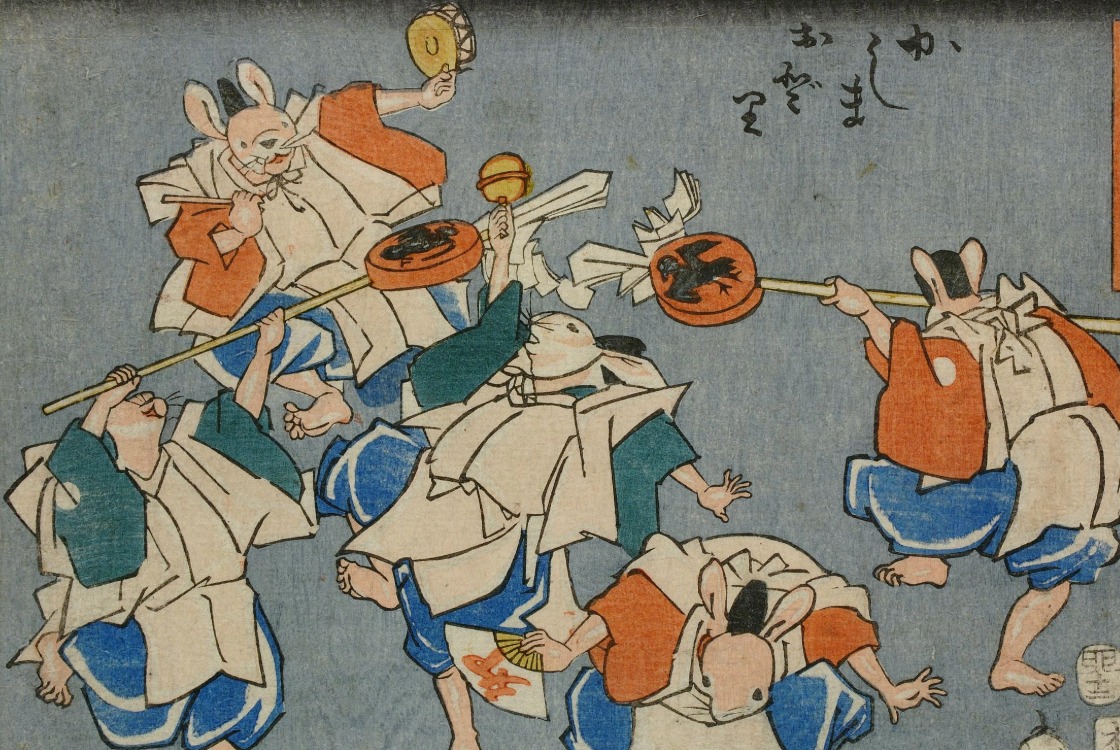
Utagawa Kuniyoshi (1797–1861), U Kashima-odori. Colour woodblock print, 1855.


Contact us
[email protected]

Office opening hours
Monday–Friday: 10.00–16.00
Closed: weekends and bank holidays

The British Museum Friends is a registered charity and company limited by guarantee which exists to support the British Museum.

Registered charity number 1086080
Company registration number 04133346


Unsubscribe from Young Friends emails  |  Privacy policy
© 2026 The Trustees of the British Museum