Make a mandala, discover Hindu mythology and much more...
View this email online

Explore Ancient India: living traditions

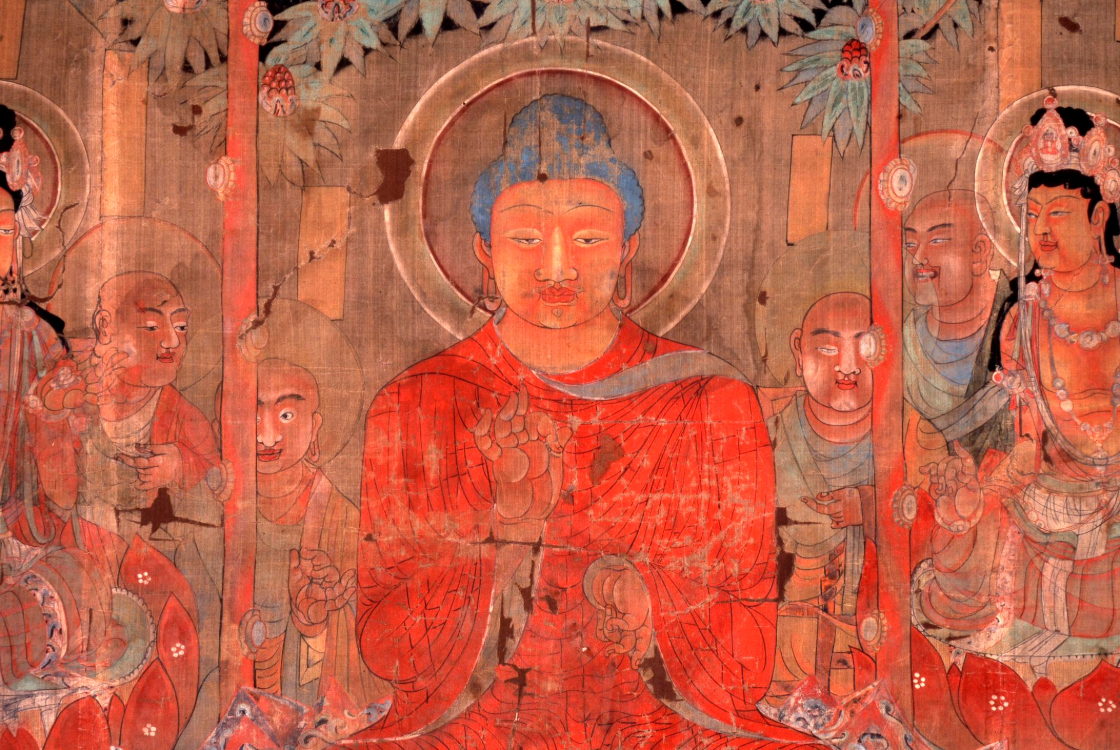
Silk watercolour painting of the Buddha.

Dear Andrew,

Our latest major exhibition, Ancient India: living traditions (until 19 October) has now opened! Reaching back more than 2,000 years, this colourful, multi-sensory and atmospheric exhibition explores the origins of sacred art in India.

This week you can...
🐘 Make your own mandala
🐘 Discover Hindu mythology
🐘 Explore the South Asian collection

For older Young Friends, you can explore the history of snakes and ladders with Sushma Jansari, lead curator of Ancient India: living traditions. And don't fret, there's a musical treat with the latest connections in the collection quiz.

There are also lots of fun family activities and events you can try at the Museum. Take a look at our family visits webpage to discover a trail or mission to inspire your future visit. Under-fives can also join the Little Feet teddies in our exhibition.

And lastly, the deadline to apply to the Young Readers Book Club is Sunday 8 June. Following this date, successful applicants will receive an email from the Young Friends team. If you have already completed the application form then there's no need to do so again.

Read on to get involved!

The Young Friends and The Schools and Family Programmes Teams

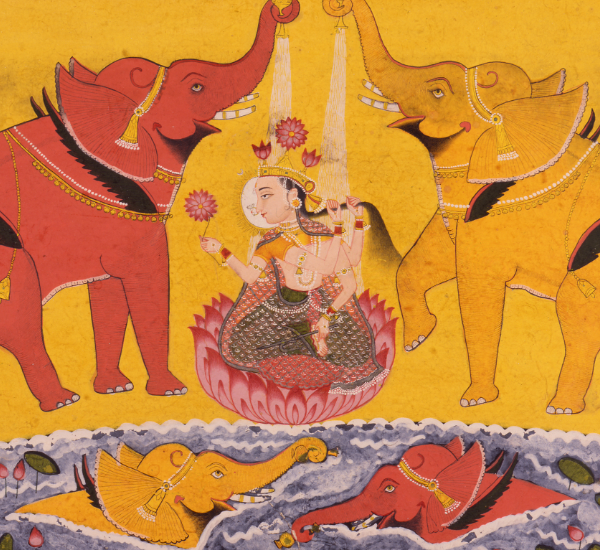
Painting Gajalakshmi (the goddess of good fortune) being showered with water by two elephants from their trunks.

Ancient India:
living traditions

Plan your visit to our latest major exhibition. Remember, kids under 16s go free with an adult Member or ticket holding adult!

Find out more
white_arrow

Activities to try at home

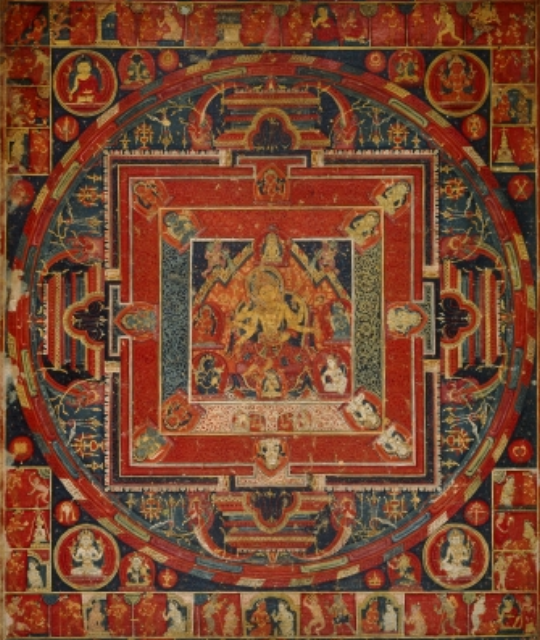
Textile painting of Vasudhara (goddess of abundance and consort of Jambhala).

Make a mandala

Mandala means 'circle' in Sanskrit and represents harmony with the universe - why not make your own?

Get making
white_arrow
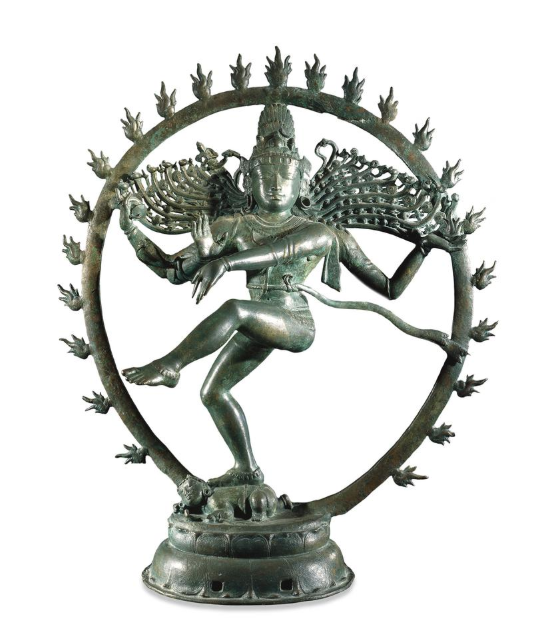
Copper-alloy figure of the god Shiva as Lord of the Dance.

Discover Hindu mythology

Meet the incredible gods and goddesses of Hindu mythology and discover terrific tales.

Get reading
white_arrow

These articles are taken from RemusVisit our digital archive to dive into new and past issues of our magazine for young people.

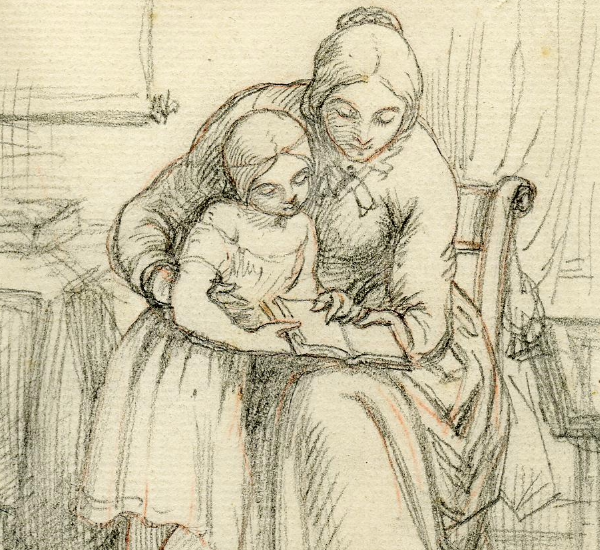
Sketch of a woman and child sat reading a book together.

Young Readers
Book Club

This is your final opportunity to apply for our book club, with the chance of claiming a free book and featuring in our Remus magazine. Use the form to apply and find out more information.

Apply now
white_arrow

Find the connection in the collection!

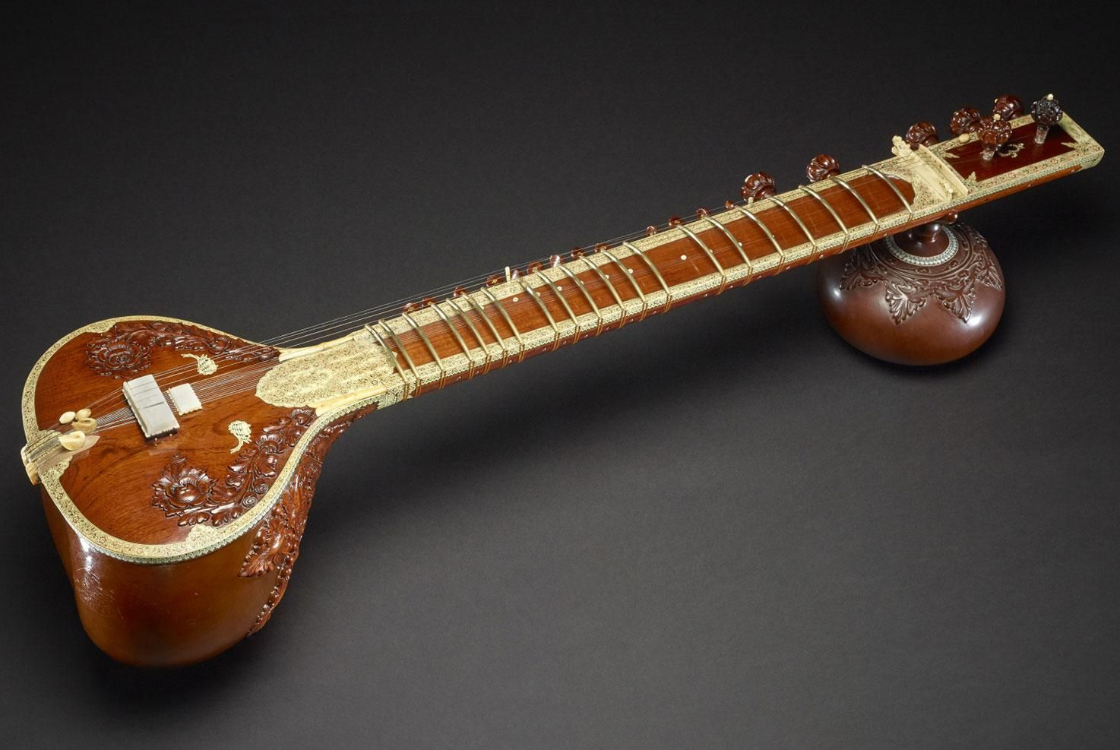
Pictured below is a traditional instrument that became popular in Mughal India - do you know what it's called? 

Hint: think of a guitar but with lots more strings!

A sitar against a dark background.
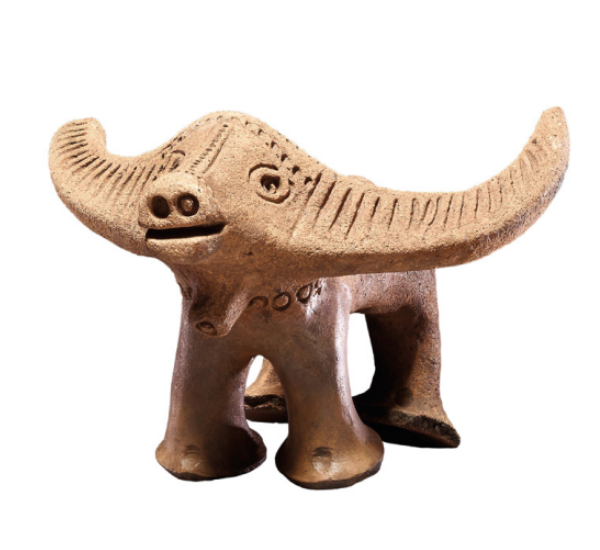
Smiling buffalo figure made of incised earthenware.

Museum Explorers

Dance, laugh and practise your counting as you embark on an adventure through Asia! What fascinating things will you find on your way?

Explore now
white_arrow
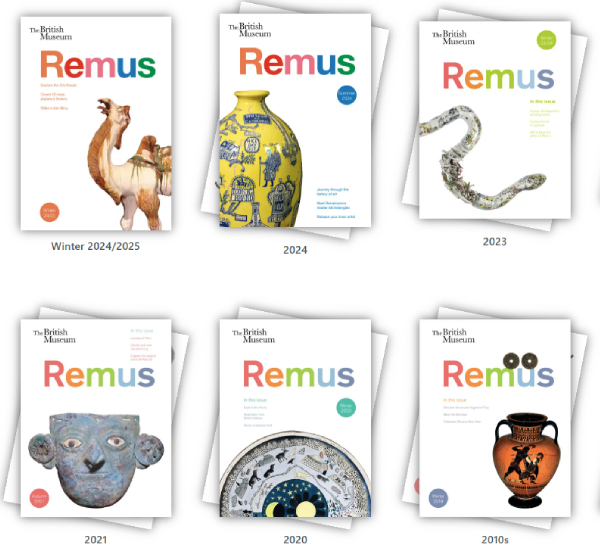
Collection of Remus magazines against white background.

Remus digital archive

Visit our digital archive to dive into new and past issues of our magazine for young people.


Visit now
white_arrow

Older Young Friends

Ages 14+

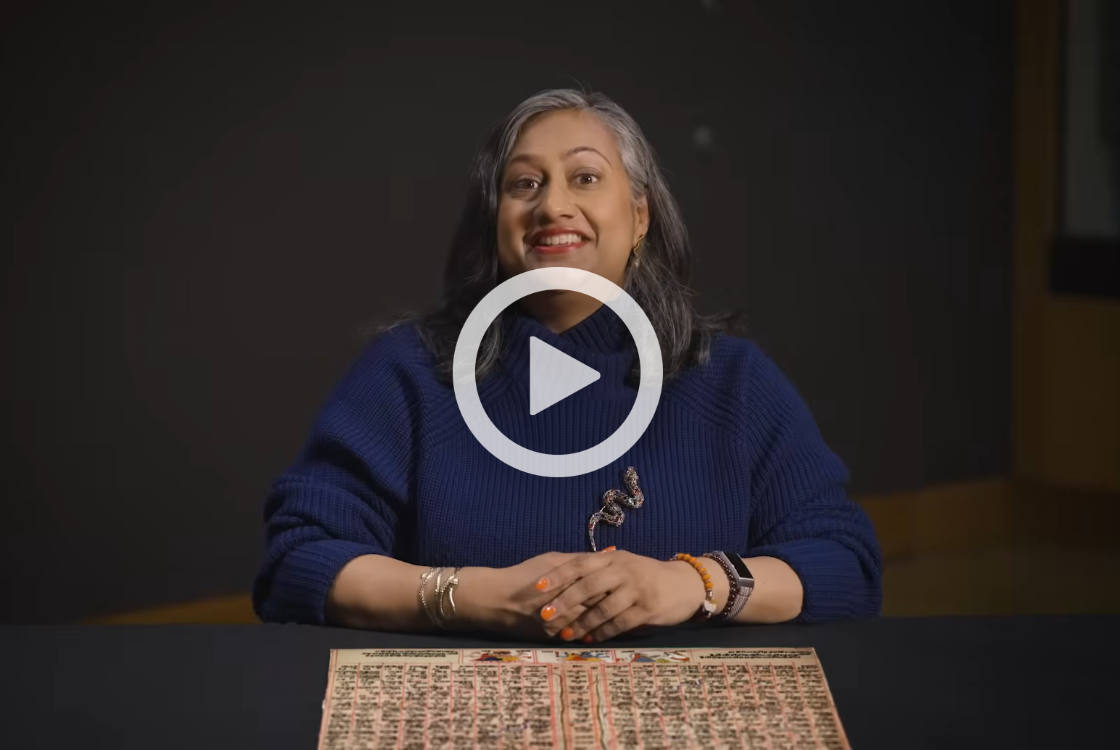
Play button over curator Sushima Jansari.

Curator's corner

Why Snakes in Snakes and Ladders?

Join curator Sushma Jansari as she takes you on a tour of just some of the Sacred Snakes and Serpents of the devotional religions of Ancient India; Buddhism, Hinduism and Jainism.

Watch now
white_arrow

More to explore at the Museum

Young visitors at a Little Feet event.

Little Feet: exhibition explorer

The teddies are heading on an adventure to explore Ancient India: living traditions. Will you and your little ones join them?

Spot elephants and peacocks, play traditional games, explore beautiful patterns and get creative making your own artwork to take home. These drop-in sessions provide a welcoming space for families to enjoy themed activities together – no booking required.

Suitable for under 5s.

Saturday 26 June 2025, 10.30–12.00

Find out more
white_arrow

Connection answer

🎵 It's a sitar!

🎵 There is some debate about when the sitar was invented, with examples from across the 16th to 18th century. 

🎵 A sitar has between 18 and 21 strings – the name originates from the Persian word sehtar, meaning “three-stringed".

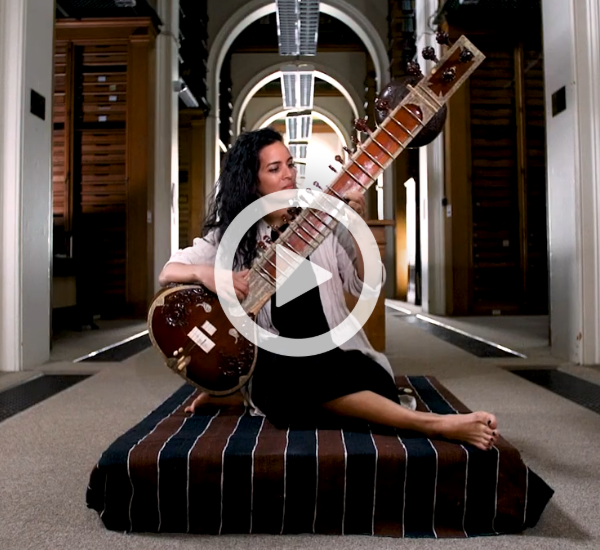
🎵 One of the most famous sitarist was Ravi Shankar. His daughter, Anoushka Shankar, donated a sitar to the British Museum and it's on display in Room 33.

Play button on Anoushka Shankar with a sitar.

Hear master sitarist Anoushka Shankar play at the British Museum. 

Watch now
white_arrow

Connect with us

Images:

Silk watercolour painting of the Buddha, China, about AD 701–750.

Gajalakshmi (the goddess of good fortune). Gouache painting on paper, India, about 1780.

Textile painting of Vasudhara, Tibet, 1500.

Copper-alloy figure of the god Shiva as Lord of the Dance. Tamil Nadu, India, about 1100.

Sitar of Pandit Ravi Shankar (1920–2012). Commissioned by Shankar from the instrument maker Nodu Mullick in Calcutta. Made in 1961.

Buffalo figure made of incised earthenware, India, 1st–2nd century AD.

Little Feet event © Photo by Benedict Johnson.

Photograph of Anoushka Shankar at the British Museum.

Contact us:
[email protected]

Office opening hours
Monday–Friday: 10.00–16.00
Closed: weekends and bank holiday

The British Museum Friends is a registered charity and company limited by guarantee which exists to support the British Museum.

Registered charity number 1086080
Company registration number 04133346


Unsubscribe from Young Friends emails  |  Privacy policy
© 2025 The Trustees of the British Museum