Plus, a debate on Pentagon spending and continued instability in the Middle East. ͏  ͏  ͏  ͏  ͏  ͏  ͏  ͏  ͏  ͏  ͏  ͏  ͏  ͏  ͏  ͏  ͏  ͏  ͏  ͏  ͏  ͏  ͏  ͏  ͏  ͏  ͏  ͏  ͏  ͏  ͏  ͏  ͏  ͏  ͏  ͏  ͏  ͏  ͏  ͏  ͏  ͏  ͏  ͏  ͏  ͏  ͏  ͏  ͏  ͏  ͏  ͏  ͏  ͏  ͏  ͏  ͏  ͏  ͏  ͏  ͏  ͏  ͏  ͏  ͏  ͏  ͏  ͏  ͏  ͏  ͏  ͏  ͏  ͏  ͏  ͏  ͏  ͏  ͏  ͏  ͏  ͏  ͏  ͏  ͏  ͏  ͏  ͏  ͏  ͏  ͏  ͏  ͏  ͏  ͏  ͏  ͏  ͏  ͏  ͏  ͏  ͏  ͏  ͏  ͏  ͏  ͏  ͏  ͏  ͏  ͏  ͏  ͏  ͏  ͏  ͏  ͏  ͏  ͏  ͏ ­ ­ ­ ­ ­ ­ ­ ­ ­ ­ ­ ­ ­ ­ ­ ­ ­ ­ ­ ­ ­ ­ ­ ­ ­ ­ ­ ­ ­ ­ ­ ­ ­ ­ ­ ­ ­ ­ ­ ­ ­ ­ ­ ­ ­ ­ ­ ­ ­ ­ ­ ­ ­ ­ ­ ­ ­ ­ ­ ­ ­ ­ ­ ­ ­ ­ ­ ­ ­ ­ ­ ­ ­ ­ ­ ­ ­ ­ ­ ­ ­ ­ ­ ­ ­ ­ ­ ­ ­ ­ ­ ­ ­ ­ ­ ­ ­ ­ ­ ­ ­ ­ ­ ­ ­ ­ ­ ­ ­ ­ ­ ­ ­ ­ ­ ­ ­ ­ ­ ­ ­ ­ ­ ­ ­ ­ ­ ­ ­ ­ ­ ­ ­ ­ ­ ­ ­ ­ ­ ­ ­ ­ ­ ­ ­ ­ ­ ­ ­ ­ ­ ­ ­ ­ ­ ­ ­ ­ ­ ­ ­ ­ ­ ­ ­ ­ ­ ­ ­ ­ ­ ­ ­ ­ ­ ­ ­ ­ ­ ­ ­ ­ ­ ­ ­ ­ ­ ­ ­ ­ ­ ­ ­ ­ ­  


View in browser
Brookings Brief

June 25, 2026

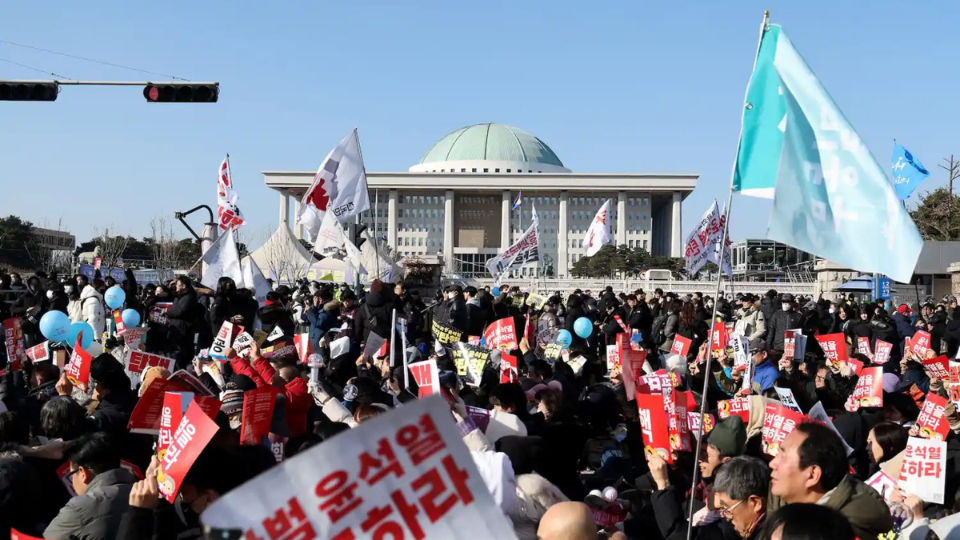
SEOUL, SOUTH KOREA - DECEMBER 14: Protesters call for the impeachment of South Korean President Yoon Suk Yeol in front of National Assembly on Dec. 14, 2024 in Seoul, South Korea. (Photo by Han Myung-Gu/Getty Images)

From martial law to democratic renewal in South Korea


South Korea’s response to its 2024 martial law crisis offers valuable lessons on how democratic systems can withstand periods of intense political stress. Andrew Yeo and Hanna Foreman examine how its constitutional checks on the executive branch, civil society pressure, and military restraint helped the country navigate one of its most significant political crises in decades.

Read more
 

More on security and defense


A new debate over Pentagon funding. A proposed $350 billion boost to Pentagon funding raises concerns about how such resources should be allocated and overseen. Michael O’Hanlon argues the extra funding could be appropriate if distributed gradually over the next decade with proper congressional oversight, but warns against giving the Pentagon no-strings-attached authority.


The cycle of violence in the Middle East. The war in Iran has reshaped regional politics in the Middle East and shifted diplomatic attention away from the Israeli-Palestinian conflict, even as conditions on the ground worsen. In our ongoing series on the impacts of the Iran war, Hady Amr writes that unresolved structural inequities in Israel-Palestine must be addressed by Washington and regional governments to help ease broader tensions and instability in the region.


About Brookings


The Brookings Institution is a nonprofit organization based in Washington, D.C. Our mission is to equip decisionmakers with nonpartisan research and policy strategies to create a more prosperous and secure country and world. If you were forwarded this email, sign up for the Brookings Brief to stay updated on our latest work.

 
X/Twitter
Facebook
Instagram
LinkedIn
Brookings

The Brookings Institution,1775 Massachusetts Ave NW, Washington, DC 20036

Unsubscribe | Manage newsletter subscriptions 

The conclusions and recommendations of any Brookings publication are solely those of its author(s), and do not reflect the views of the Institution, its management, or its other scholars.