Plus, federal benefits eligibility and noncitizen voting. ͏  ͏  ͏  ͏  ͏  ͏  ͏  ͏  ͏  ͏  ͏  ͏  ͏  ͏  ͏  ͏  ͏  ͏  ͏  ͏  ͏  ͏  ͏  ͏  ͏  ͏  ͏  ͏  ͏  ͏  ͏  ͏  ͏  ͏  ͏  ͏  ͏  ͏  ͏  ͏  ͏  ͏  ͏  ͏  ͏  ͏  ͏  ͏  ͏  ͏  ͏  ͏  ͏  ͏  ͏  ͏  ͏  ͏  ͏  ͏  ͏  ͏  ͏  ͏  ͏  ͏  ͏  ͏  ͏  ͏  ͏  ͏  ͏  ͏  ͏  ͏  ͏  ͏  ͏  ͏  ͏  ͏  ͏  ͏  ͏  ͏  ͏  ͏  ͏  ͏  ͏  ͏  ͏  ͏  ͏  ͏  ͏  ͏  ͏  ͏  ͏  ͏  ͏  ͏  ͏  ͏  ͏  ͏  ͏  ͏  ͏  ͏  ͏  ͏  ͏  ͏  ͏  ͏  ͏  ͏ ­ ­ ­ ­ ­ ­ ­ ­ ­ ­ ­ ­ ­ ­ ­ ­ ­ ­ ­ ­ ­ ­ ­ ­ ­ ­ ­ ­ ­ ­ ­ ­ ­ ­ ­ ­ ­ ­ ­ ­ ­ ­ ­ ­ ­ ­ ­ ­ ­ ­ ­ ­ ­ ­ ­ ­ ­ ­ ­ ­ ­ ­ ­ ­ ­ ­ ­ ­ ­ ­ ­ ­ ­ ­ ­ ­ ­ ­ ­ ­ ­ ­ ­ ­ ­ ­ ­ ­ ­ ­ ­ ­ ­ ­ ­ ­ ­ ­ ­ ­ ­ ­ ­ ­ ­ ­ ­ ­ ­ ­ ­ ­ ­ ­ ­ ­ ­ ­ ­ ­ ­ ­ ­ ­ ­ ­ ­ ­ ­ ­ ­ ­ ­ ­ ­ ­ ­ ­ ­ ­ ­ ­ ­ ­ ­ ­ ­ ­ ­ ­ ­ ­ ­ ­ ­ ­ ­ ­ ­ ­ ­ ­ ­ ­ ­ ­ ­ ­ ­ ­ ­ ­ ­ ­ ­ ­ ­ ­ ­ ­ ­ ­ ­ ­ ­ ­ ­ ­ ­ ­ ­ ­ ­ ­ ­  


View in browser
Brookings Brief

July 25, 2026

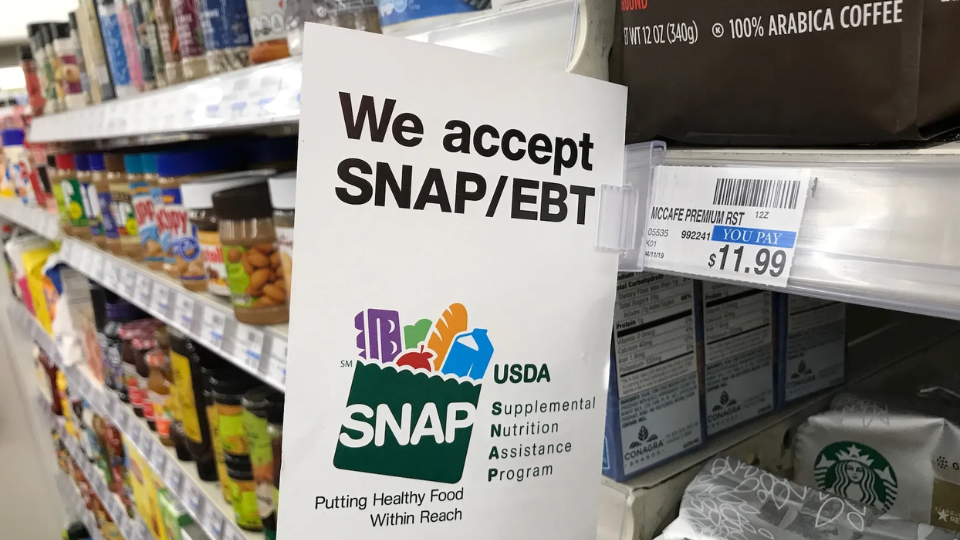
Image depicting a SNAP sign in a grocery store.

Measuring immigrant participation in public benefits


There is no clear consensus among researchers on how best to measure immigrant participation in U.S. public benefit programs, even though the issue shapes public perception of government assistance, affects estimates of immigration’s fiscal impact, and informs policy debates.


Using their recommended estimation method, Sasha Snyder and Tara Watson find that immigrants use benefits at lower rates than citizens, despite being more concentrated at the bottom of the income distribution, where these programs are targeted. The persistence of lower benefit use among low-income non-citizens suggests that existing eligibility restrictions already meaningfully limit program access for immigrants.

Read more
 

More on immigration policy


Assessing the federal actions affecting immigrants and their families. Mark Greenberg offers some historical background on non-citizens' eligibility for federal benefits and discusses the potential effects of new restrictions created through the One Big Beautiful Bill Act and executive orders, as well as stated administration intentions to further restrict access to services and assistance.


Why so few non-citizens try to vote. The Safeguard American Voter Eligibility Act—the SAVE Act— would require Americans to provide documentary proof of citizenship when registering to vote. Elaine Kamarck argues that existing registration requirements already make noncitizen voting exceedingly rare, and that additional documentation requirements could create new barriers for eligible voters.


About Brookings


The Brookings Institution is a nonprofit organization based in Washington, D.C. Our mission is to equip decisionmakers with nonpartisan research and policy strategies to create a more prosperous and secure country and world. If you were forwarded this email, sign up for the Brookings Brief to stay updated on our latest work.

 
X/Twitter
Facebook
Instagram
LinkedIn
Brookings

The Brookings Institution,1775 Massachusetts Ave NW, Washington, DC 20036

Unsubscribe | Manage newsletter subscriptions 

The conclusions and recommendations of any Brookings publication are solely those of its author(s), and do not reflect the views of the Institution, its management, or its other scholars.