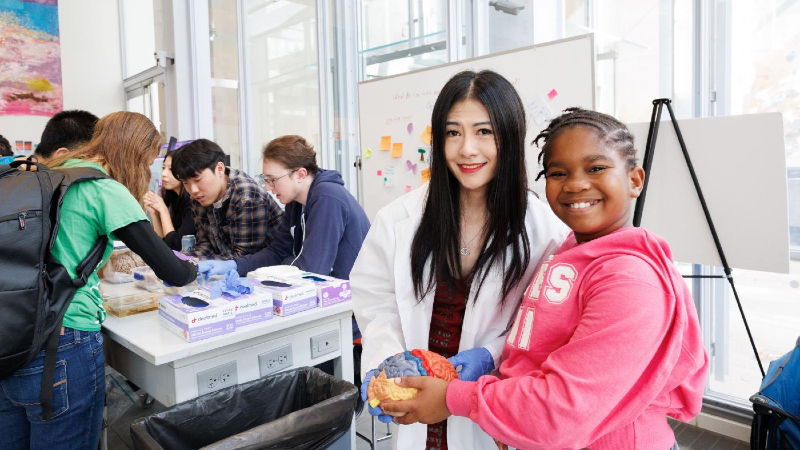
Held every year in March, Brain Awareness Week is an international campaign to boost public awareness about brain research and celebrate the wonders of the mind and brain. There’s no better place to get up close and personal with the three-pound marvel in your head than at Columbia University. Working with science and education partners throughout New York, Columbia hosts Brain Awareness Week events for curious folks of all ages, including
Music on the Brain
at the National Jazz Museum in Harlem and Saturday Science at Jerome L. Greene Science Center.
Dozens of New York City high school teachers bring neuroscience to classrooms with the help of the Stavros Niarchos Foundation Teacher-Scholar Program, hosted at Columbia’s Zuckerman Institute since 2015. Its paid fellowships help educators both learn about cutting-edge brain research and create educational materials.
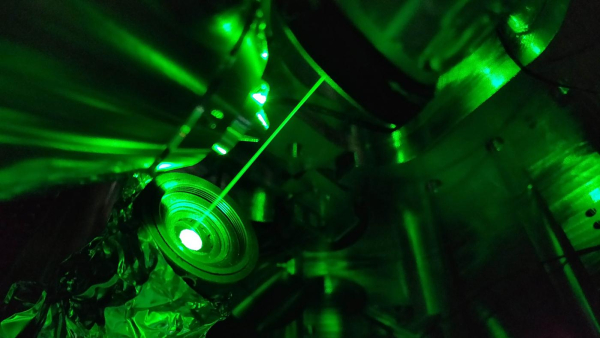
Lasers developed by scientists at the Zuckerman Institute and Cornell’s Maxson lab could help neuroscientists see near-atomic-level details of brain cells more clearly. “Electron microscopy can help us visualize what’s going on in the synapse, a gap only 20 billionths of a meter wide where neurons connect and communicate,” says Anthony Fitzpatrick, principal investigator at Zuckerman.
ARNI (short for ARtificial and Natural Intelligence), an NSF AI Institute led by Columbia Engineering, convenes computer scientists, neuroscientists, and cognitive scientists to probe for similarities across intelligent systems designed by humans and those that emerged from evolution.
A recent study led by Columbia researchers presents robust evidence that the compounds that transport a variety of healthy fatty acids to the brain either promote Alzheimer’s or protect against it, depending on a person’s genetics.
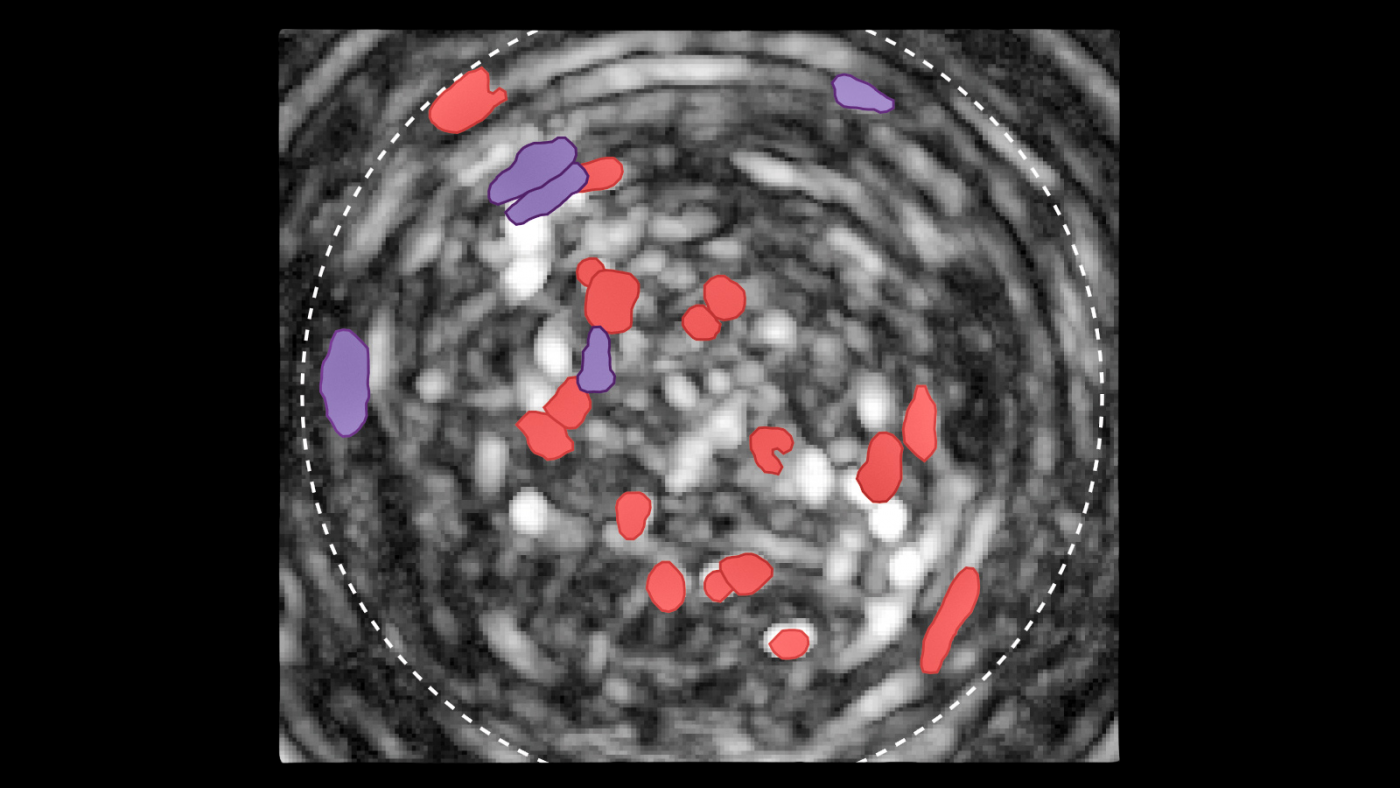
A new brain implant developed by researchers at Columbia, NewYork-Presbyterian, Stanford, and the University of Pennsylvania stands to transform human-computer interaction and expand treatment possibilities for neurological conditions such as epilepsy, ALS, and stroke.
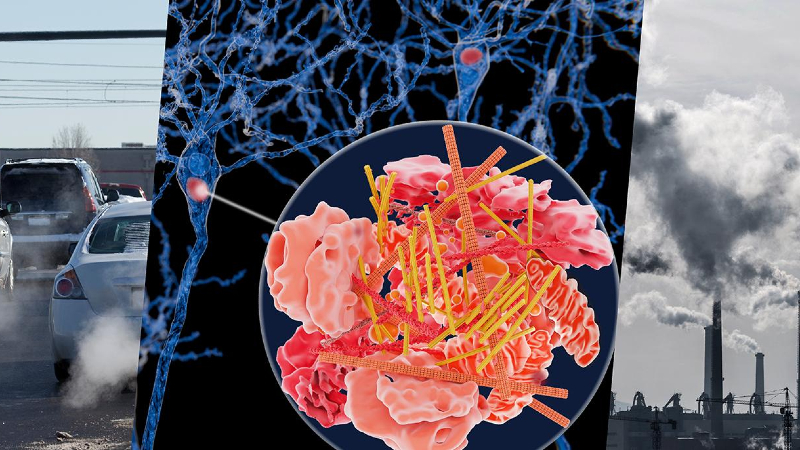
A study co-led by Columbia Public Health researchers found there is a possible connection between exposure to fine particulate air pollution and a higher risk of developing Lewy Body dementia.
Our genome is littered with copies of the same DNA sequences. Xiao Shawn Liu, assistant professor of physiology and cellular biophysics, believes a better understanding of this debris could deliver new treatments for many brain diseases.
Zuckerman researchers have linked a brain area in mice to the drive to consume not just sweets, but fats, salt, and food. The findings could lead to new therapies for weight control and chemotherapy side effects.