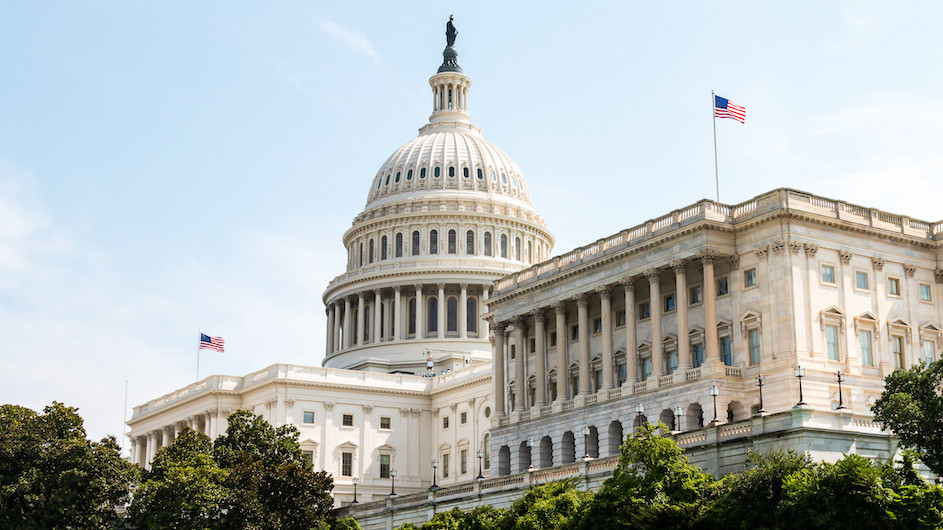
On March 10, a panel of researchers from Columbia University and Stony Brook University gave Congressional staffers a crash course in emerging quantum technologies—and the importance of federal support for the American universities driving the field forward. The discussion was hosted by Senator Kirsten Gillibrand’s office and convened as Congress begins consideration of the National Quantum Initiative (NQI) Reauthorization Bill, introduced in the Senate in January to build on the NQI’s work to advance basic research while establishing an ecosystem to develop practical quantum applications.
“Today’s conversation is about quantum science and artificial intelligence. But more importantly, it’s about ensuring America’s capacity to lead in this next era of quantum and AI-driven innovation,” Jeannette Wing, executive vice president of research at Columbia, noted in her opening remarks. “AI is a technology already transforming every sector and our daily lives. Quantum information science is no longer a distant or abstract field. Both quantum and AI are rapidly becoming foundational technologies that will shape the global economy, our national security, and our scientific leadership.”
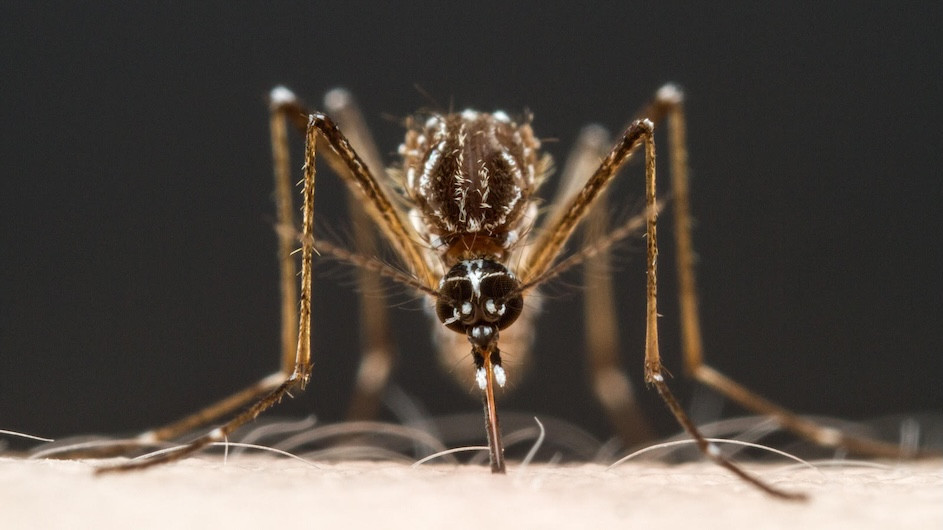
“We’re studying mosquitoes, but it’s contributing to a larger theme, which is that signaling from the gut is more complex than we’d appreciated and more important for behavior than we’d realized, across species,” said Laura Duvall, assistant professor of biological sciences.
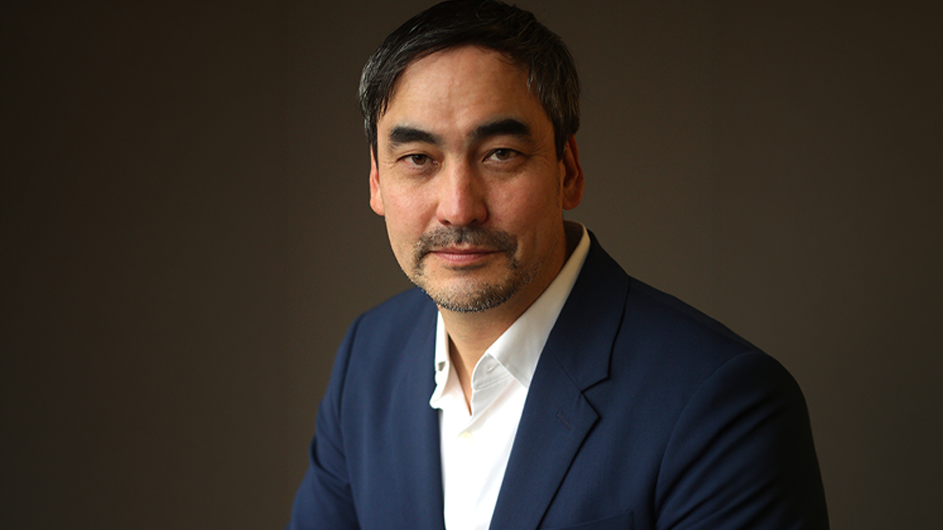
In The Age of Extraction, Timothy Wu, Julius Silver Professor of Law, Science, and Technology, tells the story of the internet, which promised widespread wealth and democracy in the 1990s and 2000s, only to create new economic classes and aid the spread of autocracy instead.
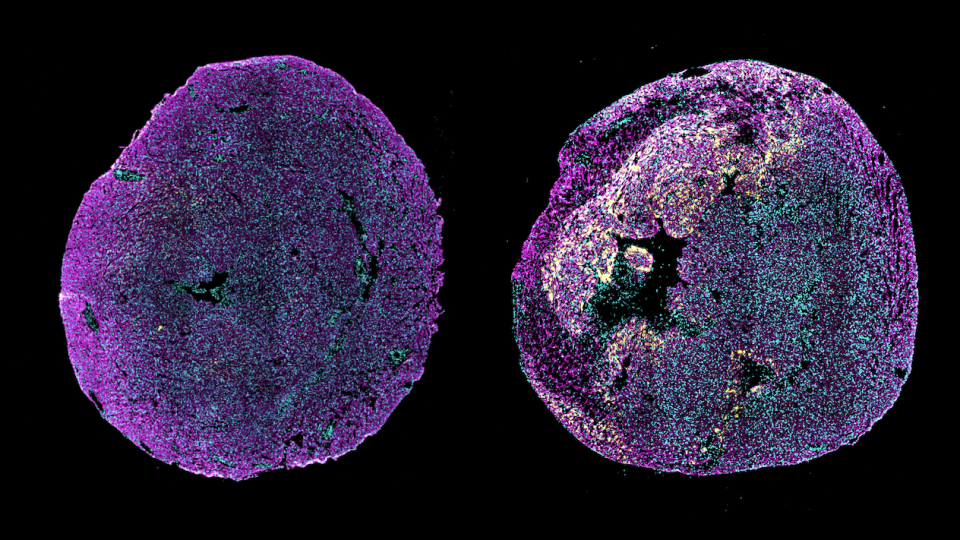
“The heart is one of the organs with the least ability to regenerate,” said Professor Ke Cheng, but Cheng and his colleagues have developed a therapy designed to enhance the heart’s own ability to protect and repair itself after injury.
Noam M. Elcott, associate professor of art history and archaeology, and Kathleen McKeown, Henry and Gertrude Rothschild Professor of Computer Science, want to understand how style is encoded within the “black box” of deep neural networks.
A powerful new real-world data platform could transform how scientists predict and understand Alzheimer’s disease and Alzheimer’s disease related dementias, according to a new study from researchers at Columbia, the University of Miami, and the University of Chicago.
Featured Events
Columbia Global Spring Research Stabilization Fund Showcase 2026
In 2025, Columbia University mobilized the Research Stabilization Funds (RSF) to ensure the continuity of critical research. Columbia Global partnered in this effort to support a set of projects that bridge basic science, translational innovation, and social impact. Faculty, researchers, and staff will present their work across diverse fields, including fast-paced “lightning talks” designed to highlight methodology, findings, and future directions. Wednesday, March 25, 12:00 pm
Creating Connections Interactive Workshop: The Art of Science Communication
Join the Office of Research Initiatives and Development and the Alan Alda Center for Communicating Science for a live, interactive workshop on one of the most critical—and often overlooked—skills in a researcher’s toolkit: communicating your science effectively. A Columbia email address is required to register. Thursday, March 26, 12:00 pm
2026 Columbia Business School Digital Health Summit
Columbia Business School’s Healthcare and Pharmaceutical Management Program is pleased to invite you to the 4th Annual Columbia Business School Digital Health Summit. This half-day experience will feature discussions with expert founders, practitioners, and investors to explore the current and future state of digital health, including technological innovation, market performance, digital trends shaping the future of healthcare, and opportunity pathways in digital health. Thursday, March 27, 12:00 pm
Photo of the Week
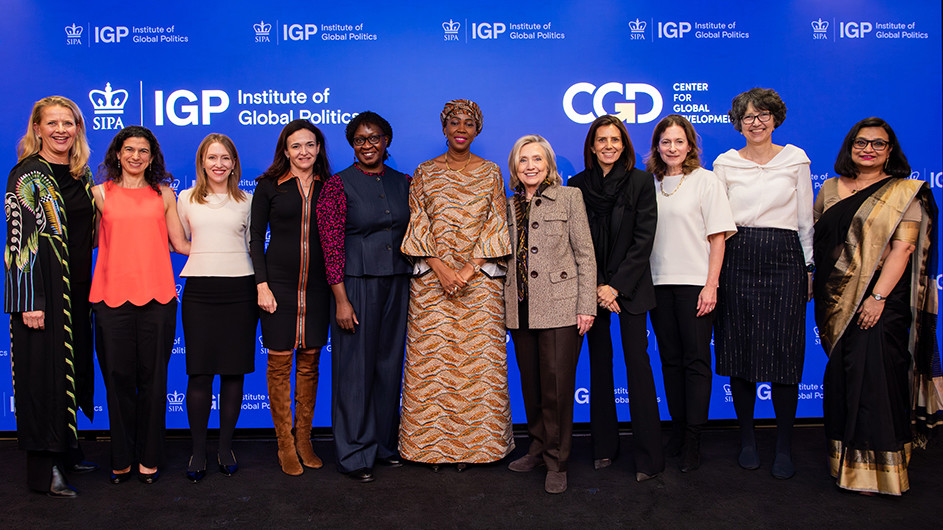
Global leaders and scholars joined the Women’s Initiative at SIPA’s Institute of Global Politics to mark the launch of a new report, Accelerating Efforts to End Child Marriage.
The discussion reinforced the urgent need for stronger policies, global collaboration, and sustained investment in girls’ education and protection. H.E. First Lady of Sierra Leone Fatima Maada Bio emphasized that “It takes a village to bring up a child. It should also take a village to protect that child.” View Photo