 | | | Hello discoverers!When the collective mood is dark and every headline seems to pile it on, the optimists love to wheel out the charts: we’ve never been healthier, wealthier, safer, look at the data! But that comfort evaporates the moment you open the news and see that another country just joined the arms race or another month was added to the record books for heat. My default setting leans pessimistic (like a proper German) but zooming out and putting our current anxieties in historical context can be a useful exercise, particularly now, when every piece of media wants to hijack our basic threat-response systems. Oliver Burkeman’s latest newsletter issue makes a great case for keeping a healthy perspective: “The truth is that we’re probably living through times that future historians will think of as broadly normal. Dangerous and consequential, yes, but still normal.” The reason this is so hard to accept, he argues, comes down to what has been labelled as ‘temporal chauvinism’: “The feeling that the time you’re living in now is the most significant or terrifying one ever – simply because it’s the one you happen to be around to experience.” Burkeman points to centuries of failed apocalypse predictions – from astrologers to religious leaders – and notes: “There wasn’t some little part of their brains that was thinking ‘I know I’m being superstitious here – it’ll be different in the future, when people aren’t so ignorant!’ As far as they knew, they were in possession of the facts; they surely felt just as secure in their convictions as any AI thought leader today.” He argues that much of today’s doomerism is a coping mechanism: “Human existence is intrinsically unsafe and insecure, all the time. Anything could happen at any moment, the future is unknowable, one day you’ll die, and some people end up having vastly more traumatic encounters with these realities than others. Against this backdrop, AI doomerism starts to look like a coping mechanism for dealing with existential anxiety.” This zooming out connects nicely with something Yuval Noah Harari points out on the Ezra Klein podcast. Harari offers a quick test for whether you’re a liberal: do you believe people should choose their own government, their own profession, their own religion, and their own spouse? If you say yes to all four, congratulations, you’re a liberal. And so are the vast majority of people across the political spectrum today, including most people who’d never call themselves that. His point is that for most of human history, none of those four things were up for debate, let alone agreement. Today they are, and most of us land in the same place, which means the actual ideological gap is narrower than it’s ever been, even as everyone keeps telling us that we’ve never been more divided. Optimism always comes with a risk. Lean too hard into ‘it’s all fine’ and you risk sapping the urgency that actually gets things done. Movements for change need momentum and action – they don’t just come about naturally. But there’s an equally seductive trap on the other side – the doom spiral that feels like German seriousness but is really just another excuse to check out. Things are bad, some of them are legitimately dangerous, and also, this is roughly what being alive has always felt like. The difficult trick is holding onto both at once: staying angry enough to act, without convincing yourself the sky is permanently falling. And now to this week’s discoveries. – Kai | | Hello there, and welcome to the Karry issue! This is Dense Discovery, your weekly dose of lovingly read-later-list-rescued links from a gloriously disorganised web. Writing to you and 35,810 others is Kai Brach based in Narrm. In the previous issue, this link got most of the clicks. Got thoughts on this issue? Simply hit reply – I read every email. Happy discovering! |
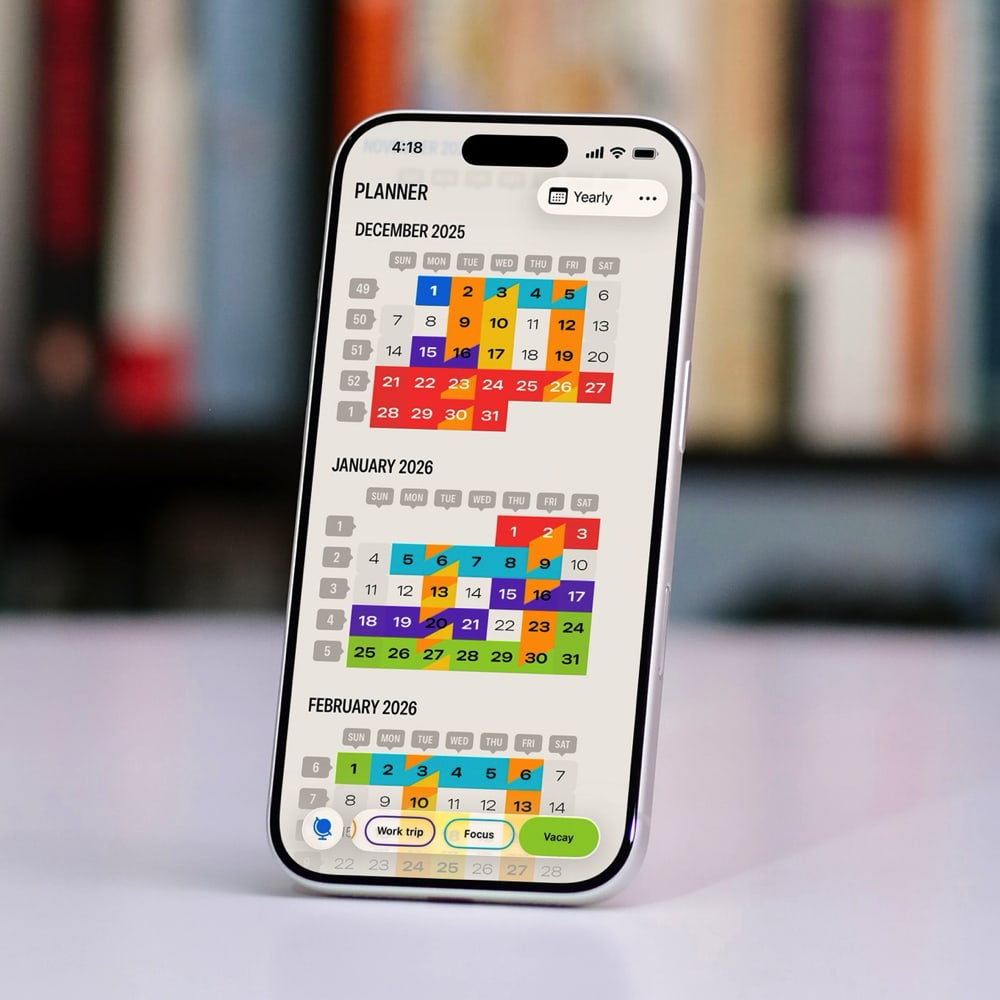
| | | Sponsor | Dear DD Reader, Three years ago I missed my old paper planners. My to-do list felt like an inbox that never hit zero, full of things I should’ve done last week. So I built a daily planner that doesn’t make me mad when I open it. Finalist focuses on what’s ahead. Yesterday’s leftovers? Move them forward with one tap, or just leave them and move on. It’s all about creating a safe space to manage your time. After a few days, you’ll find yourself opening it instead of Instagram, planning parties, getaways, and the year ahead. People love it; Apple called it App of the Day more than once. As a fellow fan of DD, have six months on the house, see how it fits. iPhone, iPad, Mac, in private iCloud. Lifetime license available, free for nonprofits. Ćao from Vancouver, Canada,
Slaven |
| | | Tools | For anyone who likes writing in Markdown but occasionally bumps into its limits, Quarkdown adds a surprising amount of power without abandoning the simplicity that makes Markdown appealing. The cross-platform app can generate books, papers, documentation sites, presentations and PDFs from the same source file. Features like scripting, reusable components and live preview make it particularly useful for technical writers, researchers and heavy note-takers. |
| A map for a better AI future |
Built by journalists and researchers including author Karen Hao, the AI Resist List documents dozens of grassroots movements around the world – from data poisoning tools for artists to worker coalitions and community-controlled language models – organised around nine pillars that aim to keep the AI industry’s power in check. Lots of interesting links here. |
| A cleaner, cuter, more considered alternative to Linktree – own.page lets you build a modular mini-website with drag-and-drop widgets, multiple pages, custom domains and built-in analytics, without any coding required. Friends of DD enjoy a 15% discount. Become a Friend to access specials like this. |
| This looks like a solid utility app for Mac that combines five tools in one: junk removal, app uninstalls, disk analysis, system optimisation and live status monitoring. Mole aims to cover what you’d otherwise split across CleanMyMac, DaisyDisk and iStat Menus, for a one-time $19 fee. |
| Guest | 
Five recommendations by Olha Koistryk who works with Ukrainian nonprofit Behind Blue Eyes to provide creative outlets and workshops for children on Ukraine’s front lines. |
An Instagram account worth followingI love the work by photographer and filmmaker Sam Youkilis. Every time I scroll through his posts, I’m reminded of how relaxed, beautiful and bright life could be. It inspires me a lot. A question worth askingWhat makes you a cool person? It’s a question that can frustrate a bit. We’re usually able to explain why our friends or partners are ‘cool’, yet we struggle to name aspects about yourself we think of in this way. An activity worth doingAny activity you are scared of or dislike with all your heart. For me it was running. I initially hated running, but I transformed it from an activity into a tool for meeting new people and exploring my body and its limits. A phrase worth knowingIn Ukrainian, we say: “І кожен фініш – це, по суті, старт”, which could be translated to “Every single finish is a start of something”. These words are part of a lovely poem by Ukrainian poet Lina Kostenko. A podcast worth listening toThe Psychology of Your 20s is a great podcast by psychology graduate Jemma Sbeg. She breaks down the confusing feelings and experiences of young adulthood – from relationships and identity to ambition, anxiety and loneliness. (Did you know? Friends of DD can respond to and engage with guest contributors like Olha Koistryk in one click.) |
| | | Books | 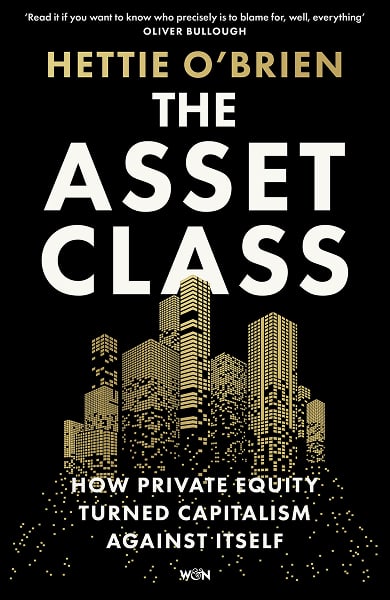 | Who really owns everythingWe’ve all watched too many decent businesses get gutted for a quick return by private equity firms! Hettie O’Brien follows the money behind private equity’s silent takeover of housing, healthcare, childcare and media – and what she finds isn’t a story of capitalism working as intended, but of debt wielded as a weapon against the very foundations of public life. |
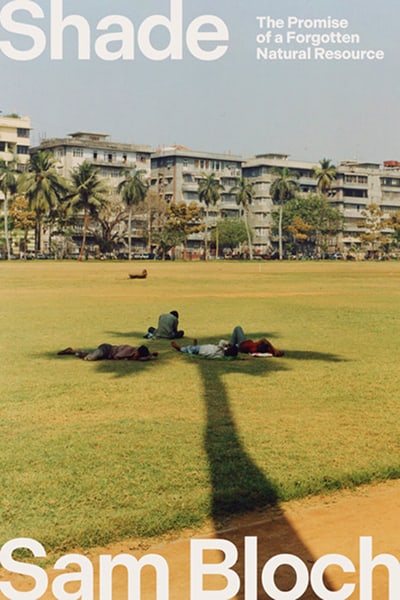 | How shade became a privilegeShade is something we usually don’t think about until it gets too hot and we realise how precious it can be. Sam Bloch’s investigation makes an alarming case that its disappearance from cities isn’t accidental, but the result of car culture, air conditioning and decades of underinvestment in public space, hitting the poorest hardest. |
| Socials | There are three ways to make a living: - Lie to people who want to be lied to, and you’ll get rich.
- Tell the truth to those who want the truth, and you’ll make a living.
- Tell the truth to those who want to be lied to, and you’ll go broke.
on Bluesky | | | Media | Read | In his latest newsletter issue, Oliver Burkeman offers a clear-headed antidote to apocalypse talk, suggesting that while our era is serious and dangerous, it’s probably not uniquely disastrous. He teases apart our tendency to catastrophise and shows how media and our own psychology amplify dread. A persuasive case for living responsibly without assuming civilisation is about to end. |
“The point I want to try to drive home is very much not that life is safer and more secure than the heralds of the apocalypse would have us believe. It’s the opposite: that human existence is intrinsically unsafe and insecure, all the time. Anything could happen at any moment, the future is unknowable, one day you’ll die, and some people end up having vastly more traumatic encounters with these realities than others. Against this backdrop, AI doomerism starts to look like a coping mechanism for dealing with existential anxiety.” |
| Read | I’m so tired of hearing the views of people with a lot of money as if their wealth makes their views uniquely qualified. Peter Shamshiri summarises this well, arguing that mainstream outlets launder the idle musings of billionaires into ‘news’, treating rich-guy opinions as inherently insightful. This kinda ‘journalism’ distorts public debate towards the preferences of the wealthy. |
“When the media isn’t printing the opinions of rich people verbatim, it’s printing the opinions of their proxies. There are countless interest groups that ostensibly represent the interests of ‘business’ but in practice represent the interests of the rich people who run very large businesses.” |
| Read | The title of this newsletter issue instantly drew me in. Elan Ullendorff wants us to design our lives around neighbourly friendship instead of defaulting to isolated, algorithm-driven routines. Through casement windows and neighbourhood WhatsApp groups she shows how small, practical steps can lower social friction and turn acquaintances and nearby friends into a real, everyday community. |
“When Carmen and Osman built their house, they chose to install casement windows that open out from the kitchen, just behind the sink, to the outdoors. What seems like a simple architectural decision reveals itself to be a powerful magnetizing force for community. Opening the casement windows, says Carmen, is a ‘signal to the community that we’re open for socialization’. Sometimes Osman will put on an apron and play barista or bartender, serving lattes, cocktails, or dog treats.” |
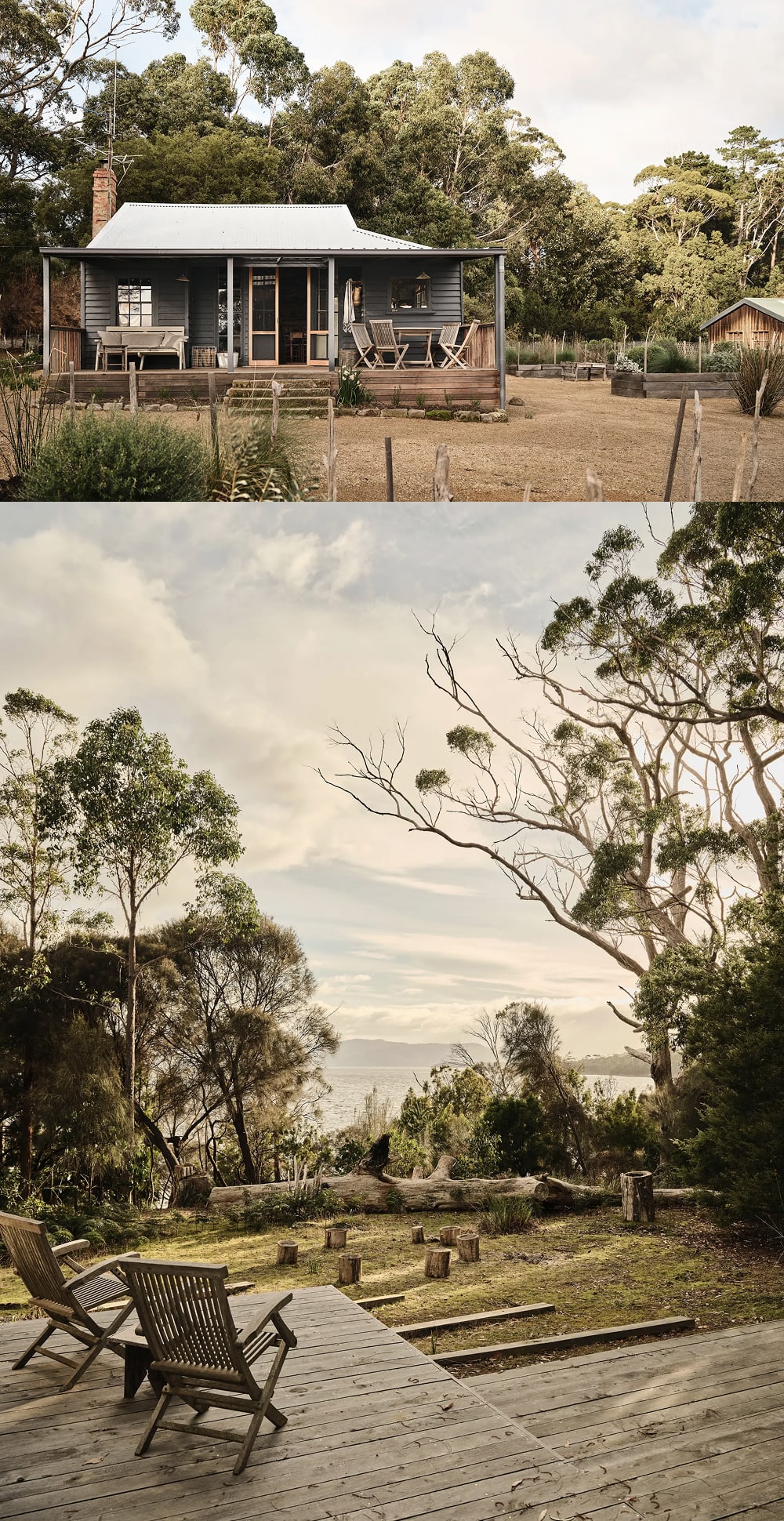
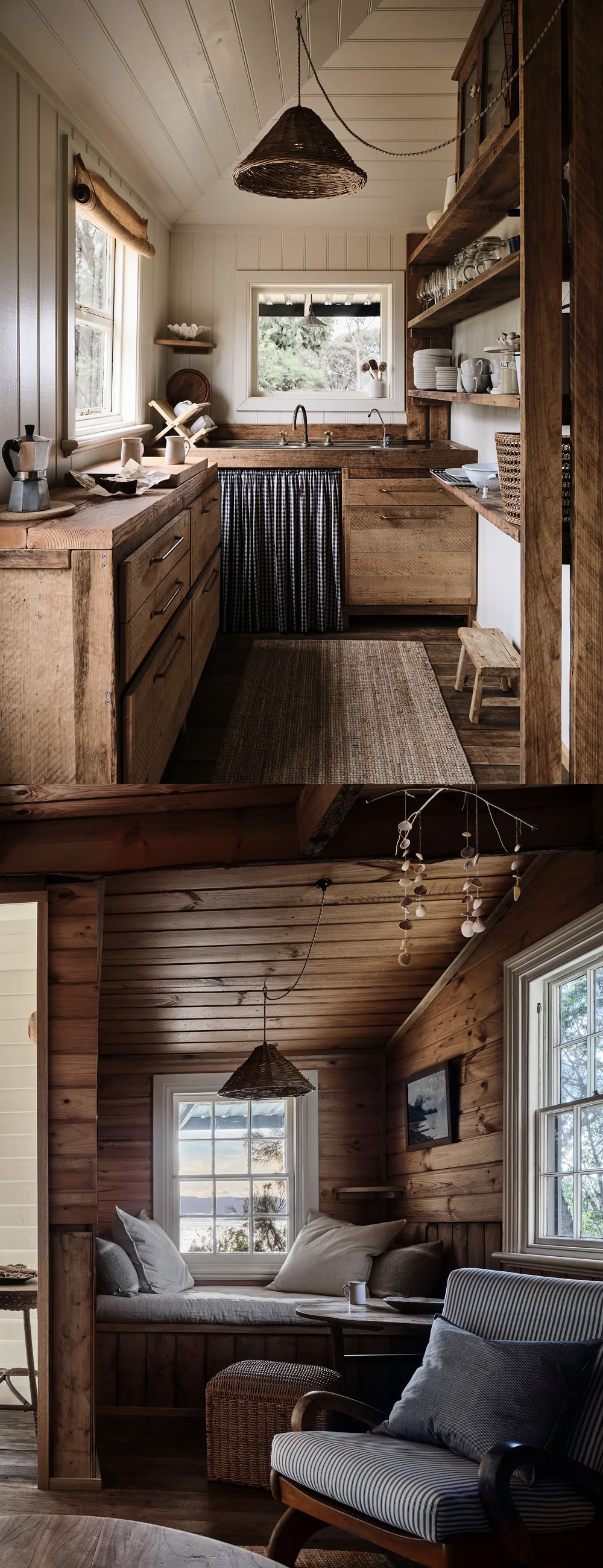
| Inspiration | Fairweather is a painstakingly ‘un-renovated’ 1906 shack on Bruny Island, Tasmania – stripped back to bare timber and Baltic pine over seven years of patient, loving work. Oh that familiar ache for a simpler life, closer to nature and far from the noise! |
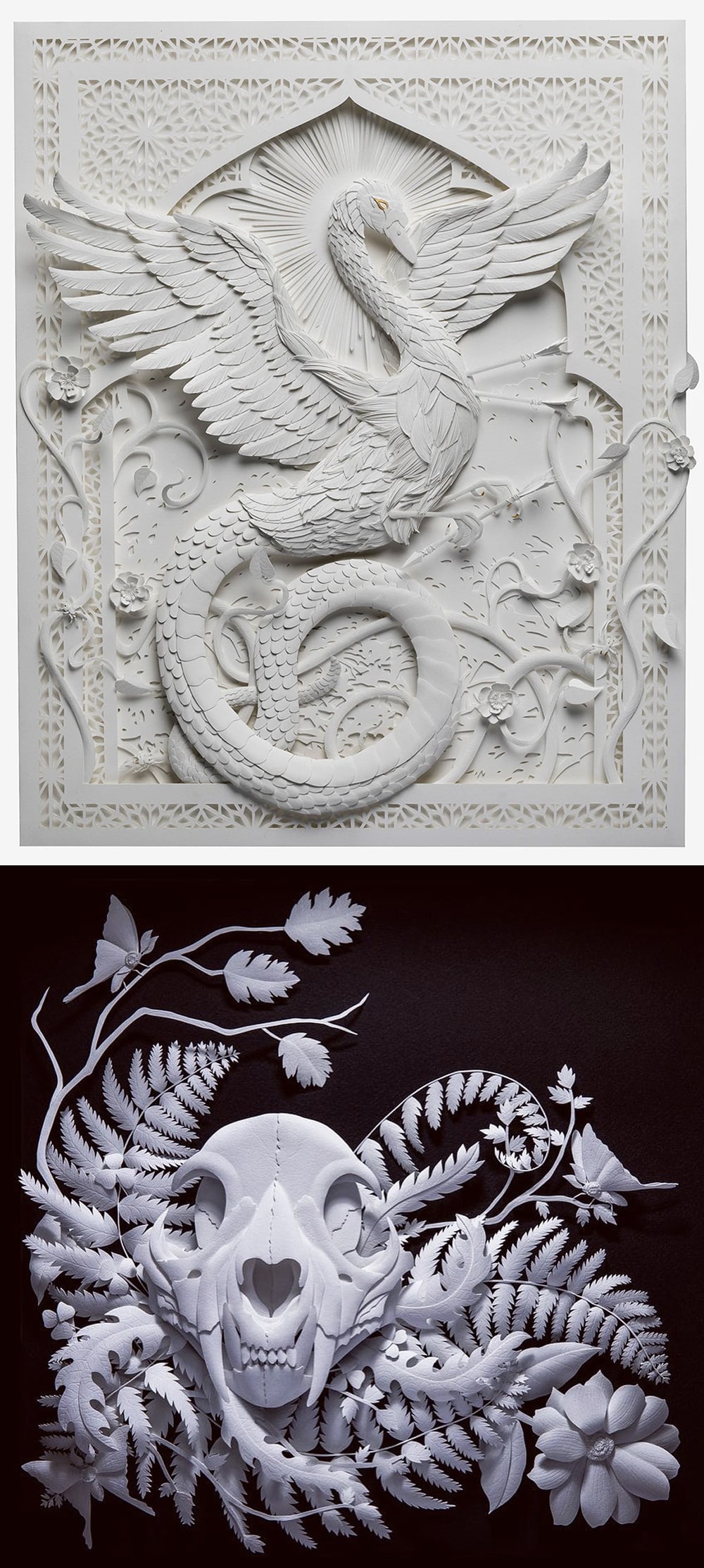
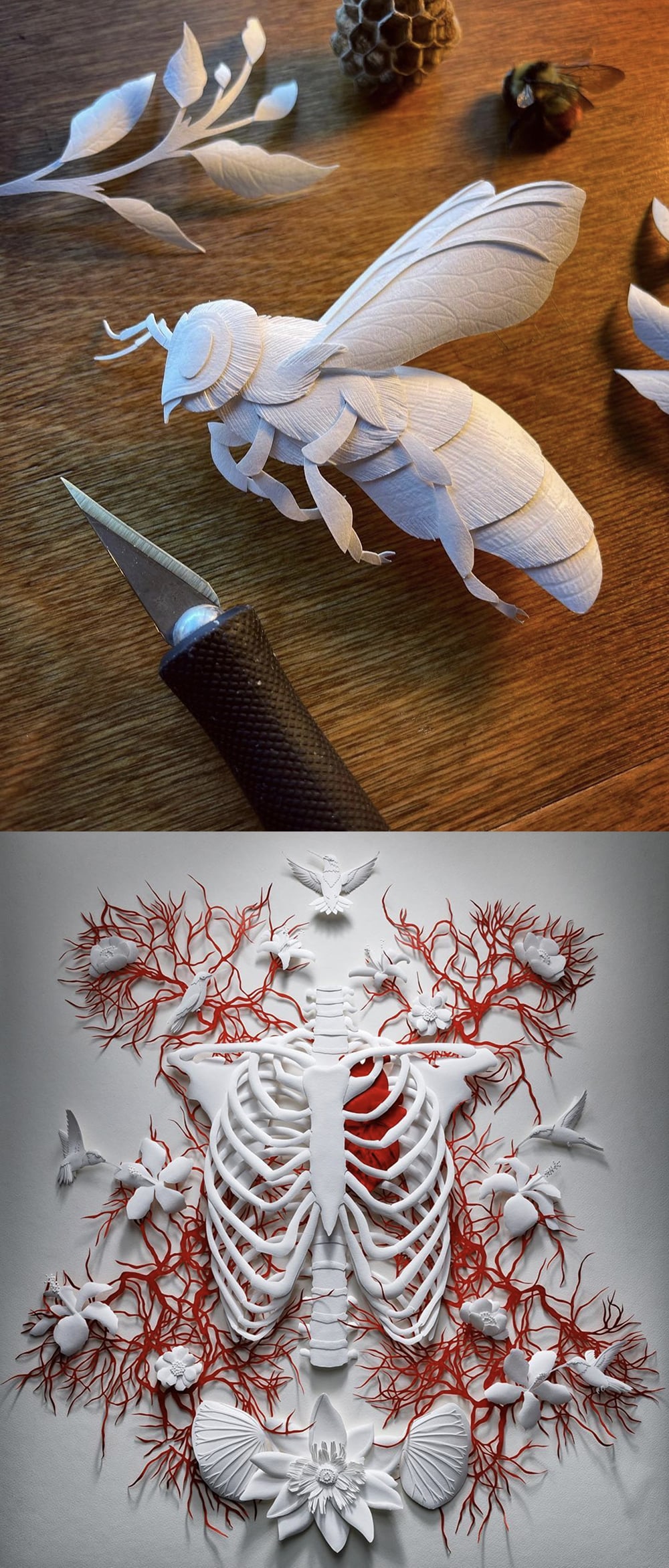
| Colorado-based sculptor Marisa Aragón Ware transforms scored and cut paper into breathtaking paper sculptures with incredibly detailed feathers, leaves, petals or bones. |
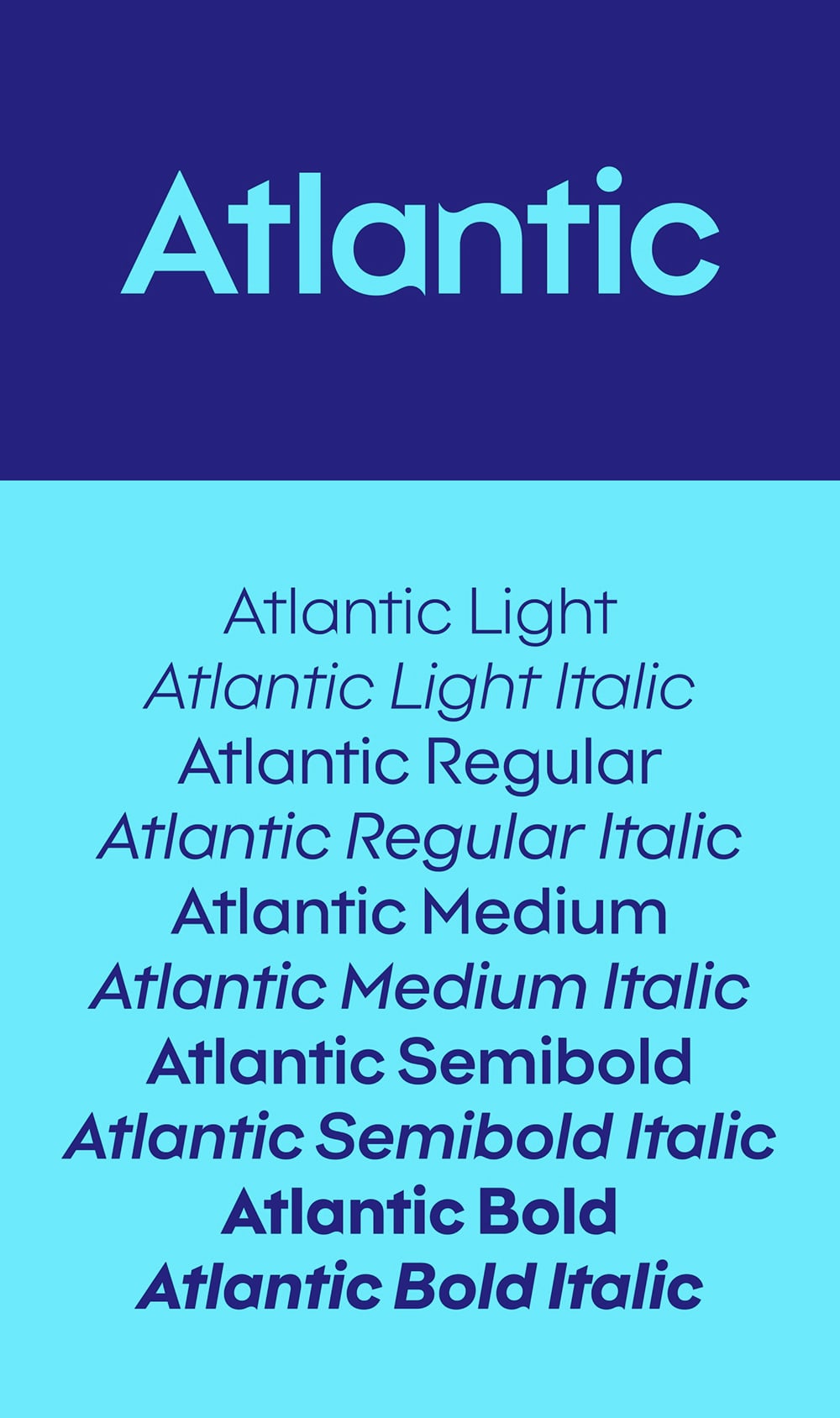
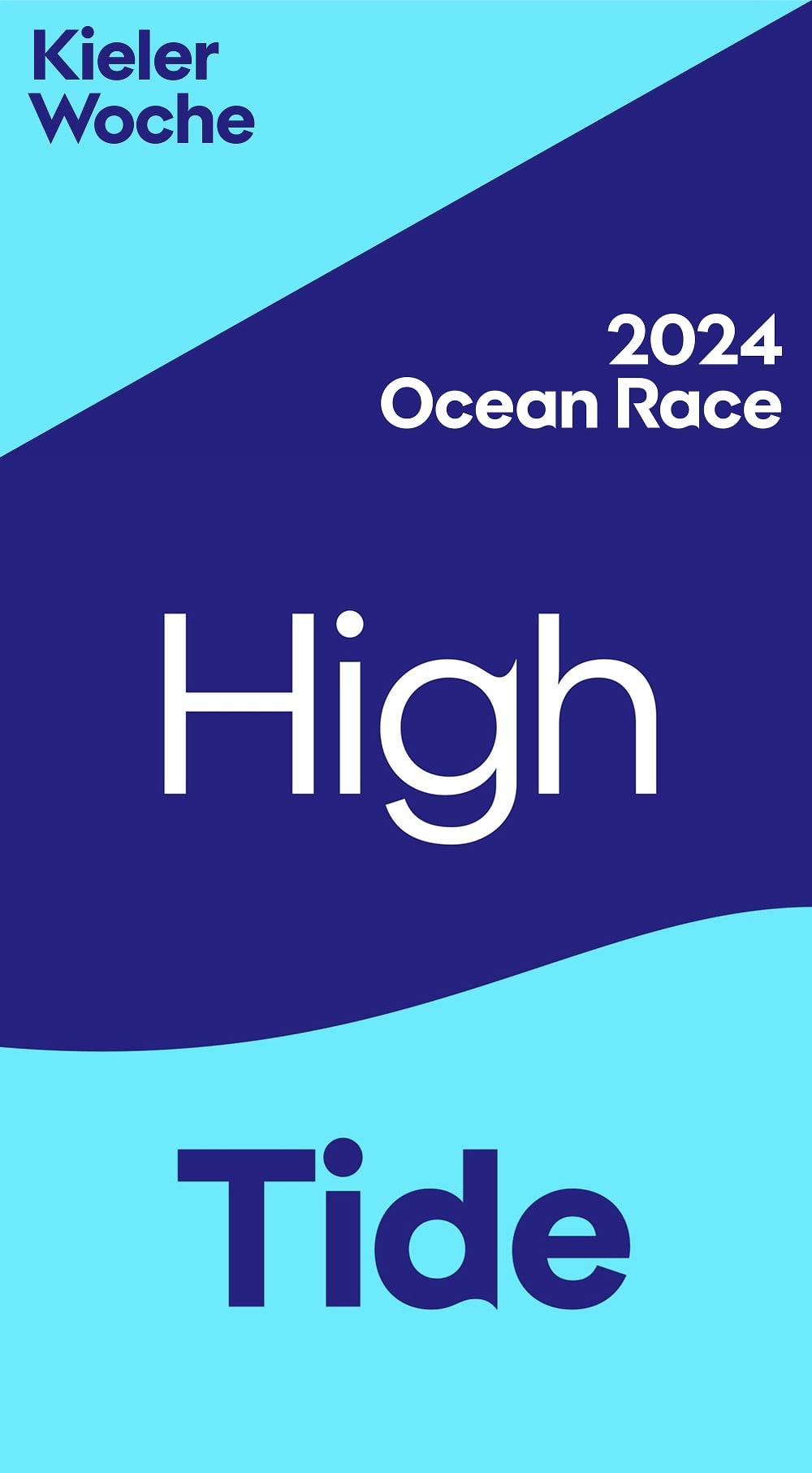
| Font of the week: F37 Atlantic pairs bold, rolling curves with sharp, hook-like terminals, evoking the push and pull of ocean waves in every letterform. |
| | | Classifieds | The average person scrolls 1,000+ hours a year. Mado gives you 3 daily sessions for distracting apps. When they’re gone, hard block. No override. Anti-doomscrolling for iOS. Human-made songs and stories should not have to compete with algorithms and AI. Jessica Cotten’s Patreon is a direct way to protect independent art and rebel against soulless content. From $5/month. The people in your network are your most likely next opportunities, but they need to hear from you consistently. A newsletter is one of the best ways to do that and Letter Press writes it for you. Want more analogue in your life? Rest and relax with this linen-bound Wordsearch Book that would make Joanna Gaines jealous. |
Classifieds are paid ads that support DD and are seen by 38,000 subscribers each week. Book yours here. |
| Numbers | 22 For the first time ever, wind and solar generated 22% of global electricity in April – edging out gas at 20%. Combined output grew 13% year-on-year, with Australia up 17%, pointing to a structural shift rather than a one-off spike. |
118 Between 2022 and 2025, press freedom declined in 118 of 178, or two thirds, of countries measured. Since these scores have been recorded using a consistent methodology, they indicate a concerning global shift. |
| | | Poll | | | | Mood | | | |
|