 | | | Hello discoverers!Get off the beaten track, find the little town the guidebook missed, eat where the locals eat, steer clear of other tourists. That’s the unspoken creed of many travellers and that was me, too. I’d sniff at anyone who hung out at the obviously touristy spots, thinking that my own experiences were somehow more legitimate, more ‘authentic’. This essay by David Sze opened my eyes to the fact that the very notion of authenticity rests on a fantasy that cultures are pure, fixed things that tourism then comes along and spoils. Sze points out that no culture has ever sat sealed off and unchanging. The Silk Road, empires, trade, migration, missionaries, K-pop, Bollywood films played on a TV in a Senegalese mud hut – everything has always been bleeding into everything else: “Through these processes, the world is increasingly intermeshed – with no country and no man an island. Each country, state, and city, down to the smallest village, is constantly changing with unceasing interaction with regional and global influences. How then to draw a boundary around a culture? We cannot, as each meld into and influence another.” If a culture is always shifting, then the commodified, tourist-facing version of a place isn’t a fake version bolted onto something real. It’s just the most recent layer. “If culture is inherently dynamic, we can argue that commodification does not produce a simulacrum of the ‘local’, but is instead just the latest step of a never-ending evolution.” Sze argues that what travellers are actually chasing is a flattering story about themselves: “It is a shiny label that the traveler pins on her experiences – a marker of Bourdieuian distinction, to prove that she is more knowledgeable, more adventurous, and more off-the-beaten track.” So the search for the ‘untouched’ is really a search for something that was never there. Worse, it does a disservice to the people we claim to admire: “‘Authenticity’ is the denial of a people’s privilege to their changing culture amidst changing times… [It] is a box into which the traveler crams what he wants to see, while ignoring the complexity of reality. It is both distorting, and lazy.” That’s not to say that tourism doesn’t negatively impact local cultures. Sze’s essay is now nearly a decade old and the full Instagrammification of travel was just beginning to take hold. Since then, social media has flattened travel into a checklist of shareable images. We don’t go looking for the ‘authentic’ as much as we try to recreate a photo we’ve already seen. Nicely summarised in this Domus piece: “We no longer seek the unknown – or even what’s familiar – we chase images that are already well-known and highly shareable, affirming our place in a global community. We travel pursuing stories shaped by others, where the experience is influenced more by digital narratives than personal exploration. In essence, we create images to confirm an existing fantasy.” That is its own kind of inauthentic, of course – arguably far more so than ordering that overpriced pad thai. All of that said, wanting to look past the souvenir stalls to find corners that aren’t yet rearranged for tour groups is still worth doing. I guess we just shouldn’t expect some ‘pure’ version of a place that never existed. Like a panellist suggested back in DD271: serious travellers should do some homework first. Books, documentaries, podcasts by and with locals help us see an ever-changing culture through the eyes of the people who actually live it. And now to this week’s discoveries. – Kai | | Hello there, and welcome to the Half Baked issue! This is Dense Discovery, your weekly dose of pleasantly biased links from a distastefully growth-hacked web. Writing to you and 35,937 others is Kai Brach based in Narrm. In the previous issue, this link got most of the clicks. Got thoughts on this issue? Simply hit reply – I read every email. Happy discovering! |
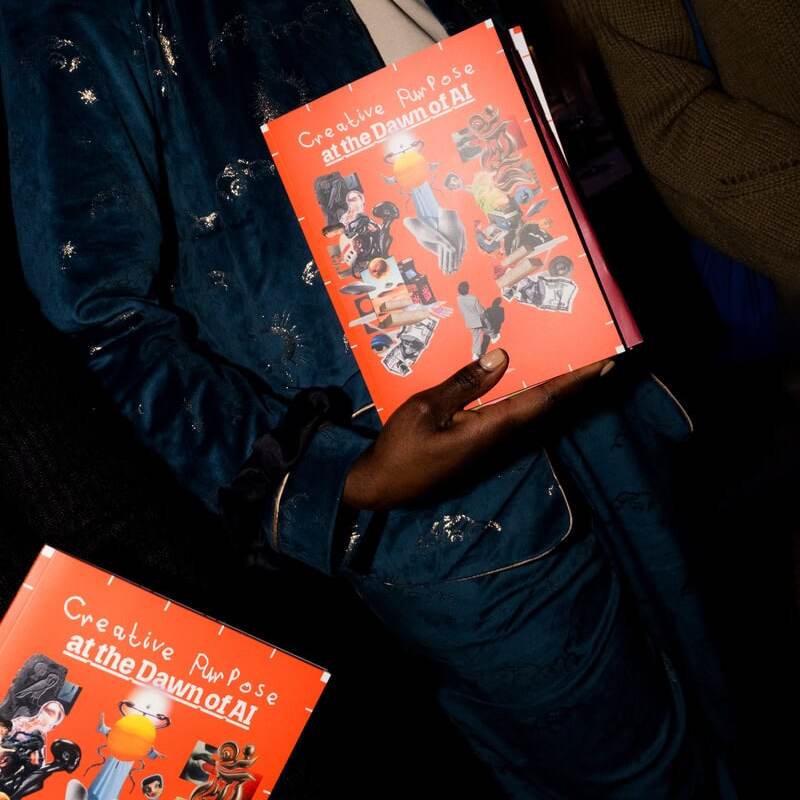
| | | Sponsor | What is Creative Purpose at the Dawn of AI?
We made a zine for artists and creatives to navigate AI on their own terms. Published by Mozilla Foundation, ‘Imagine Intel: Creative Purpose at the Dawn of AI’ is a 100-page zine about creativity, AI and how to make sense of it all. Download the PDF for free. |
| | | Tools | App for small communities |
TinyClub lets you spin up a ‘virtual club’ on your phone: invite people with a link, and keep posts, chat and events in one private space instead of scattered across apps. One of the founders told me that they are open to selling the app (still in beta) or handing over the reins to a new team passionate about bringing people together IRL. Email Jackson. |
| I love a well-designed directory*. This one pairs everyday SaaS tools with their open source equivalents. E.g. Notion with Affine, AirDrop with LocalSend, Google Photos with Immich, etc. Each listing shows the GitHub stars and last-commit date, so you get a quick read on whether a project is actually alive before you click through. [*This project is actually a showcase for a directory creation app you can run yourself, called Dirstarter.] |
| A simple, one-thing-done-well app: Shift (for iOS) nudges your alarm five minutes earlier each day until the new wake time settles in without the shock. A sensible bit of behaviour design for those trying hard to become a morning person. |
| A presence layer for websites |
Cute! Drop a single script tag into your website and visitors appear as little avatars who can wander the same space, wave and trade a few words in real time. No account needed. A small antidote to how empty and devoid of people most of the web feels these days. |
| Community | 
Updates from the community: Friends of DD share what’s currently capturing their attention. |
I recently discovered the newsletter Card Catalog, an excellent resource on critical thinking, information literacy and research. Somewhat prolific, but so useful and deep.
– Leo I’m really enjoying Trash! A Garbagemans Story by Simon Pare-Poupart. A fascinating memoir by a sociologist who spent twenty years working as a garbageman in Montreal. A meditation on what our trash reveals about us.
– Sean I’ve been seeing a lot of World Cup decorations around, which inspired me to better learn the world’s flags. Most online options were filled with ads or required accounts, so I built flagquiz.fyi.
– Sam I enjoyed reading Creative Selection, a memoir from a former Apple engineer that had a hand in designing some key interfaces we take for granted every day: rich text email clients, touchscreen keyboards, etc.
– Levi I recently explored the question: how can AI actually help someone learn, and not just finish faster? This post is the result.
– Damien I sometimes find myself doing things I’m not proud of to try to fit in. This essay by CS Lewis explains why, and argues that I should follow my conscience.
– Bobbie I’ve recently discovered Intertapes, an ever-evolving collection of found cassette tapes from around the world.
– Mona Love seeing the latest work of monochrome mural artist Georgia Hill. She uses her surroundings to create stunning and thoughtful pieces of art.
– Courtney Sally’s Baking Addiction has flawless recipes for literally any occasion. Just last night I absolutely stunned my mother-in-law with the No Bake Cheesecake for her birthday.
– Stuart I recently stumbled upon the YouTube channel PlayingForChange where musicians (often street musicians) from around the world virtually come together to play music. What beautiful things we can do when we work together.
– Udo |
| | | Books | 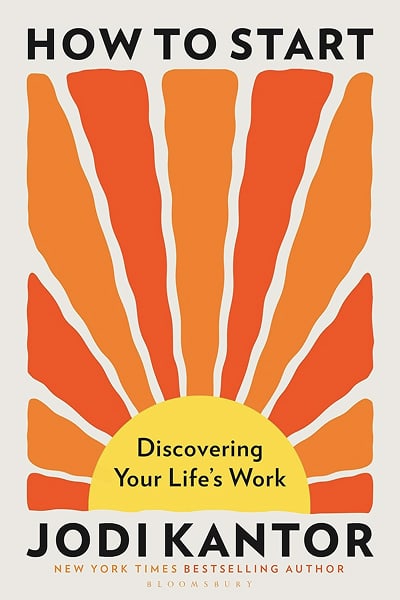 | Career advice without the platitudesJodi Kantor, the journalist whose reporting helped spark #MeToo, offers two anchors for younger people sizing up an uncertain world of AI, rising costs and political upheaval: craft (what you’re good at) and need (what the world is asking for), and shows how pairing them helps you navigate the harder questions about money, risk and when to ignore everyone else’s advice. |
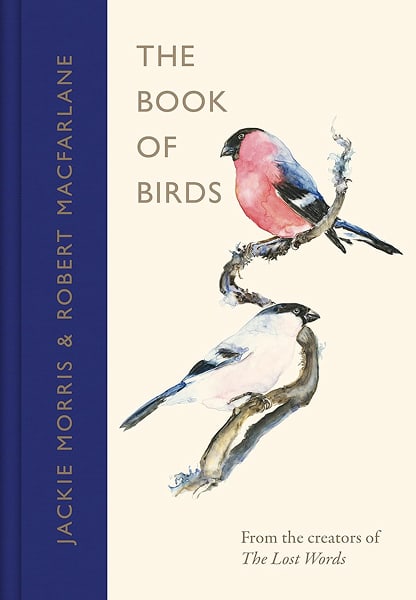 | A love letter to birdlifeTwo best-selling authors with essays that ask you not just to observe birds, but to actually reckon with what it would mean to lose them. The book comes with watercolour and gold-leaf illustrations that give the writing even more weight. Seven years in the making, it’s a mix of reference book and kind plea to notice what’s disappearing from our skies. |
| Socials | They act like the biggest threat to society is a single mom buying soda with food stamps instead of a billionaire buying his 13th senator. via Instagram | | | Media | Read | We often travel in search of the ‘authentic’, but David Sze suggests this quest is effectively just a projection of our own desires. When we insist on hunting for ‘unspoilt’ cultures, we treat locals as if they were children, ignoring their complex, globalised realities. A great read if you’ve ever been annoyed by mass tourism ‘spoiling’ a place. |
“‘What is most commonly referred to as the tourist impact on Others is grounded in the unspoken presumption that these Others at some point in the past have lived in enclosed spaces of cultural purity, protected from outside contamination.’ In other words, if tourism is contaminating, there must be something pure to contaminate.” |
| Read | Oof! What a damning read – for those of us who spend too much time on social media. Liz Leatrice imagines you in 2063, realising you’ve curated feeds instead of a life. She dissects how endless content and consumption replace hobbies, curiosity and real connections. We all need more reminders like that! Watching other people live (questionably) interesting lives is not the same as becoming an interesting person yourself. |
“The great love affair of your life is… this. Sitting in the dark, your nose 6 inches from the screen. You have never separated, never taken a break. It started slowly, rockily. But by 25, it had its claws in you. By 30, it fills the dead spaces in your life. And you’ve never relented. It has consumed you wholly and the math has compounded. By this age, at 7 hours a day, 15 years of your life has been a screen.” |
| Read | As someone who is regularly terrified of too much choice, this spoke to me: Drawing on the idea of ‘satisficing’, David Epstein says we’re better off deciding what ‘good enough’ looks like, picking the first option that meets that bar, and moving on. You save time, reduce stress, and often end up just as happy as the maximisers who exhaust themselves in the search. |
“Social media has intensified the problem by functioning as an infinite comparison engine. When you can see a curated highlight reel of everyone else’s career, relationship, home and vacation, the very concept of ‘good enough’ begins to feel like settling.” |
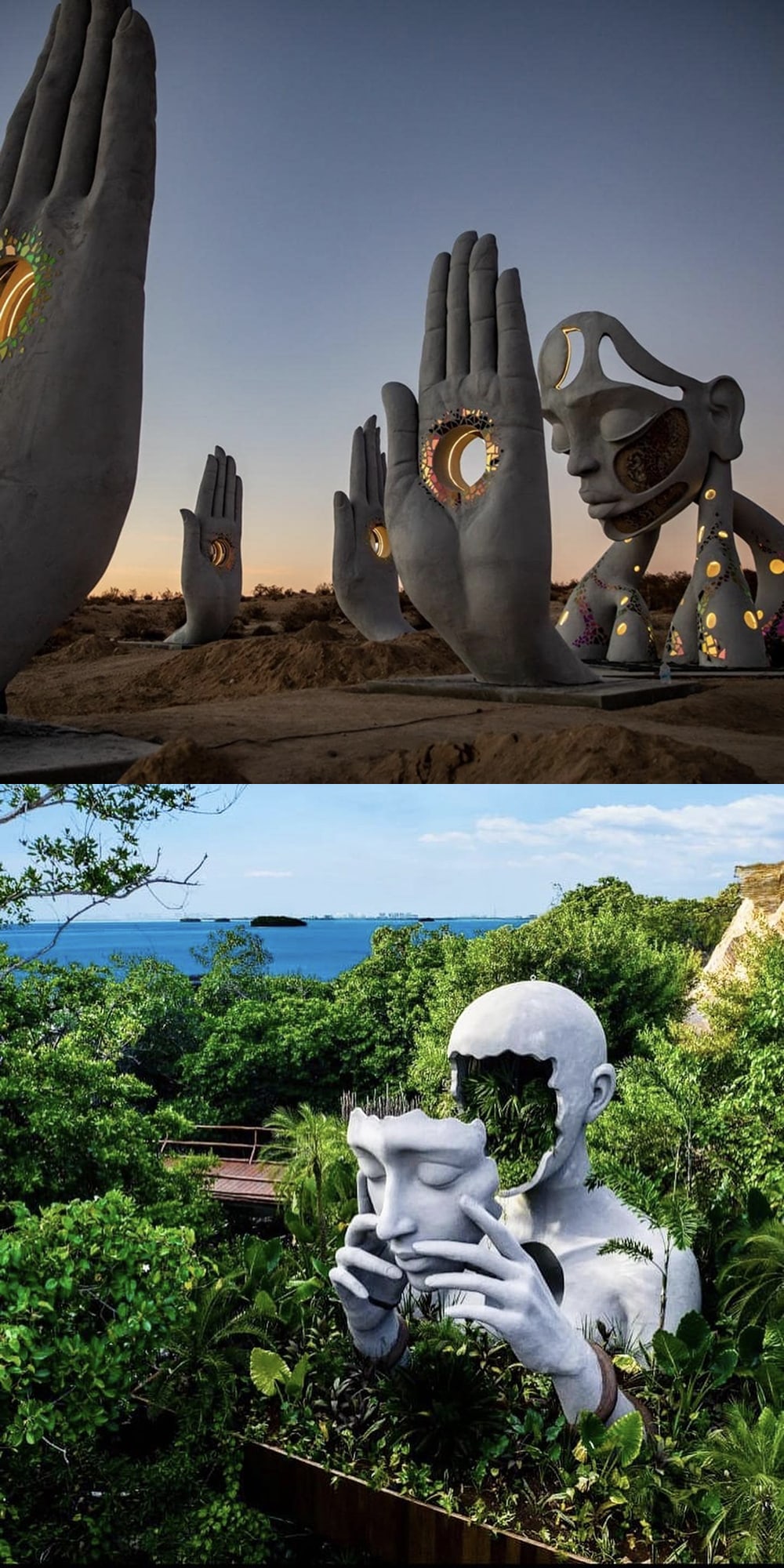
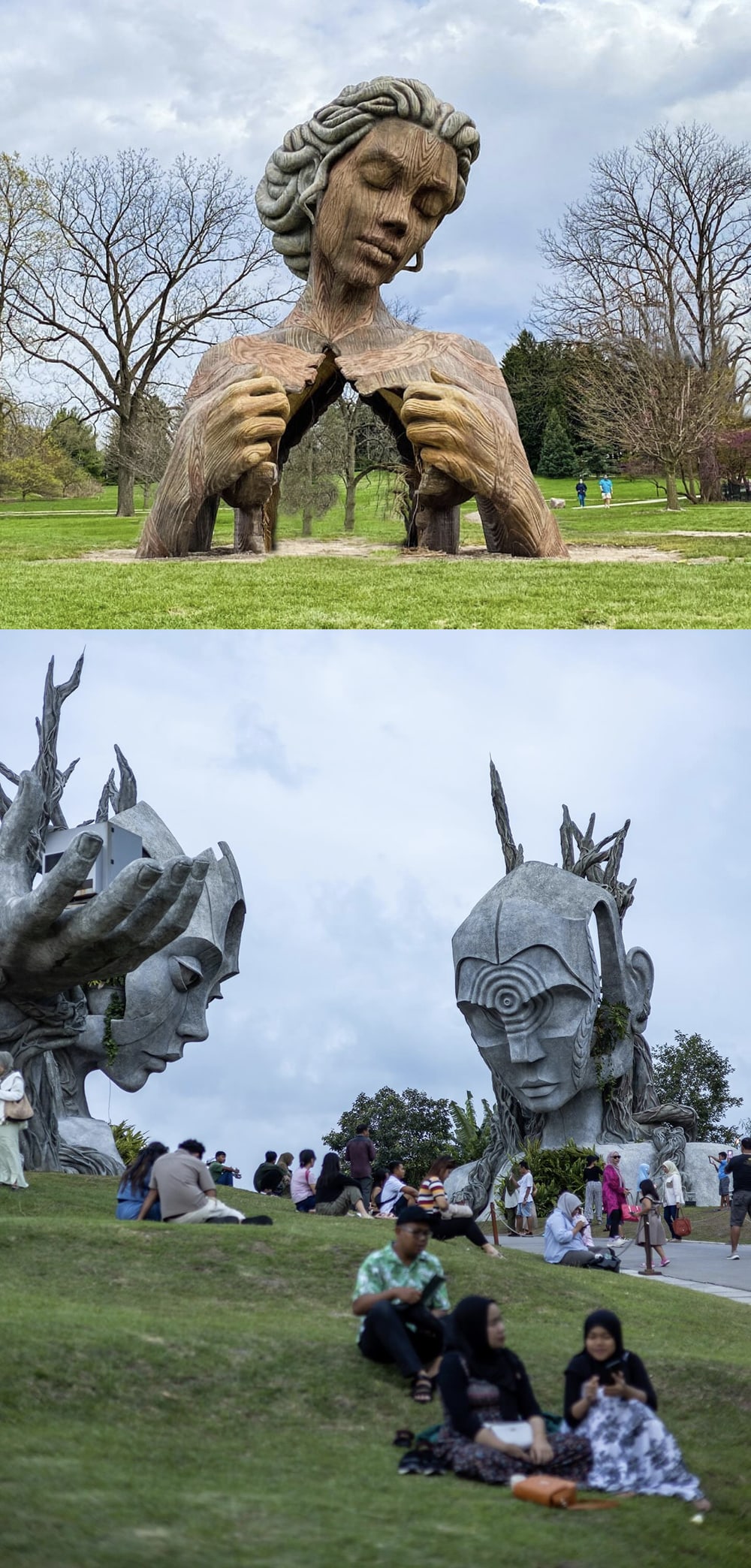
| Inspiration | Cape Town-based artist Daniel Popper is known for public sculptures and art installations with goddess-like human figures that often incorporate living plants and organic forms. |
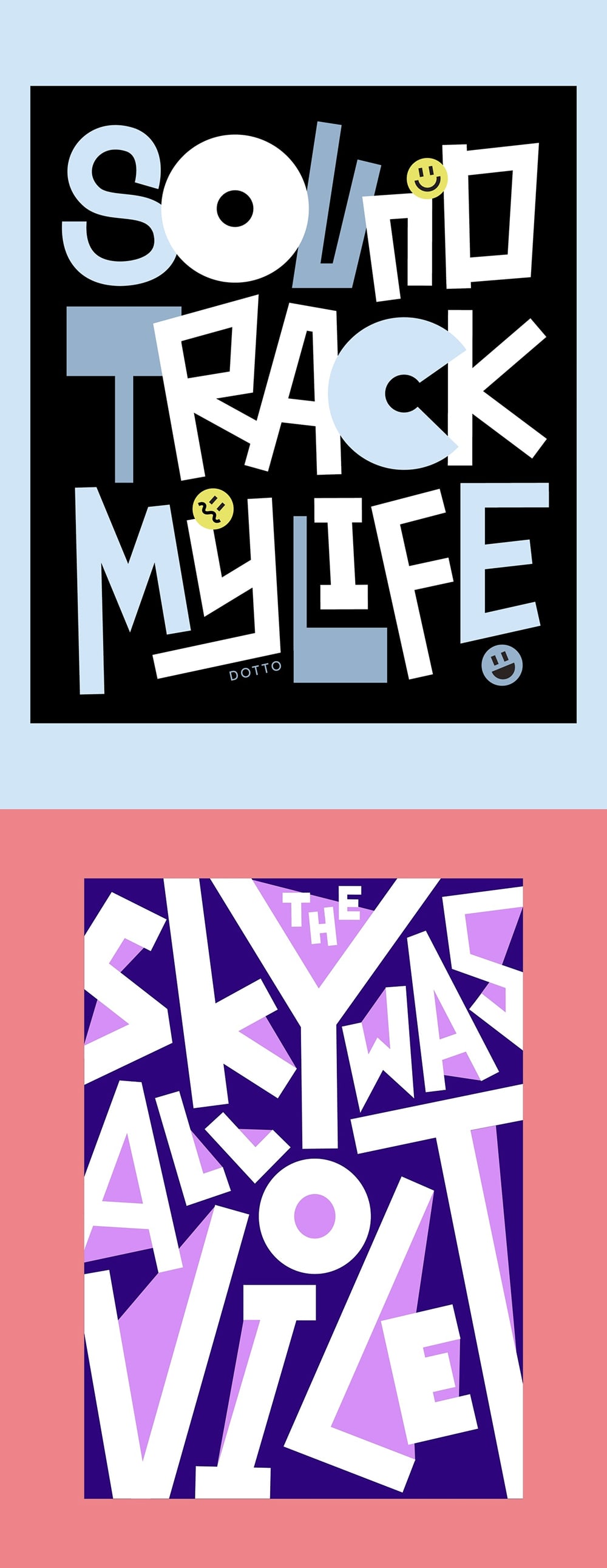
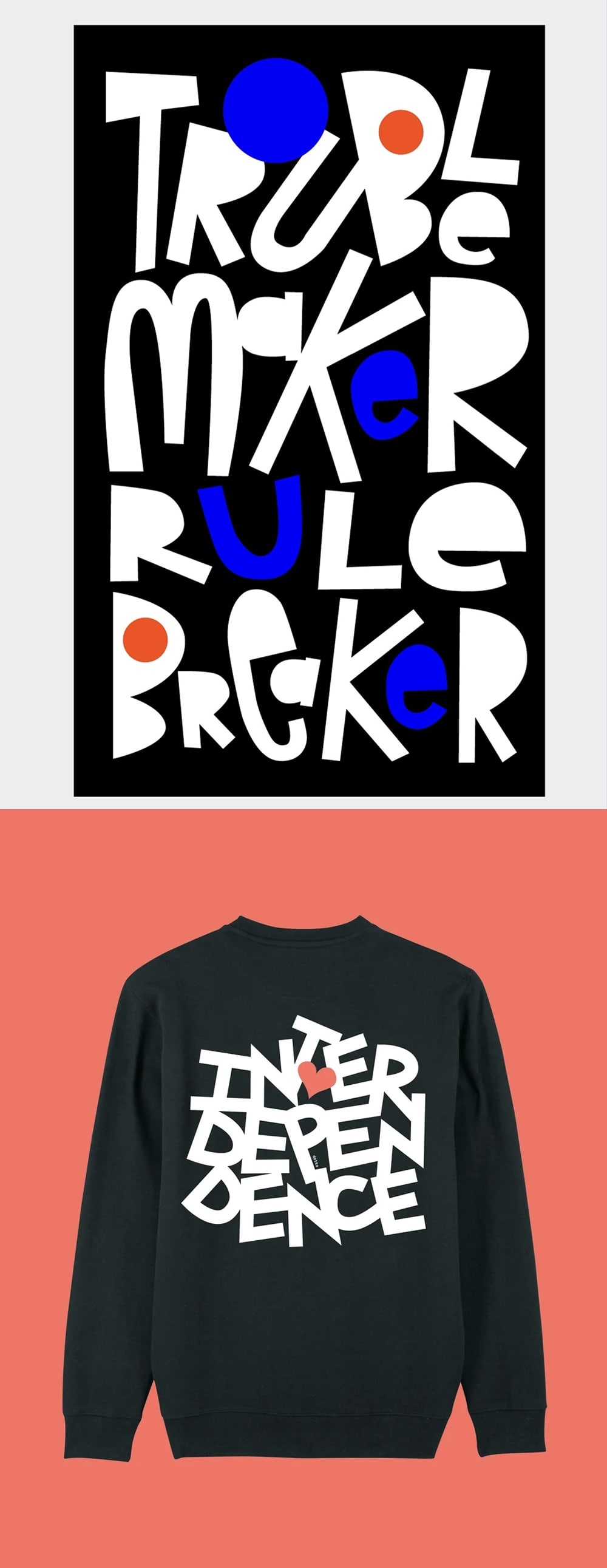
| The Manchester-based founder of Dotto Studio, Dani Molyneux creates expressive typographic art and brand identities that treat type as the subject rather than the vehicle, shaping words into bold, colour-saturated images that carry a mood as much as a message. Friends of DD enjoy a 10% discount on her prints. Become a Friend to access specials like this. |
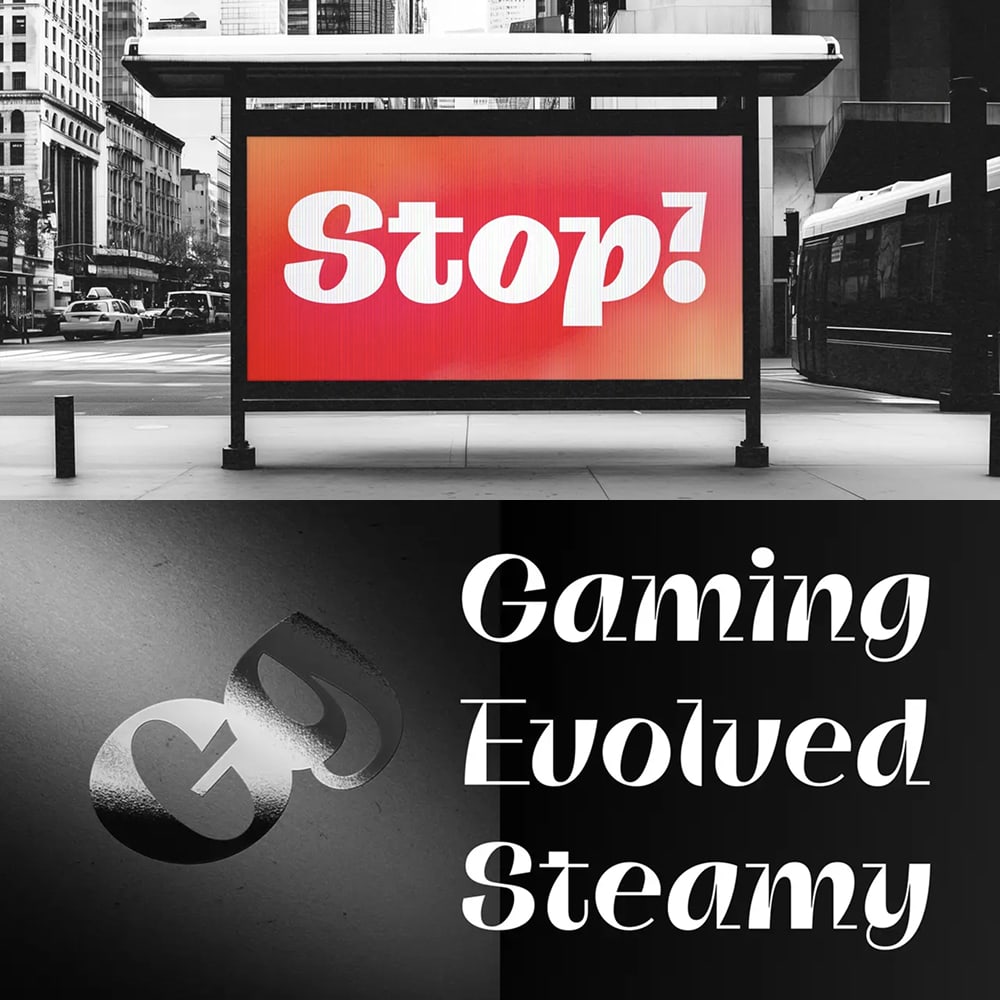
| Font of the week: Zinkraft is made for logotypes and fearless work that wants to stand out. A display typeface built on contradictions that shouldn’t exist together – upright and italic, serif and sans, bold and offbeat. |
| | | Classifieds | Believing you slept well makes you sharper, winning a Nobel can make laureates worse at their work, and why so many marathoners finish just under 4 hours. The curious things I send out every Saturday. Yesterday is a minimal journalling app that prints your entries into beautiful, novel-style paperback books each year. For the story of your life. DD readers get first month for £0.99 with code DD395. Award-winning journalist Marianne Dhenin covers community organising – from historic preservation and clean energy projects to sustainable municipal investment campaigns. Subscribe now to be inspired. Speakmac is an offline voice-typing tool for Mac. Hold a hotkey, dictate your thoughts, and text appears instantly. No subscriptions, and your data never leaves your machine. Check out Speakmac |
Classifieds are paid ads that support DD and are seen by 38,000 subscribers each week. Book yours here. |
| Numbers | 40 Deaths linked to air pollution in London fell by an estimated 40% over the five years from 2019, suggesting that efforts to improve air quality – the ultra-low emission zone among them – are starting to pay off. |
41,800 A new study from the International Council on Clean Transportation attributes 41,800 premature US deaths in 2024 to road vehicle pollution – roughly five Americans every hour. |
| | | Socials | Dear employer, I will no longer charge a flat monthly salary, instead I will move to token based billing. Included will be every token I receive as input, including but not limited to emails, slack messages, spoken words and mandatory multi-modal meetings that could have been emails. Included will also be output tokens in the form of code, documentation and small talk. Tokens will also be consumed by my internal monolog as I reason about problems. on Mastodon | | | Mood | | | |
|