 | | | Hello discoverers!Last year SpaceX made no profit, but lost several billion dollars. Earlier this year it was valued at close to two trillion. I am not an accountant, but even I know those two numbers are not supposed to sit next to each other looking so relaxed about it. A friend shared a short reel breaking down the ‘creative’ bookkeeping that makes this kind of valuation possible. I watched it twice. Still legal, apparently. Still feels like a crime. By now most of us have some sense that the AI industry runs on a similar kind of circular logic – a handful of companies investing in each other and calling it ‘explosive growth’. In this opinion piece, an anonymous blogger lays out the hype-flated AI economy in an infuriating and also very entertaining way. It opens with an old joke: a man sells ten dollar bills for five dollars each, and when asked how business is going, he says it’s booming, he just needs more volume. That’s the essay (and the AI economy) in a nutshell. “For four years we have watched the smartest people in technology reinvent this joke, add a chatbot and agents to it, and raise money at a valuation that assumes the man will one day discover a margin hidden inside the ten dollar bill.” The old rule of software was simple: as you scale, cost goes down, profit goes up: “You write the code once. The ten thousandth customer costs you almost nothing to serve. Marginal cost trends toward zero, margins trend toward heaven, and the spreadsheet curves apart into that beautiful pair of diverging lines that venture capitalists have tattooed on their hearts.” But AI doesn’t do this. Every query burns real electricity, real water, real chips. Revenue and cost haven’t diverged, they hold hands. What we’re using right now is a heavily subsidised version of AI, priced to build a habit rather than to reflect what it actually costs to run. As the author notes, “when a company files to go public, it has to stop talking like a founder and start talking like an accountant”. At some point, everyone who’s bolted AI onto their workflow is going to discover the real price of the tokens. That gap is one of five ways the author reckons ordinary people end up footing the bill, mostly without noticing: through the token costs that surface once the subsidies dry up; through the index funds and pensions that own a slice of these valuations whether you chose to or not; through electricity bills padded by data centres on your grid; through tax rebates communities hand over to data centres chasing jobs that don’t materialise; and through water, which unlike power doesn’t get cheaper once the infrastructure’s built. Of course, none of which means the technology is fake, and the author is careful to say so: “Electricity was real during the bubble in electric companies. Railroads were real, and the internet was extremely real, while fortunes evaporated in both. A technology can be world changing and a generationally bad investment at the same time, and history is mostly the gap between those two facts being violently closed.” Some call it a bubble, some call it infrastructure, some just shrug and say, ‘Ask me in five years’. But we don’t need consensus to notice the scale of it. We’re all in the AI casino now, whether we walked in or got carried in on our pension or super funds. As ever, the house is not worried. And now to this week’s discoveries. – Kai | | Hello there, and welcome to the Cream Can issue! This is Dense Discovery, your weekly dose of tenderly rabbit-holed links from a dark-pattern-riddled web. Writing to you and 36,007 others is Kai Brach based in Narrm. In the previous issue, this link got most of the clicks. Got thoughts on this issue? Simply hit reply – I read every email. Happy discovering! |
| | | Sponsor | A new kind of email design tool – built by designers, enhanced by AI, finished by you. Most AI tools promise to take the work off your hands. Flodesk Studio takes a different view: the work is the good part. Flodesk Studio starts with a foundation of human-led design – curated by the world’s top designers – then uses AI to apply your brand and bring your vision to life. From there, you refine in chat, adjust by hand, or leave it exactly as it is. The creative control stays with you, start to finish. Keep it inside Flodesk or export it to any email platform. As a DD reader you already appreciate beautiful, considered email design. Studio is built for exactly that kind of eye. Try Flodesk Studio – free in beta. |
| | | Tools | This app digs up over 90 of macOS’ buried settings and turns them into one-click, fully reversible toggles. Bundle them into recipes or scenes that switch your whole setup depending on context (work, focus, presentations). A one-time $29 fee for lifetime use across three Macs. |
| Offline, open-source grammar checker |
A few months ago I installed Grammarly again only to realise how much of a bloated AI parrot it had become. Harper looks like a great alternative: it’s free and open-source, and all the checking happens on-device, with suggestions in under 10ms and nothing sent to the cloud. It slots into Obsidian, VS Code, the browser and half a dozen other places. |
| An interesting, more artistic take on the many fitness/running apps: Orma keeps your Apple Watch face blank while you run (no pace or distance), then asks a single question when you stop: how was it? Every run gets turned into a colour and a shape built from your heart rate and elevation. The whole year can be printed as a poster or bound into a book. |
| Machine-readable consent for AI training |
Backed by names like Emma Thompson and Tom Hanks, RSL Media wants rightsholders to mark their work as allowed, allowed-with-terms or prohibited for AI use, then encodes that into a signal bots can check before scraping. Whether it holds up against platforms with little incentive to look is another question, but as a first attempt at giving creators a machine-readable ‘no’, it’s an interesting approach worth taking seriously. |
| Wanderings | Charming discoveries from the internet’s back alleys that you don’t need but might love. |
A directory and map of over 37,000 neighbourhood libraries, where you can leave a book, take a book, and discover reading spots nearby. Wikipedia’s 100,000 most-read articles, rendered as a 3D city: every article becomes a building, its height determined by how many people have actually read it. Fly a plane, click on some windows. A massive fan of the tennis player, Divya Prabhakar has catalogued every outfit Serena Williams has worn on-court: each round, discipline and tournament from 1995. An online and a real-life pop-up museum in San Francisco, The Museum of the Human Web gathered over 90 artefacts spanning 80 years of internet history, honouring an era when networks, sites and memes were still built by human hands rather than algorithms. A lovely project that could use your input: a spinning globe where every dot is a stranger’s recorded voice memo – a story, memory or feeling from somewhere else in the world. Add your own! |
| | | Books | 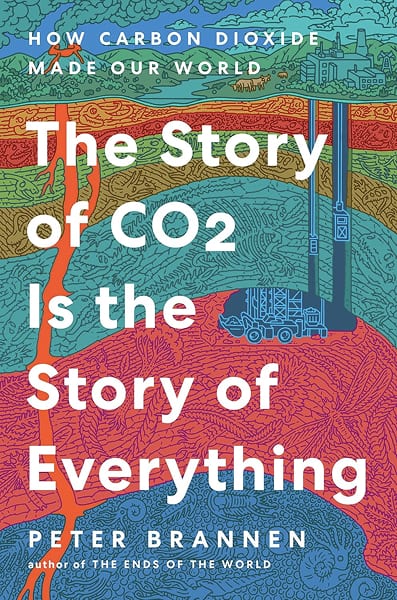 | Our planet’s history in one moleculeFour billion years of Earth’s history, told through the movements of a single molecule – carbon dioxide. Science journalist Peter Brannen tells CO2’s journey through rocks, oceans and air since the dawn of life. It’s not just fossil-fuel exhaust but the very molecule that’s made Earth habitable (and occasionally uninhabitable) again and again. |
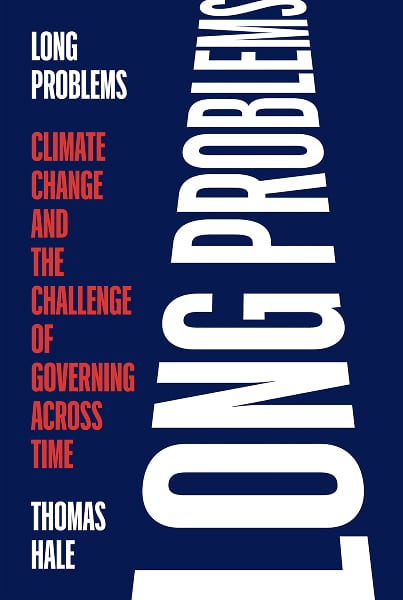 | Governing problems that outlast usThomas Hale digs into why our politics is so bad at handling problems that unfold over decades or centuries – climate change as the most obvious one – and why short-term thinking keeps winning out. In this policy-heavy book, he doesn’t just diagnose the issue but also sketches out actual tools for building institutions that can hold a long view without losing the ability to adapt. |
| Socials | Why would you use ChatGPT when a perfectly average man can answer any question you have with the same confidence and inaccuracy? on Substack | | | Media | Read | A disconcerting but entertaining opinion piece on the AI gold rush. The (anonymous?) author argues that the era of subsidised, circular financing is nearing its end. As data centres guzzle resources and capital becomes scarce, we’re about to discover AI’s true economic utility once stripped of its glossy, VC-fuelled narrative. |
“So when you see the headline that revenue tripled, the appropriate response is not applause. It is the question an accountant would ask, which is – and what did it cost you to triple it. The answer, increasingly, is roughly three times as much.” |
| Read | Car ownership is much more expensive than most people guesstimate – as previously covered in The Insane Cost of Cars. This piece by financial planner Hanna Horvath goes beyond highlighting the enormous financial burden of owning a car. It argues that living more centrally (even at a higher cost) not just liberates our bank accounts, it fundamentally reshapes how we experience friendship, spontaneity and the joy of simply being. |
“A lot of the car brain mentality mirrors everything I write about in money psychology. We treat car ownership as a personal choice, just like we treat financial decisions as personal choices. But the choices were often made for us, decades ago, by policymakers, developers, car manufacturers, and oil companies.” |
| Read | In this piece, the blogger Kester describes a pretty neat metaphor: emotions aren’t the engine of our behaviour, they’re the cargo. Trying to shift one’s situation by forcing a change in how one feels is a fool’s errand, because emotions are strictly reactive. Real change only comes from moving your body or being around actual people, not from managing your feelings first. Once you accept that, your emotions become a useful signal for whether what you’re doing is working. |
“We’ve all heard the phrase ‘Follow Your Joy’, but I think it’s more accurate to say ‘See What Actions Joy Follows’. This is an important distinction, especially when you are just starting to get yourself out of a ditch.” |
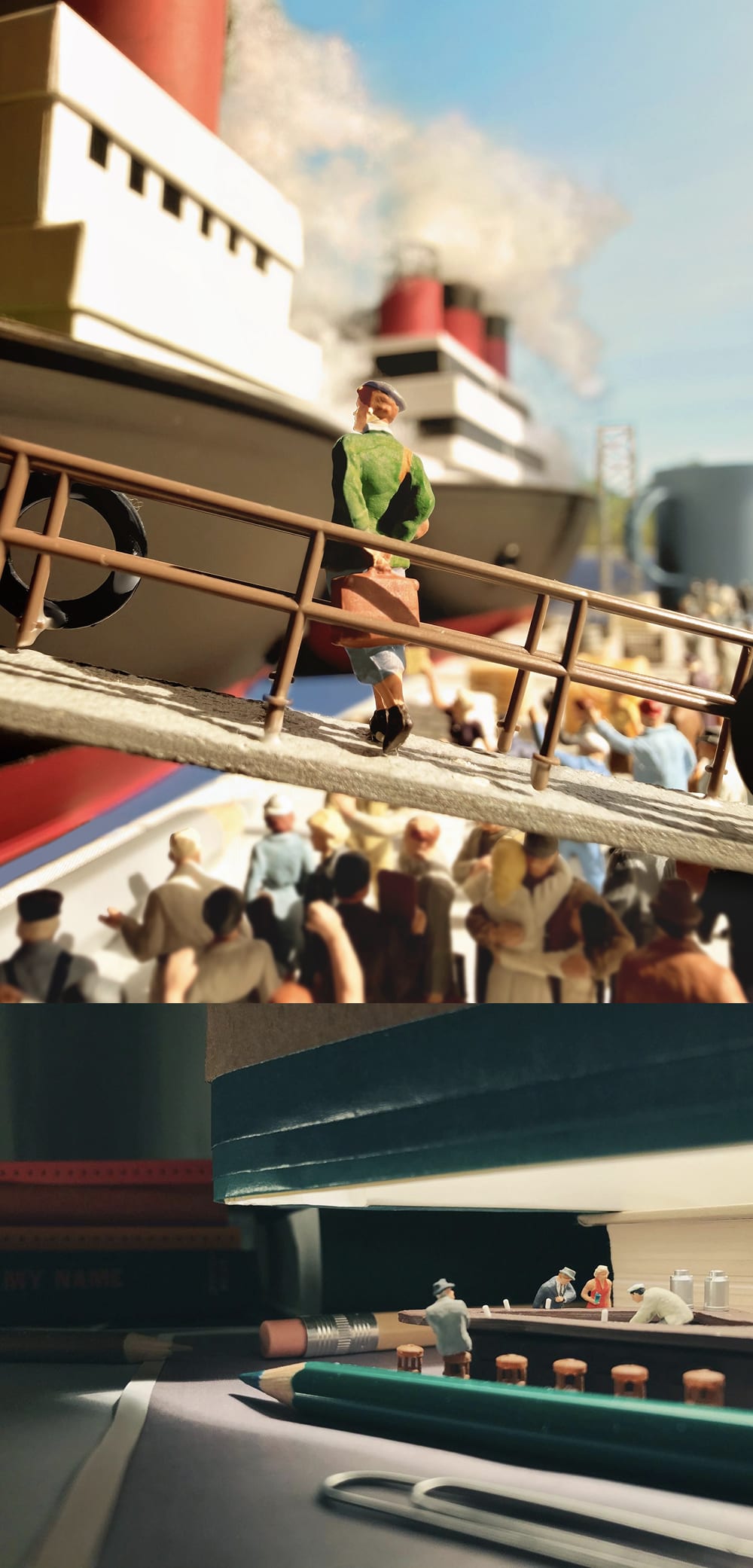
| Inspiration | Seattle-based artist and photographer Derrick Lin builds cinematic miniature dioramas from everyday materials like cardboard and office supplies. His tiny hand-painted figures visualise emotions like loneliness, nostalgia, grief – shot in a stunning, perfect light setting. |
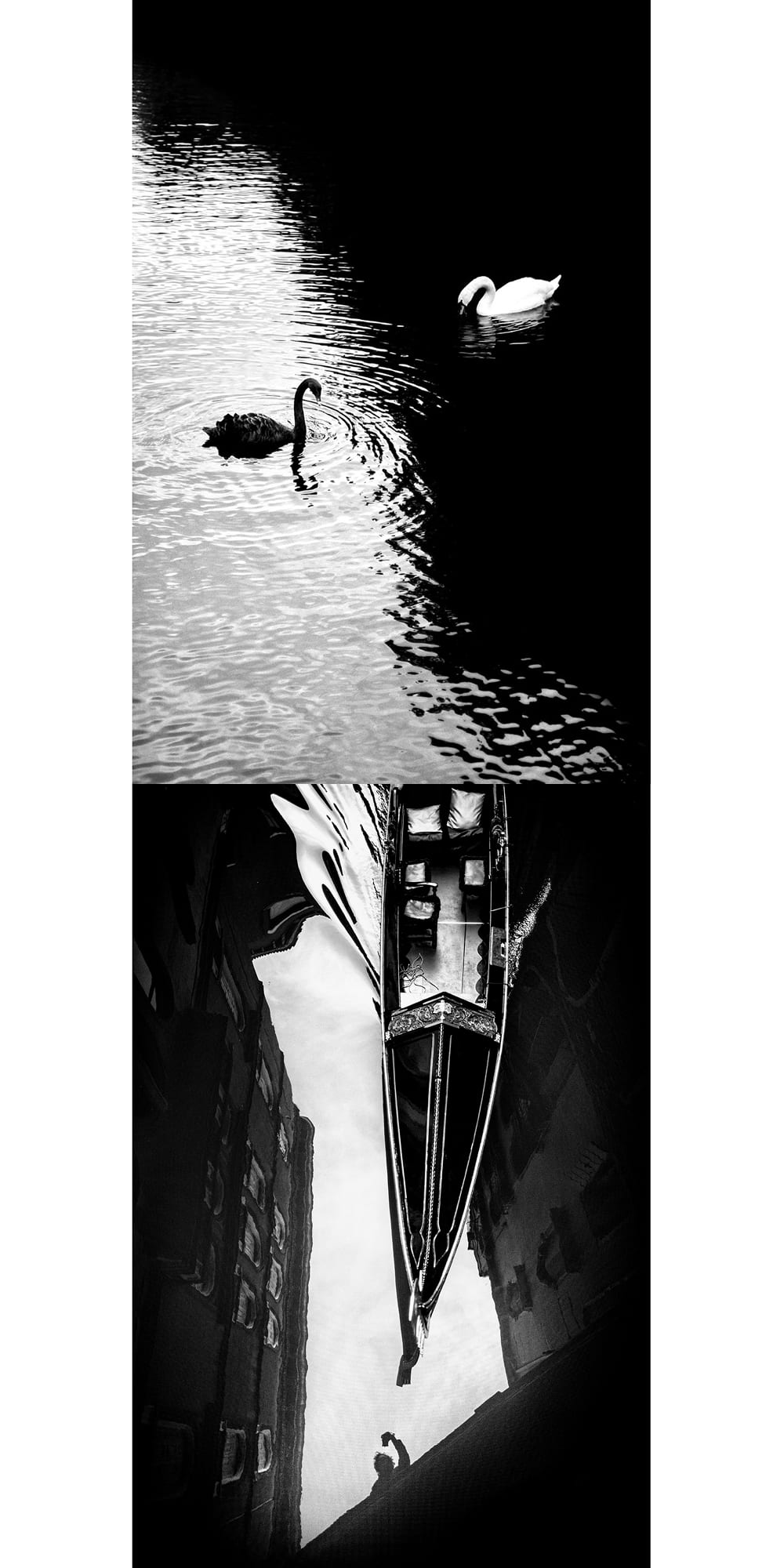
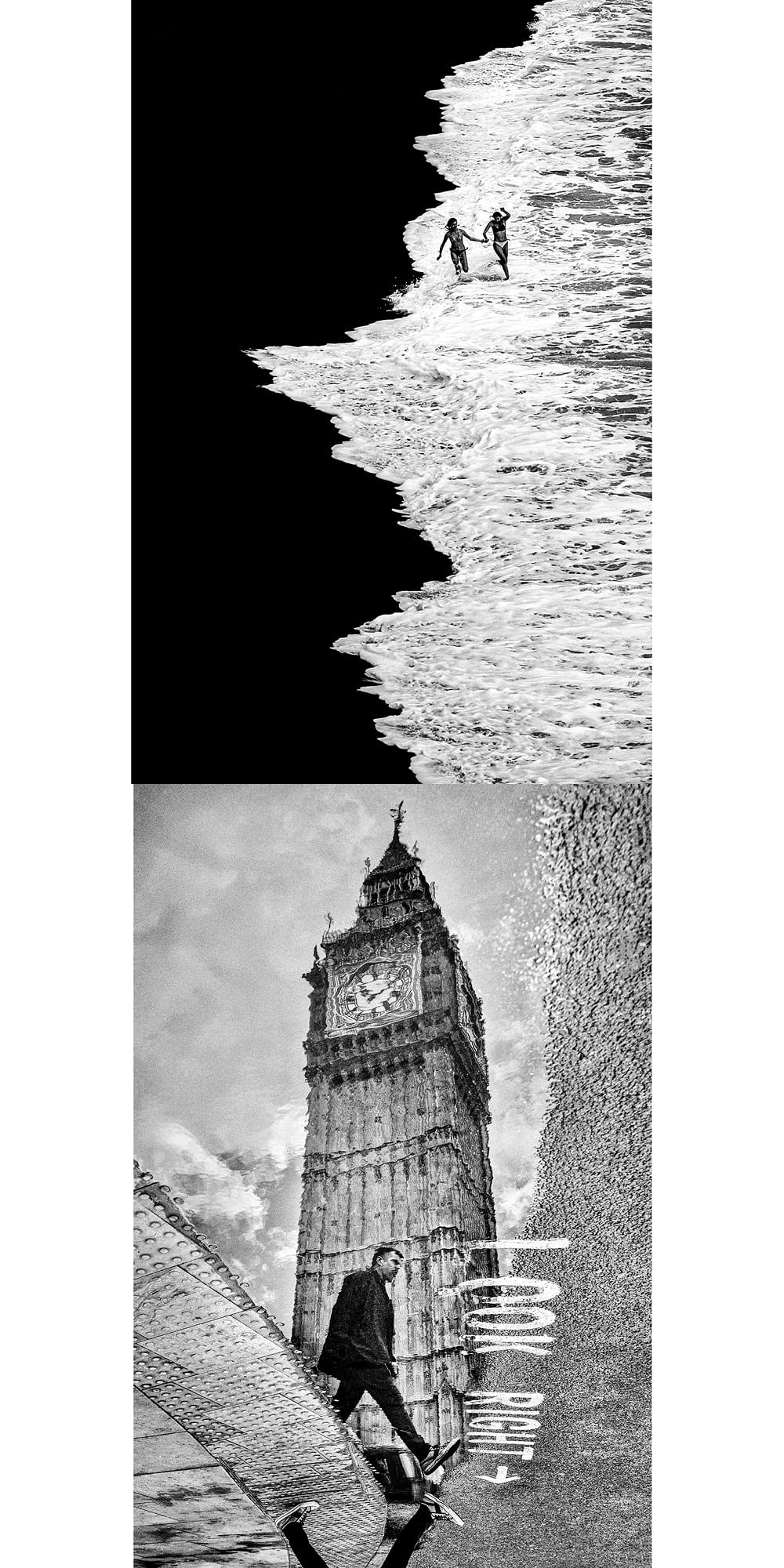
| Alan Schaller shoots high-contrast black and white street scenes where architecture and people seem to merge. Stark shadows and geometry turn fleeting city moments into something closer to abstract art. |
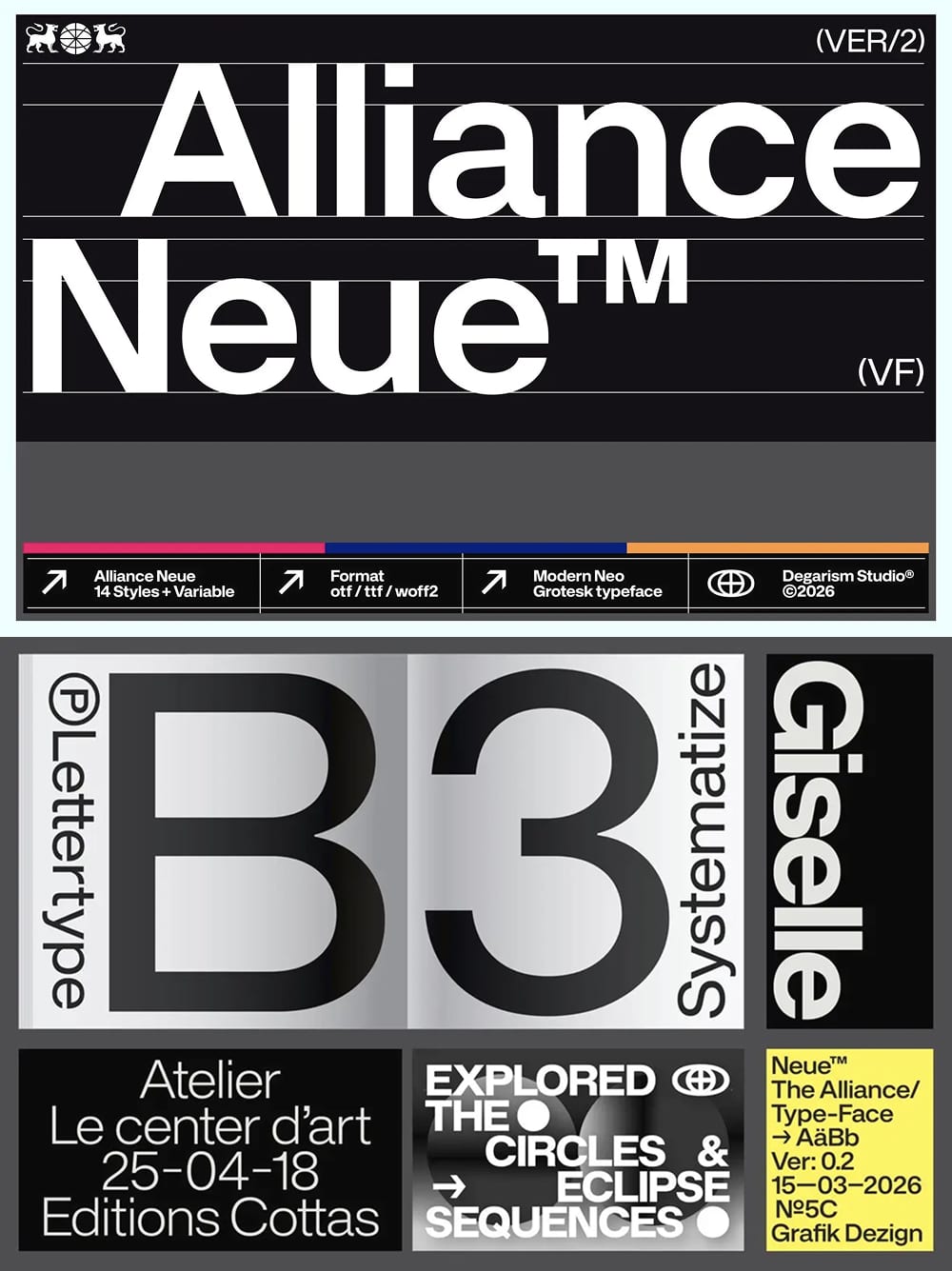
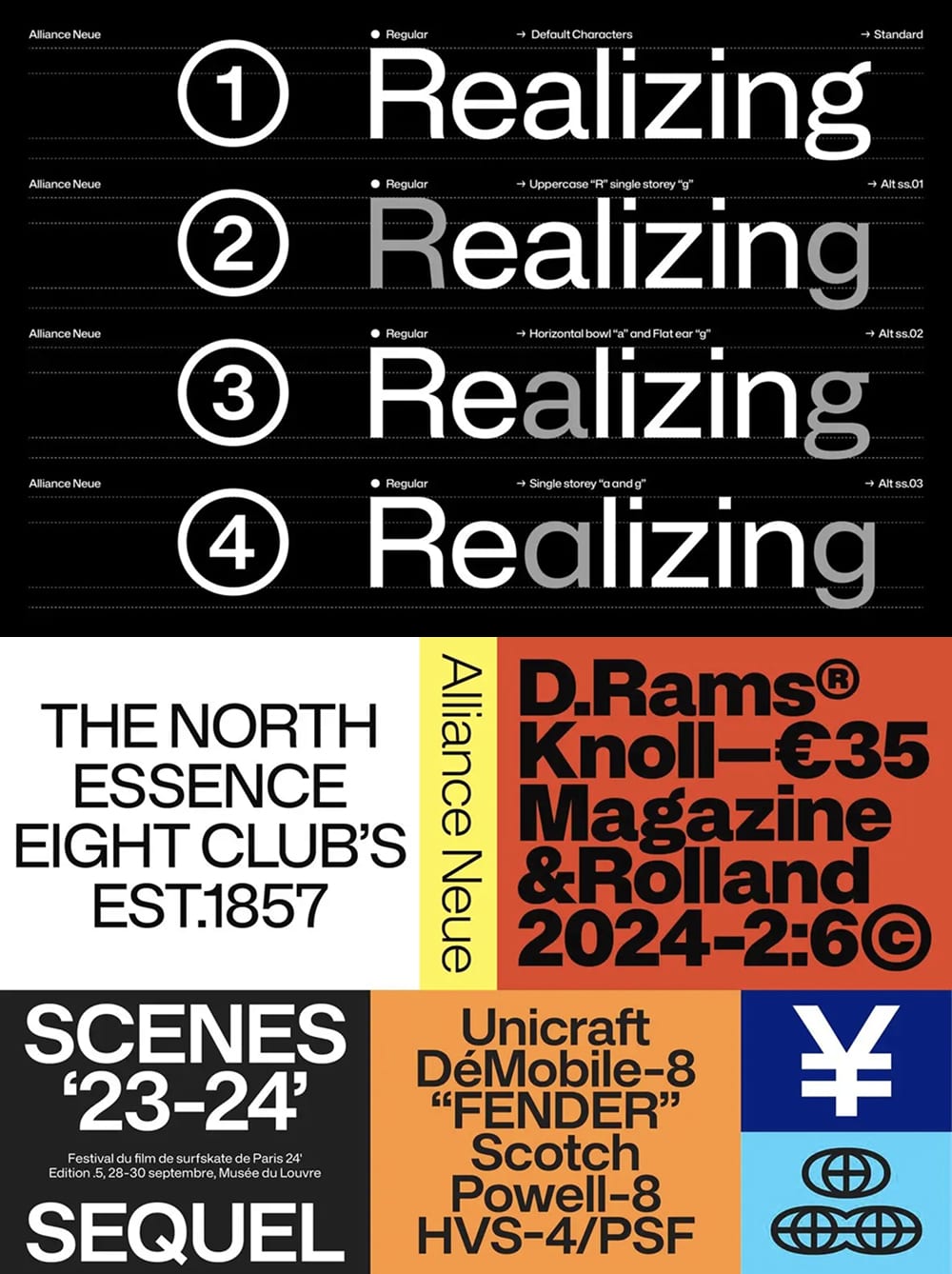
| Font of the week: Alliance Neue is a contemporary grotesque typeface that balances industrial precision with enough character to hold up in both dense editorial text and large-scale display work. |
| | | Classifieds | The Japan or Die Newsletter. Skip the tourist traps. Get a curated look at izakaya culture, local neighbourhoods, and B-class gourmet. Insider advice to help you connect on a personal level. Join us! A good event lives in one place. Its photos end up split across everyone’s phones. OutOut fixes that. One private space per event, kept as a memory. Free app. £1.99 keeps a memory forever. No ads. Revue Collé is a weekly exploration into the world of contemporary collage – the most forward-thinking artists, delivered every Wednesday. Sign up for Collé’s weekly newsletter. The anti-social-media, social media app; no photos, no AI, no endless scroll. Just one prompt a day, doodles, and your friends. |
Classifieds are paid ads that support DD and are seen by 38,000 subscribers each week. Book yours here. |
| Numbers | 1.3 The energy consumed by data centres in 2025 was enough to supply the annual residential electricity needs of the entire population of Sub-Saharan Africa, 1.3 billion people, for 2.6 years. |
16 According to a recent Pew Research study, only 16% of US adults say they think the impact of AI on society over the next 20 years will be positive. 48% of 18–29 year olds expect it’ll be negative. |
| | | Socials | Every hobby starts with curiosity and ends with storage problems. on Mastodon | | | Mood | | | |
|