 | | | Hello discoverers!The social apps are long gone from my phone, but there’s one screen habit I haven’t managed to kick: the news. The NY Times, the BBC, a couple of German and Australian news sites – these are still some of the most-visited bookmarks in my browser, and I’m not proud of it. I know exactly what it does to me. I open a tab, get my little hit of outrage, and often feel worse for the rest of the day. It’s an addiction I’d like to quit, but it’s right there, one tap away, and the clown-cum-fascist political theatre currently wrecking most Western democracies is, frustratingly, very good content. So I went back and reread Adam Mastroianni’s 2022 essay on quitting the news. Mastroianni has a habit of overstating things for effect, but his central comparison – that reading the news today is a lot like smoking used to be – feels more true every year. “I stopped importing my grand anxieties into conversations with friends, punishing them with my sullenness because I just read an article about climate change or bad senators, as if nobody was allowed to feel good as long as bad things are happening… That’s how I came to see reading the news like smoking: harmful not just to the consumer, but to anyone nearby.” From there he builds his case against consuming the news, and most of it will sound familiar. It makes us feel terrible, keeps us on edge and distorts how we see the world and the people in it. The more interesting part is what comes after that: the pushback he often gets from people once he tells them he’s quit. Two of those arguments I’ve held onto myself: that you need to read the news to be an informed citizen, and that someone has to hold power to account. But knowing what happened this morning and understanding an issue are two different things, and only one of them is well served by a homepage refresh. I’m writing this down partly to hold myself to it. I want to unlearn the reflex of checking what fresh horror the ghouls in charge have cooked up overnight, because that reflex has never once made me more useful to anyone. What I don’t want to cut out completely is the political analysis and commentary I enjoy – so instead of grazing headlines throughout the day, my approach for now is to blacklist most news sites and allow myself an hour or two a week with a proper news podcast (something like The Daily, Today Explained, Today in Focus or a weekly wrap) – one that has time to explain rather than just alarm. There’s an argument that opting out is its own kind of privilege, but I’m no longer sure that holds, at least not for national or global news. My attention barely moves the needle there. There’s an old saying that ‘all politics is local politics’ – that the big national fights are really just thousands of small local ones stacked on top of each other. (Also see DD299.) I’m choosing to believe it, mostly because it’s the only version of politics where my attention still counts: a council survey, a park clean-up, a chat with a local shop owner. At the end of the day, I’d rather be useful and optimistic than up to date and miserable. And now to this week’s discoveries. – Kai | | Hello there, and welcome to the Just Right issue! This is Dense Discovery, your weekly dose of mercifully tab-culled links from a metrics-obsessed web. Writing to you and 36,058 others is Kai Brach based in Narrm. In the previous issue, this link got most of the clicks. Got thoughts on this issue? Simply hit reply – I read every email. Happy discovering! |
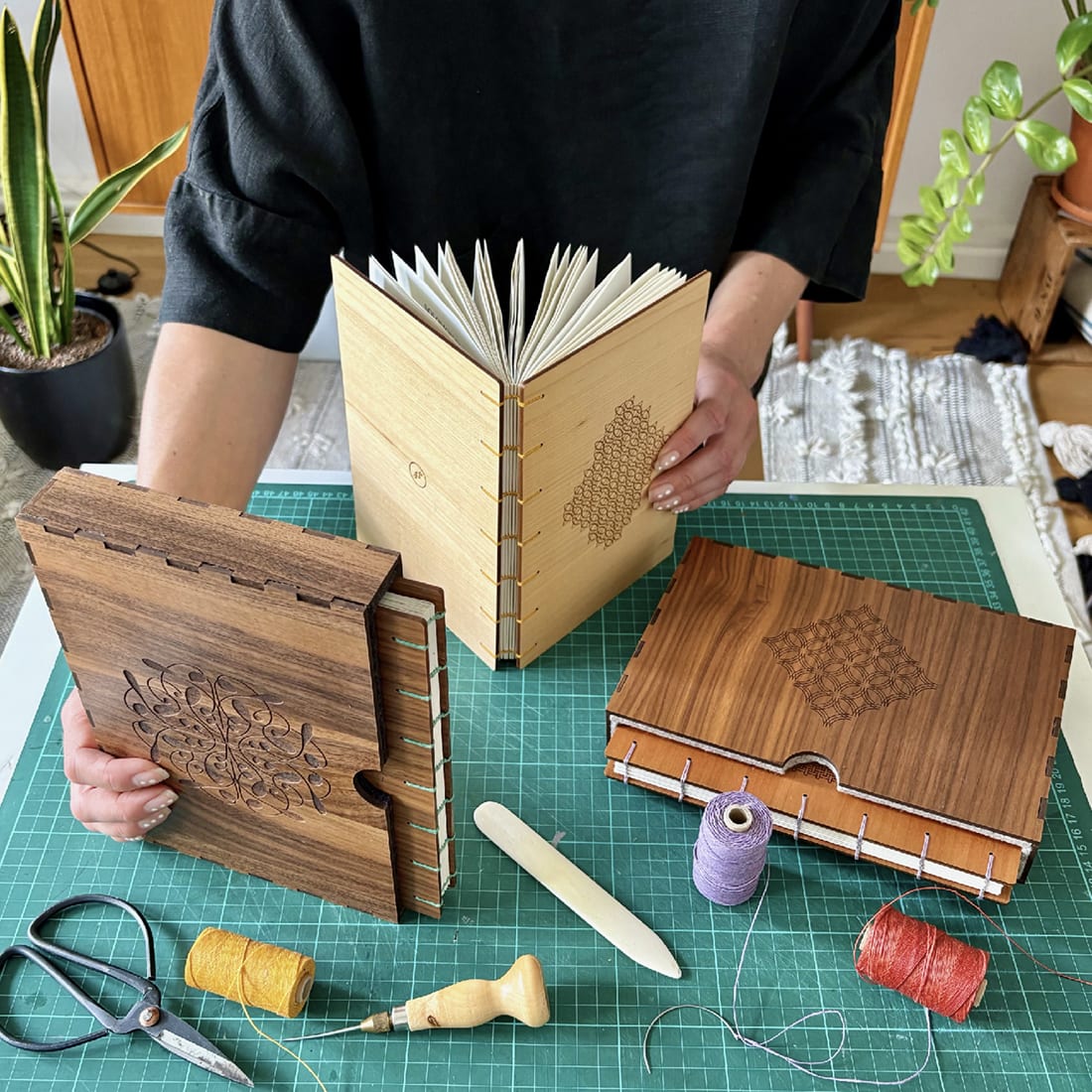
| | | Sponsor | Fondfolio gives you the chance to say nice things about a friend or loved one, then turn that into something they can hold, return to, and keep for a lifetime. Hi, I’m Fiona. I make each book by hand, handle every order, and answer every email. My partner Matt does the app design and development (in his free time) – that’s the whole team! Thoughtful words are collected online from everyone who matters, typeset with care, and printed on Gmund’s speckled Bio Cycle Wheat paper. Then bound with sturdy waxed Irish linen thread using a technique that’s been around for centuries. No two books are alike and they’re made to last. A meaningful, memorable gift made with the intention to celebrate the people who matter most. Many say it’s the best gift they’ve ever received! Create a Fondfolio → |
| | | Tools | What’s happening outdoors near you |
This neat little app pulls together iNaturalist observation data and Wikipedia species info to tell you what’s stirring in your local area right now, from butterfly hatches to bat activity, cross-checked against current weather and season. What a great way to encourage you to occasionally look up from your phone and learn more about your local ecology. Here in Melbourne, the cute Eastern Pygmy Possums currently curl into tight balls to enter ‘torpor’ – a state of deep physiological rest to conserve energy. |
| Digital business card, done right |
CallCard is a neat, minimal alternative to Linktree or other ‘About Me’ one-pagers, but with a few very useful pro touches built in: visitors can message you directly, drop you a file or request a callback at a time that suits them, with field-level privacy controls so you decide who sees your phone number or email. You can even dispatch money requests and there is a CRM-like backend to manage multiple cards. |
| A calm home for your photos |
Give your photos a small, calm corner of the web without algorithms, follower counts or pressure to perform. Moments is a small photo-centric blogging tool for high-res images with custom domain support, RSS and full export capabilities. |
| Building public interest AI |
Not so much a tool, but an interesting movement/initiative I’d like to give more attention: Current AI is a global public-private partnership that funds open datasets, tools and infrastructure so that AI development serves the public interest rather than being shaped solely by a handful of governments or tech companies. We need more attempts to build truly open, community-owned alternatives to the closed, extractive AI models of today. |
| Community | 
Updates from the community: Friends of DD share what’s currently capturing their attention. |
I loved replaying each game of the World Cup with these data portraits based on roughly 1,500 recorded events – every touch, pass, shot and card.
– Jai I really enjoyed reading Full Tilt: Ireland to India with a Bicycle by Dervla Murphy. It’s a sort of diary about her solo bikepacking trip in 1963. Incredible!
– Ainhoa Last year I took over a little print-only magazine called Northern Earth. It’s about landscape, people & place, archaeology, folklore. In 30 years of freelancing it’s the best fun I’ve ever had!
– Andrew We’re freaking out about AI, but this is way more important: here comes the (right) time for stigmergy.
– Fernando Pianist Daniel Anastasio makes classical music feel alive and approachable. His Instagram and podcast are a perfect entry point for younger listeners curious about the genre but unsure where to start.
– Daniel I’m on a quest to become a YouTube creator. Lots of advice online, but there isn’t a single place to start. I created attn.design – one place to get inspired, learn frameworks and systematically practice becoming a creator with sprints.
– Gaurabh The site Is AI Profitable Yet? makes me laugh. Super simple but so meaningful.
– Anita The Chairs Are Where the People Go is a collection of seventy-two tiny essays on how people talk, argue and get along. I reach for it whenever I’m feeling a bit lost, and always mean to read just one chapter before losing half an hour.
– Gemma I meditate with my nine-year-old daily along The Way. As opposed to overwhelming selections in apps, you systematically approach meditation with one lesson per day as you follow a clearly explained path.
– Paul A friend recently launched Corus, an app for sharing music and movies you’re enjoying. An antidote for anyone feeling a bit overdosed on algorithmic feeds.
– Dan |
| | | Books | 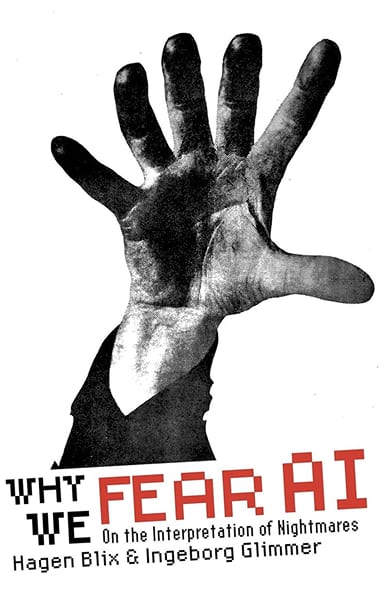 | Our real AI anxiety is capitalismWriters and researchers Hagen Blix and Ingeborg Glimmer believe our AI nightmares aren’t really about the technology at all, but about capitalism wearing a new mask, reimagined as an unstoppable, autonomous force. Drawing on cognitive science and political economy, they trace how the same fears look wildly different depending on whether you’re a warehouse worker or a venture capitalist. |
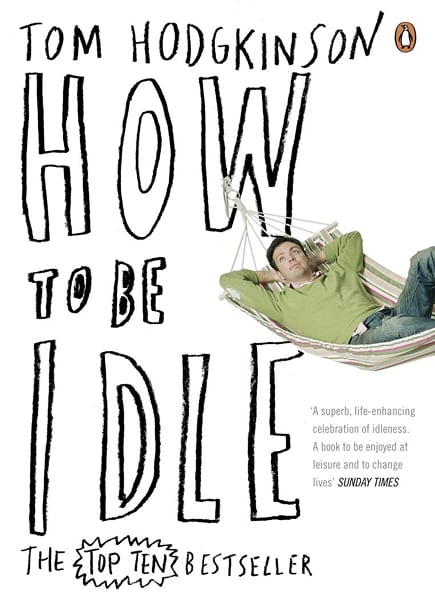 | The case for doing nothingFirst published before the iPhone gave us constant connectivity, this book by Tom Hodgkinson, editor of the long-running magazine Idler, makes a funny and surprisingly well-researched case against our obsession with productivity. He pulls in the likes of Dr Johnson, Nietzsche and Oscar Wilde to argue that idleness isn’t a failing but a right worth reclaiming. An entertaining permission slip to slow down. |
| Socials | Armed with generative AI, a B student can produce A work while turning into a C student. on Substack | | | Media | Read | Adam Mastroianni’s comparison between news consumption and passive smoking feels increasingly apt, as our news-induced anxieties often pollute the headspace of everyone around us. Here he lays out his argument for quitting the news and I appreciated his rebuttal to the typical pushback you’d get for no longer caring about the news. By giving up this false sense of duty to the wider world, we can reclaim our attention to focus on where our time and actions actually matter. |
“Our ancestors never had more videos than they could ever watch or more books than they could ever read. We, their hapless descendants, are evolutionarily unprepared for a world where we can binge on content until we hurl. We need the mental equivalent of chicken-wire: a barrier to let the sunlight in while keeping the varmints out. For now, that barrier must come from deliberate practice.” |
| Read | Once again, the Netherlands has been crowned the world’s happiest place for children, and this piece gives us some idea why. Rather than abstract idealism, it pins the success on tangible, human-scale choices: traffic-calmed streets, strict smartphone bans in schools, a genuine commitment to gender and economic equality, and a culture that gives kids the right amount of rules and autonomy. |
“Low rates of bullying in Dutch schools, which have a blanket ban on smartphones, is another factor, adds De Looze. The Netherlands’ status as a leader in gender equality also boosts childhood wellbeing, her research shows – and not just for girls. ‘We found that in more gender-equal countries, boys and girls were happier than in gender-unequal countries’, she says. ... ‘In countries with high economic inequality, people are unhappier, even the richest. More equality is better for everyone.’” |
| Read | Phil Levin has watched enough co-living groups (people trying to share a home or neighbourhood) fail to spot a pattern: they often die not from bad organisation, but from a need for consensus. Democratic house-hunting, like most collective undertakings, is doomed the moment everyone insists on their personal preferences winning out. His fix is pretty straightforward: someone has to shoulder the risk and simply decide, trusting the rest to come round once the thing is real. This logic holds well beyond co-living. |
“Somebody is not getting their personal preference. That’s not a bug in your group. That’s just math. Which means there are only ever two real options: people get on board despite their preferences, or you eject them. There’s no third door where everyone’s wish list is quietly satisfied.” |
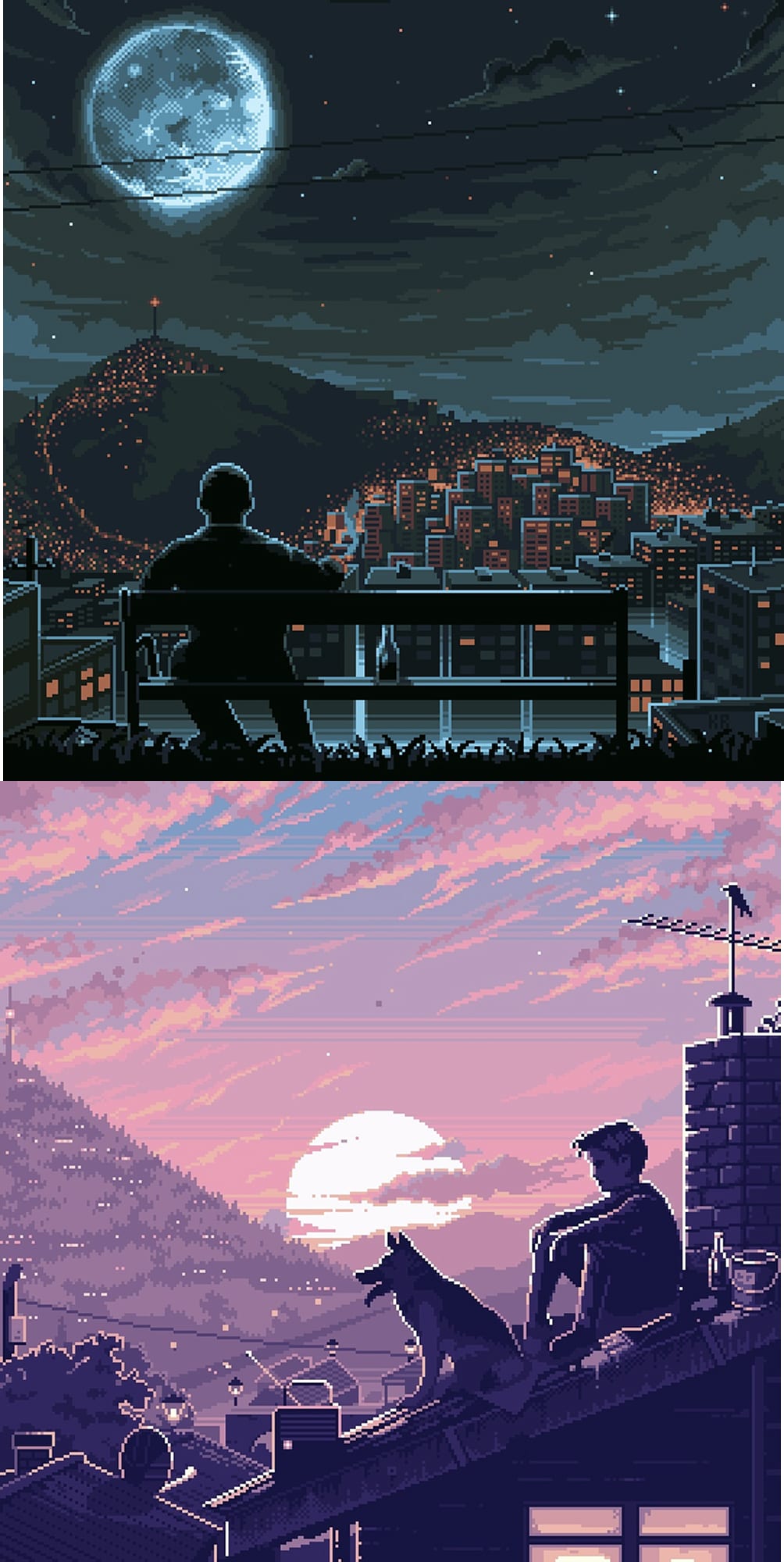
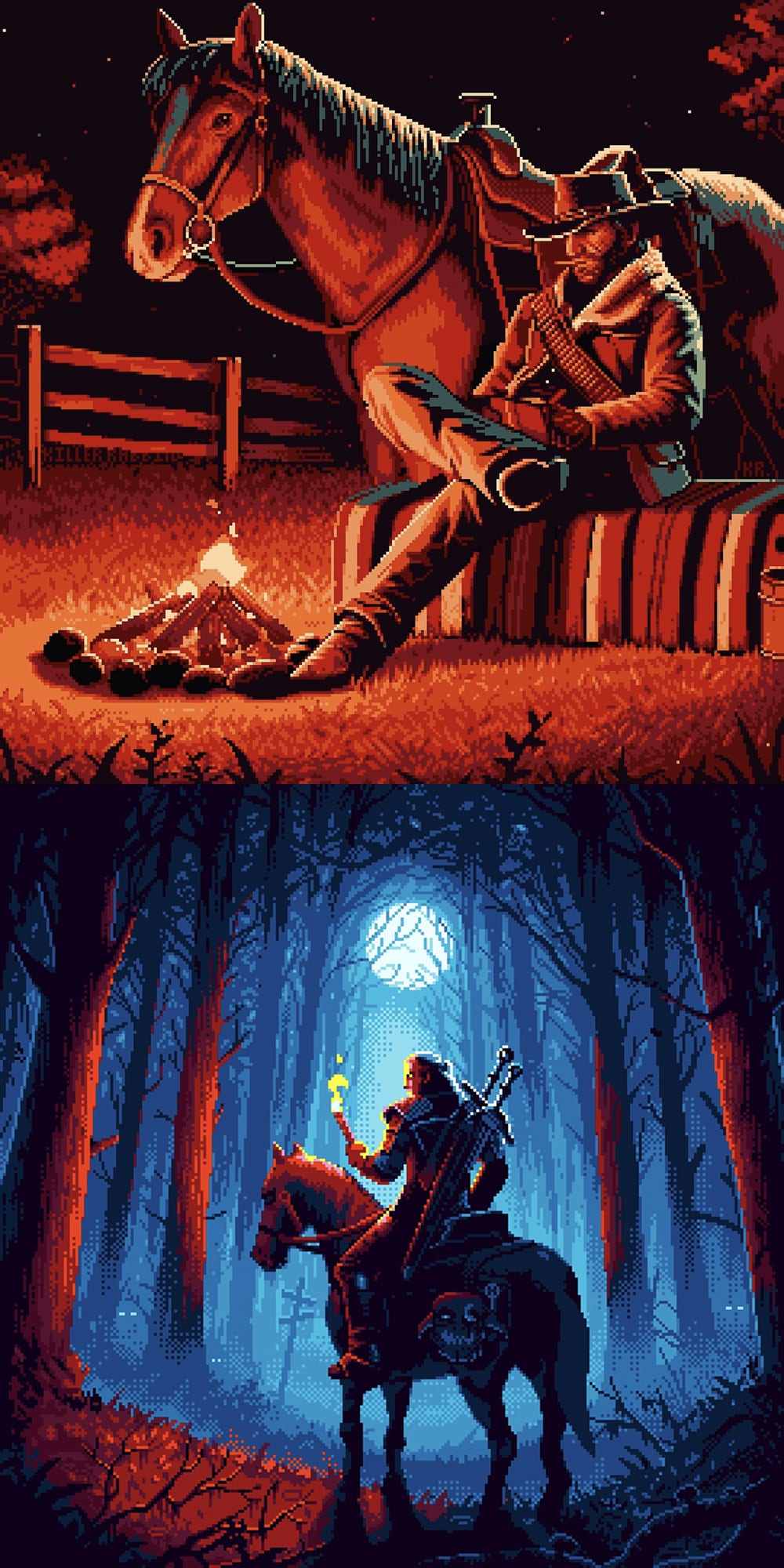
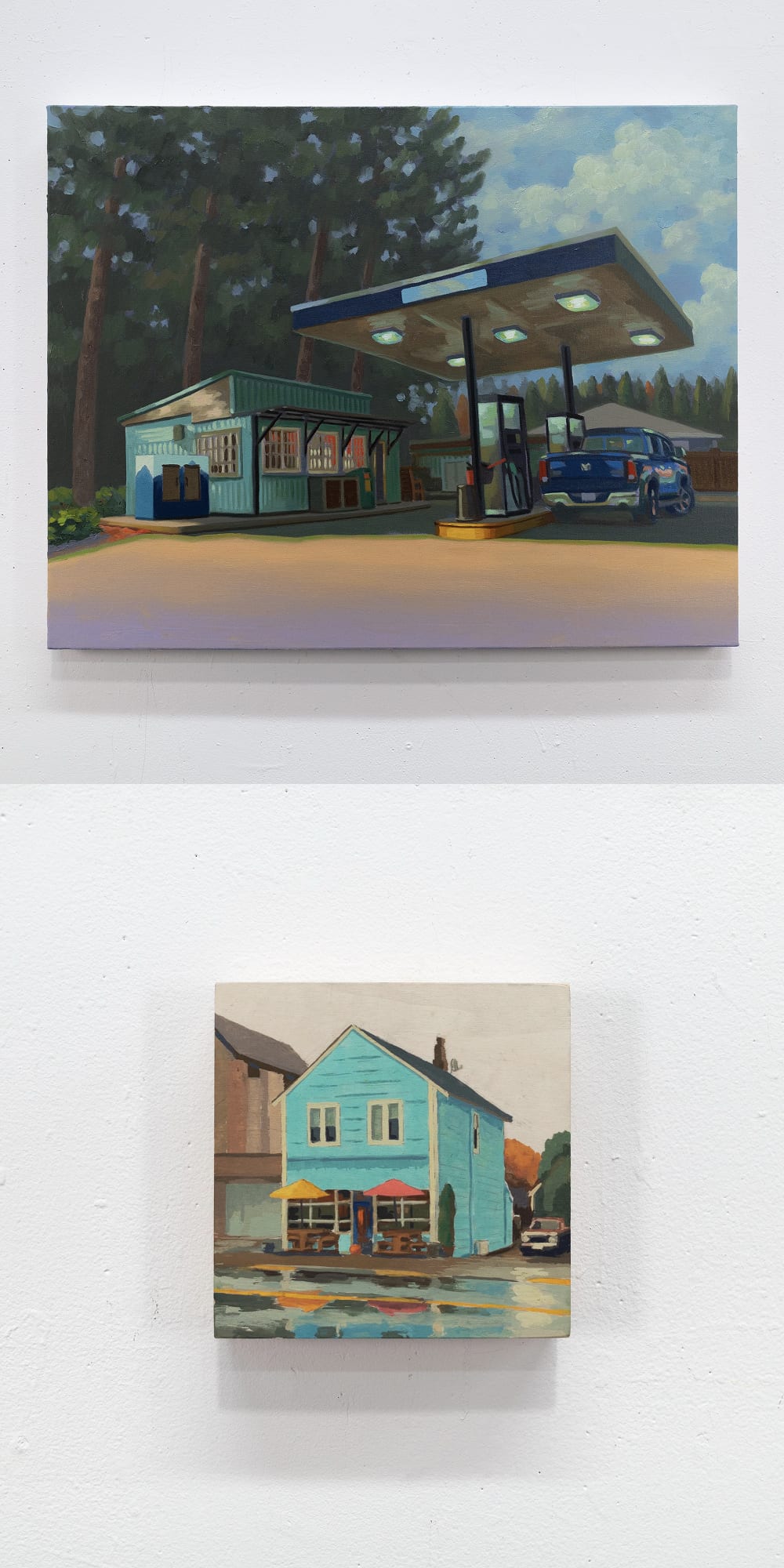
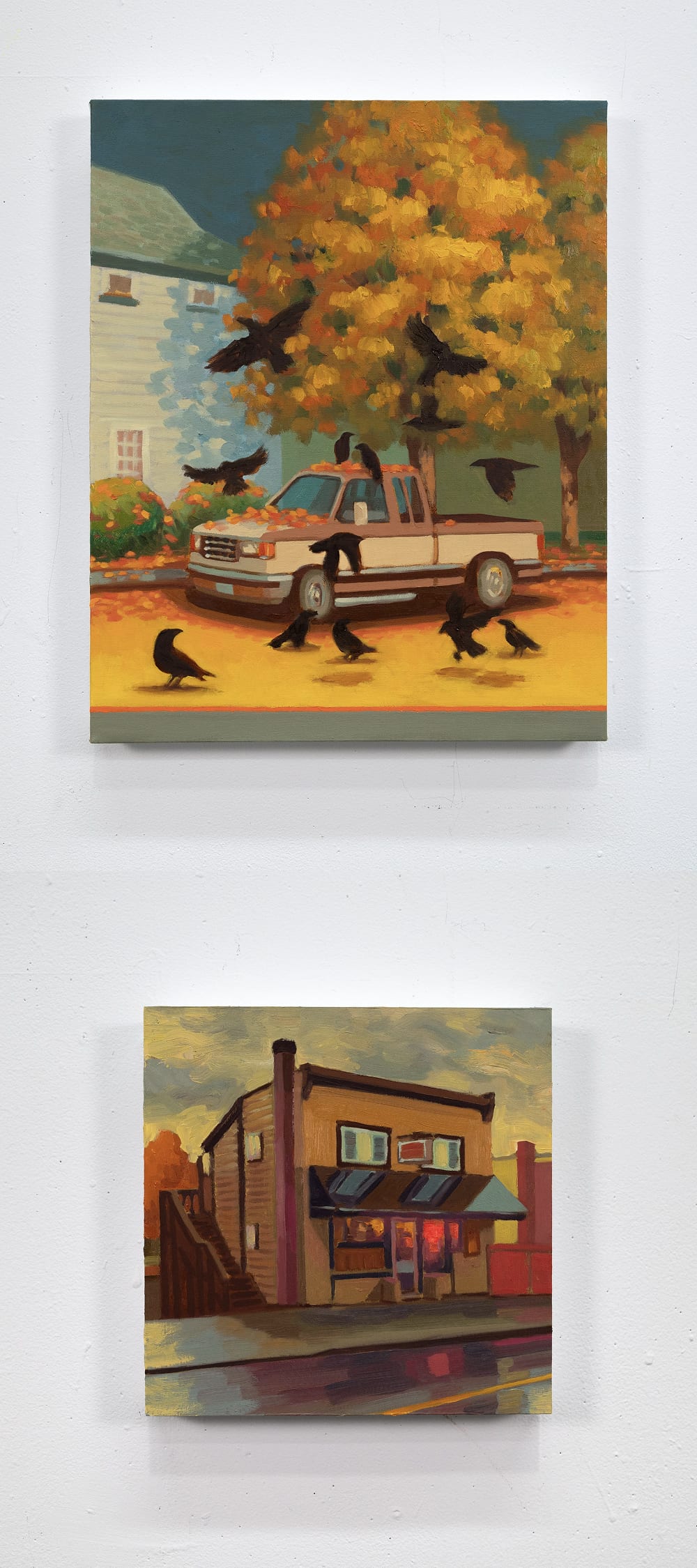
| Inspiration | | A beautiful, hand-made contrast to the pixelated work above, but of a similar mood: Taiwanese-Canadian painter Liang Wang’s new collection, Into the Inhabited Silence, uses a radiant, cinematic palette to capture small human structures glowing against the isolating backdrop of the Canadian wilderness. I love the small format of some of the paintings! |
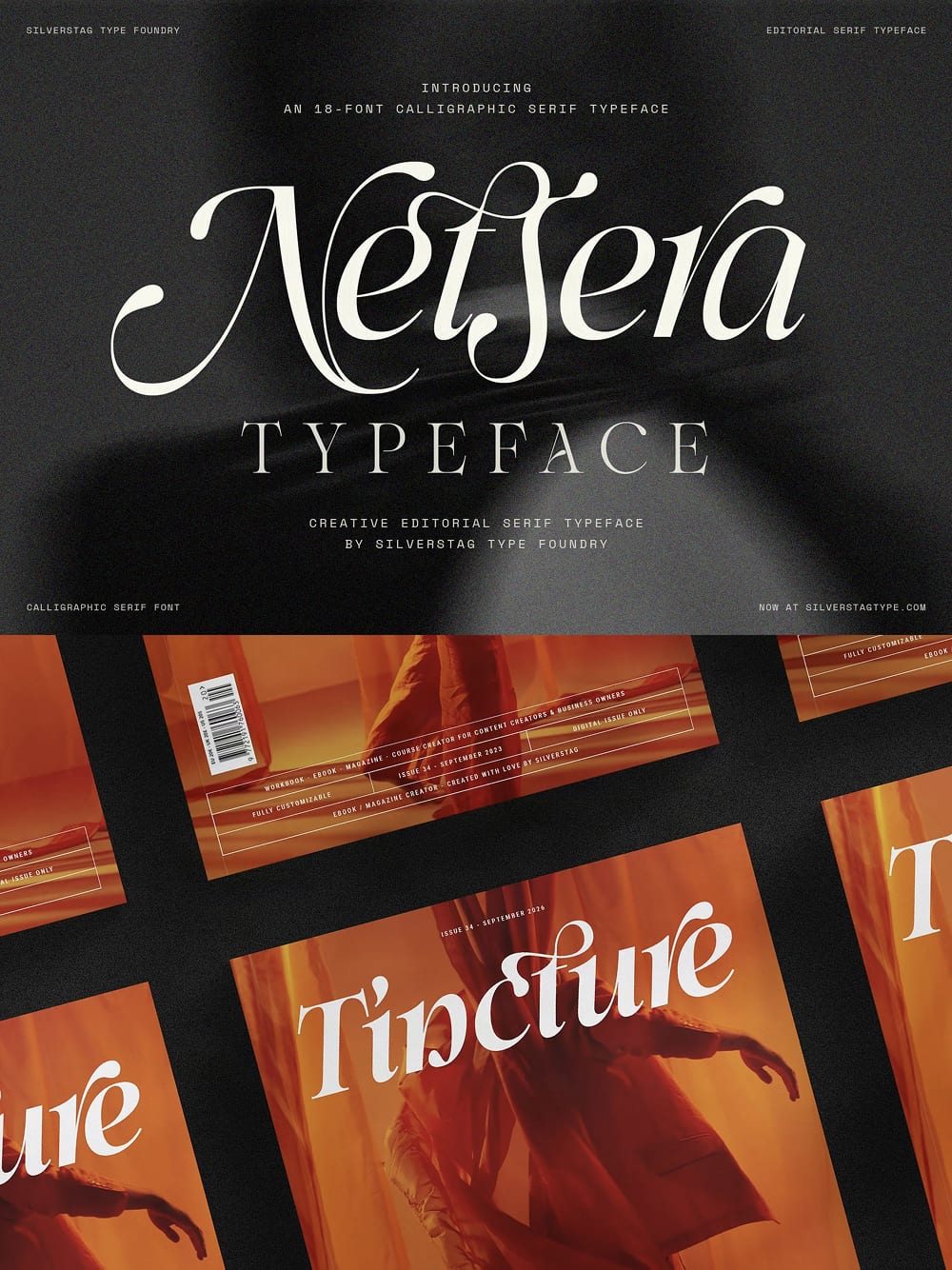
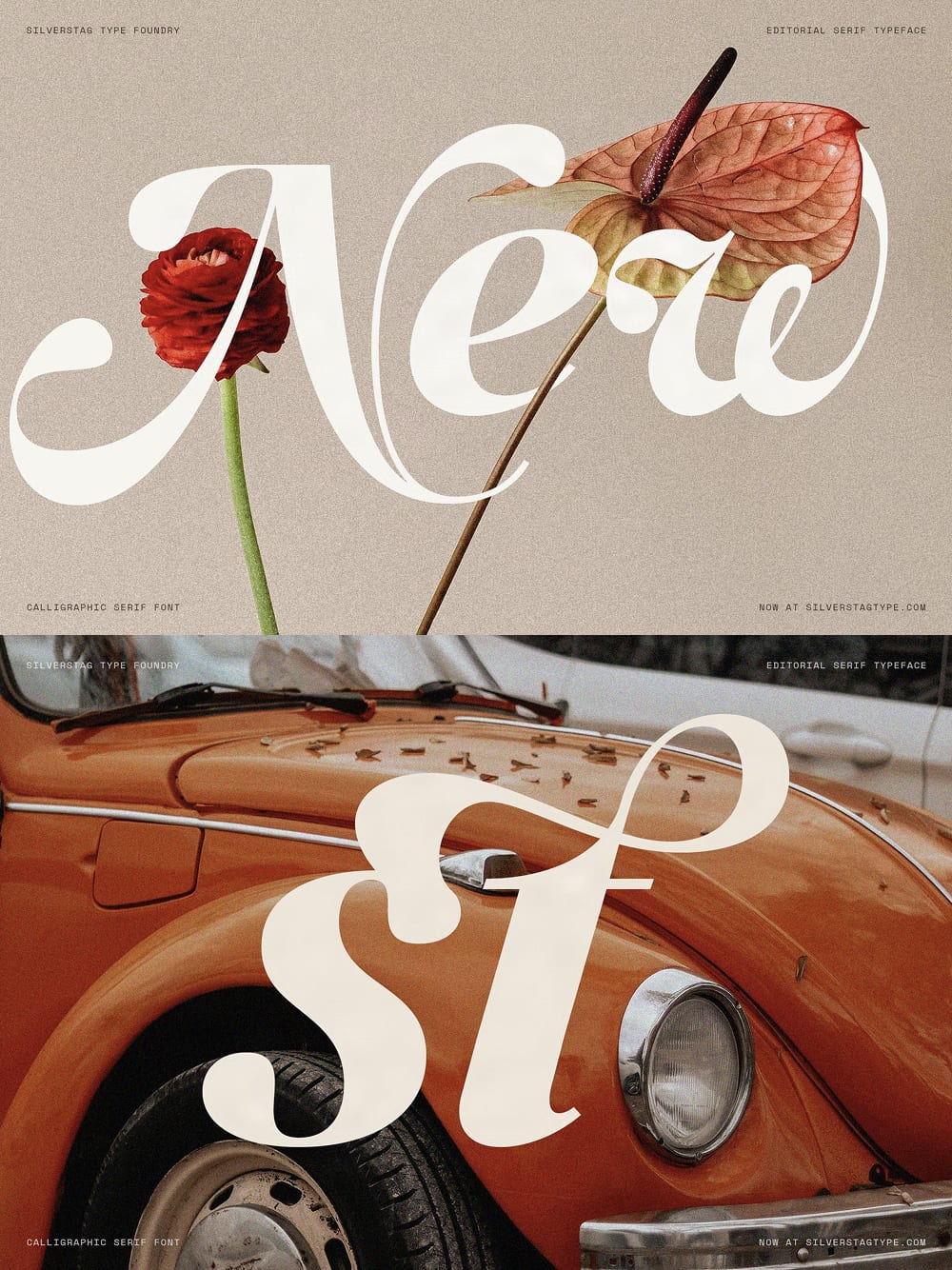
| Font of the week: The very elegant SLTF Netsera carries real calligraphic movement through all of its 18 styles (from hairline to black) and over 170 ligatures and swashes to dial the expressiveness up or down. |
| | | Classifieds | Leave someone in an empty field and they drift anticlockwise, and English once had a word for the day after tomorrow. A Saturday newsletter for the curious – things you didn’t know you wanted to know. Own how you hand work to clients. Modulat gathers your links, notes and files into a branded page on your own domain and Slack updates, not a scattered inbox. DD readers get 20% off with code DD20. Crucial Tracks is a music journal with a simple idea: share the important songs in your life, one per day. The result: a community with no endless feed, no FOMO, no unhealthy incentives. Join us! Revue Collé is a weekly exploration into the world of contemporary collage – the most forward-thinking artists, delivered every Wednesday. Sign up for Collé’s weekly newsletter. |
Classifieds are paid ads that support DD and are seen by 38,000 subscribers each week. Book yours here. |
| Numbers | 70 Almost 70% of three-wheelers sold in India last year were electric, up from just 20% in 2020. Falling battery costs – not climate concern – are behind the shift with e-rickshaws now costing a fraction to run compared to petrol or CNG models. |
36 While global EV sales grew 20% in 2025, US sales fell, dropping 36% in Q4 alone. Behind the slump: 100% tariffs on Chinese EVs, an expired rebate and no affordable domestic alternative in sight. |
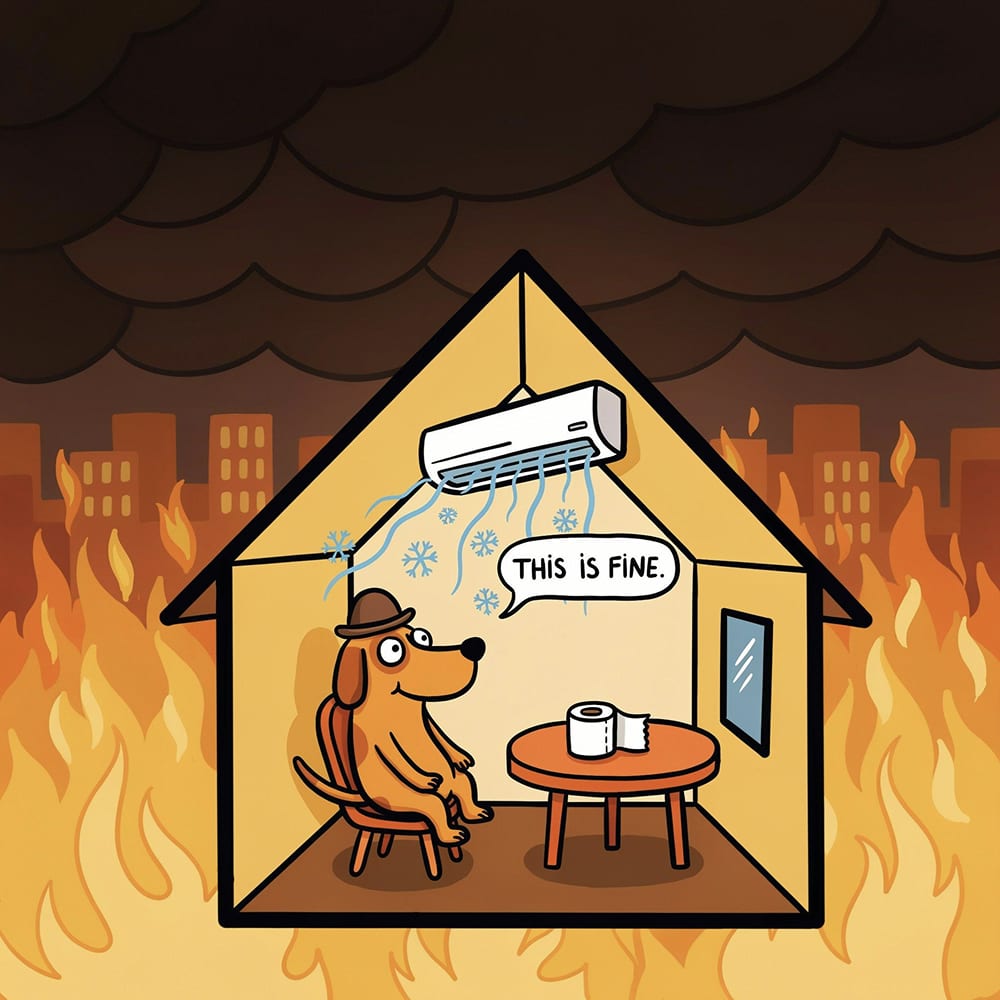
| | | Socials | This is fine – climate and pandemic update. on Mastodon |
| | | Mood | | | |
|