 | | | Hello discoverers!We already know play is good for us, the same way we know sleep matters and vegetables exist. Knowing hasn’t made us do it more. In The most radical act in an age of outrage is to play, Zander Phelps argues that our collective retreat from play isn’t accidental but an outcome of systems that keep us anxious and distracted – and that playful curiosity might be one of the last ways to stay human and hard to manipulate. I almost skipped this piece, because – well – there are genuinely terrible things happening in the world right now, and ‘go play more’ can feel like advice from someone who hasn’t checked the news lately. But Phelps earns his argument. He’s not offering a wellness tip. He’s making a structural point about why disengagement from play serves certain interests rather well. “Unused faculties atrophy. And when faculties atrophy, systems built on compliance thrive. They reward predictability. Anger and fear make us predictable. Creativity, curiosity, and divergent thinking make us harder to steer. Emotional manipulation becomes simpler when imagination shrinks.” Which is to say: our collective anxiety isn’t just a side effect. It’s the point. The antidote Phelps proposes isn’t a digital detox or a meditation retreat. “Where does sovereignty begin? Not in Washington or Silicon Valley. It begins with self-regulation. I cannot control the global news cycle, but I can control my nervous system. I can decide whether I will outsource my emotional state to the latest headline or cultivate internal stability. For me, that cultivation happens through play.” The mechanism is simple: “Play expands our adaptive capacity. Fear contracts it.” What that means in practice: “Real-world play, such as tossing a ball, learning to juggle, or building something with friends, reintroduces novelty, problem-solving, and collaboration. It broadens capacity in ways no algorithm can replicate.” Getting a dog forced me to reckon with this in a way I hadn’t expected. Twice a day, I’m outside, training and playing, watching something be purely, absurdly delighted by movement. It’s not exactly the kind of play Phelps talks about but something in that hour genuinely resets me. I don’t touch my phone. I’m just there in nature with a hectic furball, hands covered in dirt and saliva. It’s uncomplicated, unproductive presence, and I didn’t know how much I needed it. “[Play] builds resilience, flexibility, and social connection. It restores a sense of agency because the reward is internal. You are not waiting for a notification to feel validated. You are generating joy through participation.” Which sounds obvious. Until you notice how rarely you actually do it. And now to this week’s discoveries. – Kai | | Hello there, and welcome to the Illusion issue! This is Dense Discovery, your weekly dose of occasionally self-indulgent links from a metrics-obsessed web. Writing to you and 35,423 others is Kai Brach based in Narrm. In the previous issue, this link got most of the clicks. Got thoughts on this issue? Simply hit reply – I read every email. Happy discovering! |
| | | Sponsor | Most of us do not need another app pushing us to do more. We need help noticing when screen time is starting to cost us something. LookAway is a Mac app that reminds you to take breaks, blink more often, and reset your posture before a workday turns into tired eyes, a stiff neck, and that worn-down feeling you only notice later. Just as important is how it behaves. LookAway waits if you are in a meeting, recording your screen, or focused on something that should not be interrupted. It also syncs with iPhone, because a break from your Mac should not quietly become time on your phone. That small detail makes breaks feel like actual time away. If you spend long hours at a computer and want a healthier relationship with it, it may be worth a look. Have a look. |
| | | Tools | Find books by mood, place, plot |
Rather than searching by genre or author, Whichbook lets you find your next read by mood (e.g. slide scales between ‘safe’ and ‘disturbing’ or ‘funny’ and ‘serious’), by character and plot (e.g. culture, gender, age), or by picking a location on a world map to find books set there. What a brilliant idea! |
| AI mediator for hard conversations |
Could AI be useful as a mediation tool for difficult conversations? This tool interviews each party in a dispute privately, then turns their answers into a position document they can edit before approving. It then drafts candidate agreements using Nash bargaining theory, potentially surfacing options neither party had considered. It’s probably not something most people would reach for in a real conflict, but the idea of a ‘neutral’ machine as referee might give it an edge over a conversation that never happens at all. |
| Memory-based social discovery app |
Part social network, part personal memory archive, Bond lets you log experiences via photo and voice, then uses those memories to surface personalised recommendations and connect with friends. It does that without the usual likes-and-feeds performance anxiety. From what I can tell, it’s a lovely idea and the intentions seem right. The usual questions arise: how are they using my data, especially given that there doesn’t seem to be an obvious business model? |
| A (so far) free, native Mac font manager built by one person. Pica handles simple previews, OpenType support, custom collections, and one-click activation without the bloat of meatier font managers. |
| Wanderings | Charming discoveries from the internet’s back alleys that you don’t need but might love. |
A world map where anyone can pin a personal memory or story to a location – somewhere between a shared diary and a collective atlas of human experience. A database of over 1,000 electrical plugs and sockets from around the world, including obsolete and regional types you’d never otherwise encounter. Exactly the kind of obsessive, single-topic website the internet was made for! An archive of 255 punch cards – those paper cards with punched holes that were once how data was fed into early computers. Catalogued by format, colour, printer and company, spanning the 1930s through to the 1980s. A community-maintained directory of nearly a thousand personal websites – the type folks lovingly built for themselves, not for an algorithm. Enjoy getting lost! I’m not sure why I find this so satisfying to watch, but I do: drop an image on this page and experience it through a rainy window. (Play with click and mouse movement to adjust settings.) |
| | | Books | 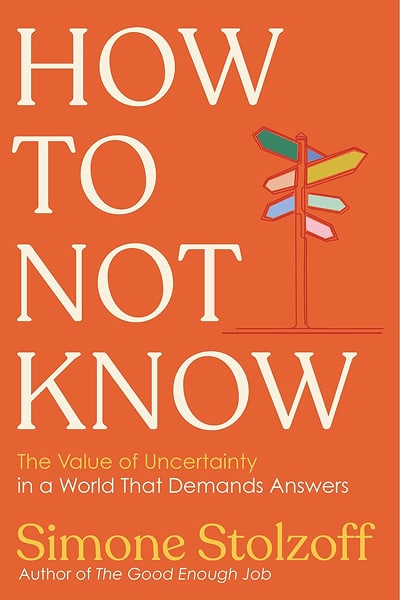 | Learn to live with uncertaintyToday is the official launch of Simone Stolzoff’s new book: a journalist-driven guide with real-world stories – from market forecasters to climate-threatened island nations – that explore why our tolerance for uncertainty is shrinking and how to rebuild it. A mix of reportage and self-help, it makes the case that learning to sit with the unknown is one of the most essential skills of our time. Friends of DD can win 1 of 3 copies. Become a Friend to access specials like this. |
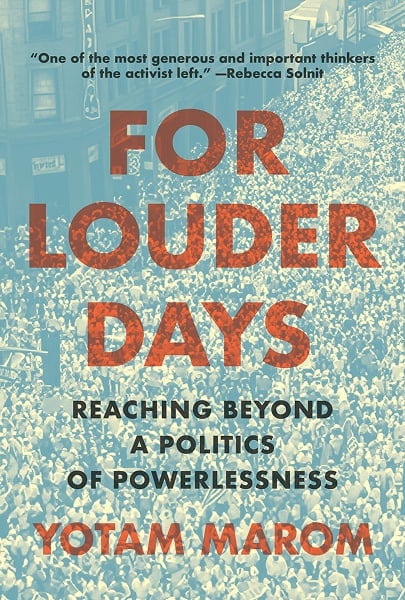 | Building movements that actually winYotam Marom has spent decades inside progressive movements – Occupy Wall Street, climate justice, democracy organising – and this book is his honest reckoning with why they so often lose and what it would take to actually win. Based on his wealth of activist leadership experience, Marom charts a more strategic, less self-defeating path toward lasting change. |
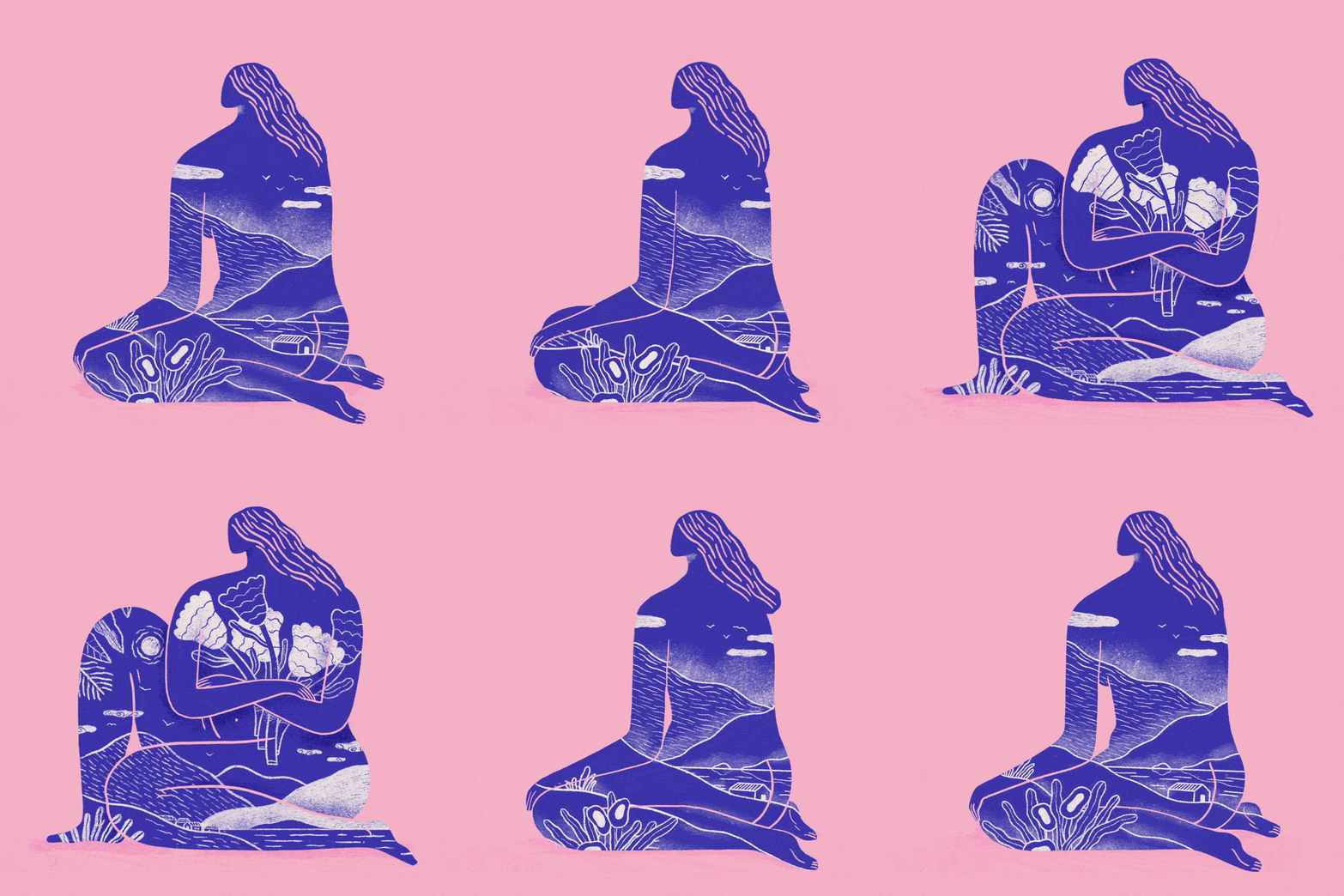
| Socials | My wife just asked me if Github was a tech version of P*rnhub and I didn’t have an adequate argument that it wasn’t. on Mastodon | | | Media | Read | In our age of weaponised outrage and engineered anxiety, Zander Phelps argues that choosing to play is a radical act of resistance. He links our tech dependence, shrinking attention and political fear machinery, then makes a simple, slightly idealistic claim: playful curiosity might be one of the last ways to remain truly free and connected as a human. |
“Play does that. It builds resilience, flexibility, and social connection. It restores a sense of agency because the reward is internal. You are not waiting for a notification to feel validated. You are generating joy through participation.” |
| Read | I had no idea how dramatically the boring spreadsheet changed how businesses operate: by turning firms into numbers and models to be optimised. When the spreadsheet became a widely used tool, it made financial engineering and dealmaking dominant and hollowed out many companies’ practical know-how. David Oks warns AI will do the same: make work legible as tasks and reshape firms in a new, potentially blinding way. Great read! |
“It was natural, according to the logic of the spreadsheet, for a company like Boeing to outsource the design and manufacture of critical components… But the spreadsheet could not capture the accumulated systems-integration knowledge that Boeing’s engineers possessed... And so Boeing became, over time, a financially optimized and essentially hollow corporation: a victim of the spreadsheet.” |
| Read | The child psychiatrist Pamela Cantor draws on attachment science and a fascinating new study that shows how some childhood trauma can be biologically reversed! She argues that our brains need consistent, in‑person connection to rewire and thrive. Simply removing devices doesn’t automatically provide the neurochemical fuel our brains need to grow into balanced human beings. |
“Name what you see in someone. When you notice something good (effort, kindness, resilience, humor) say it out loud. That small act of recognition is an oxytocin event. You are not just being kind. You are delivering nutrition to someone’s brain.” |
| WatchScottish creator Ewan Cunningham’s Primal Space started as a hobby in 2018 and has grown into one of YouTube’s most compelling sci-edu channels. A meticulously animated archive of engineering, science and history stories. Videos mostly come in under 10 minutes but pack in a density of fascinating, well-structured storytelling that makes it very easy to fall down a rabbit hole. |
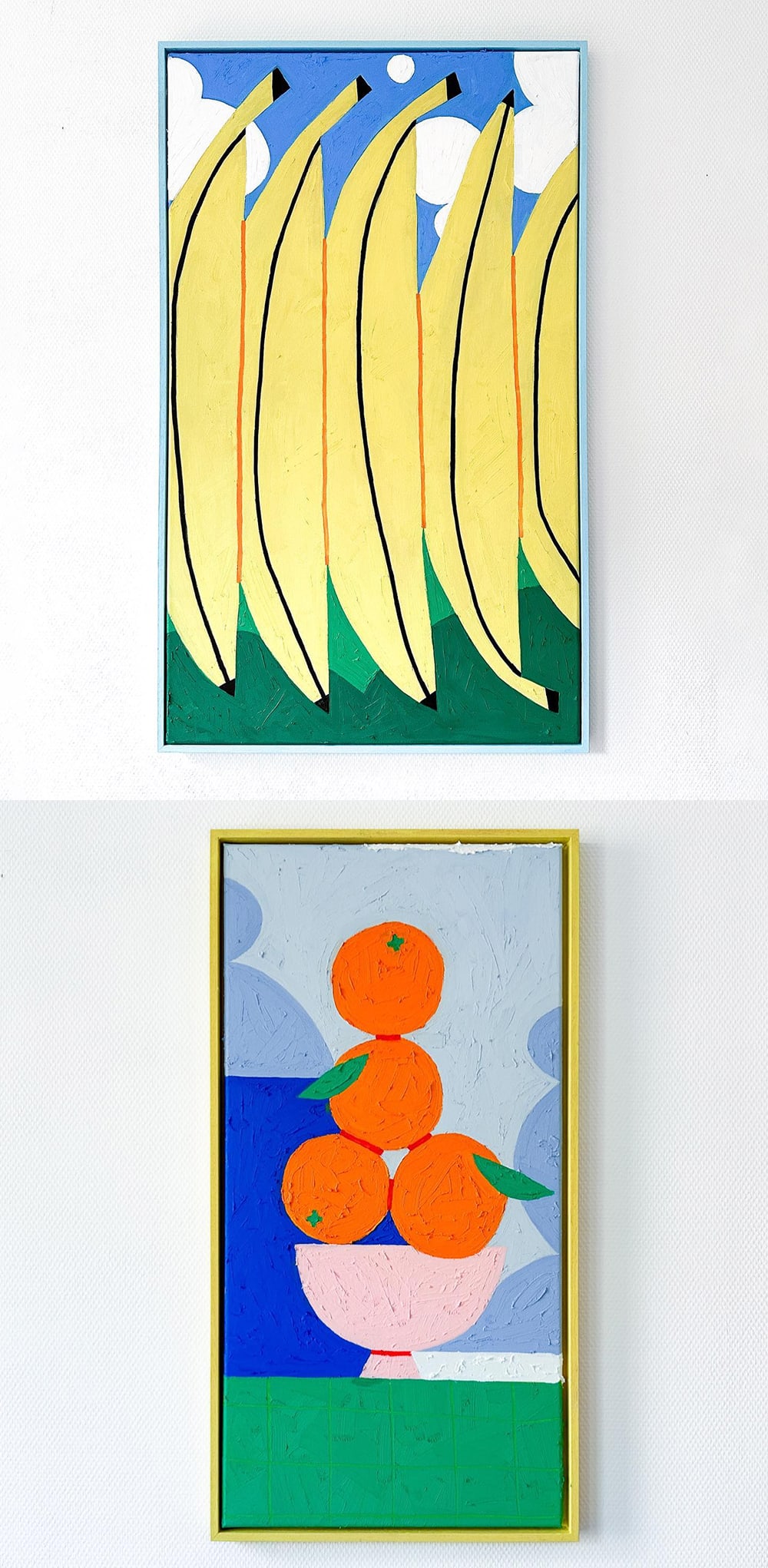
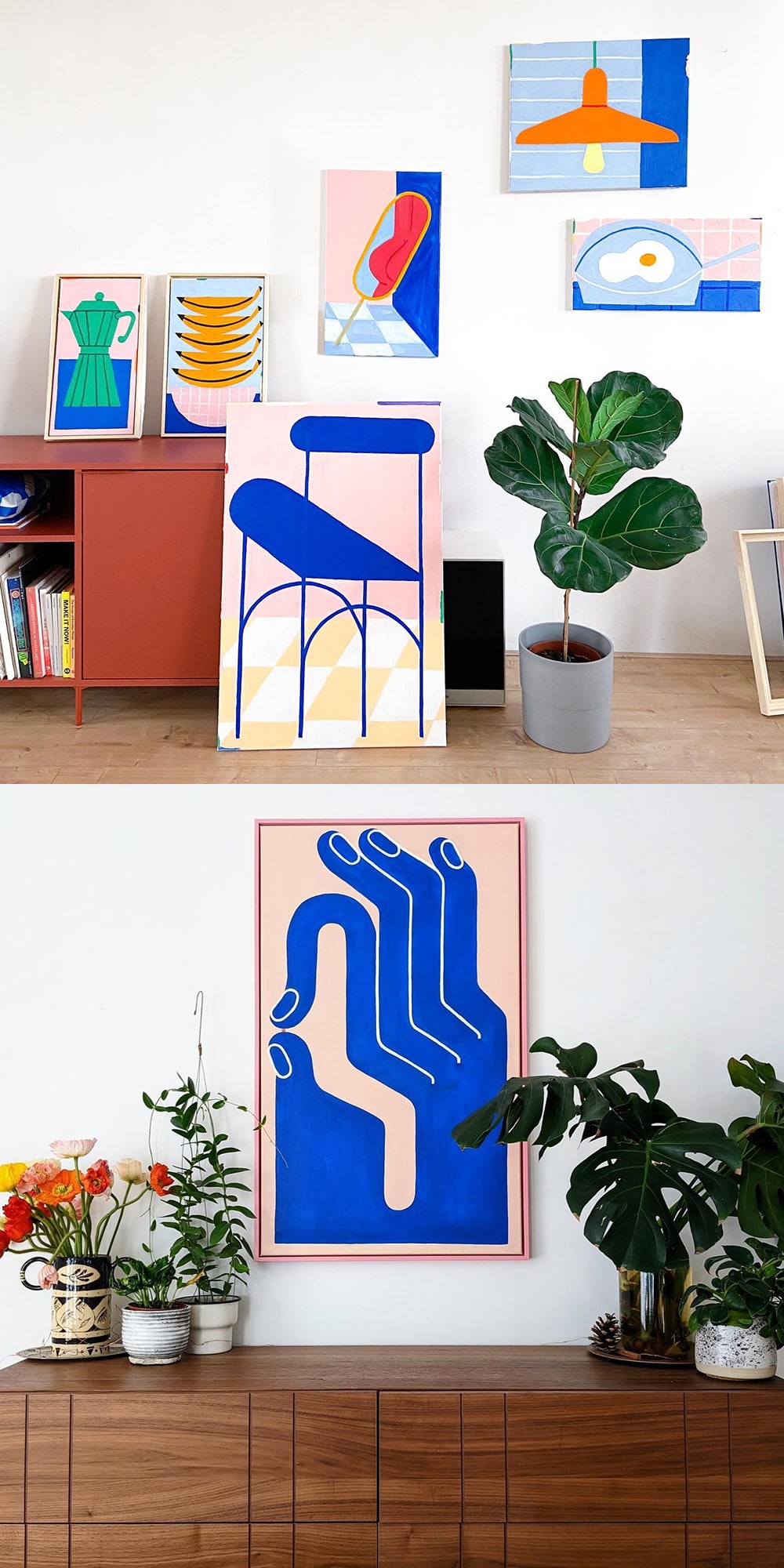
| | | Inspiration | Frederique Matti is a Dutch visual artist whose bold, flat-colour paintings and illustrations add a splash of colour to your home. She captures everyday domestic scenes and objects with a playful style and a vibrant mid-century palette. |
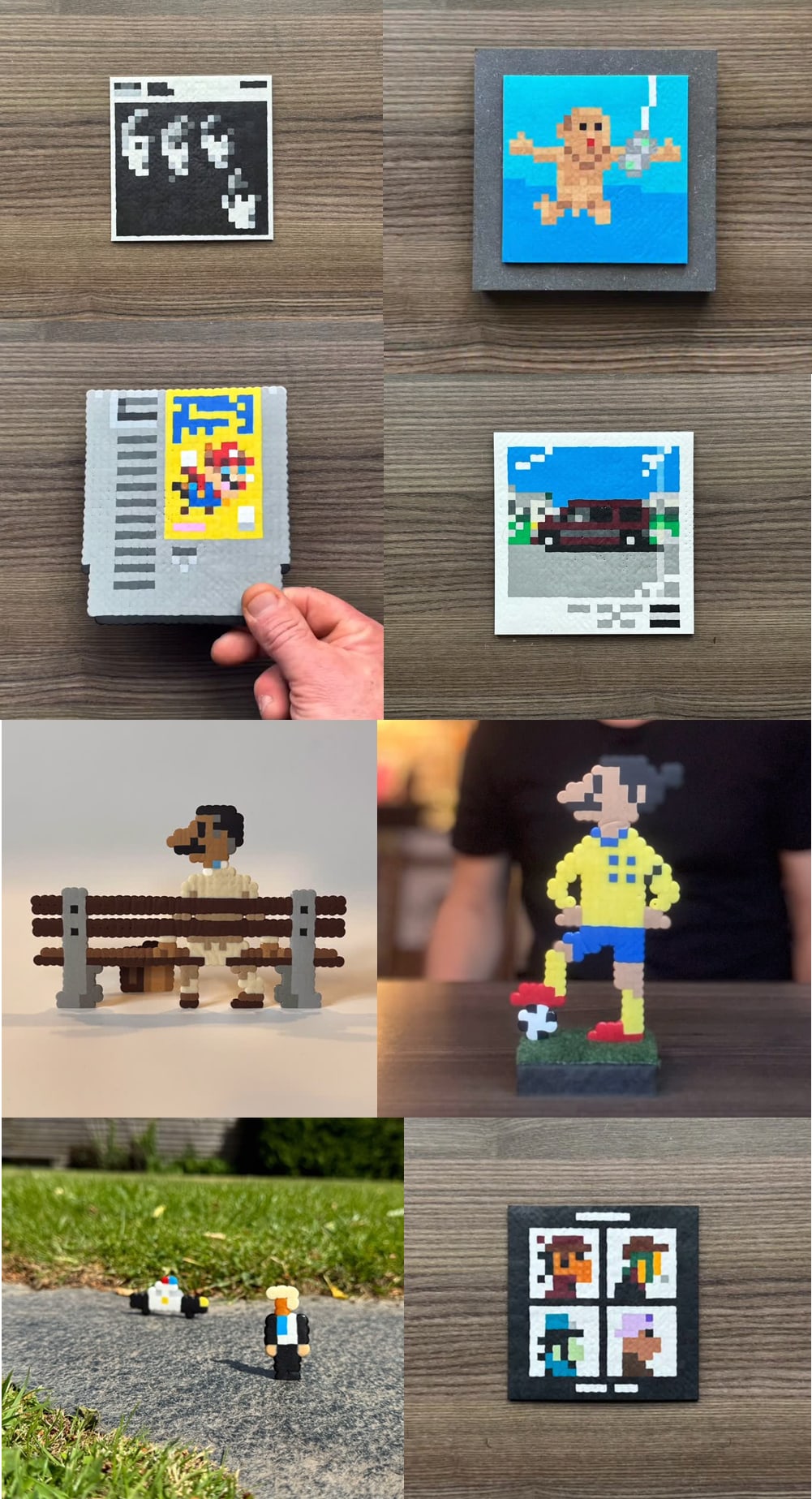
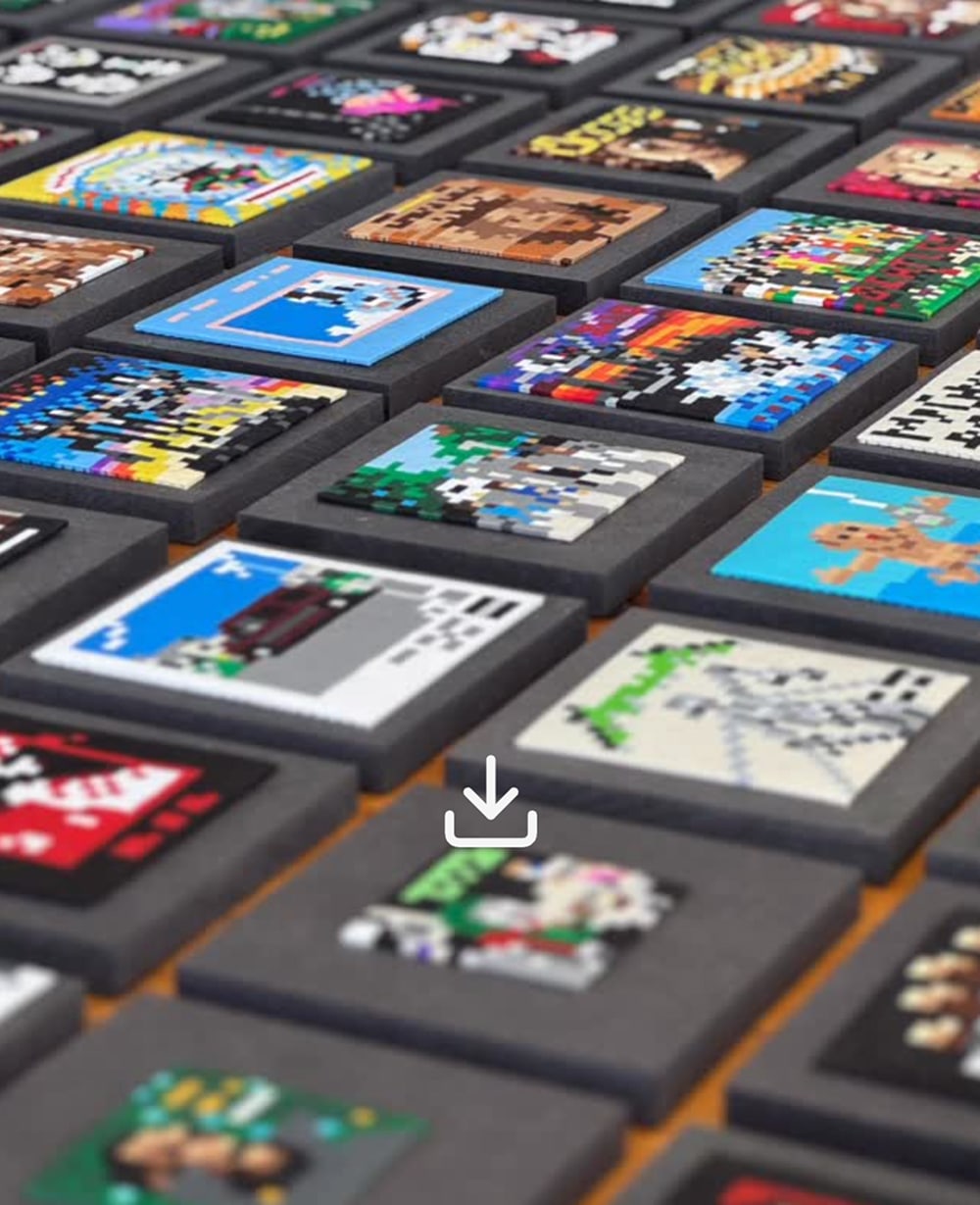
| Johan Karlgren (aka Pappas Pärlor) is a Swedish street artist who creates pixel art figures and album covers from fuse beads, drawing on retro video games, cartoons, and pop culture. Every creation is captured in short stop-motion videos. |
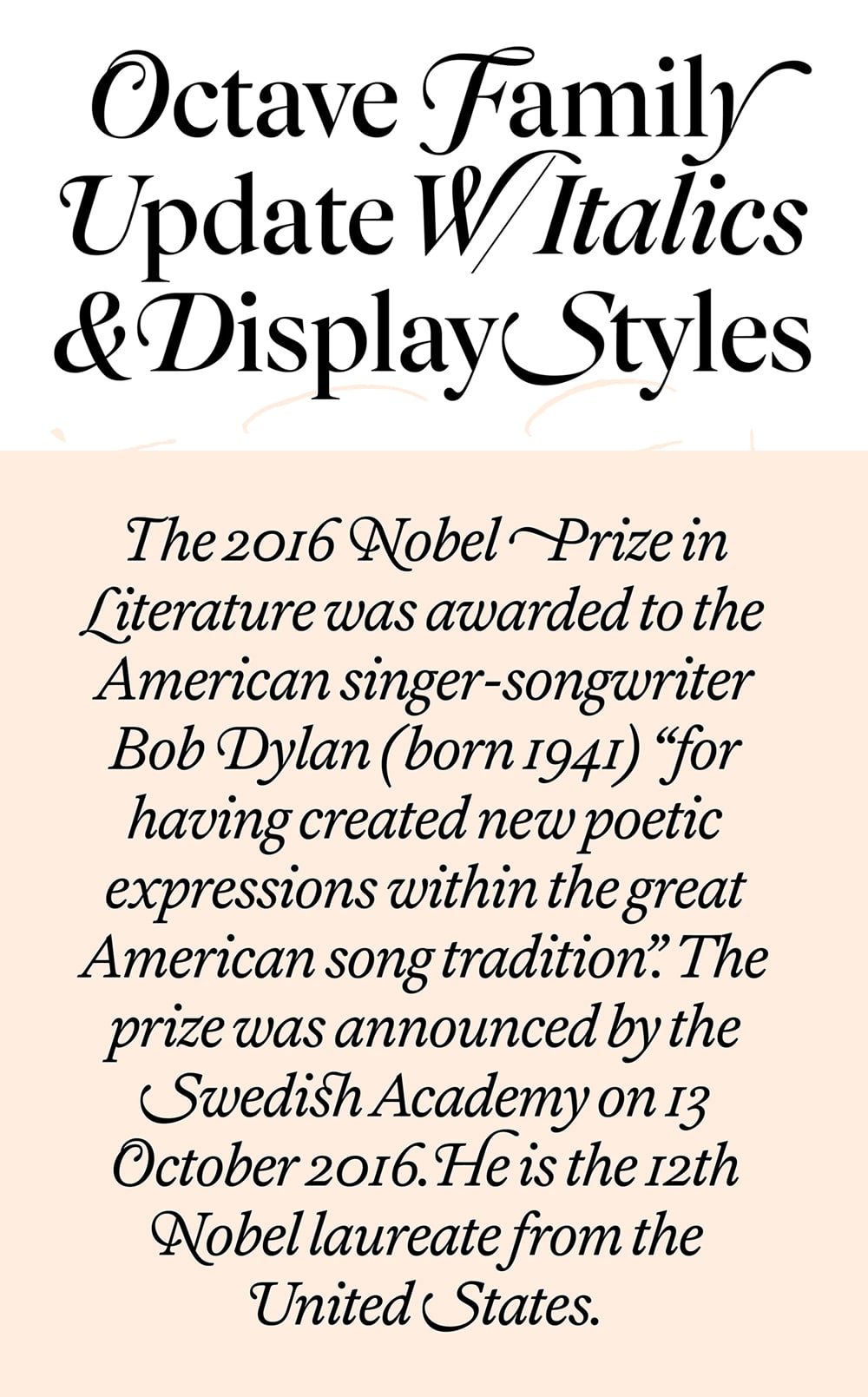
| Font of the week: Octave and Octave Display are expressive French Old Style serif typefaces – elegant digital revivals of a 19th-century Elzevir – that stand out with their superb, unique italic ligatures. |
| | | Classifieds | The Weekly Thing turns 9 next week. Dense Discovery fan? Try my personal, human-curated weekend email that readers say leaves them feeling informed, curious, and genuinely smarter. Built by lifelong journalers, for journalers. Reflection combines beautiful, distraction-free design with personalised insights to help you explore your mind without the noise. Download Reflection Data, decelerated. A single needle moves with your data. Stocks, crypto, weather, Home Assistant and more. No screens. No notifications. Hand-built in London, in three finishes. Discover IDX-2 Clay Commons is a marketplace connecting ceramics studios and independent artists with the people who love their work. Create a profile on our website to display work or shop ceramics. |
Classifieds are paid ads that support DD and are seen by 38,000 subscribers each week. Book yours here. |
| Numbers | 33.8 For the first time in a century, renewables overtook coal in the global electricity mix in 2025 – reaching 33.8% versus coal’s 33%. Solar alone drove 75% of that demand growth, up 30% on the prior year. |
5 AI hardware could add up to 5 million metric tons of e-waste by 2030 – on top of a crisis already spiralling. India alone deals with nearly 2 million tons a year, 70% of which arrives from wealthier nations as ‘donations’ or ‘used goods’. |
| | | Mood | | | |
|