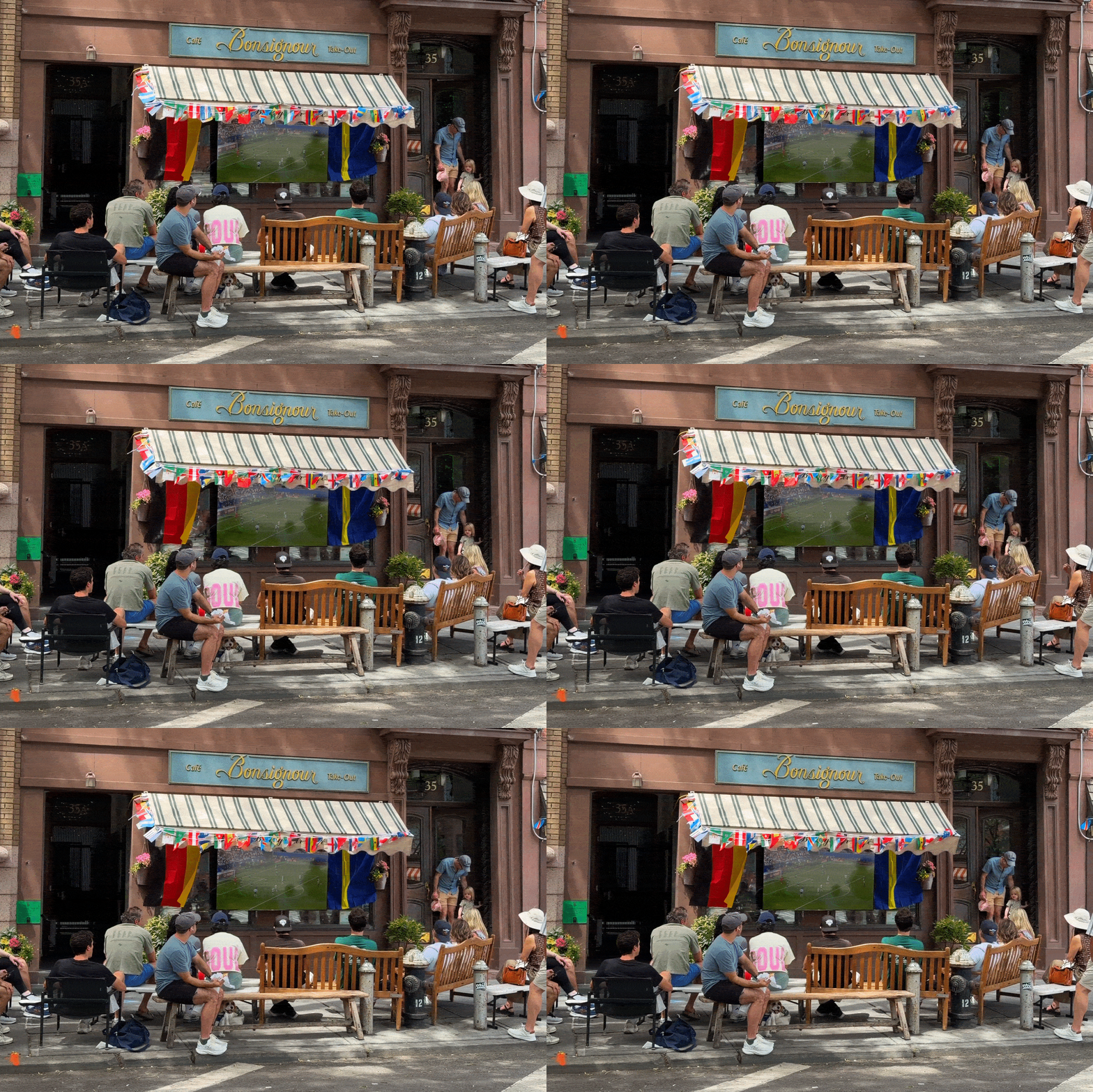
While walking through Manhattan recently, I passed Cafe Bonsignour, a small, takeout-focused sandwich shop. I’ve passed it many times but never paid much attention; this time, though, the scene in front prompted me to stop. The cafe, which was decorated with flags, had attached a TV to its windows, thereby transforming the seating outside it from a spot one might sit to simply scarf a sandwich into a stay-a-while viewing destination. Strangers sat together on its benches and on chairs they’d dragged over, all watching the game. At one point, a delivery cyclist paused and pulled up to briefly take in the updates. The cafe seems to have occasionally assembled this viewing setup since as far back as the heyday of the Valencia filter on Instagram.
Not long after, while carrying my groceries home through Brooklyn on a weekend afternoon, I saw a crowd outside a food truck I’d otherwise call nondescript. I’ve never once seen it with a line, and especially not in the middle of the day, as it was then. The crowd slouched against bikes — they were mostly delivery workers, I noticed after trying to make sense of the scene — and chatted in small groups, every so often glancing back at the truck. Then I caught it, between the passenger window and the ordering one: a TV playing the World Cup, and because of it, a sidewalk transformed into a gathering point.
These examples, I imagine, will read unsurprising in a city like Los Angeles, where the streets are wide, taco stands frequently turn parking lots and sidewalks into destinations, and the dance parties at the trendy Café Tondo have regularly spilled into the streets; currently, one of the city’s most exciting World Cup pop-ups is being held by an old brewery’s former loading dock. But in NYC, which has walked back many of the advances in outdoor dining that arose post-pandemic, it’s a refreshing sight. Bars that aren’t otherwise sports-focused are playing the games, as are restaurants that you wouldn’t otherwise think of as spaces to watch televised cultural events. Everyone seems happy: Businesses enjoy the increased attention (ideally leading to increased traffic), and diners have the option of another place to go and a way to hang out, communally, in public.
My former colleague Jaya Saxena wrote last year that we’d kind of lost the plot on the concept of third spaces, also sometimes called third places. There has been a dilution of the term as it’s gained traction culturally, but its coiner, sociologist Ray Oldenburg, intended it to mean informal public gathering places that “serve the community best to the extent that they are inclusive and local,” emphasis his. So many of them, Saxena wrote, had become commercialized ventures; after all, restaurants generally need you to do more than just “hang” for hours.
Still, neither of these instances I described seemed to require any price of admission, no sandwich nor taco purchased to see the game, just an understanding that it was okay to pull up, watch, and linger. Maybe that attraction would then take you inside for a snack, but maybe not. Perhaps sometimes what matters the most is simply providing the space. I get it: It’s not sustainable for food businesses to do this all the time, but maybe, every four years, it can work out.
Food brings us together? That argument’s a bit tired. Sports, I see, certainly do the trick though.