|
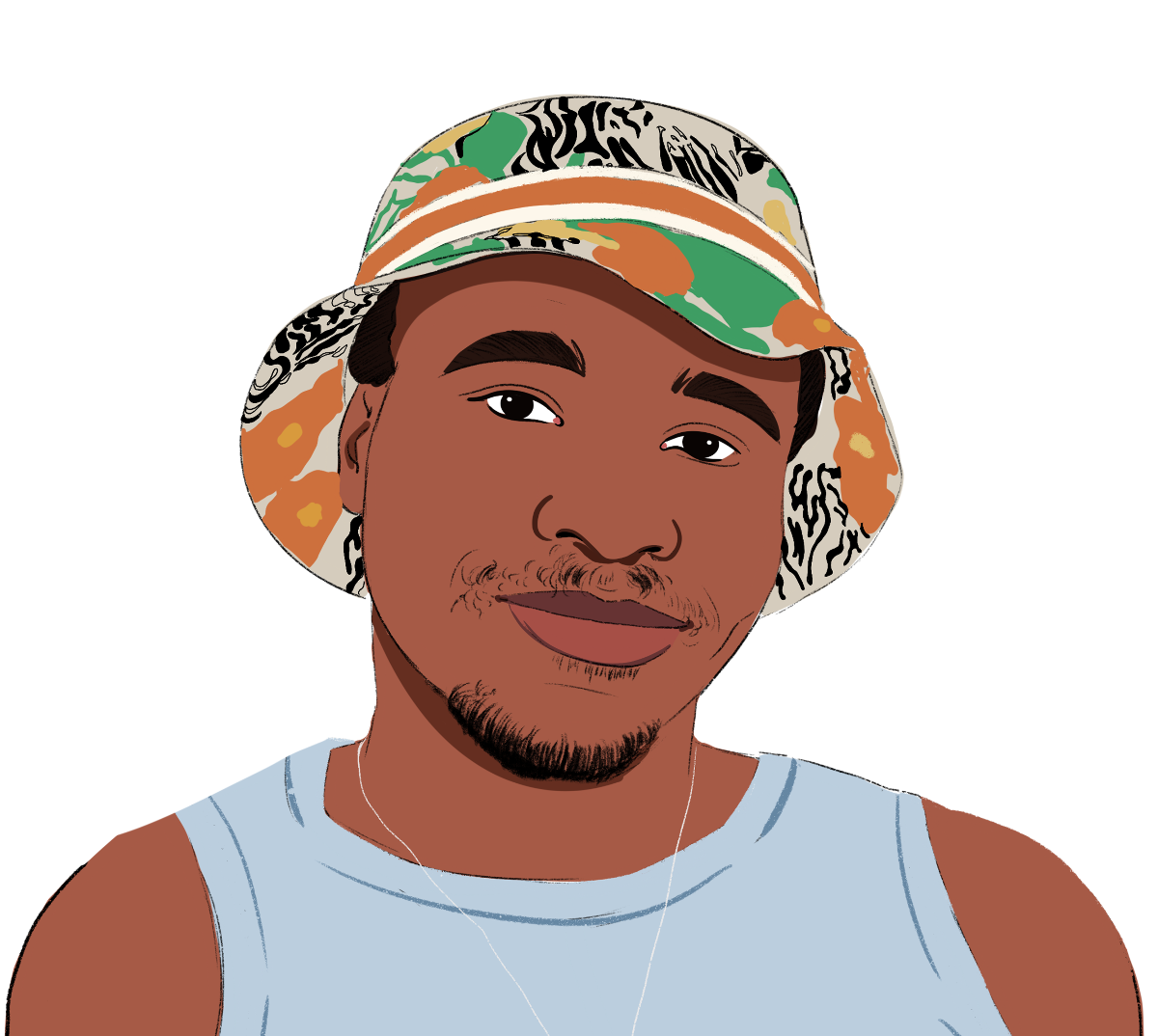
Nigerian queer liberation activist and author of And Then He Sang a Lullaby, Ani Kayode Somtochukwu, describes his writing as an expression of love for the African people: ‘I like to think of my writing as an expression of love for the African people, a commitment to our capacity for justice and liberty, an insistence on dreaming our freedom as an inevitable eventuality. I want to be an incendiary bomb. And I know that stories have that power.’
Hi Andy,
When Ani Kayode Somtochukwu was writing his debut novel, And Then He Sang a Lullaby, he didn’t own a laptop. He wrote the entire first draft in an 80-leaf notebook and typed out most of the manuscript himself. ‘After writing it, I could not afford to have it typed. I still did not have a laptop, so I made do with my phone,’ he told us.
In today’s First Draft newsletter, Somtochukwu discussed how he wrote his debut while working as a laboratory assistant in Port Harcourt, his desire to see more plots about queer friendship, the dangers of being a queer activist, the poem that made him want to become a writer, and other interesting perspectives on reading and writing.
If you’re just joining us, I’m Peace Yetunde Onafuye, an associate editor at The Republic, covering all things literature and books. First Draft is our interview column, featuring authors and other prominent figures on books, reading, and writing. I hope you enjoy reading today’s interview.
Before you continue reading, today’s First Draft newsletter is shorter and features just a few highlights from the interview. You can read the full version, with all 20 questions and responses, here.
As usual, our questions are italicized.
What was your process for writing your debut novel, And Then He Sang a Lullaby?
For And Then He Sang a Lullaby, I drafted before editing. I had no choice. I did not own a laptop at the time. I wrote the first draft in an 80-leaf notebook. I did not plot at all. I think for the entirety of the first draft, every chapter was in August’s perspective. The chapters on Segun’s childhood are not in the first draft.
I also typed out most of the novel myself. After writing it, I could not afford to have it typed. I still did not have a laptop, so I made do with my phone—an Itel it1406. That process was basically a rewrite, with a better knowledge of my characters and their stories. It helped me realize the importance of depicting Segun’s childhood, and it was at that time that I separated the points of view of the two main characters.
And Then He Sang a Lullaby is ‘a breathtaking and captivating story of two gay men who find each other in Nigeria and are determined to love despite all that stands in their way.’ What inspired this story?
I wrote And Then He Sang a Lullaby while doing an internship. I was working for a hospital in Port Harcourt as a laboratory assistant. It was the first time in more than two years that I did not have to be in fight or flight mode almost every weekday. I had not realized how agitated my nervous system was. My queer activism in university came with a steeper cost than I had stopped to take account of. I was mocked openly, mobbed twice by cultists and threatened too many times to count. In Port Harcourt, my maternal uncle threatened to strip me naked and whip me with a machete if I did not stop ‘what I was doing’. So, I was interested in exploring queerness as openly declared, not just as perceived. It is a story that is personal to me in more ways than one. I was still wrecked with grief after losing my own mother two years before. I did not necessarily think I was writing about myself at the time—a lot of that was unconscious. Other than that, the story unfolded as I went.
|