|
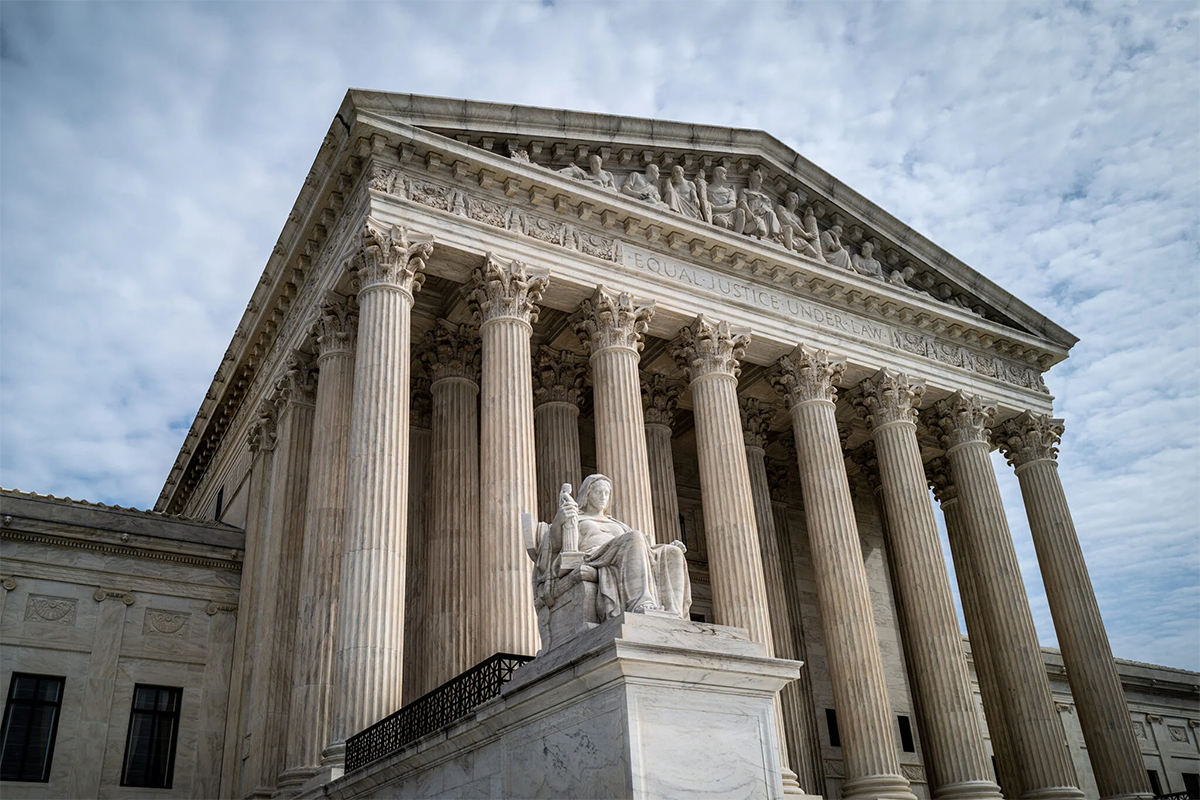
SCOTUS recently closed its 2025-26 term, issuing rulings on birthright citizenship, voting rights and election law, presidential power, immigration, and more. Several faculty members weighed in on their takeaways from the term, including how key decisions will impact the Court – and the future of the United States. “Two different things are true: (i) the Supreme Court is very conservative, and (ii) the Court, in tandem with the rest of the federal judiciary, has substantially checked the Trump administration,” writes Richard Re.
|
|
|
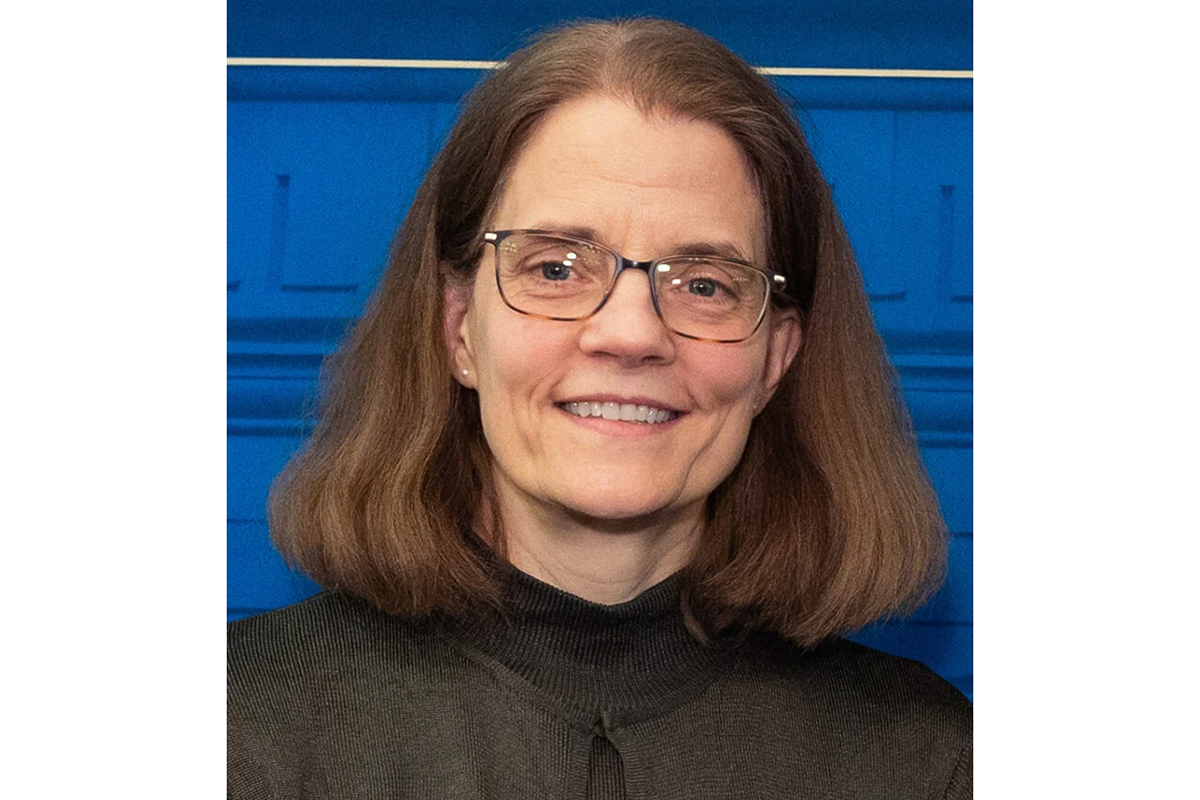
Susan M. Davies, who brings her decades of experience in private practice and at the highest levels of government, including at the U.S. Department of Justice and as deputy White House counsel to President Barack Obama ’91, has been named a professor of practice at Harvard Law School, effective July 1. Dean John Goldberg said: “Her unmatched experience in key positions in all three branches of the federal government, along with her commitment to rigorous legal education, will be a huge asset to our students and faculty.”
|
|
|
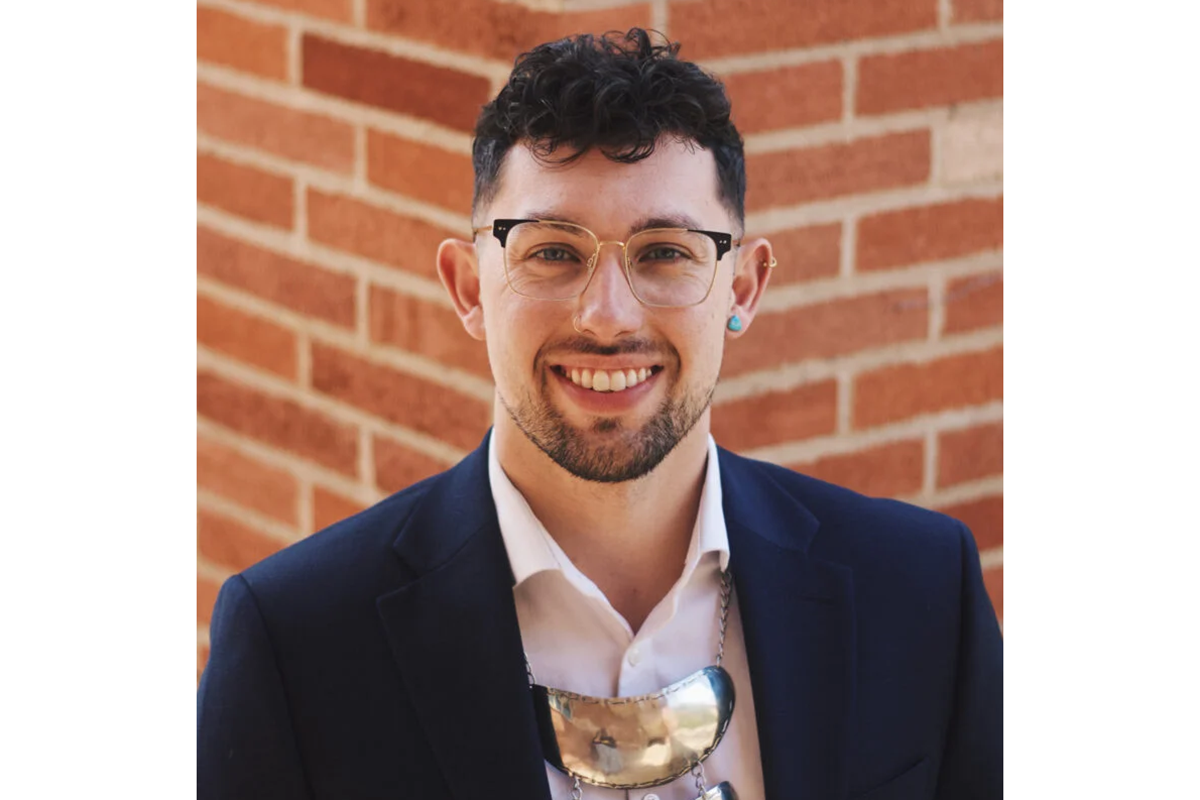
W. Tanner Allread, a legal historian whose research spans federal Indian law, tribal law, Indigenous legal history, and constitutional law, and a citizen of the Choctaw Nation of Oklahoma, has been appointed an assistant professor of law. “We are fortunate and excited to have the benefit of Tanner’s deep expertise and experience in federal Indian law, tribal law, and related topics,” said Dean John Goldberg. “His award-winning historical work offers important new insights not only in these fields, but in American history and constitutional law more generally.”
|
|

|
Around 25% of Americans admit turning to ChatGPT, Google Gemini, or another chatbot for medical advice. According to health law expert I. Glenn Cohen ’03, people should know that once they turn over their records, they may lose control over what happens to them. Unlike traditional healthcare providers, chatbots aren’t typically governed by health privacy laws. “This is not the equivalent of asking your doctor something, or of getting a second opinion on a health problem you have from a clinician,” Cohen says.
|
|
|
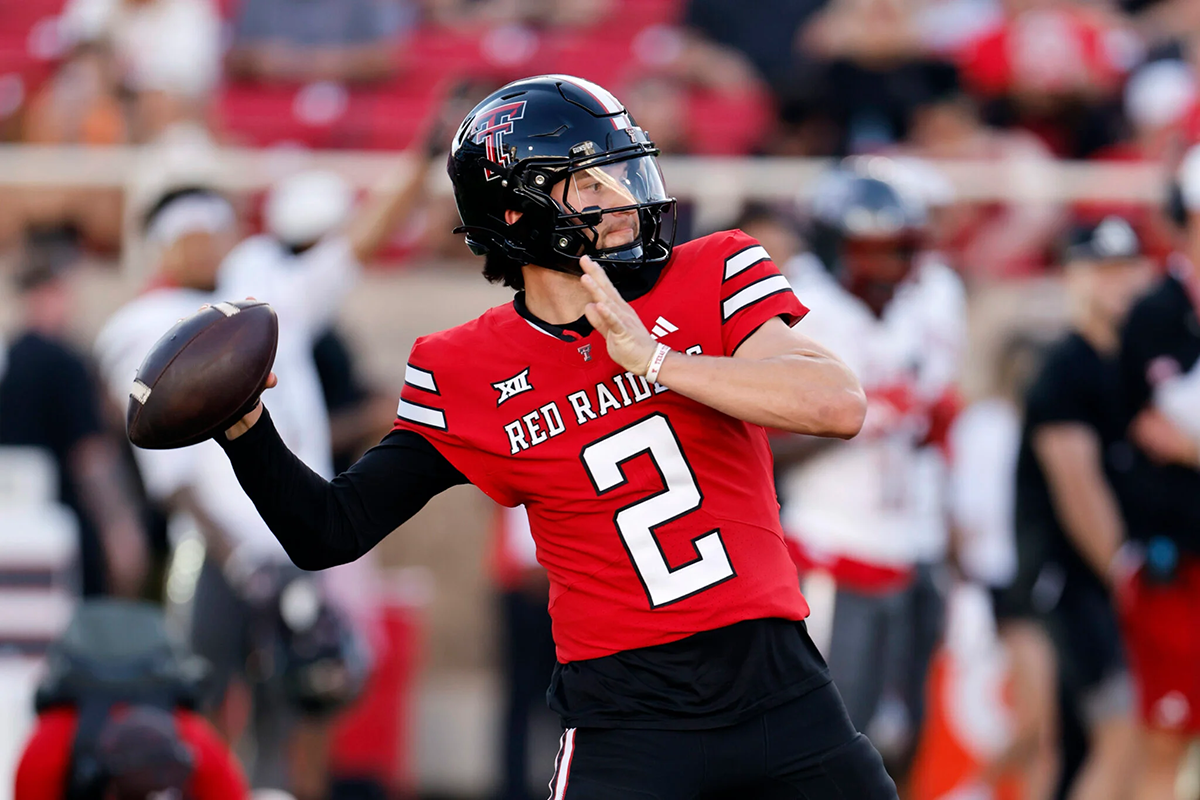
Brendan Sorsby will not be playing quarterback for Texas Tech football this fall. The outcome is hardly a surprise given he admitted betting at least $90,000 on sports, including his own team, while still a student athlete. Sports law expert Michael McCann LL.M. ’05 explains the long and complicated tale, including a Texas state court’s recent ruling against the NCAA, the University of Cincinnati’s new lawsuit against Sorsby, and the evolving balance of power in college sports. “Suddenly, every phone is a casino and that raises all sorts of real issues that I think all of sports have to grapple with,” says McCann.
|
|
|
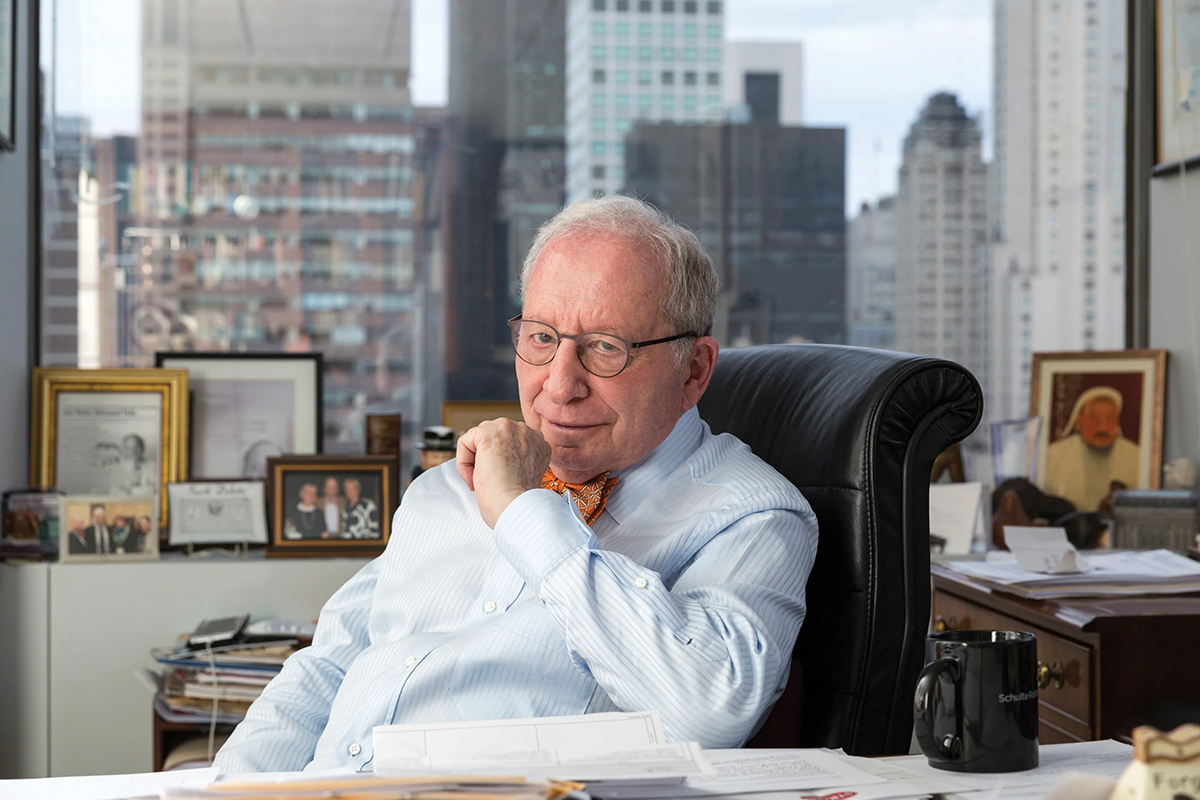
William D. Zabel ’61, whose career combined extraordinary success in private practice with a lifelong commitment to human rights, and whose work on Loving v. Virginia helped persuade the U.S. Supreme Court to strike down laws banning interracial marriage, died July 7. Samantha Power ’99, the William D. Zabel ’61 Professor of Practice in Human Rights at Harvard Law School, said: “Bill was a relentless advocate for immigrants and for people at home and abroad who often felt they had no one else in their corner. Throughout his life, Bill's litigation, advocacy, and philanthropy were rooted in the grand American idea that all people should receive equal protection under the law.”
|
|
|
|
|



