Discover evidence-backed foods that lower cardiovascular risk, protect your brain, and keep inflamma
Harvard Medical School
Heal your body with food

Heal your body with food

Discover the best foods to lower risk of cardiovascular disease...which two popular fats are not healthy for LDL cholesterol despite the claims...3 popular grains to avoid if you have IBS...which eating plan can lower the risk of dementia...and more.

Dear Reader,

Food doesn’t just taste good and satisfy your hunger...it can be incredibly nutritious and great for your health, providing powerful fuel for your body. As the latest science shows, food is one of the most powerful healers we have available today.

New research shows what you eat can be your best support for wellness and one of your best defenses against disease — including chronic conditions such as heart disease, diabetes, cancer, kidney disease, and osteoporosis.

The secret is knowing which foods have healing properties. And there’s no “one size fits all” when it comes to eating for health and wellness. Different foods have different benefits. With so much conflicting information out there today, eating for good health can get confusing.

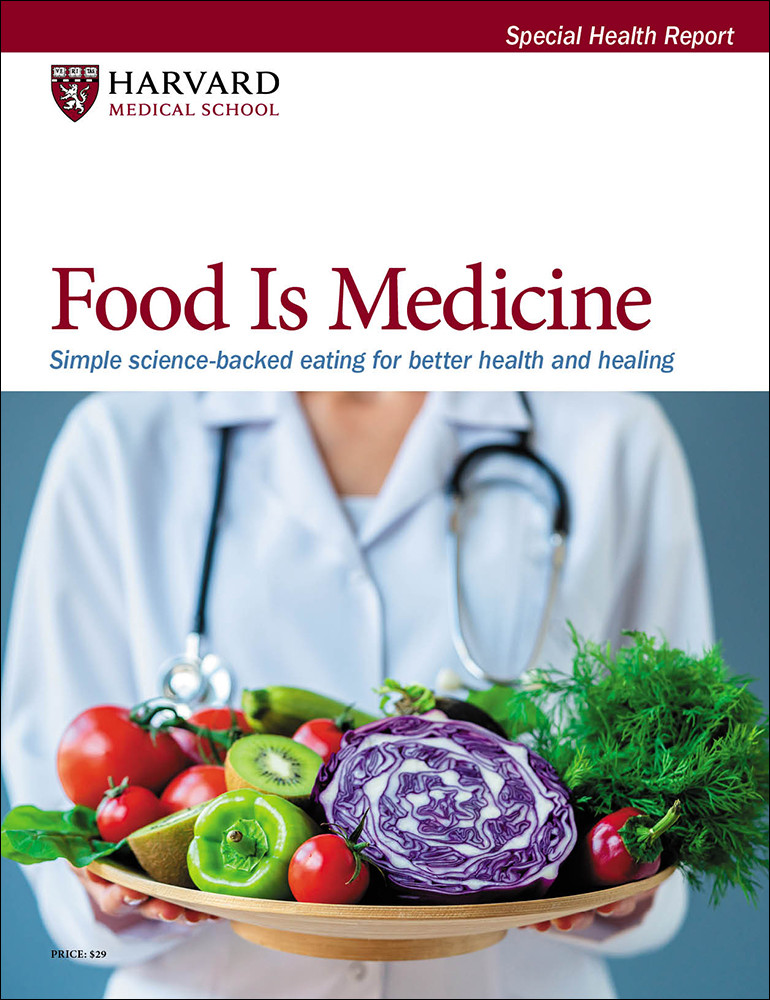
That’s why experts at Harvard Medical School created Food Is Medicine: Simple science-backed eating for better health and healing.

Page after page of this special report is packed full of what to eat and what not eat, along with simple eating strategies, healthy swaps, and dozens of health-enriching foods you’ll want to pile into your grocery cart.

Inside Food Is Medicine you’ll discover....

  • The delicious diet which helps reduce your cardiovascular disease risk by 19%...

  • How this popular eating plan can lower your blood pressure and be just as effective as medication...

  • Four vitamins and minerals most American don’t get enough of (and the best sources of those nutrients.)

  • An eating plan that can help protect memory and cognitive function...

  • Which eating pattern can lower heart disease risk by up to 27% and which diet is linked to lower rates of depression and anxiety...

  • Surprising foods that are your enemy when it comes to calming inflammation...

  • Eating berries is linked to better cognitive health but...you must know how much you need to eat every week to get the benefits.

  • Why eating sauerkraut can improve your mood...

LEARN MORE

Clear the confusion over what’s healthy, what’s not

You may be surprised to learn that even healthy foods can be off-limits when you have certain health conditions. For instance, cabbage can trigger a flare of irritable bowel symptoms. Want to keep colorectal, prostate and breast cancer away? Skip these two types of meats which are linked to a greater risk of these cancers.

Why guess or leave it to chance or learn through trial and error when you have   as your essential guide to eating for health and wellness. You’ll learn exactly which fruits, vegetables, and whole grains are best for your health and for what ails you...which foods lower inflammation in your body and which foods trigger it...and whether going “organic” really is the best choice when you buy produce.

In this easy-to-read special report, you’ll also find what Harvard experts call “Nutrition Prescriptions.”

These are powerful science-backed tips and strategies to help prevent, treat, and even reverse the status of chronic conditions, including diabetes, heart disease, osteoporosis, irritable bowel syndrome (IBS), and kidney disease.

For example, you’ll learn about the best eating strategies for managing acid reflux ... why people prone to kidney stones should watch their intake of sodium and animal-based protein...and the diets linked to a lower risk of dementia.

INSIDE Food Is Medicine:

  • Little-known foods with hidden gluten additives which can aggravate symptoms in those with celiac disease...

  • How to avoid IBS flare-ups and why this typically super healthy food should be avoided...

  • Do you need supplements for osteoporosis and the correct dosages for women and men...

  • Lower your risk of multiple cancers with these 4 cruciferous vegetables...

  • Best carb choices for people with diabetes...

  • Which diet studies show you can help lower your risk of dementia. Plus, how many servings of legumes and nuts can help safeguard your brain...

  • Do you really have to avoid popcorn, nuts, and seeds if you have had diverticulitis? Surprising new study findings show...

LEARN MORE

Food Is Medicine also puts to rest common nutrition myths

The healthy food choices you make today could help you prevent or delay dementia symptoms ... lower your cancer risk up to 12% ... help ease anxiety and depression... and lower your blood pressure, sometimes as effectively as medication.

These common myths can sabotage your health. Let Food Is Medicine set the record straight! For example...

  • Coconut oil and beef tallow do not benefit heart health despite what you’ve heard...

  • Alcohol may not be okay in moderation Studies show it’s a risk factor for 7 types of cancer. Get the facts...

  • There’s not strong evidence that high dairy intake protects against osteoporosis (but it may increase the risk of prostate cancer.)

  • Fish is good for your heart BUT avoid these 4 varieties because they carry toxins.

  • Feel sick after eating bread, pasta, or other gluten-containing foods and think it could be celiac disease? Not so fast. More than likely it’s this...

LEARN MORE & GET STARTED TODAY!
Extended Cyber Monday sale! Take 20% OFF
Harvard Medical School offers special reports on over 60 health topics.
Visit our website at http://www.health.harvard.edu to find reports of interest to you and your family.

PHONE ORDERS - please call our toll-free number: 1-877-649-9457.
Copyright © 2025 by Harvard University.
Harvard Health Publishing, Gordon Hall, Suite 013, 25 Shattuck Street, Boston, MA 02115, USA

* Please note, we do not provide responses to personal medical concerns, nor can we supply related medical information other than what is available in our print products or website. For specific, personalized medical advice we encourage you to contact your physician.