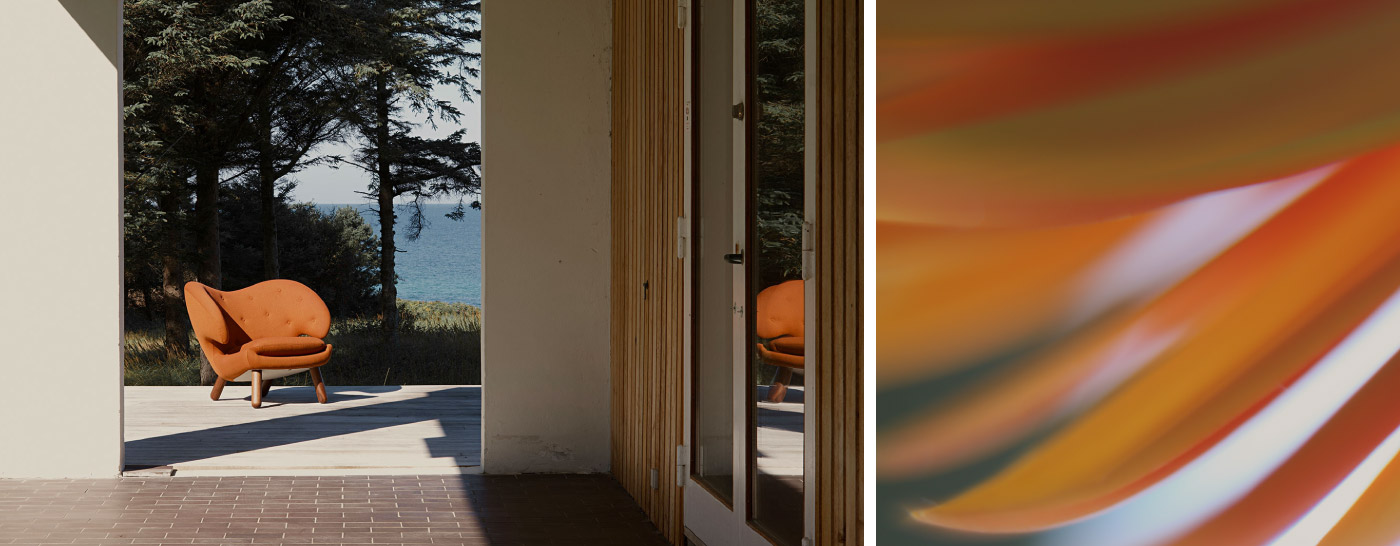
Finn Juhl's design universe is a joyful journey of shapes, aesthetics and inspiration.
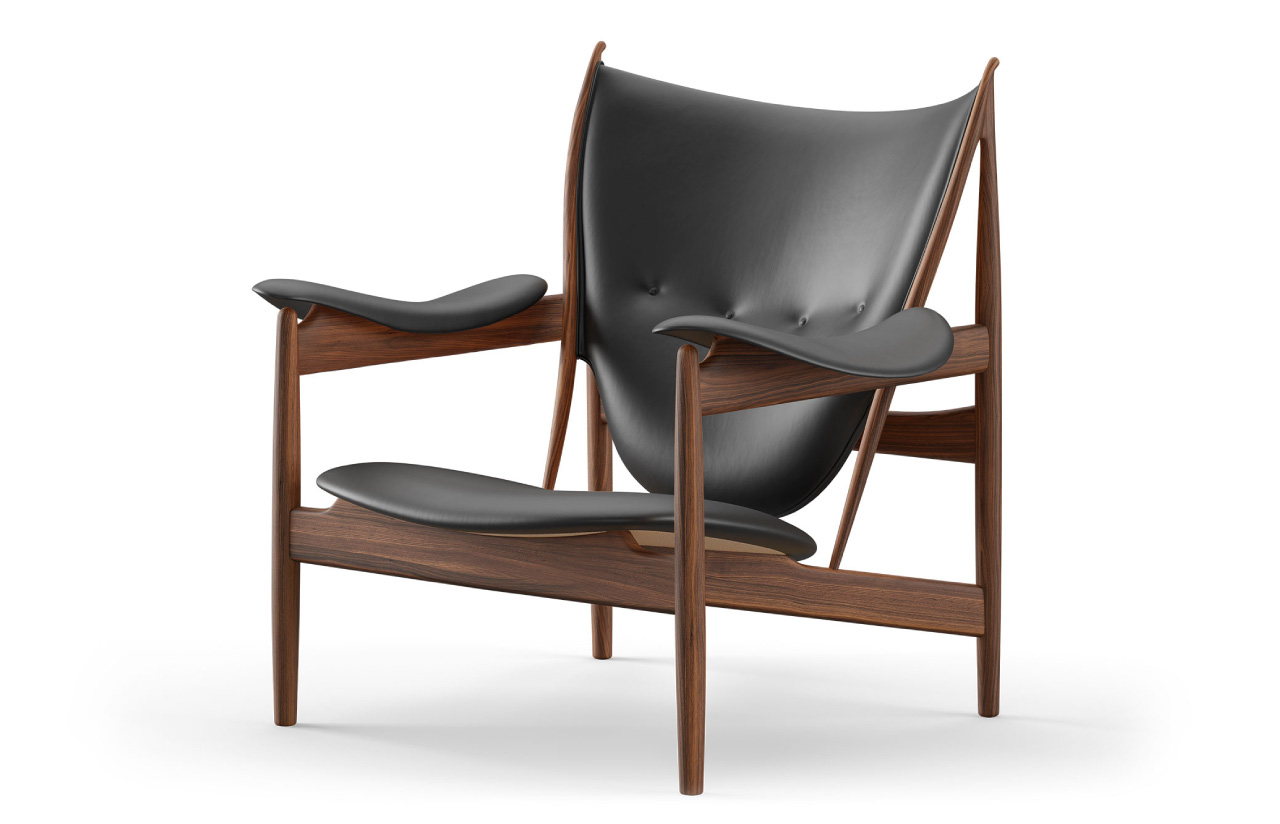
An icon within furniture. The Chieftain Chair is considered one of Finn Juhl's absolute masterpieces, representing the peak of his career as a furniture designer. At its introduction in 1949, the chair marked a renewal of the Danish furniture design tradition. Today, the Chieftain Chair is perceived as one of the most important exponents of the Danish Modern movement in the US during the 1950s.
|
|

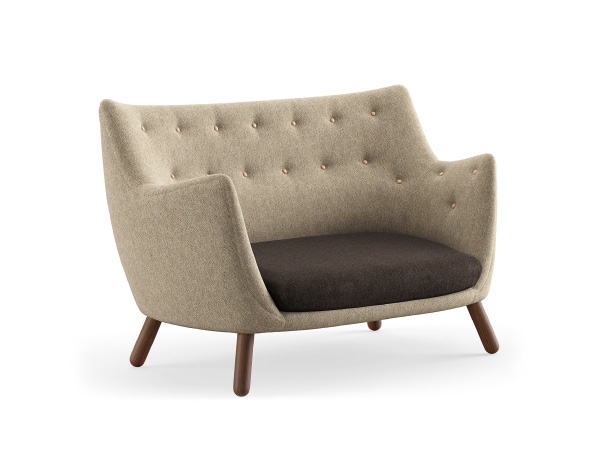
The Poet Sofa first saw the light of day at the Copenhagen Cabinetmakers' Guild Exhibition in 1941 and was originally designed for Finn Juhl's own home. Drawing inspiration from surrealist art, the small two-seater sofa embodies comfort, craftsmanship, and respect for the materials used. The sofa is hand-upholstered in Denmark.
|
|
|

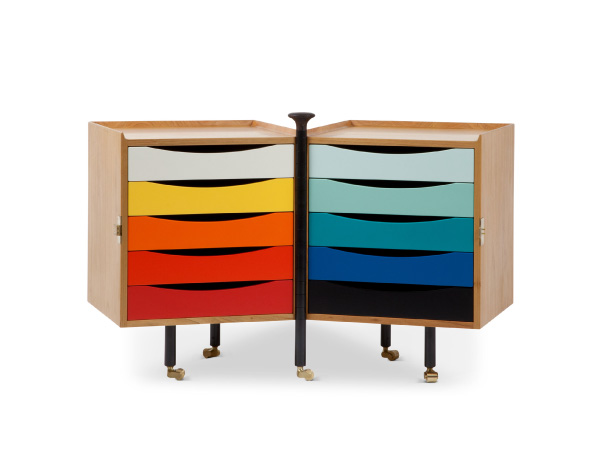
The Glove Cabinet, designed by Finn Juhl for his wife Hanne Wilhelm Hansen, was presented by Ludwig Pontoppidan at the Cabinetmakers' Guild Exhibition in 1961 as part of a collection of bedroom furniture. The exhibition in 1961, where Finn Juhl presented the Glove Cabinet, marked Finn Juhl's 25th anniversary and became his last exhibition of that kind.
|
|
|
|
|
|

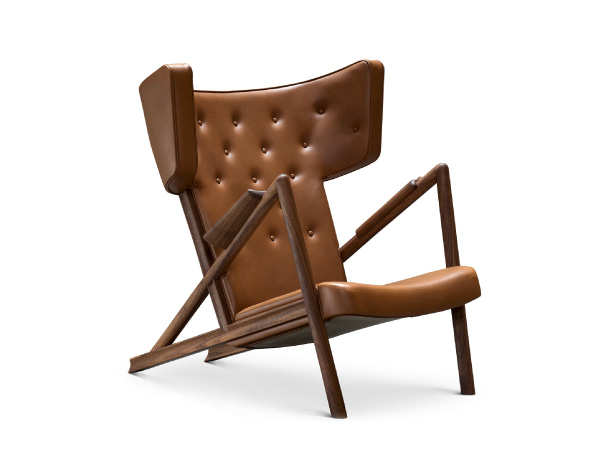
The Grasshopper was one of Finn Juhl's first attempts at expressing his artistic freedom in the form of furniture. Standing in complete contrast to his contemporary colleagues, Finn Juhl was neither a trained cabinetmaker nor furniture designer, but had instead studied to become an architect.
|
|
|

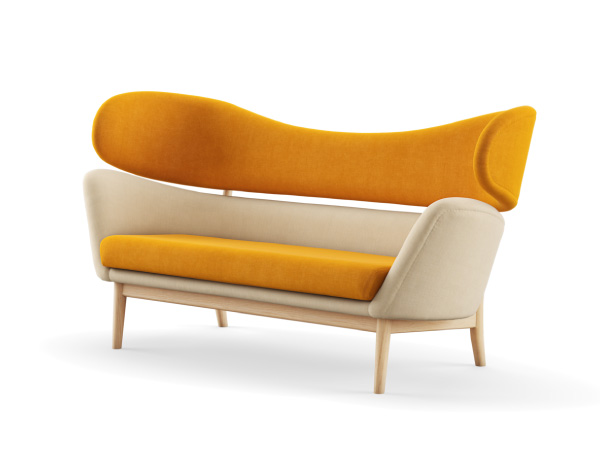
The bold and sculptural Baker Sofa, designed in 1951 with its two-piece backrest, marked Finn Juhl's American debut. The Baker Sofa is masterfully crafted with a wooden frame available in oak or walnut. The upholstery is all hand-sewn in textile or leather, and the cushion features springs to provide maximum comfort and durability.
|
|
|
|
|
|

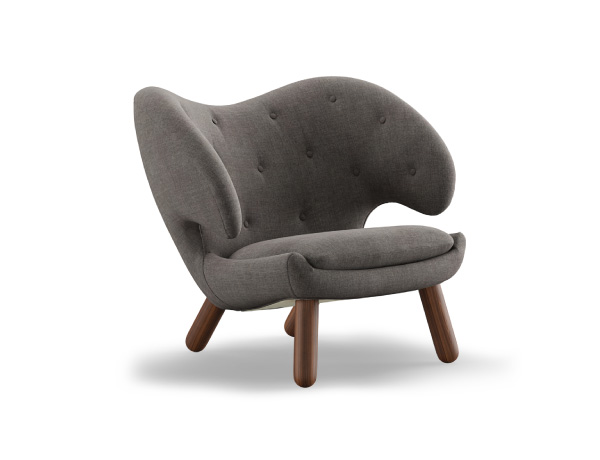
Finn Juhl's fascination for surrealism is clearly visible in the Pelican Chair. Among all his designs, the Pelican Chair was perhaps the furthest ahead of its time. The Pelican Chair is produced in two versions - with or without buttons.
|
|
 |
|
 |
|