A study in the Journal of Food Science found decaffeination increases acidity while sweetener type drives flavor balance, with sucrose and sucralose improving acceptance and stevia increasing bitterness and off‑notes.
Coast 4C raised $2.5 million to expand smallholder seaweed farming and improve supply chains in Southeast Asia, aiming to increase production quality, traceability, and farmer income for carrageenan used in food.
New research reveals how food manufacturers are adopting AI, where pilots deliver, and what's holding others back. Talk AI with our team at IFT FIRST Booth #4157. Download the report online.
A study published in The Lancet analyzing National Health Service records found new obesity diagnoses in England rose fastest among people in their 20s and 30s, up about 16%–20% since 2019–20, highlighting growing exposure to unhealthy food environments and diet-related risks.
The food industry is rapidly evolving, increasing demand for experts in food safety, quality assurance and product innovation. Purdue’s online courses allow professionals to gain both career-ready skills and industry certificates.
The U.S. Department of Agriculture reported a 10.62% SNAP payment error rate, triggering a policy that will require states to cover benefit costs if thresholds are exceeded, exposing them to billions in new expenses and potential program changes.
European Union farmers and a coalition report call for stronger policy support to scale plant‑crop diversification, citing improved resilience and quality of life but barriers in investment, processing, and market access.
Today’s beverage consumers want more than function. They want a noticeable shift in feeling. Explore how ingredients and sensory design can help nonalcoholic and functional RTDs deliver the moment.
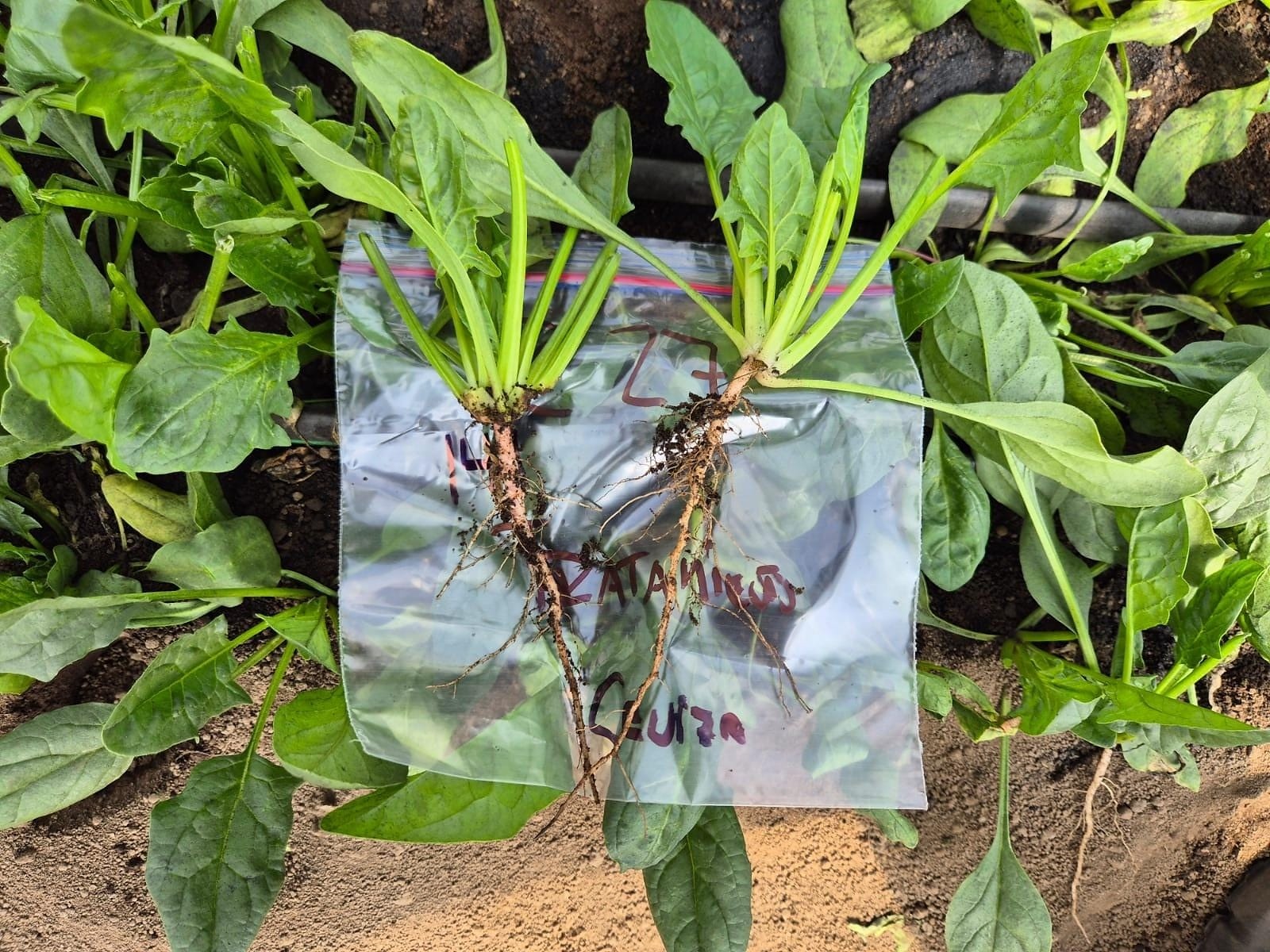
Biochar Now and Agricultura Tecnología Pasión reported increased yields and enhanced microbial activity in crops, including 90% gains in spinach, suggesting biochar may improve soil function.
Food System Innovations launched an AI‑driven Food Intelligence Lab, backed by the Bezos Earth Fund, to predict taste and optimize formulations, helping improve texture and flavor while reducing development time for plant‑based foods.
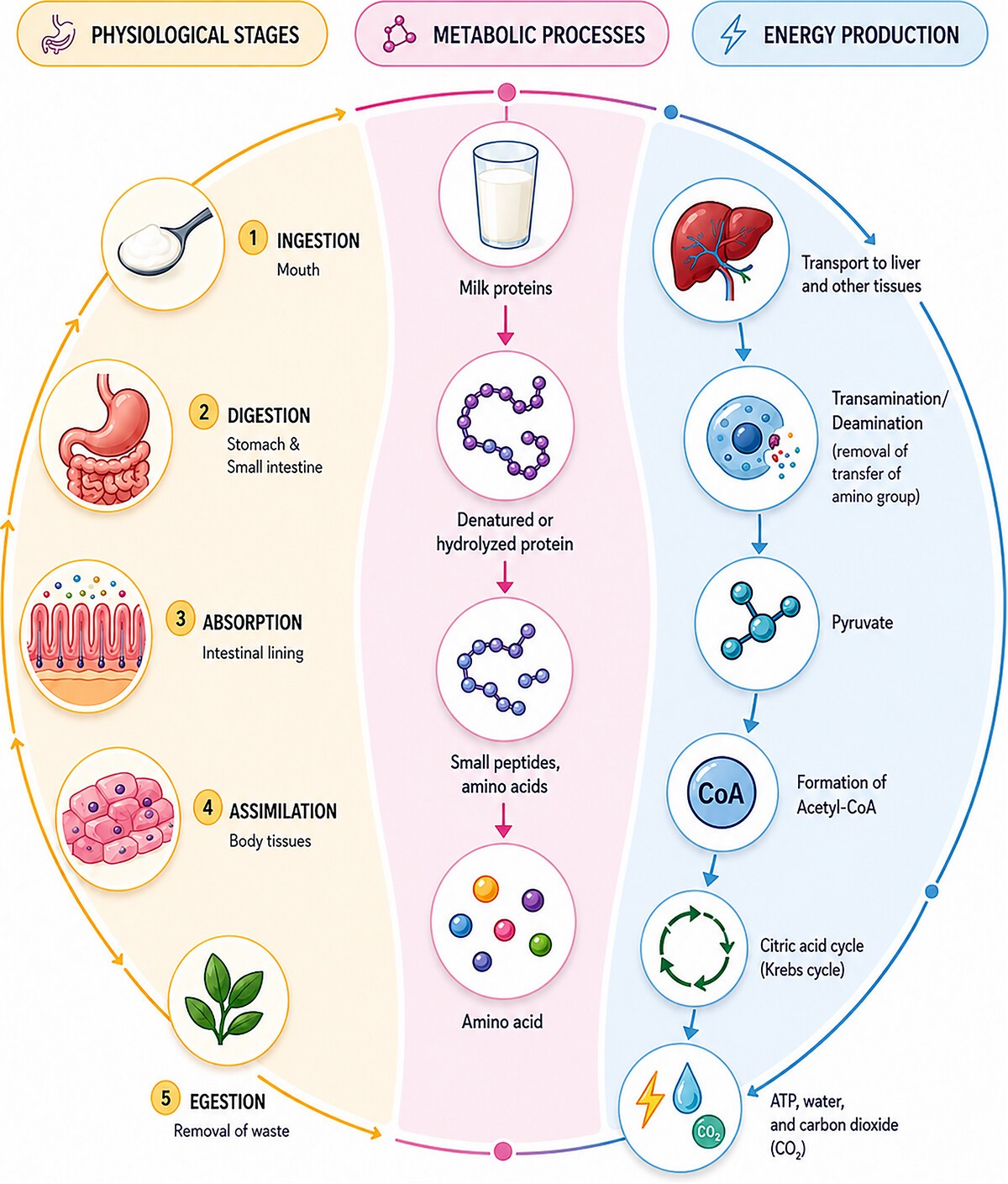
A review in Comprehensive Reviews in Food Science and Food Safety finds goat’s milk caseins remain allergenic and cross-reactive with cow’s milk but can be modified through enzymatic hydrolysis to reduce immunoreactivity and support hypoallergenic product development.