As regulators and manufacturers move away from synthetic food dyes, researchers continue to examine evidence related to their safety, health effects, and potential alternatives.
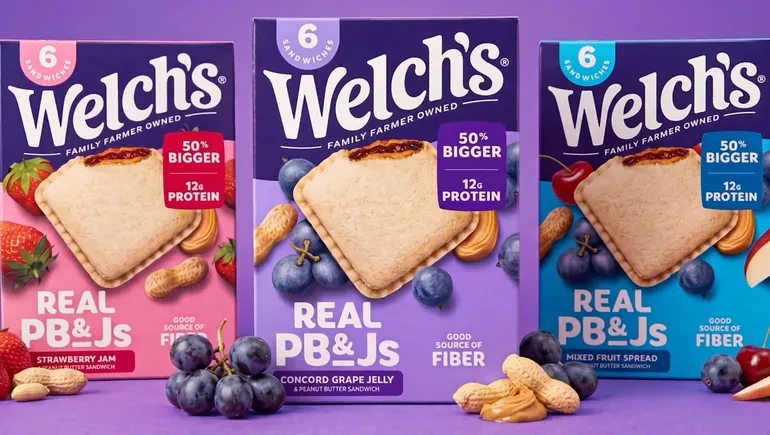
Companies launched products aligned with protein demand and functional beverages, including Welch’s frozen PB&J sandwiches, Campbell’s high‑protein soups, and Cann’s THC‑free drink targeting wellness trends.
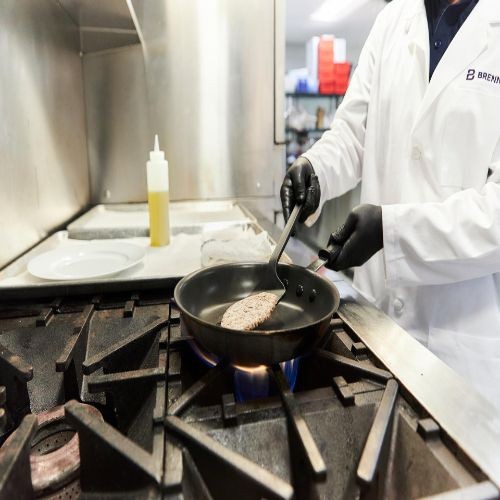
At IFT and beyond, innovation happens where the right ingredients meet the right insight. Brenntag Food & Nutrition supports food developers with solutions designed for real-world performance.
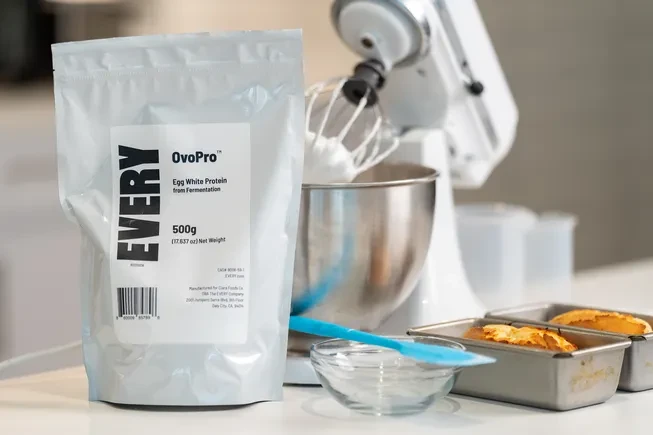
Archer Daniels Midland is partnering with The Every Company to produce its OvoPro ingredient at scale, aiming to expand supply and stabilize costs for egg-based proteins amid rising demand and market volatility.
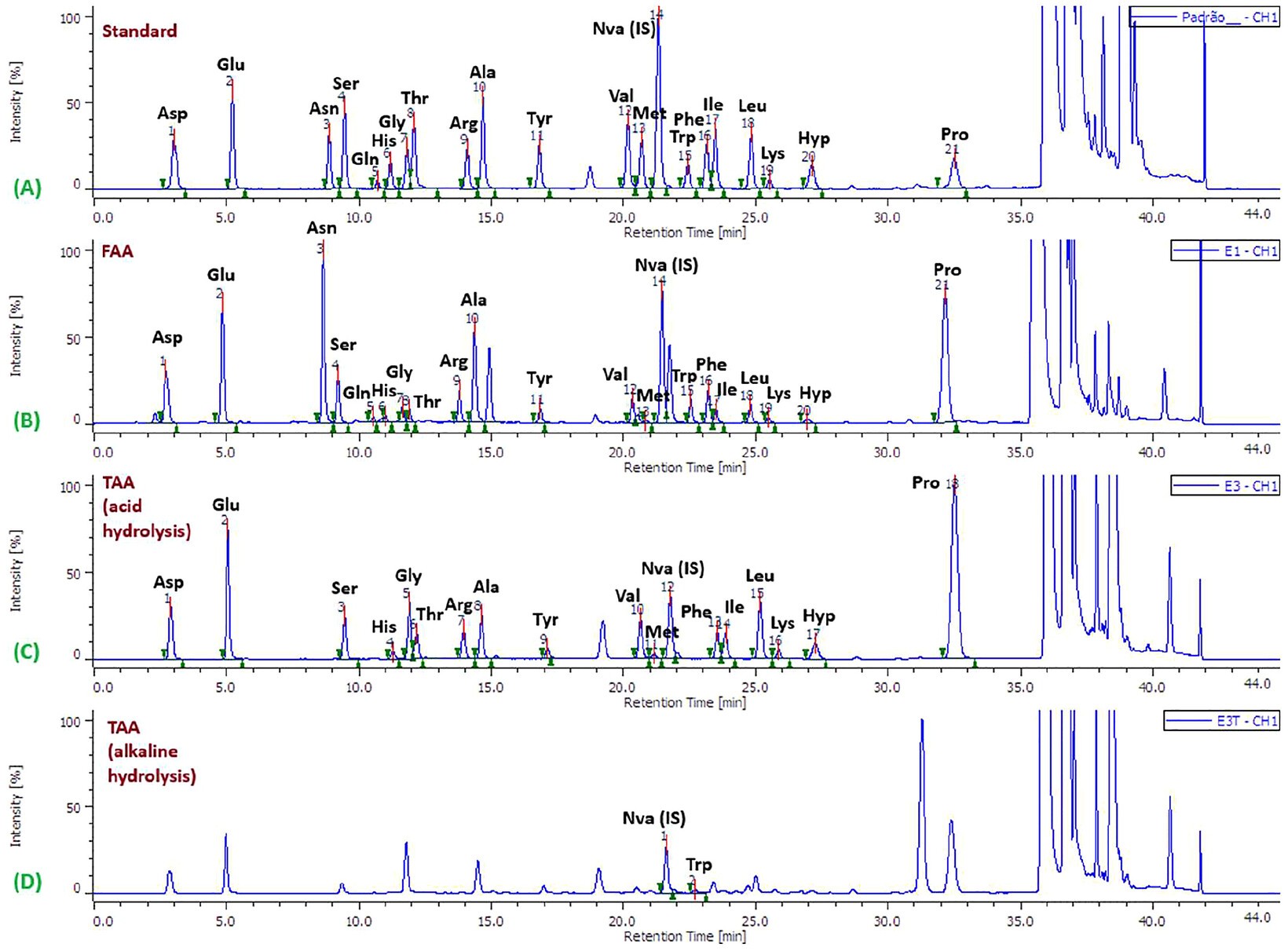
Coffee by-products other than parchment contain meaningful protein and amino acids, with defective beans showing the best protein quality. Methionine was limiting, so complementary proteins are still needed.
The Food and Agriculture Organization highlighted the need to integrate agrifood systems into global artificial intelligence policy to improve food security, sustainability, and resilience across supply chains.
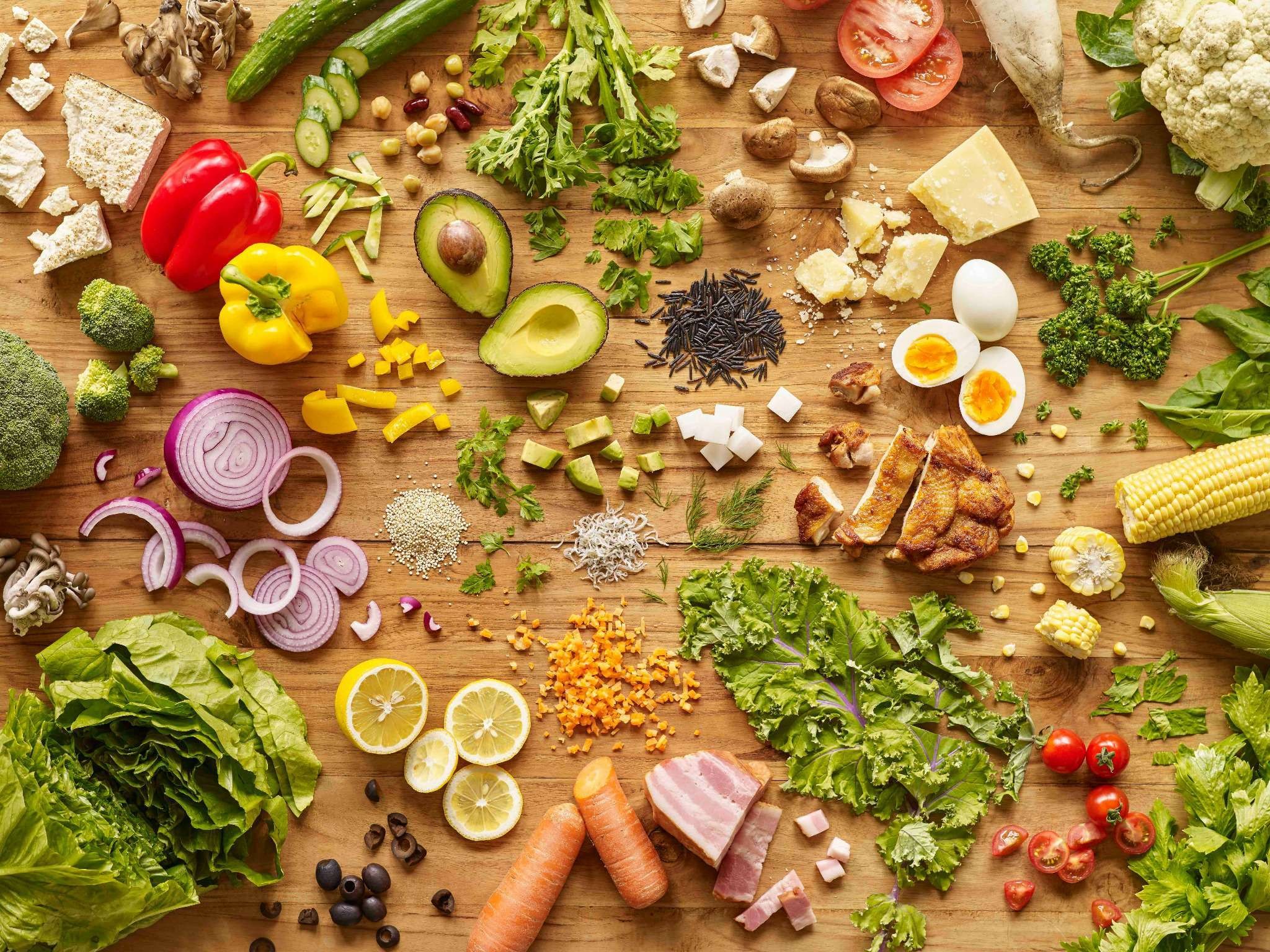
Researchers at the Potsdam Institute for Climate Impact Research reported that healthier diets could reduce livestock production and shrink global agricultural land use by about 9 percent while lowering related emissions...
Researchers at LMU Munich found gut bacteria repurpose enzymes to break down heat‑formed compounds that reach the colon, revealing how cooking alters microbiome activity and metabolism.
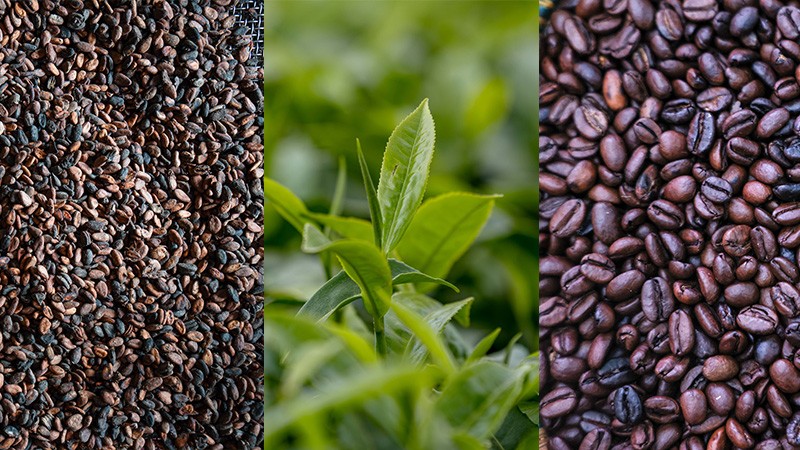
The Food and Agriculture Organization of the United Nations reports that supply and demand shocks drive most price swings in coffee, cocoa, and tea, exposing structural weaknesses and uneven impacts across value chains, particularly for producers.
Recent surveys show declining confidence in the Food and Drug Administration, with many Americans citing concerns that political influence from leadership is shaping scientific decisions and weakening trust in food and health guidance.
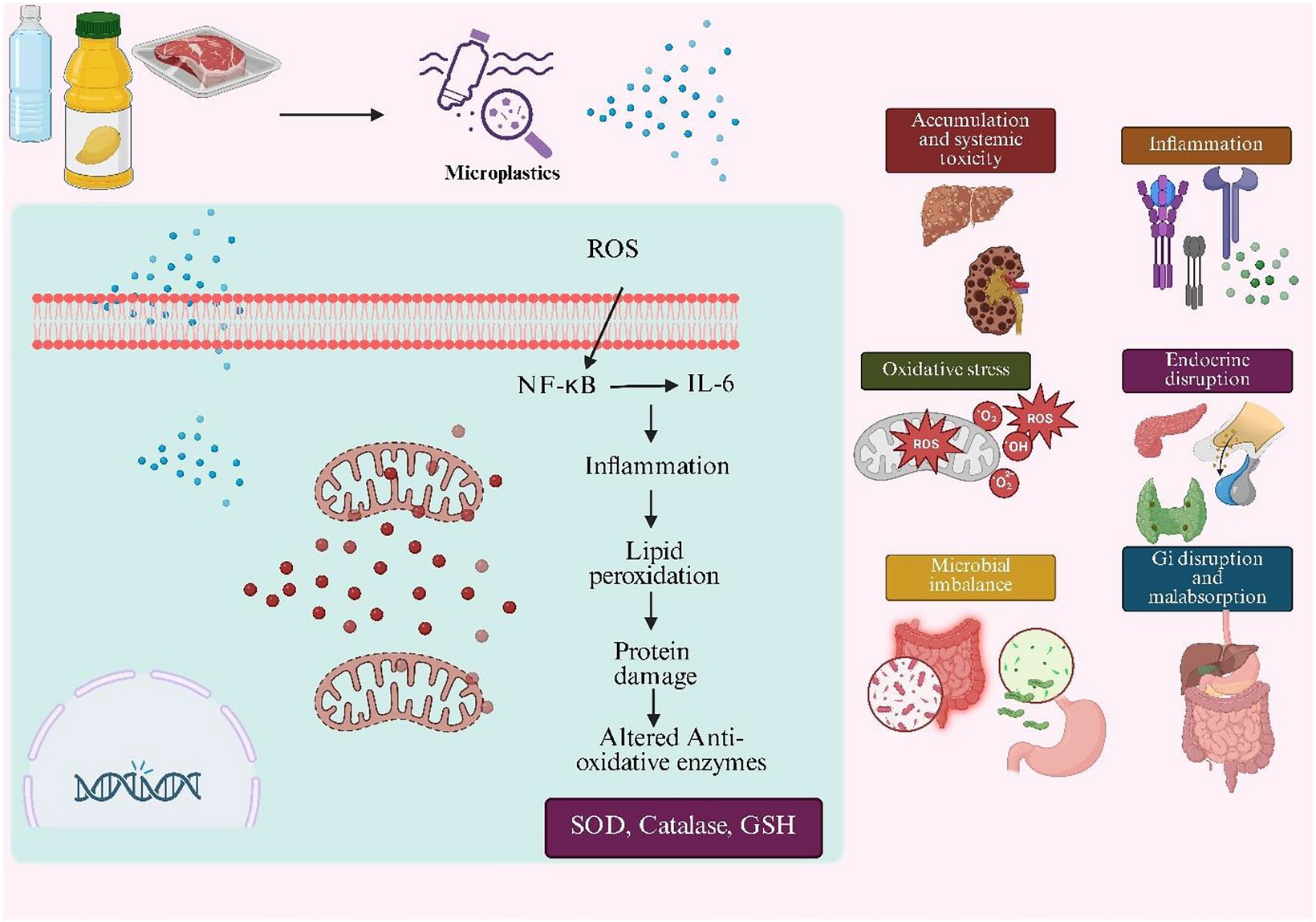
Packaging and processing release micro- and nanoplastics into foods, particularly packaged and heat-processed products, highlighting exposure pathways and the need for improved materials, practices, and regulation.