Tomorrow's Food News Now will be a special IFT FIRST wrap-up edition highlighting the event's biggest moments, emerging trends, and the Food Technology editorial team's best coverage from Chicago.
Food and beverage intelligence firm Datassential polled 1,516 U.S. consumers in January 2026 to glean insights into current perspectives on diet and health, including views on the Make America Healthy Again (MAHA) movement.
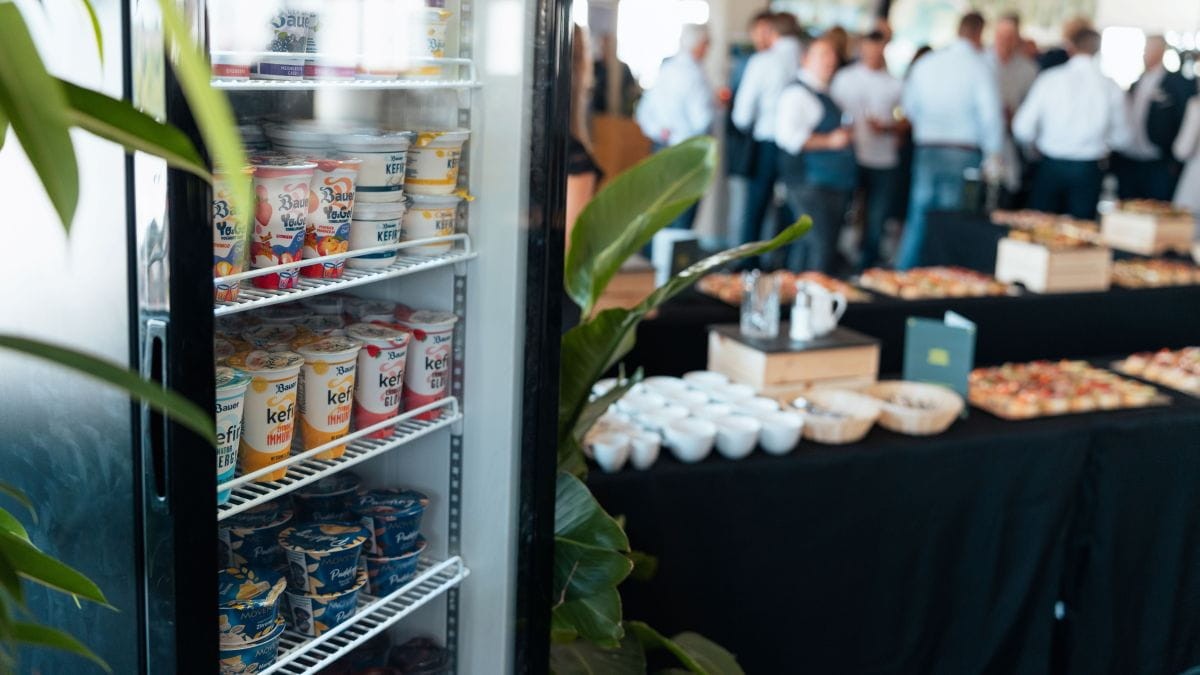
Bauer Dairy expanded its plant-based manufacturing capabilities with processing technology from GEA. The investment is intended to support production growth and broaden its portfolio of dairy alternatives.
Purdue’s online AI in Food Science and Industry Certificate teaches professionals how to translate AI tools into workforce-relevant skills and propose-AI enabled solutions for food and ag challenges, going beyond AI programming.
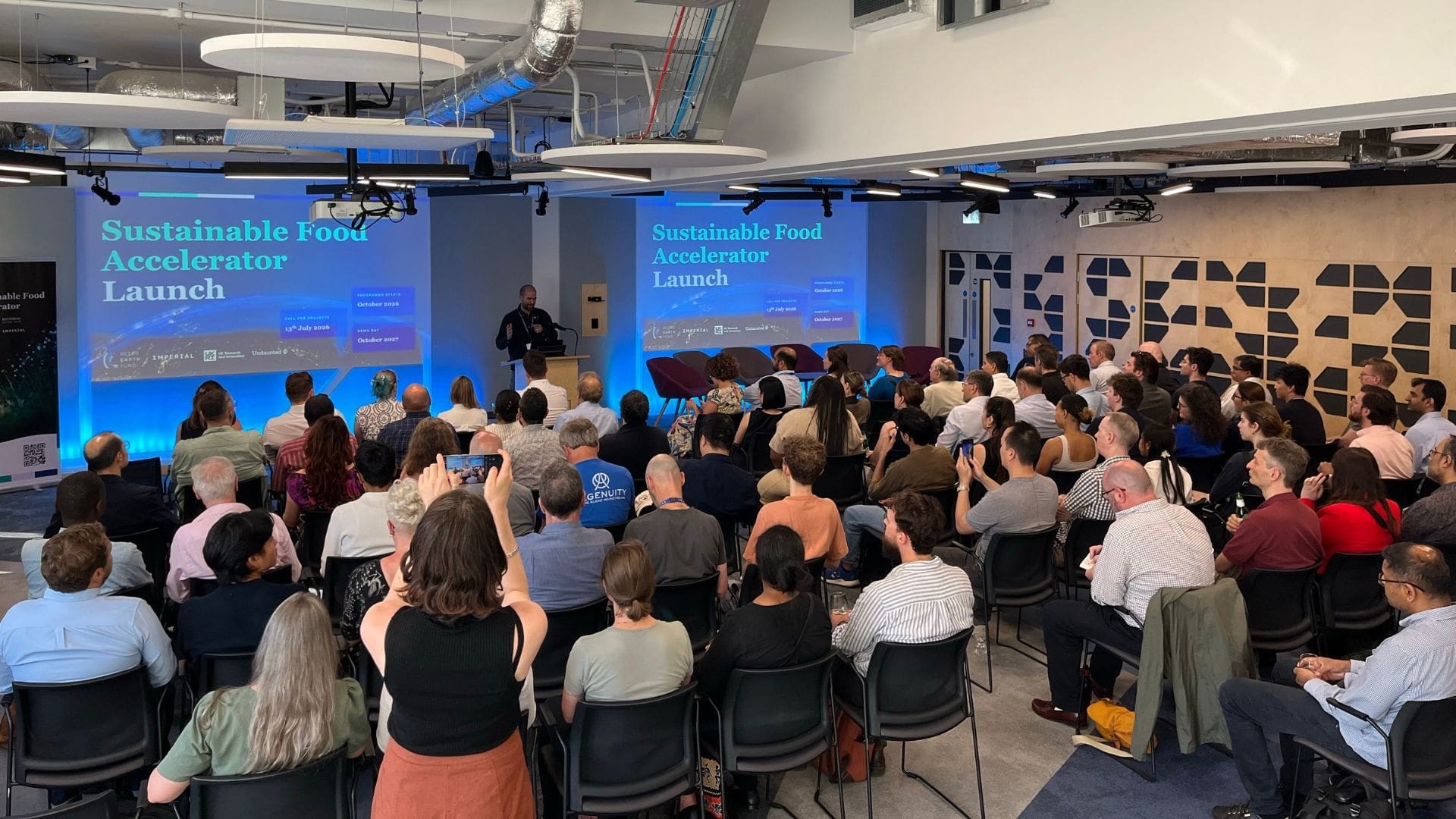
The Bezos Centre for Sustainable Protein launched a Sustainable Food Accelerator to help food ventures secure pilot opportunities, attract investment, and expand operations. The program focuses on accelerating growth in sustainable food innovation.
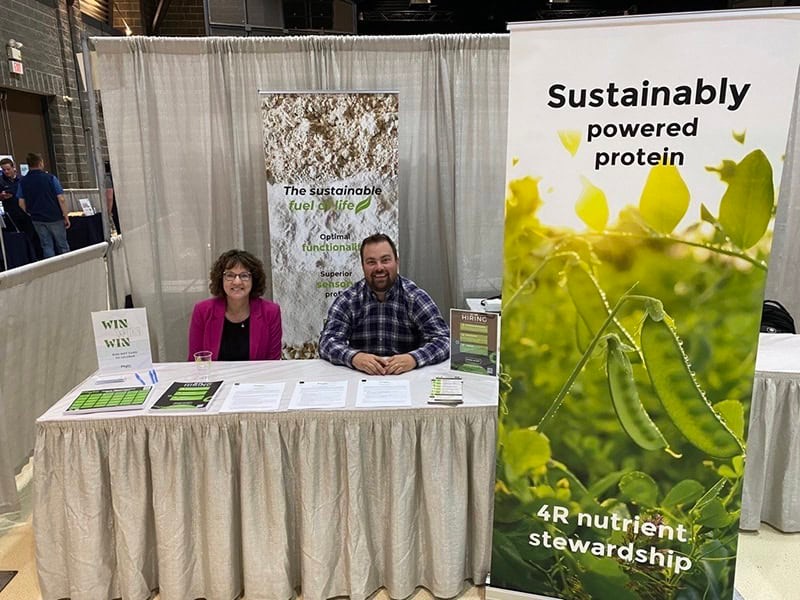
Phytokana raised $25 million to clear a final hurdle before building its pulse protein facility in Alberta, Canada. The company says the investment will support expansion of plant-based protein production capacity.
Oshi CEO Yaakov Nahmias said the company's cultivated fish fillets can help reduce pressure on wild fisheries while meeting seafood demand. It is advancing production as interest grows in alternative seafood sources.
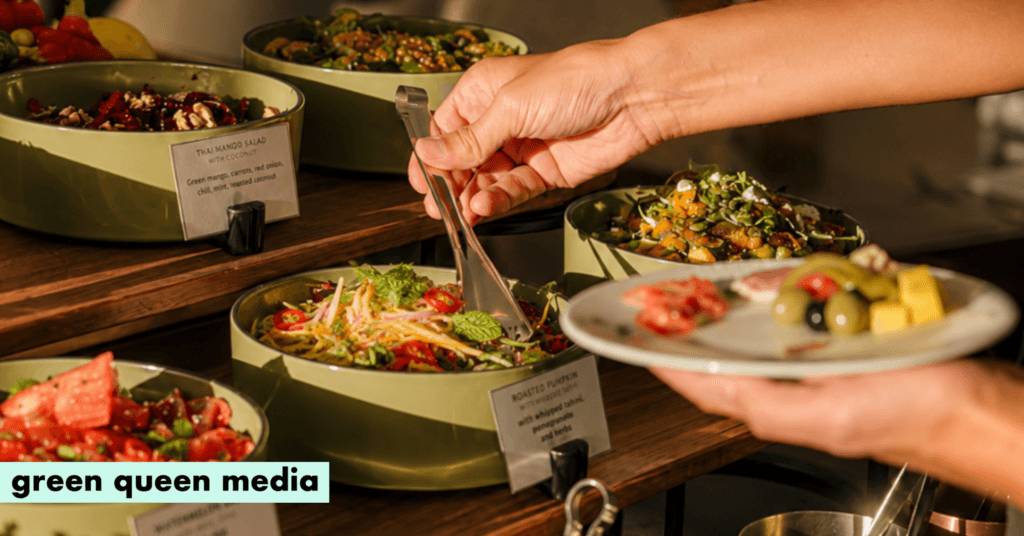
The Global Sustainable Tourism Council is encouraging hotels and restaurants to make 30% of meals plant-based as part of broader sustainability efforts. The initiative aims to reduce environmental impacts associated with foodservice operations.
Farmers and food advocates are promoting direct-to-consumer food sales and local supply networks as a way to strengthen U.S. farm profitability, increase transparency, and expand access to locally produced foods.
Midwest Poultry Services recalled 1,589,577 dozen shell eggs produced in Texas due to possible Salmonella Enteritidis contamination. The U.S. Food and Drug Administration said the eggs were distributed to retail and foodservice customers in multiple states.
All G launched a precision-fermented, cow-free lactoferrin ingredient in the United States and said a human-identical version is nearing commercialization. The company says the proteins could support nutrition and functional food applications.
Seafood industry stakeholders are exploring strategies to attract younger shoppers, who bring different expectations around convenience, value, and product discovery. The shift could influence seafood merchandising and marketing approaches.