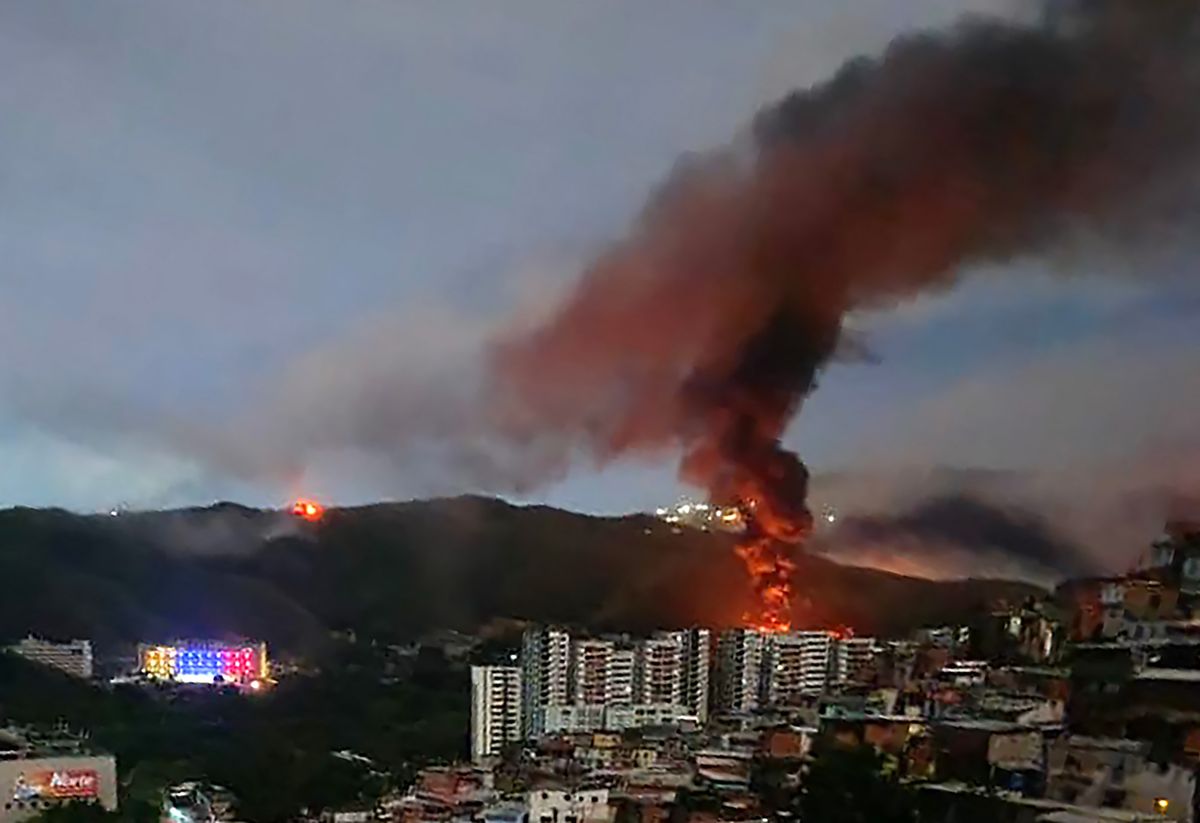
The President has made clear he wants to exploit Venezuela’s vast oil reserves; history suggests that it won’t be easy.
By John Cassidy
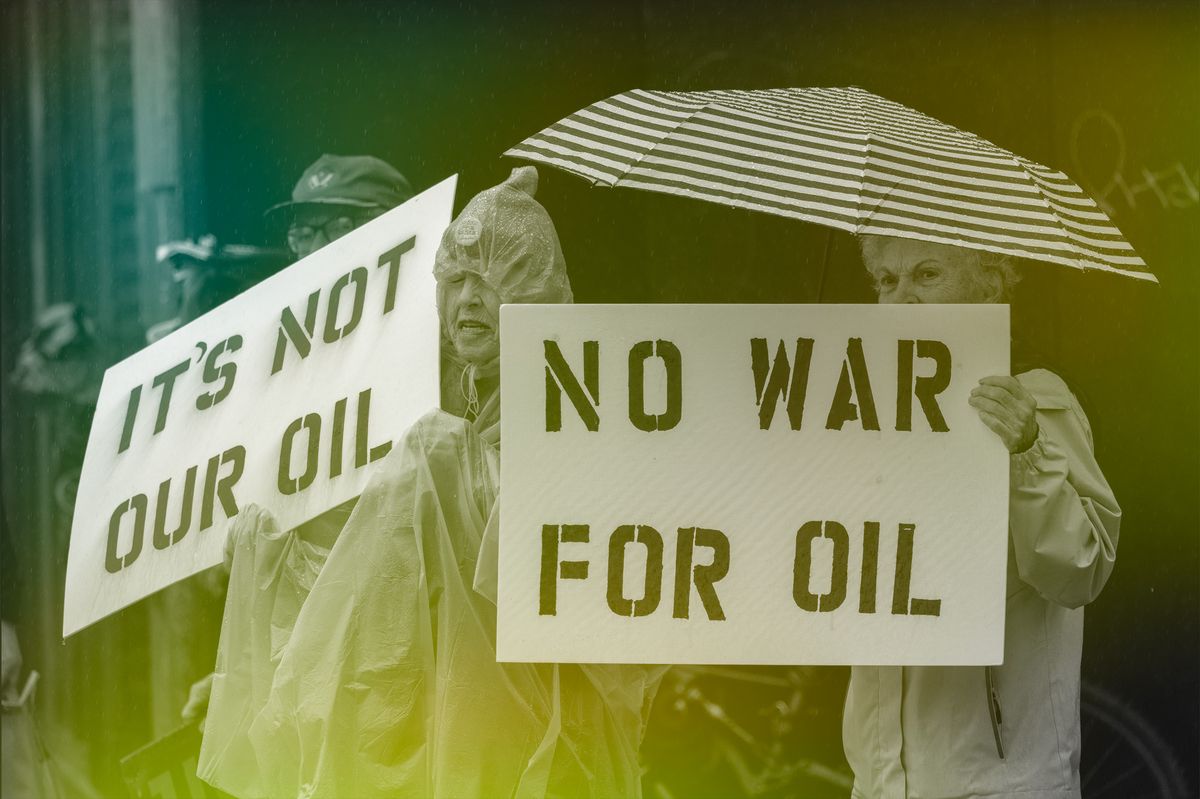
Source photography by David McNew / Getty
Watching Donald Trump’s press conference at Mar-a-Lago on Saturday, in which he said that the U.S. would “run” Venezuela and seize some of the country’s oil wealth “in the form of reimbursement for the damages caused us by that country,” my mind went back to 2003. In the immediate aftermath of the U.S. invasion of Iraq, I spent several weeks travelling around the country’s oil fields, some of which were still littered with live ordnance, speaking with members of the U.S.-led Task Force Rio—the “Rio” stood for “Restore Iraqi Oil”—and local workers. I also went to Baghdad, where I interviewed officials from the Iraqi oil ministry.
Venezuela isn’t Iraq, of course, and so far, at least, there hasn’t been a U.S. occupation. (Although Trump remarked, “We’re not afraid of boots on the ground.”) Nonetheless, this is the second time in twenty-three years that the United States has deposed the authoritarian leader of an oil-rich nation—the third if you count the NATO strikes on Libya in 2011, which hastened the fall of Muammar Qaddafi. History has some lessons to offer.
|