Truthfully, I expected to hear all about AI, marketing channels, and new MarTech tools. Instead, they shared their take on what actually moves the needle in lifecycle — including what they’ve seen hold teams back, and their tried-and-true methods for overcoming the challenges.
This week I've got three great guest posts from each leader below — and of course, there’s too much good stuff to try and fit into one email here. Below, I’ve synthesized some of the standout takeaways, but you should definitely read the full posts, too.
🤔 The Breakdown
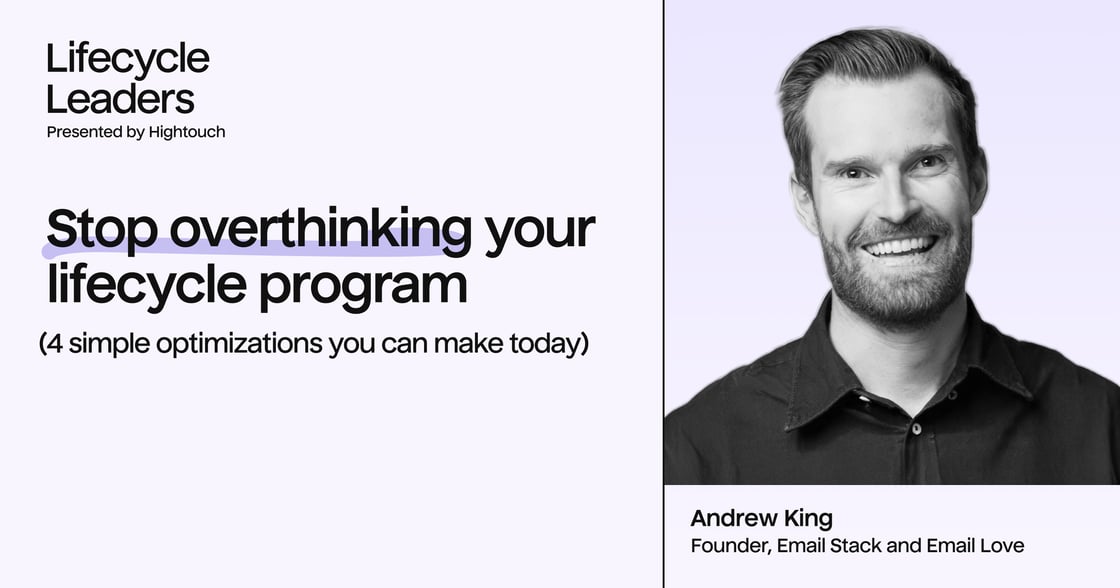
Takeaway #1: Don't ignore the impact of simple personalization
Many lifecycle teams often chase advanced personalization and overlook the simplest, highest-impact fields already sitting in their ESP: join date, email domain, and location. Those “basic” attributes are often the difference between generic campaigns and ones that feel genuinely personal.
"Some of the biggest lifecycle wins are sitting in plain sight — the data you already have, the campaigns you’re already running, and the automations you’ve already built. When you connect those dots, the whole program starts to feel different."
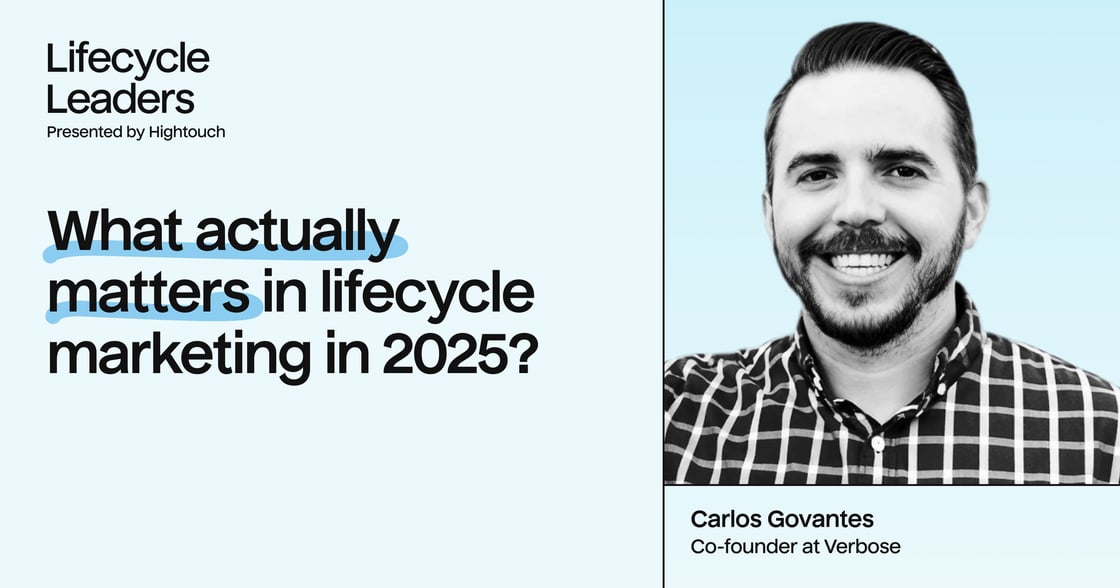
Takeaway #2: Reinforcing the wrong habits kills growth
Reinforcing the wrong habits by only focusing on engagement metrics (opens and clicks) doesn’t compound into retention or LTV. The strongest programs prioritize the habits and actions that sustain long-term growth.
"...not every habit is worth building. The right ones are those where customer value and business value are aligned — where the customer feels rewarded and the business drives profitable, repeatable outcomes. That alignment is what turns habit formation from a vanity metric into a true growth engine."
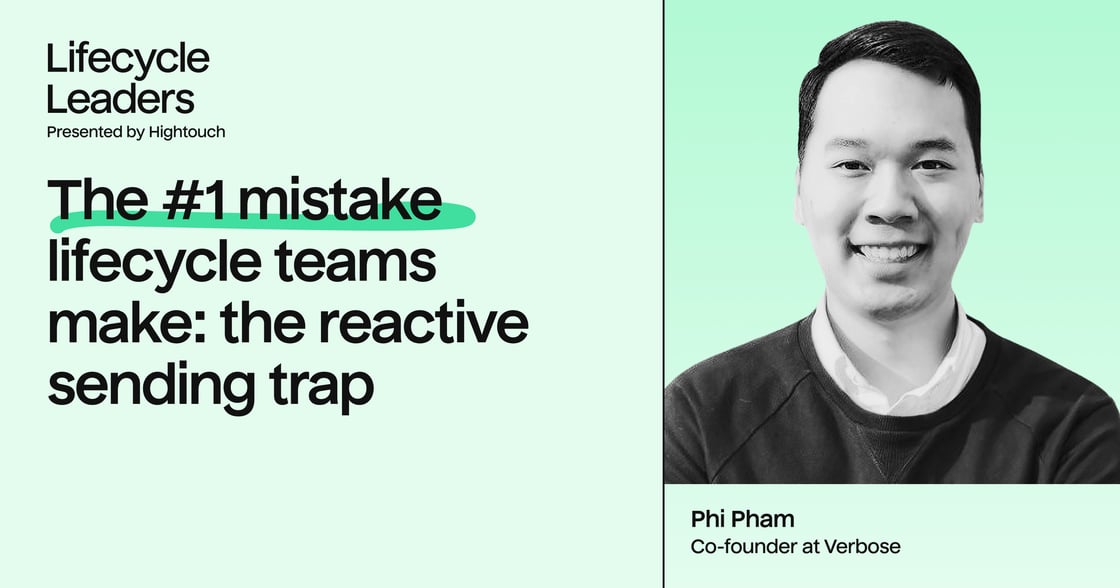
Batch campaigns that override automations are one of the fastest ways to erode trust. The programs that last are the ones where journeys shape behaviors, where campaigns reinforce journeys, and where channels influence behaviors. Phi outlines six steps that marketers can implement to shift away from reactive sends to proactive ones.
“Reactive sends might get you a few golden eggs today, but if you pull the same lever too many times, you’ll inevitably kill your golden goose.”
A while back, I stumbled upon this goldmine of consumer data that Capital One aggregates and updates quite frequently. Truthfully, this is the single most useful data resource I’ve found when it comes to looking at macro purchasing stats across the world. I hope it’s helpful to you.
🎣 Coming up next
Recently, I dove into a few specific brands and triggered a number of behavioral events, so we can do our first-ever head-to-head comparison. I’m currently collecting the messages, so stay tuned 😉.
And as always, I’m talking to a number of amazing folks in this community who lead incredible enterprise programs in both the B2B and B2C world to glean their tips and insights...
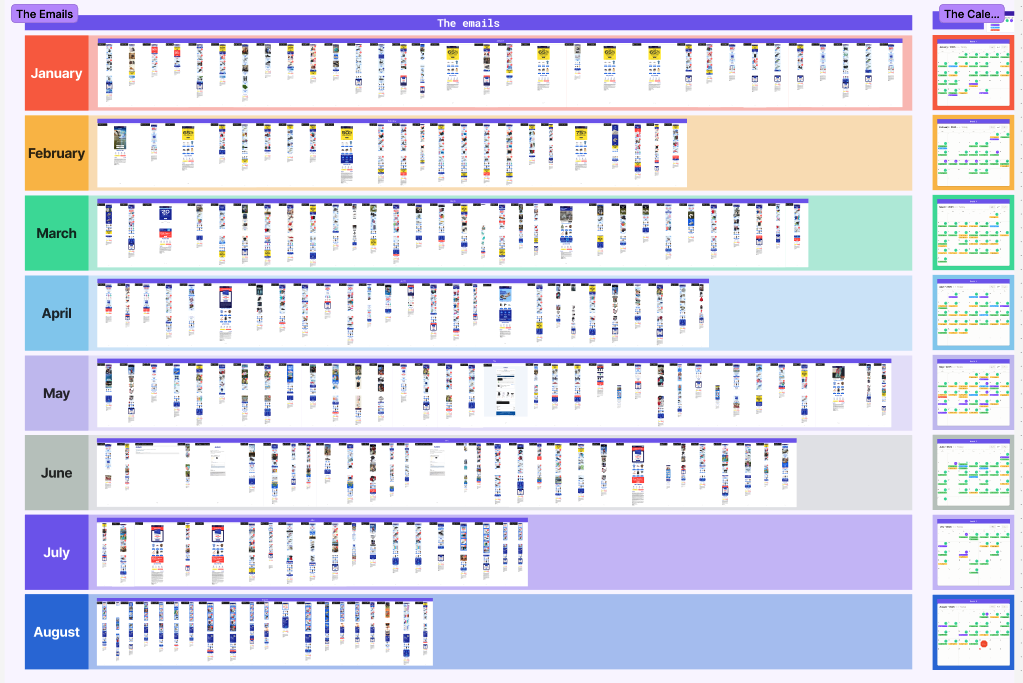
Last of all, I’m also heads down on the next journey breakdown (my biggest one yet, nearly an entire year of emails from a large retailer 👀). Here’s a taste of what I'm currently analyzing.
👋 Signing off
This is only the fourth edition of this newsletter — and making this great means hearing from you. You can reply to this email (yes, you!) and let me know:
What brands you want me to break down next
What lifecycle topics you want covered
Individuals you’d like to hear from in the community
Other things I should be doing that I’m not (no ego here!)
I can’t act on what I don’t know, and this newsletter is only as good as the people who read it. So yes, go for it and fill up my inbox.
In the meantime, make sure you’re not silently destroying your lifecycle program.
Thanks again,
— Luke Kline
⭐ Star this so Gmail knows it’s worth reading
📬 Move this to primary so you actually see the next teardown
👥 Add me to contacts (it’s basically lifecycle whitelist mode)