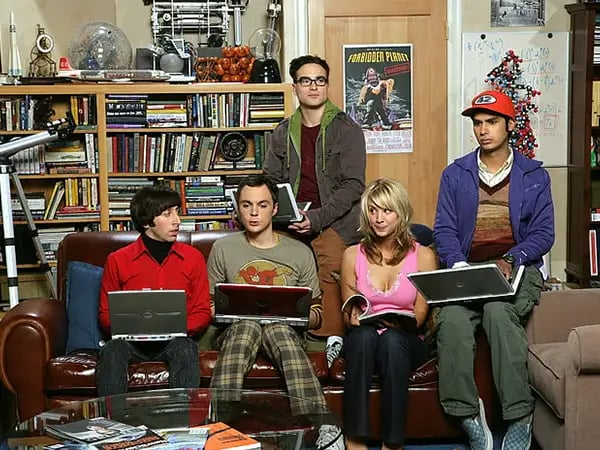
Gary Moore, who runs Dell’s global product placement team, says that the brand has been featured in dozens of TV shows and films over the years, including The Big Bang Theory (2007-2019).
In 2020, Dell made a cameo in 19 films, including 5 minutes of screen time in Bad Boys for Life that, alone, was worth ~$8.5m in ad exposure.
Whether a movie needs 100 military-grade PC desktops for an FBI scene or a dozen laptops for a startup office, he’s the go-to guy.
We have a vetting process we look at to make sure that a show or film is a good fit for our brand,” he says. “We want to make Dell is represented in a positive light, and we turn an opportunity down if we think our products will be used in a nefarious context.”
To ensure this, Moore often flies from Austin, Texas, to Hollywood just to read potential spec scripts.
“I say to every brand that comes my way, you should be doing product placement and it’s not as expensive as you think.”
But just how effective is product placement as a form of marketing?
Dominic Artzrouni is the founder of Concave Brand Tracking, a firm that offers detailed analytics on the performance of product placements in film.
Artzrouni provides brands like Dell with data on screen time, discernibility, logo visibility, context (location, associations), and — most importantly — the value they derive from their placements.
“Product placement is the gift that keeps on giving,” he says. “The ROI can be ridiculous; a brand might get into a film for free and get $3m in value from it.”