Information and confirmation
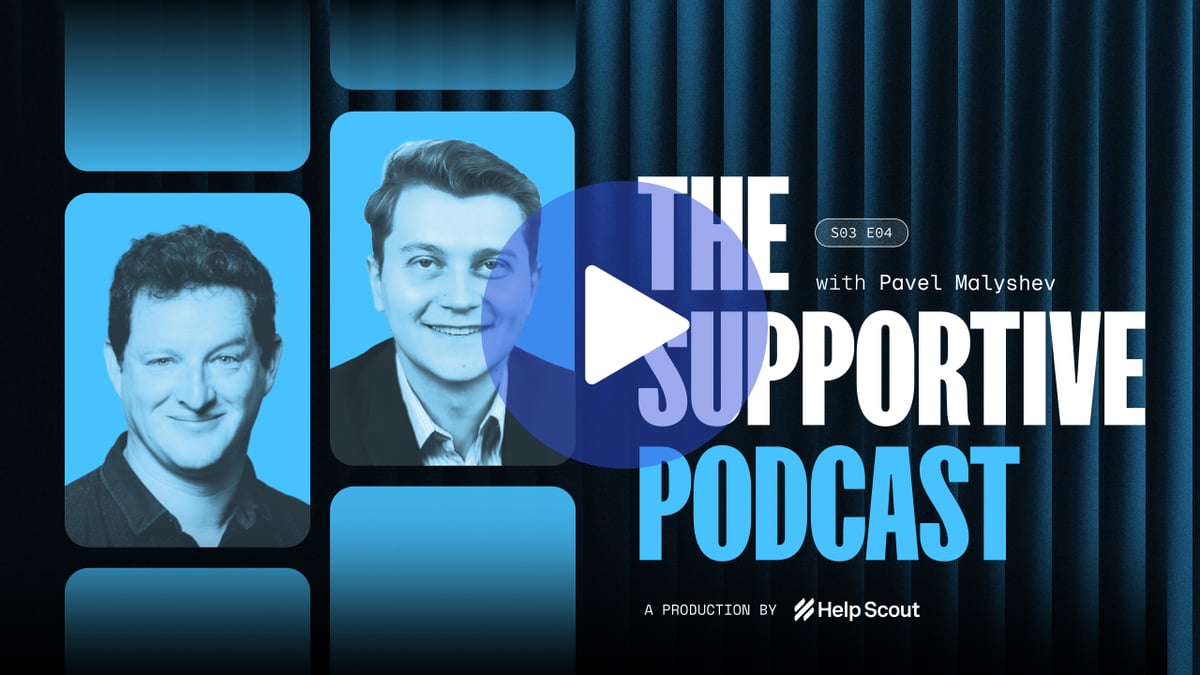
In my latest Supportive Podcast conversation I talked to Pavel Malyshev, former Head of Global Customer Support & Customer Education at Productboard. Pavel is now looking for his next role, having been recently laid off like so many others during this chaotic reshaping of the software world.
Pavel describes himself as an AI-native builder, and at the moment of restructuring he’d been working on plans for his team to thrive in an AI support world. We get into that, and more, in the interview, but one of the things that stood out for me from Pavel’s story was this:
“Sometimes we would rate [an AI response] as perfect in a product sense. But the human would still ‘ask for a human’ because they would want the confirmation from a real person”
When dealing with generative AI that is typically fast and accurate, but sometimes fast and confidently wrong, it’s perfectly rational for customers to look for confirmation of information.
When we’re designing modern customer support systems, we need to build in systems to maintain confidence and trust. We should, of course, always have been doing so. That might mean offering an answer, but also linking to the documentation for verification and future reference. Or sharing a customer story, or a template - something which shows people how to get done what they need to do.
With AI in the mix those same verifications still apply, but new ones are needed. Start by consistently and clearly differentiating the people from the bots, so your customers don’t need to guess whether they are talking to a human. They also need to know that if a mistake is made—by an artificial intelligence, or a genuine, grass-fed artisanal organic intelligence— then there are people who will acknowledge it, take action to correct it, and get things back on track.
How can you show that to your customers? Can you update your contact pages so that a “get me to a human” path is always available? Can you add a note to your chat tool acknowledging the limits of the technology, and linking out to an explanation and alternative options? Can you publish a policy on how and where AI support tools are used?
If you want people to trust you, then they need to know there is a “you” in control, and then you need to earn that trust. Trust can’t be built by AI…but it can be destroyed by it. Cherish your trust, it’s an asset your competitors cannot easily duplicate.