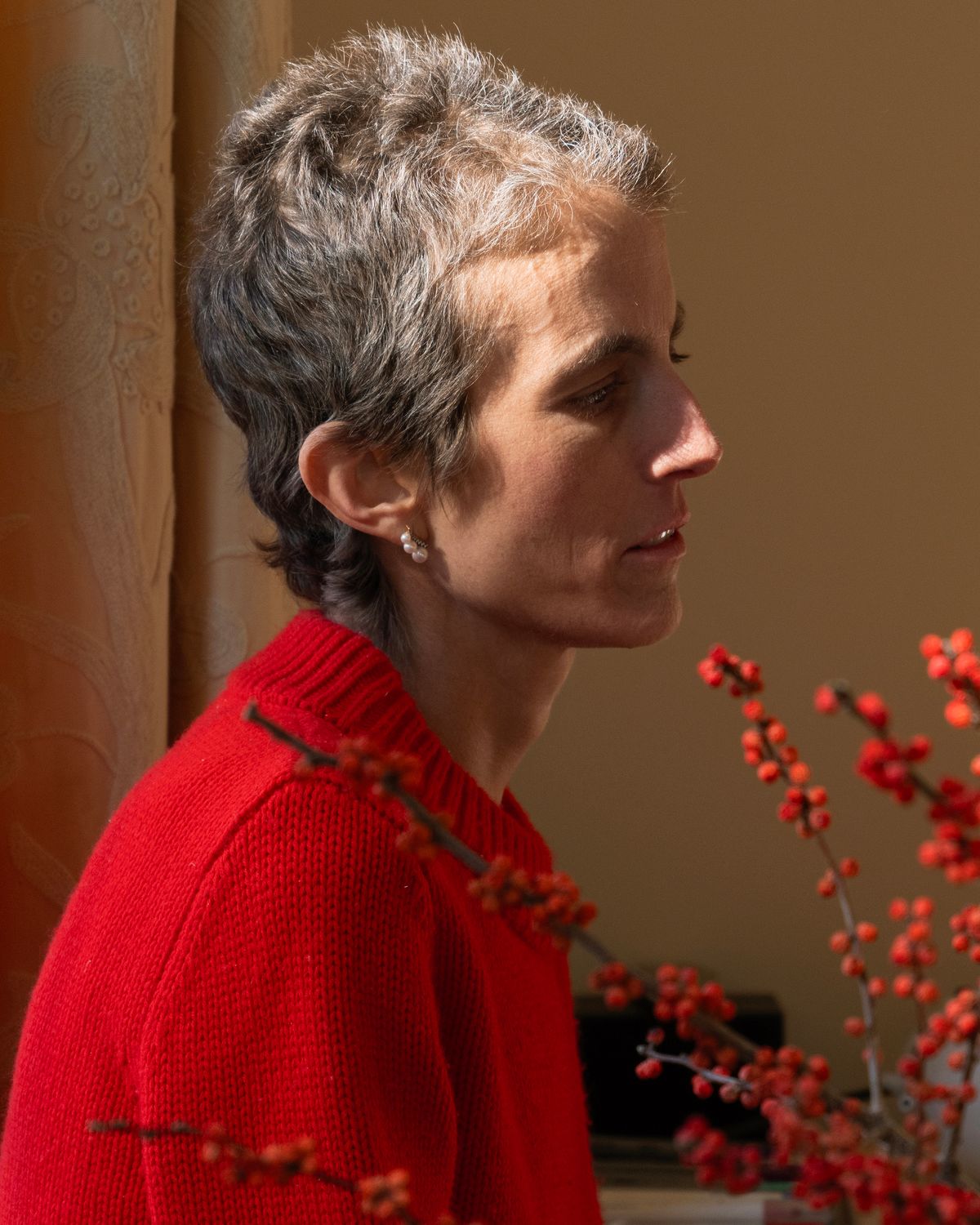
Photograph by Thea Traff for The New Yorker
By Tatiana Schlossberg
“When I was diagnosed with leukemia, my first thought was that this couldn’t be happening to me, to my family.”
By Ronan Farrow
When a prosecutor began chasing an accused serial rapist, she lost her job but unravelled a scandal. Why were the police refusing to investigate Sean Williams?
By Barbara Demick
As thousands of Chinese families take DNA tests, the results are upending what adoptees abroad thought they knew about their origins.
By Jake Tapper and Alex Thompson
At a fateful event last summer, Barack Obama, George Clooney, and others were stunned by Biden’s weakness and confusion. Why did he and his advisers decide to conceal his condition from the public and campaign for reëlection?
By Dhruv Khullar
A scientist tried to discredit the theory that ultra-processed foods are killing us. Instead, he overturned his own understanding of obesity.
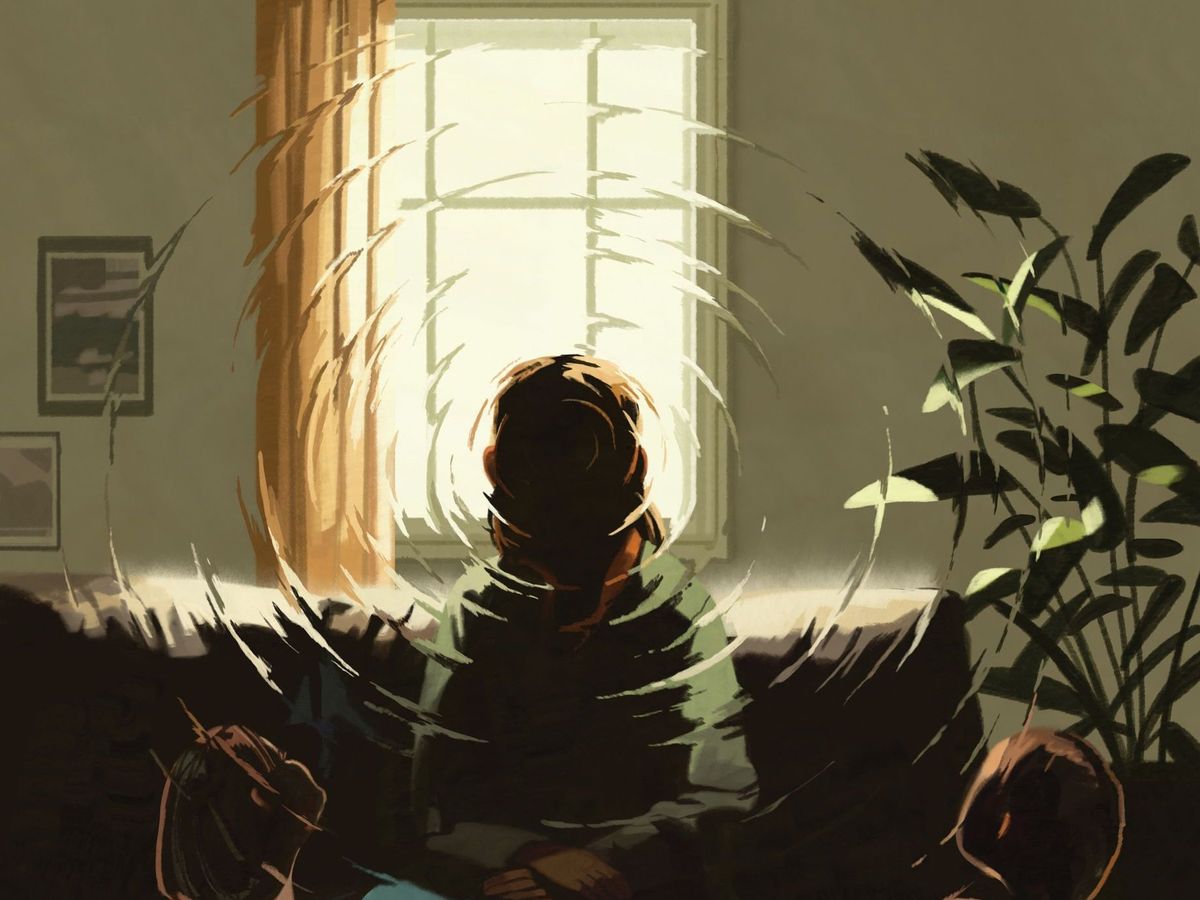
Illustration by Emiliano Ponzi
By Rachel Aviv
Some psychiatric patients may actually have treatable autoimmune conditions. But what happens to the newly sane?
By Ava Kofman
The reactionary blogger’s call for a monarch to rule the country once seemed like a joke. Now the right is ready to bend the knee.
By The New Yorker
Each week, our editors and critics recommend the most captivating, notable, brilliant, thought-provoking, and talked-about books. Now, as 2025 comes to an end, we’ve chosen a dozen essential reads in nonfiction and a dozen, too, in fiction and poetry.
By Michael Schulman
The theatre diva, famed and feared for her salty bravado, dishes on Hal Prince, her non-friendship with Audra McDonald, and sexy but dumb New York Rangers.
With David Remnick
In an interview, Anthony Romero, the A.C.L.U.’s executive director, talks about what he thinks could happen if the Trump Administration defies the authority of the courts.
By Yiyun Li
“The truth is that however I choose to express myself will not live up to the weight of these facts: Vincent died, and then James died.”
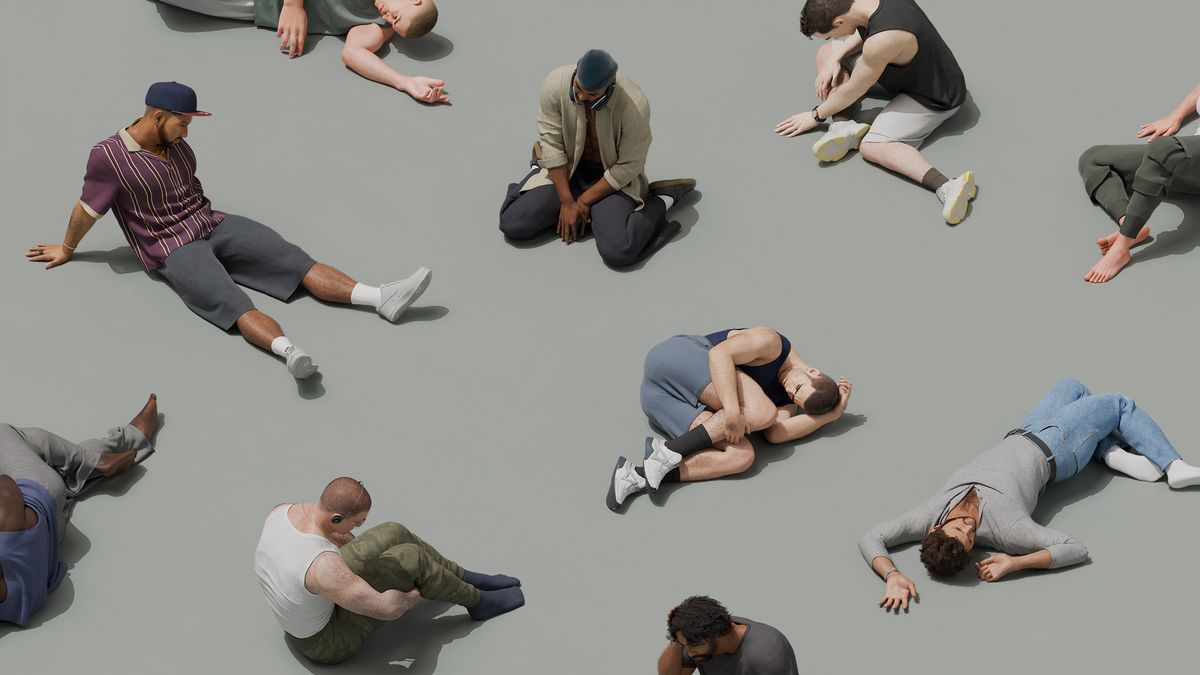
Illustration by Max Guther
By Jessica Winter
Changes in the economy and in the culture seem to have hit them hard. Scott Galloway believes they need an “aspirational vision of masculinity.”
By Molly Fischer
With its standout deals and generous employment practices, the warehouse chain became a feel-good American institution. In a fraught time, it can be hard to remain beloved.
By Larissa MacFarquhar
Research has linked the ability to visualize to a bewildering variety of human traits—how we experience trauma, hold grudges, and, above all, remember our lives.
Photograph by Peter Fisher for The New Yorker
By Amanda Petrusich
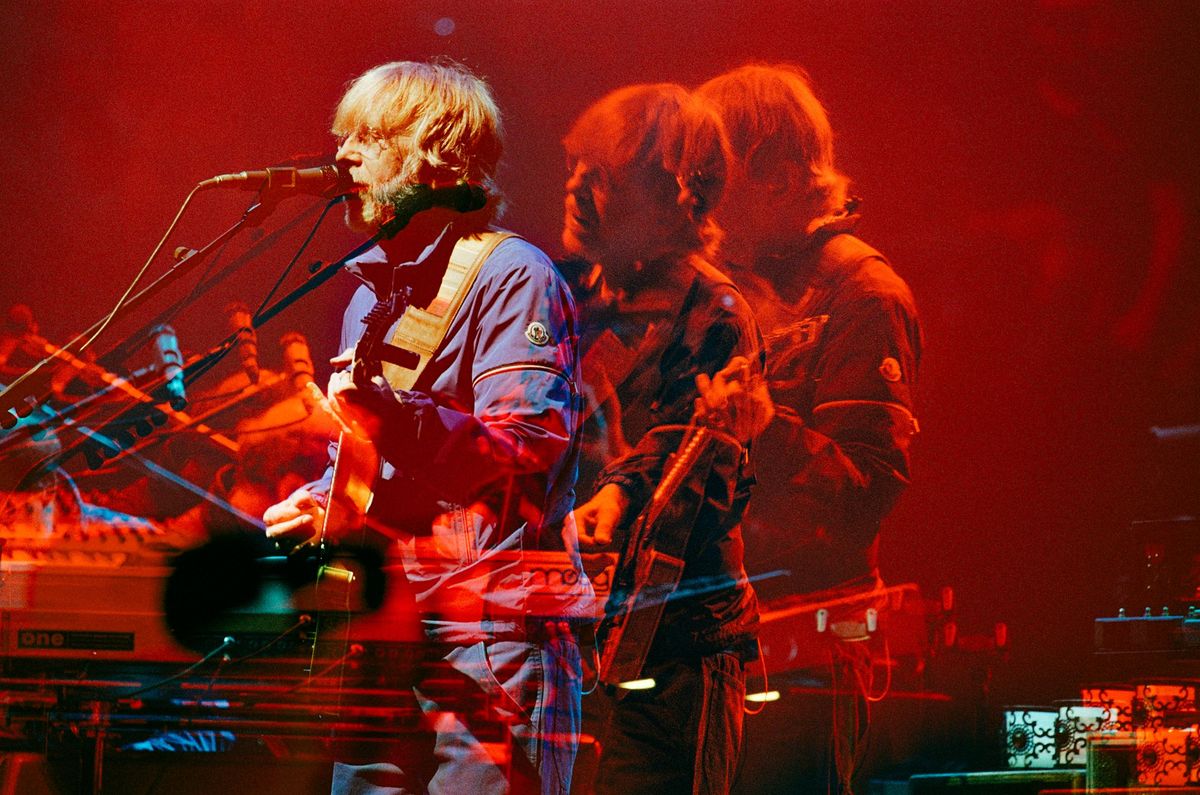
People who love Phish do so with a quasi-religious devotion. People who dislike Phish do so with an equal fervor.
By Gideon Lewis-Kraus
Birth rates are crashing around the world. Should we be worried?
By Isaac Chotiner
Karine Jean-Pierre feels that Democrats were so mean to Biden that she is becoming an Independent.
By Eric Lach
How a luxury condo building in Manhattan went sideways.
By Justin Chang
In the second of two movies adapted from the Broadway musical, Ariana Grande and Cynthia Erivo battle fascism, bigotry, and some fairly dreadful filmmaking.
By Ed Caesar
Daniel Kinahan, an Irish drug dealer, commands a billion-dollar empire from the U.A.E. Why isn’t he in prison?
Photograph by Balarama Heller
By D. Graham Burnett
Maybe not as we’ve known them. But, in the ruins of the old curriculum, something vital is stirring.
By Lena Dunham
“Most people accept the city’s chaos as a toll for an expansive life. It took me several decades to realize that I could go my own way.”
By Hua Hsu
The demise of the English paper will end a long intellectual tradition, but it’s also an opportunity to reëxamine the purpose of higher education.
By Gillian Laub
Inside the living rooms of notable New Yorkers.
By Susan Morrison
He’s ruled with absolute power for five decades, forever adding to his list of oracular pronouncements—about producing TV, making comedy, and living the good life.
|