Find out how coffee has made its way into my work ͏ ͏ ͏ ͏ ͏ ͏ ͏ ͏ ͏ ͏ ͏ ͏ ͏ ͏ ͏ ͏ ͏ ͏ ͏ ͏ ͏ ͏ ͏ ͏ ͏ ͏ ͏ ͏ ͏ ͏ ͏ ͏ ͏ ͏ ͏ ͏ ͏ ͏ ͏ ͏ ͏ ͏ ͏ ͏ ͏ ͏ ͏ ͏ ͏ ͏ ͏ ͏ ͏ ͏ ͏ ͏ ͏ ͏ ͏ ͏ ͏ ͏ ͏ ͏ ͏ ͏ ͏ ͏ ͏ ͏ ͏ ͏ ͏ ͏ ͏ ͏ ͏ ͏ ͏ ͏ ͏ ͏ ͏ ͏ ͏ ͏ ͏ ͏ ͏ ͏ ͏ ͏ ͏ ͏ ͏ ͏ ͏ ͏ ͏ ͏ ͏ ͏ ͏ ͏ ͏ ͏ ͏ ͏ ͏ ͏ ͏ ͏ ͏ ͏ ͏ ͏ ͏ ͏ ͏ ͏ ͏ ͏ ͏ ͏ ͏ ͏ ͏ ͏ ͏ ͏ ͏ ͏ ͏ ͏ ͏ ͏ ͏ ͏ ͏ ͏ ͏ ͏ ͏ ͏ ͏ ͏ ͏ ͏ ͏ ͏ ͏ ͏ ͏ ͏ ͏ ͏ ͏ ͏ ͏ ͏ ͏ ͏ ͏ ͏ ͏ ͏ ͏ ͏ ͏ ͏ ͏ ͏ ͏ ͏ ͏ ͏ ͏ ͏ ͏ ͏ ͏ ͏ ͏ ͏ ͏ ͏ ͏ ͏ ͏ ͏ ͏ ͏ ͏ ͏ ͏ ͏ ͏ ͏ ͏ ͏ ͏ ͏ ͏ ͏ ͏ ͏ ͏ ͏ ͏ ͏ ͏ ͏ ͏ ͏ ͏ ͏ ͏ ͏ ͏ ͏ ͏ ͏ ͏ ͏ ͏ ͏ ͏ ͏ ͏ ͏ ͏ ͏ ͏ ͏ ͏ ͏ ͏ ͏ ͏ ͏ ͏ ͏ ͏ ͏ ͏ ͏ ͏ ͏ ͏ ͏ ͏ ͏ ͏ ͏ ͏
MiMOKO Ceramics

|

Japan

Series 3. Round one of experiments.

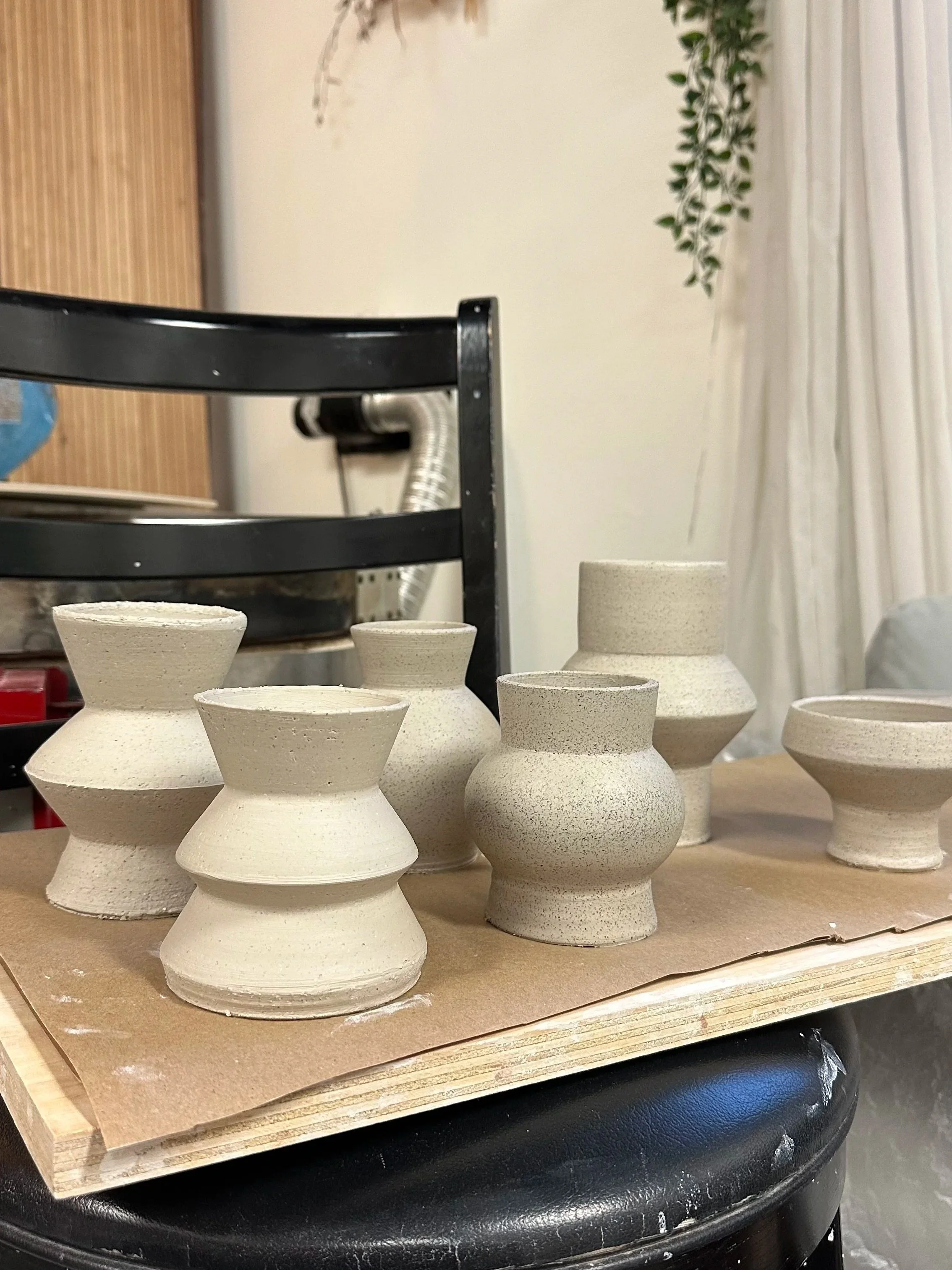
I wanted to show you some wheel thrown experiments I’ve been working on so far in the studio thanks to inspiration from my trip to Japan. I’m on a quest to find a new look and feel for MiMOKO that feels like home. 

Speaking of home, this is the core starting point for my new exploration. 

On my past trips to Japan, I’ve visited four prolific pottery hubs: Hagi, Bizen, Mashiko and Kyoto to learn their history and to see what potters old and new are offering. 

I became really interested in each region’s overarching style — an aesthetic which I’ve learned came to be due to constraints.

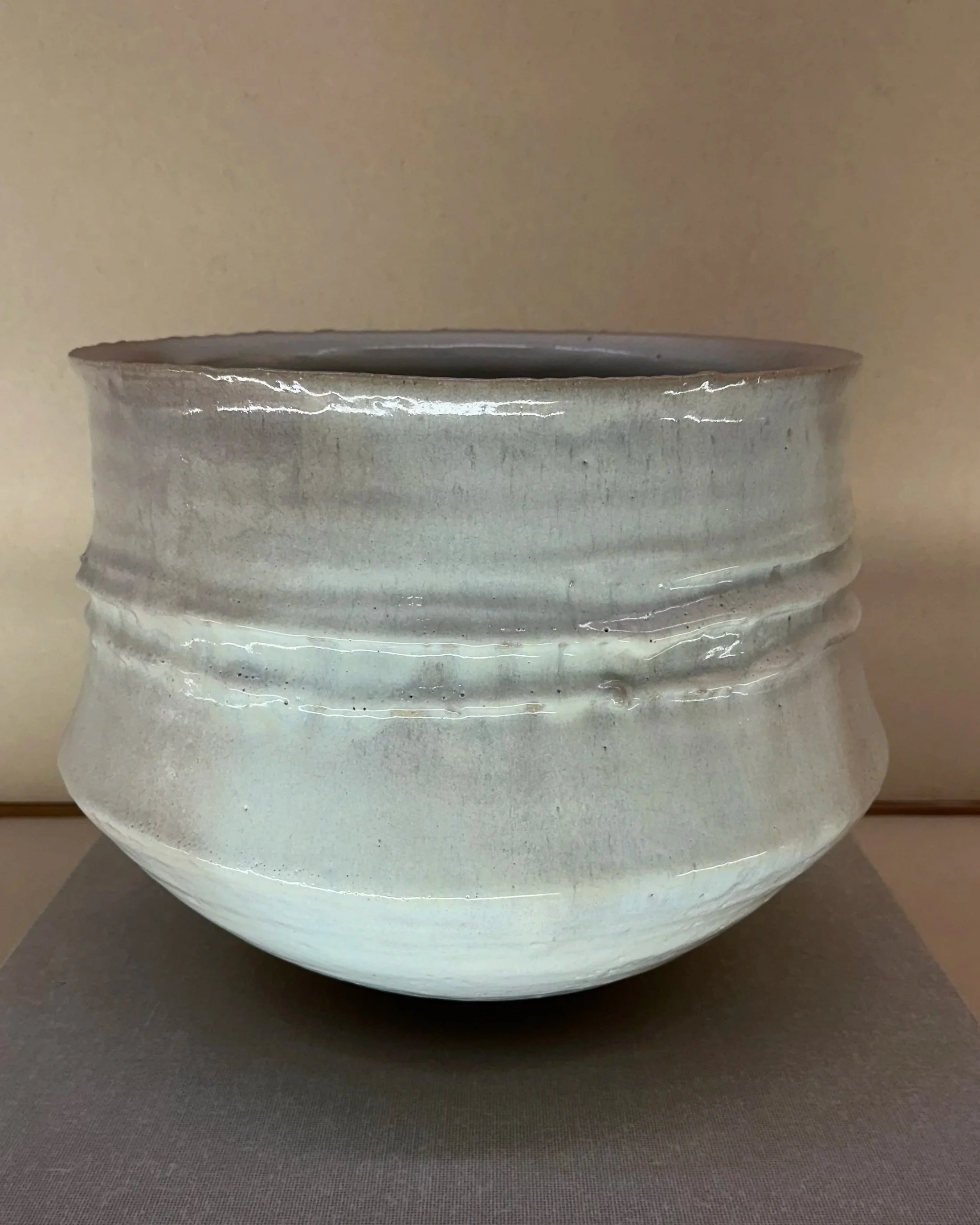
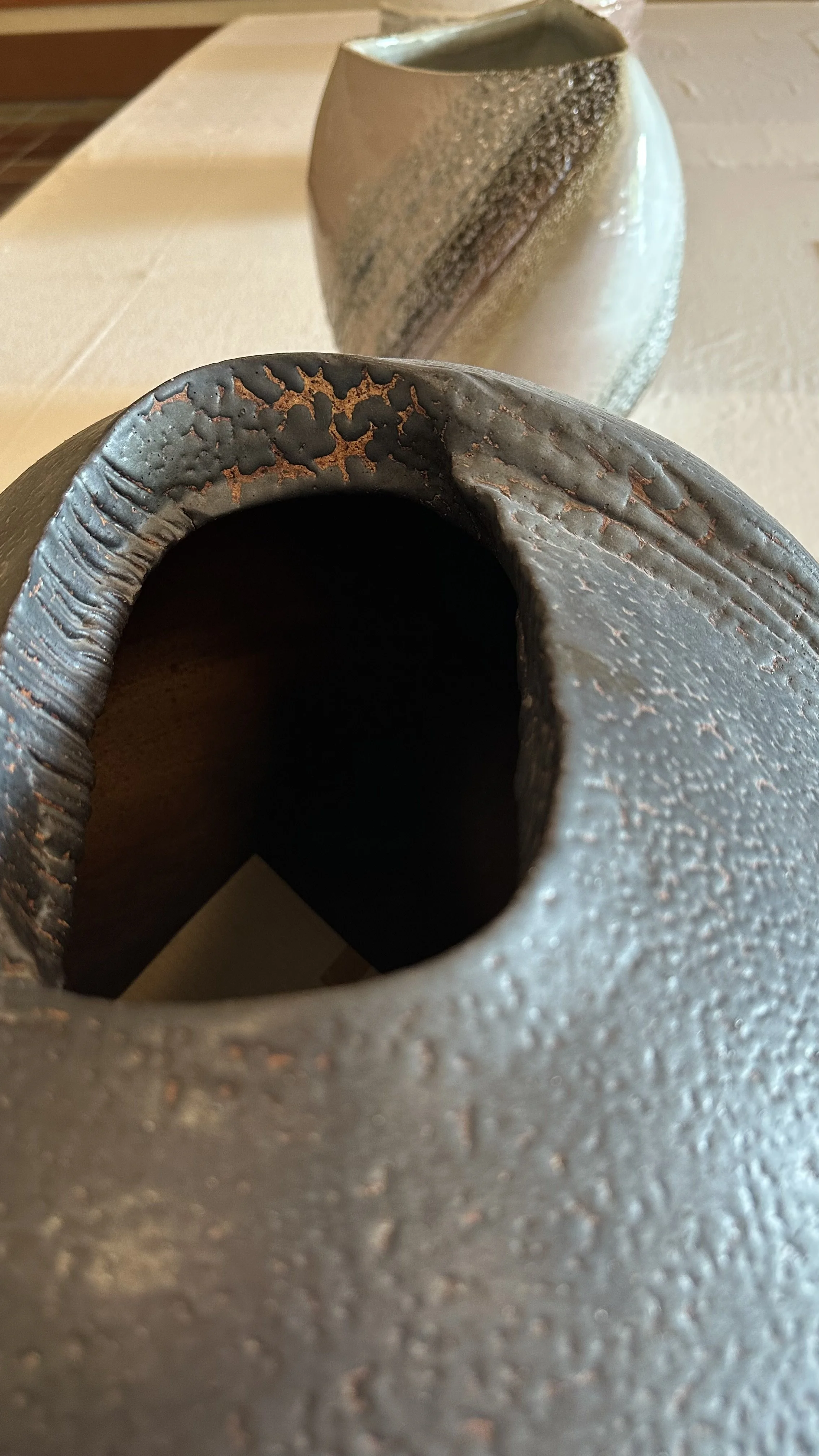
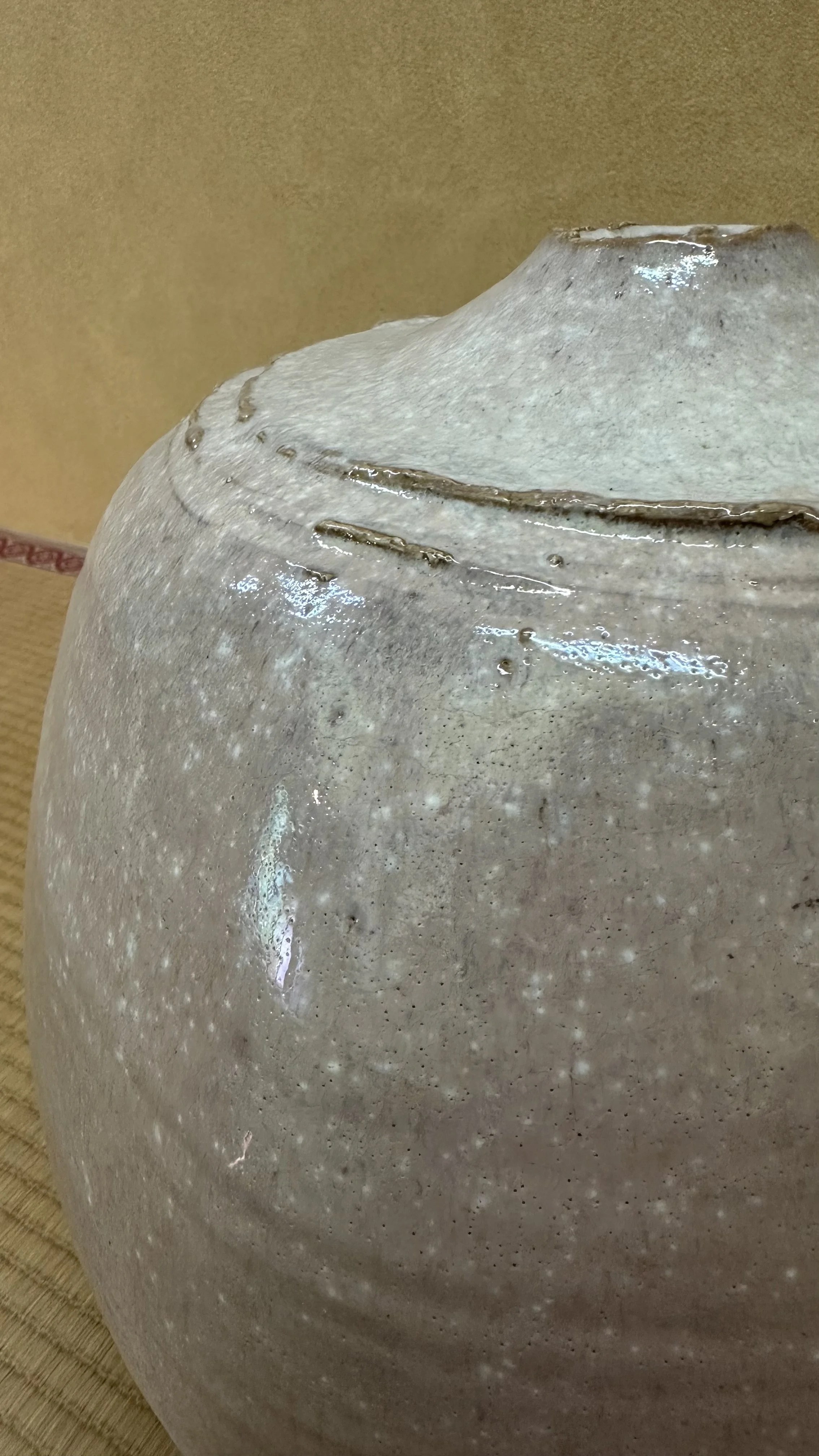
Ceramics shown here:
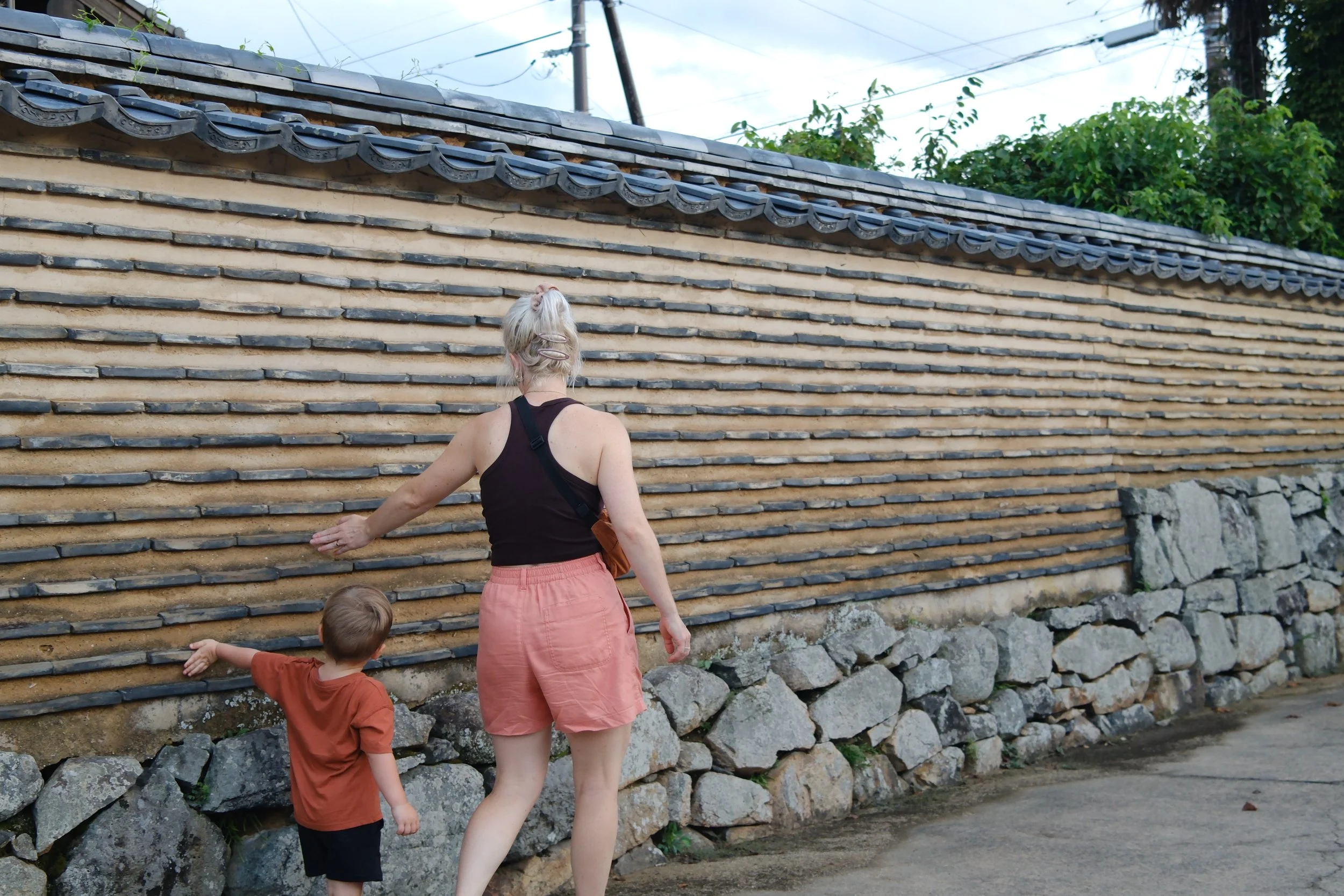
From Hagi. It was a serious highlight of my trip to stumble upon these. I can’t wait to tell you more about Hagi soon in a future email.

Centuries ago, the local clay would have been the only clay available to use. Materials sourced locally for glazes defined how pieces were finished. Effects that once were accidents, like ash falling on pots during firing, or a crackle glaze that would have initially been a defect, became a sought after feature as potters learned how to control the process.

Slowly over time, repetition builds reputation and skills were mastered and refined, each in their own regional bubble. 

It’s made me think a lot about where I live, who I am in this modern time when a plethora of materials are available and easy to obtain (generally!). What does it mean to be living as an expat, even after 15 years, living in Vancouver amongst a melting pot of other cultures? Can you even pick out an overarching style based on location anymore???

Historic walls of Hagi

This question of home and place is really interesting me at the moment. How can I better ground my work in place to give it a richer sense of belonging?

Looking back at the ceramics that I gravitated towards, they were the pieces that used clay rich in visible texture, incorporating fragments of the earth found nearby.

This will be my starting point. 

The first question is, what is home for me? What materials can I find in my locality that mean something to me?

A clear answer popped up right away. It’s found in independent cafes, places I visit frequently where I always feel cozy and a sense of belonging. These are spaces where I feel creative and conversational. I build relationships with baristas and I always leave in a better mood than when I came in. Cafe’s are quite incredible like that.

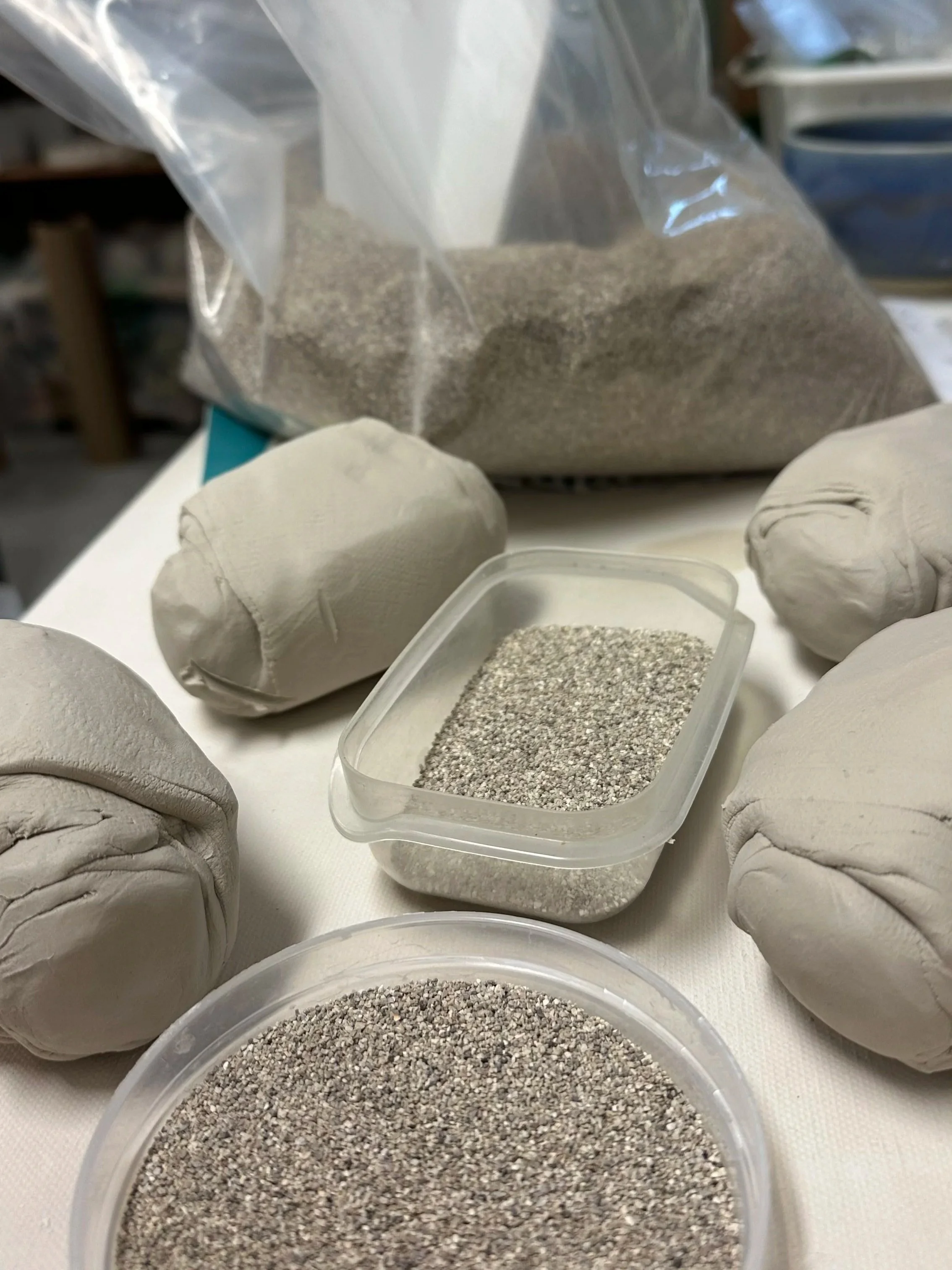
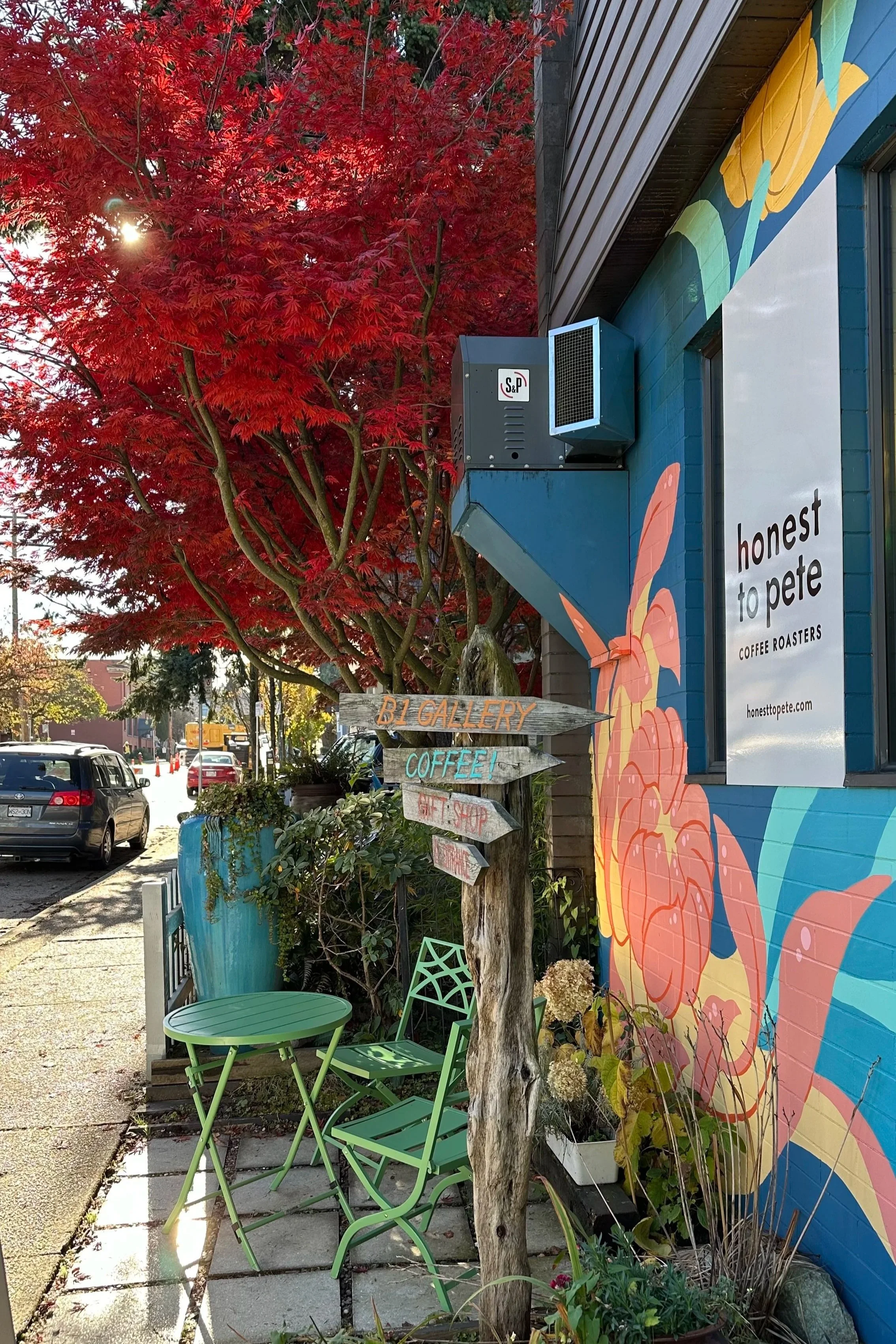
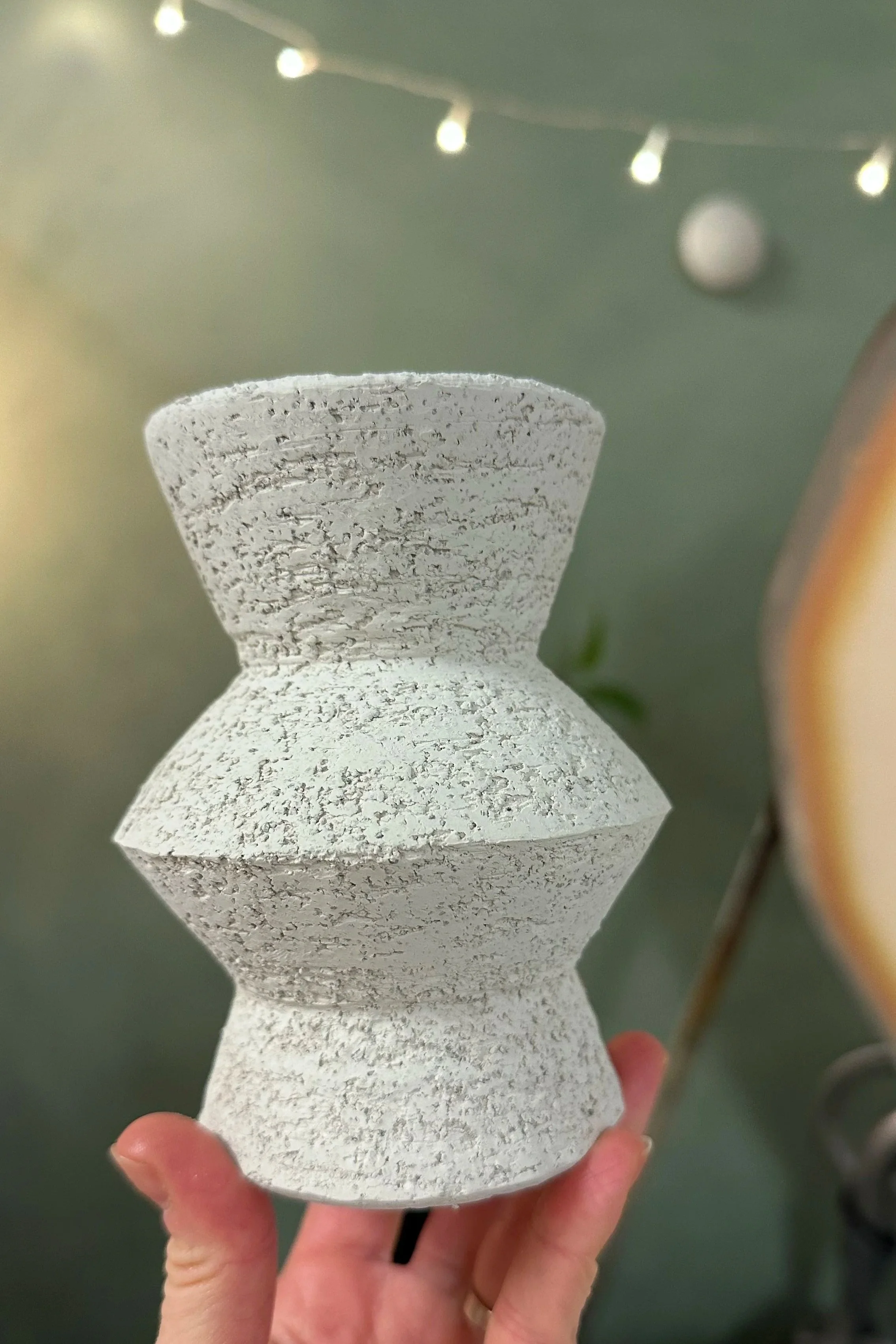
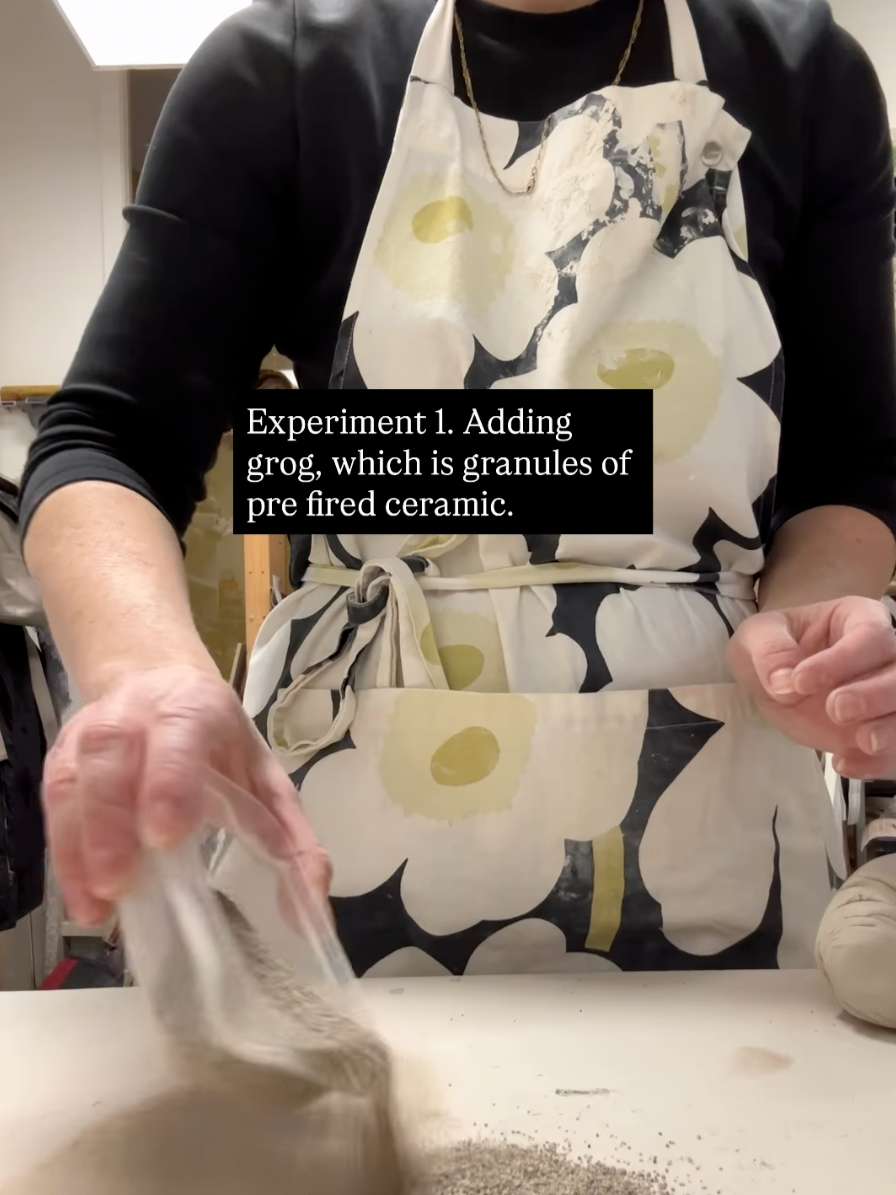
As it so happens, used coffee grinds are amazing at creating texture in clay, which is what I have been experimenting with the last few weeks. My morning visits to Honest to Pete roasters, here at the Beaumont Studios, are a highlight of my day. They have been supplying me with different coarseness levels of coffee grounds, which I have been wedging into my clay. I’ve also added grog (small granules of ceramic) to see if I can achieve the unique texture that I’m after.

I’ve made a short video going through the wedging and throwing process. Failed attempts and all! It’s certainly a whole new experience compared to the cream-cheese-softness of my porcelain.

I hope you enjoy it!

 Click here to watch 

Post review:

  • An addition of 10% grog and 2% coffee grounds was the ideal amount. Any more and my hands were rubbed raw!

  • The coffee really absorbed the water within the clay making it super hard to stick to the wheel while centering.

  • The absorption also meant the pots were dry enough to trim the next day!

  • Trimming the pots brings out the texture a lot more as the grog/coffee particles are torn along the surface. Something to play with. Trimmed vs burnished?

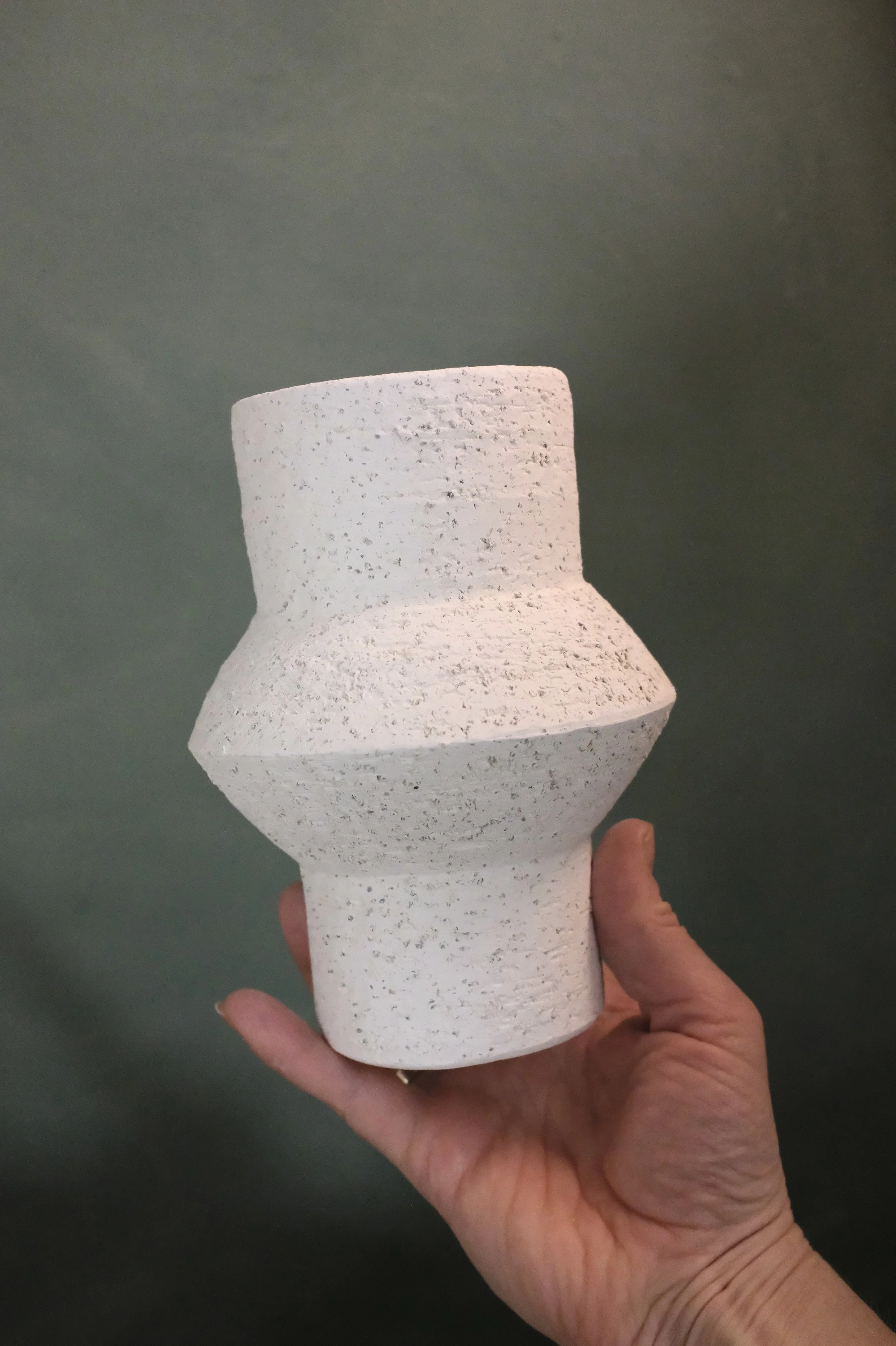
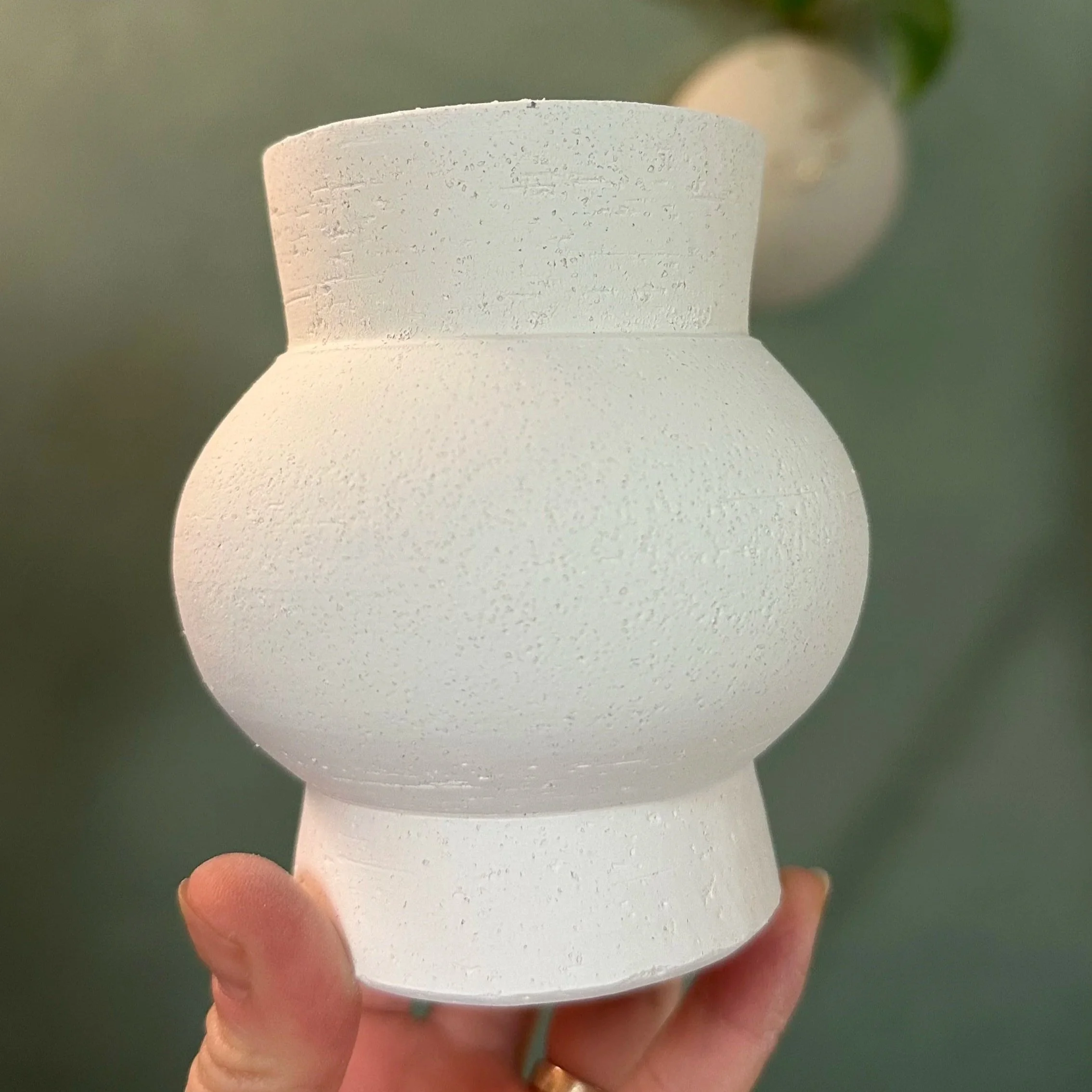
  • Coffee, being an organic material, fired out in the kiln once it reaches approximately 500 degrees, during bisque. It was recommended to slow fire bisque to prevent black coring (unfired particles left inside the clay walls leaving the pot prone to cracking post firing). See photo below for the experiment I did with just coffee grounds, no grog - it’s left little craters. I’ll be using a coarser grind next time.

 
MiMOKO Ceramics
instagram

326 West 5th Ave, Studio 5, Vancouver, BC, V5Y 3P1, Canada

Unsubscribe