Greetings! Here’s the latest from the MIT community.
Replies to this email will not be received. If you have feedback to share, email [email protected].
Lifelike Robot
|
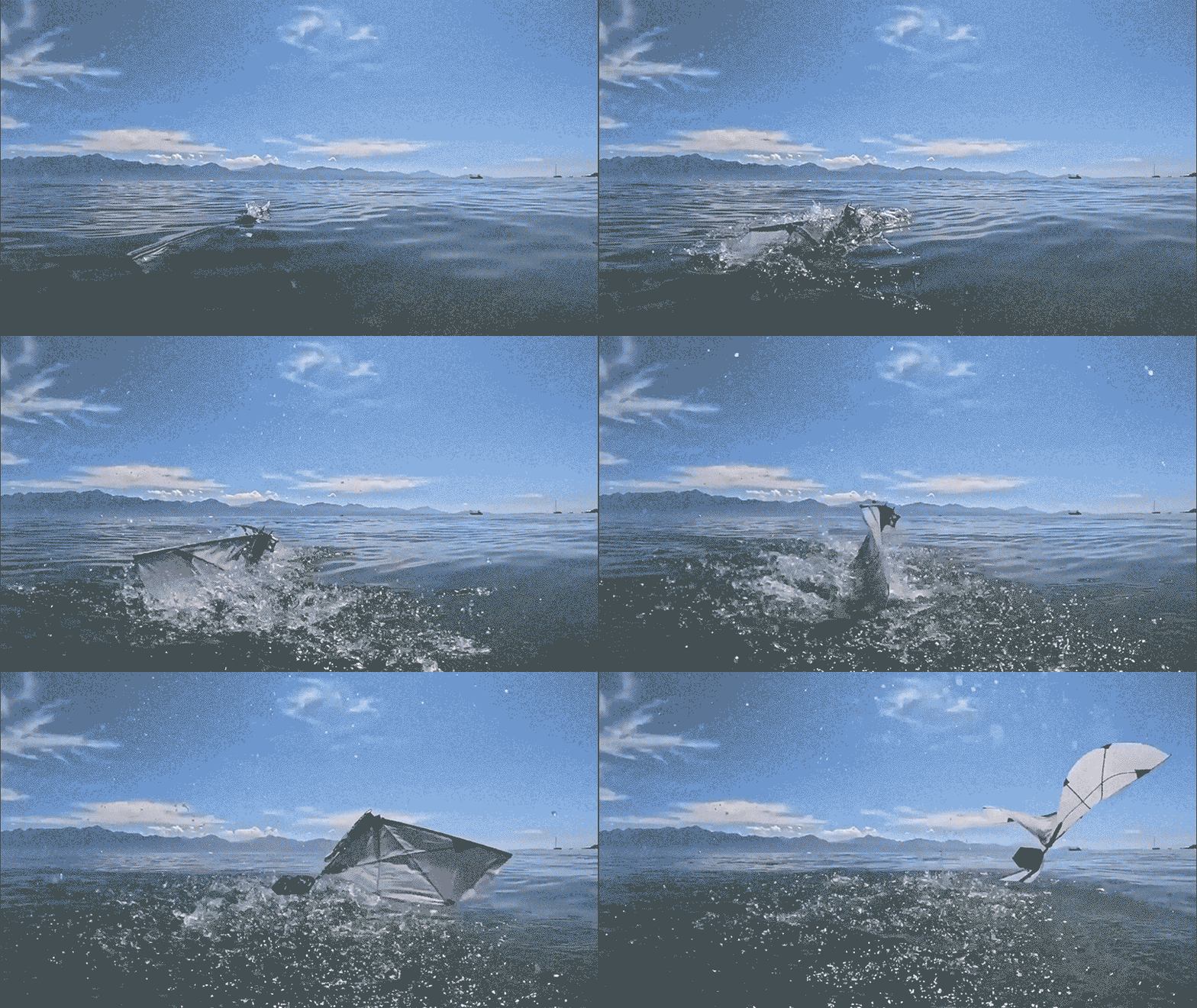
MIT mechanical engineers designed a robot that can swim underwater, break through the surface, and continue flying in air. Diving birds manage this feat. “So we knew it was possible. Just no one had tried this in a mobile robotic system,” Assistant Professor Raphael Zufferey says.
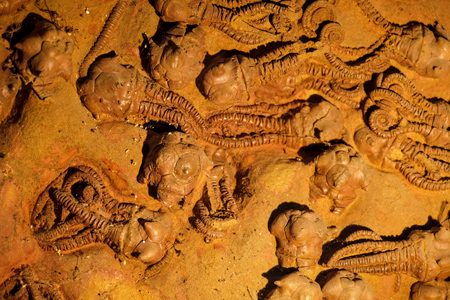
MIT Museum to acquire archive of noted architect I. M. Pei ’40
A pledged gift from Pei Cobb Freed & Partners spans Pei’s 60-year career, including unique archival artifacts from 60 of his most influential projects.
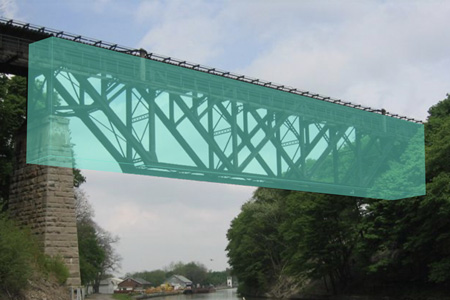
Jesse Thaler named director of the Laboratory for Nuclear Science
The professor of physics and inaugural director of the NSF AI Institute for Artificial Intelligence and Fundamental Interactions will lead LNS and continue his research in particle physics.
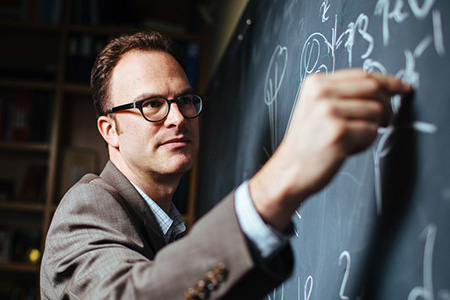
Former NFL player and mathematician John Urschel on why passion is key to science // Scientific American
Assistant Professor John Urschel shares his views on the benefits for aspiring young scientists of having a broad background of different interests and passions to draw upon. “A lot of good research happens when people can draw on tools, techniques, and insights from different areas, disciplines, and even fields,” says Urschel. “I hope we can encourage promising young scientists to establish strong, broad backgrounds and to communicate frequently with those outside their particular areas.”
Literature, and the humanities more broadly, helped me step into other people’s shoes and understand the breadth of life experiences represented in our patients.
—Cara Lai ’16, who double majored in mechanical engineering and literature, on how humanities complements her technical background as a medical resident in orthopedic surgery