|
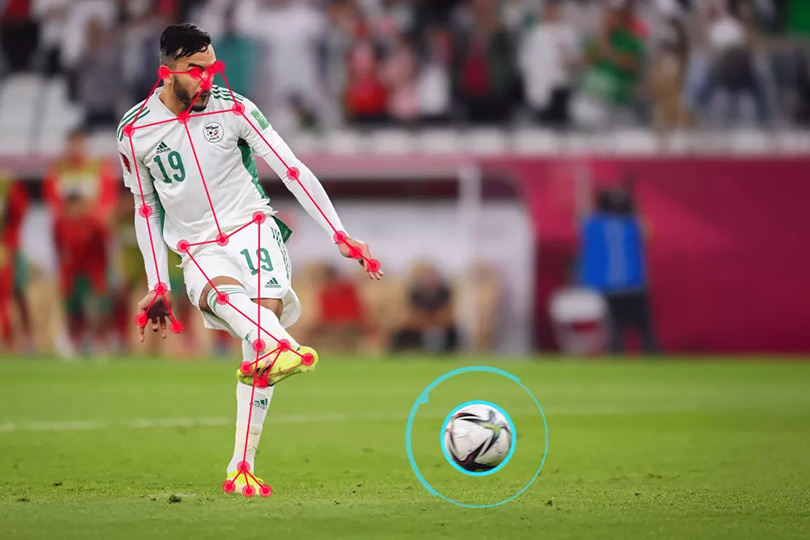
| The MIT Sports Lab helped develop a tool referees have used to make clutch calls in the World Cup. But their ongoing work with FIFA is just one of many collaborations with heavy hitters in sports, including the NBA, NFL, and more. |
|
|
| | |
|
|
|
|
|
|
|
|
|
|
|
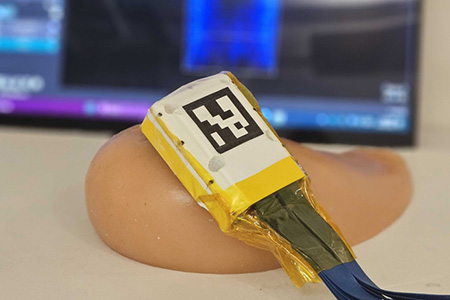
A portable ultrasound system could make reliable breast imaging more accessible |
|
|
| The new technology, which generates high-resolution, 3D images of breast tissue, requires no expertise to operate and could be used at home. |
|
|
| |
| |
|
|
|
|
|
|
|
|
|
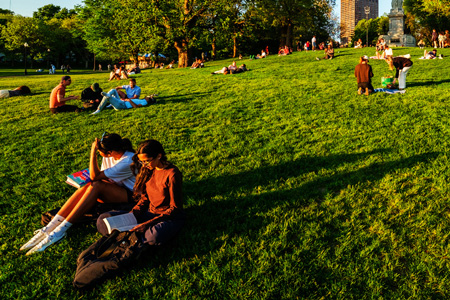
How urban design leads to better wellness |
|
|
| An extensive study of U.S. cities identifies walkable neighborhoods, urban greenery, and access to amenities as key contributors to residents’ health. |
|
|
| |
| |
|
|
|
|
|
|
|
|
|
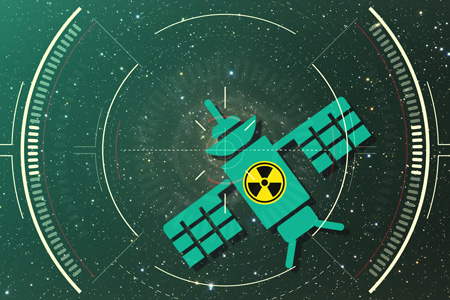
MIT researcher proposes a way to detect nuclear weapons in space |
|
|
| The 1967 Outer Space Treaty bans nuclear weapons in space, but there’s currently no way to verify that satellites aren’t carrying them. |
|
|
| |
| |
|
|
|
|
|
|
|
|
|
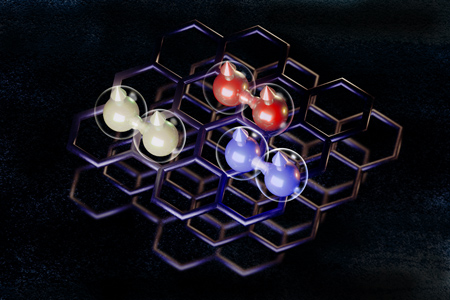
Graphene can hold multiple states of superconductivity, a new study finds |
|
|
| What’s more, the superconducting states get stronger under conditions expected to kill them. |
|
|
| |
| |
|
|
|
|
|
|
|
|
|
Q&A: What is agentic AI today, and what do we want it to be? |
|
|
| Computer scientist Phillip Isola cuts through the hype to explain how AI agents work and what the future might hold for this rapidly advancing technology. |
|
|
| |
| |
|
|
|
|
|
|
|
|
|
An unconventional approach to plastic recycling |
|
|
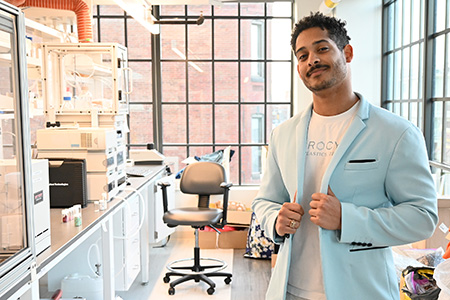
| Stwart Peña Feliz MBA ’23 co-founded a company that transforms plastic waste into valuable PET using 80% less energy than traditional recycling methods. |
|
|
| |
| |
|
|
|
|
|
|
|
|
|
|
|
|
The next generation of scientists // Washington Post Live |
|
|
| MIT President Sally Kornbluth and Arizona State University President Michael Crow joined forces for a spirited discussion on the importance of curiosity-driven research, examining how universities are preparing the next generation of scientists to lead in America’s rapidly changing technological landscape. |
|
|
| |
|
|
|
|
|
|
|
|
|
|
Can a $350 million gift change AI’s trajectory? // The Chronicle of Philanthropy |
|
|
| The creation of the MIT Schwarzman College of Computing allowed MIT to develop new “interdisciplinary programs to prepare students for an AI-saturated world and help them understand the social and ethical implications of digital technologies.” |
|
|
| |
|
|
|
|
|
|
|
|
|
|
Colon cancer cells may “switch identity” to spread // Newsweek |
|
|
| MIT researchers have found that colon cancer cells can “change their identity, allowing them to travel through the body and form new tumors.” |
|
|
| |
|
|
|
|
|
|
|
|
|
|
A young American scientist making recursive language models more efficient // Scientific American |
|
|
|
Scientific American spotlights graduate student Alex Zhang for the publication’s special section featuring 28 rising young scientists. “The types of research that I want to work on are things that I think should be shared for the benefit of people in general,” Zhang says of his work aimed at improving AI user experience with recursive language models. |
|
|
| |
|
|
|
|
|
|
|
|
|
|
|
|
| For 250 years, discovery, courage, and tenacity have driven America forward. From medicine to infrastructure to breakthroughs we can’t yet imagine, science touches every part of daily life because someone followed their curiosity. |
|
|
| | |
|
|
|
|
|
|
|
|
|
|
|
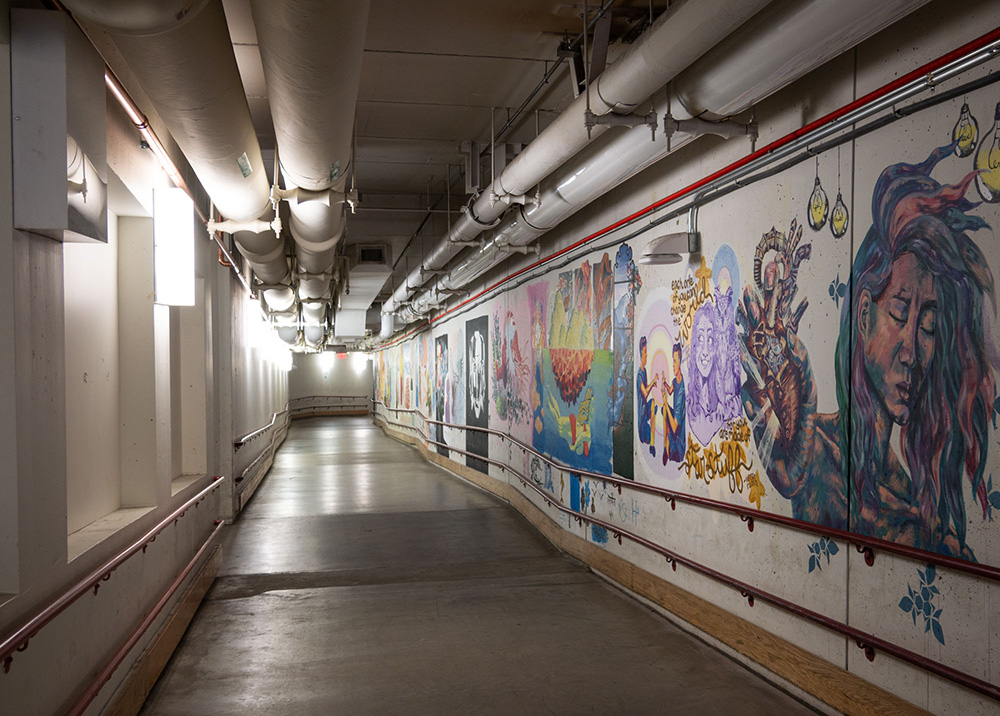
| Many of MIT’s buildings are connected at ground level, but did you know that over 3 miles of tunnels exist underneath the campus? Spanning from Buildings 1 to E25, this network of corridors not only connects the Institute’s major buildings but also houses important systems and utilities in a space-efficient way, which simplifies maintenance. The tunnels also serve as a continuous weather-protected route for pedestrians and are adorned with murals from MIT-affiliated artists. |
|
|
| | |
|
|
|
|
|
|
|
|
|
|
|
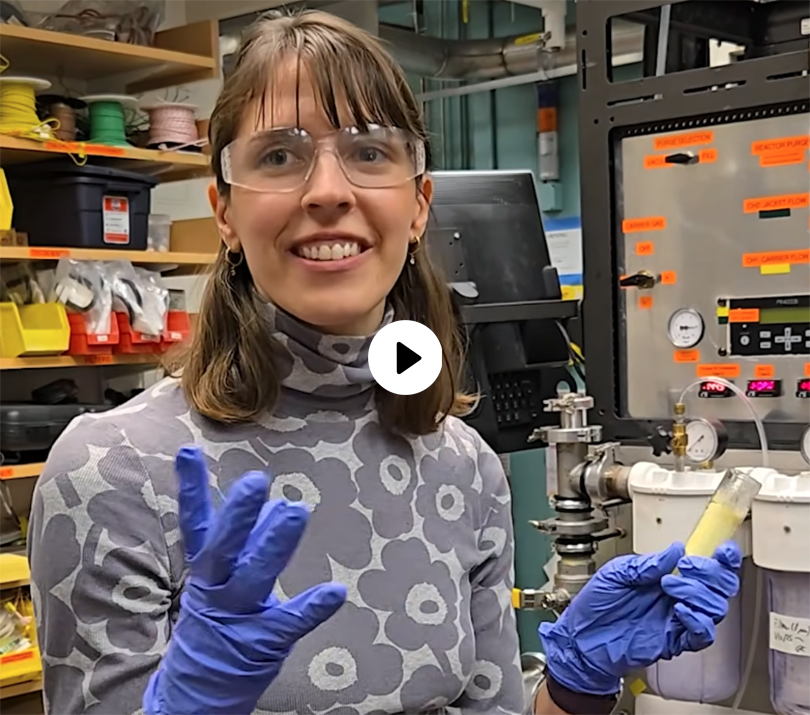
| For thousands of years, the raw material for steel has been produced by heating iron oxide and coal together, which generates carbon dioxide as a byproduct. Research Scientist Katie Daehn and her team are working on producing steel that comes from a different raw material: iron sulfide. With the help of electrolysis, the iron sulfide is split apart, and sulfur exits as a gas, leaving behind pure iron. “We think that working with the sulfide really minimizes the energy required. We can make steel at what we think are rates competitive with a blast furnace,” says Daehn. |
|
|
| | |
|
|
|
|
|
|
|
|
|
|
This edition of the MIT Weekly was brought to you by spinning arts at MIT. 💫
Thanks for reading, and have a great week!
Replies to this email will not be received. If you have feedback to share, email [email protected].
—MIT News |
|
|
|
|
|
|
|
|
|
|
|
|
|