͏ ͏ ͏ ͏ ͏ ͏ ͏ ͏ ͏ ͏ ͏ ͏ ͏ ͏ ͏ ͏ ͏ ͏ ͏ ͏ ͏ ͏ ͏ ͏ ͏ ͏ ͏ ͏ ͏ ͏ ͏ ͏ ͏ ͏ ͏ ͏ ͏ ͏ ͏ ͏ ͏ ͏ ͏ ͏ ͏ ͏ ͏ ͏ ͏ ͏ ͏ ͏ ͏ ͏ ͏ ͏ ͏ ͏ ͏ ͏ ͏ ͏ ͏ ͏ ͏ ͏ ͏ ͏ ͏ ͏ ͏ ͏ ͏ ͏ ͏ ͏ ͏ ͏ ͏ ͏ ͏ ͏ ͏ ͏ ͏ ͏ ͏ ͏ ͏ ͏ ͏ ͏ ͏ ͏ ͏ ͏ ͏ ͏ ͏ ͏ ͏ ͏ ͏ ͏ ͏ ͏ ͏ ͏ ͏ ͏ ͏ ͏ ͏ ͏ |
| |
Happy Friday, Money readers!
It always seems harder to cancel a subscription than it is to sign up. We've all struggled to find tucked-away cancellation pages, argued with support bots and affirmed that, yes, we're sure we want to cancel.
Last fall, the Federal Trade Commission announced a massive settlement with Amazon over allegations that Prime used "sophisticated subscription traps" to fool customers into unwanted memberships.
Keeping track of online subscriptions can be difficult. Securing the money you're owed from the Amazon settlement shouldn't be. However, you'd better act fast, because the window to claim your payment is about to close. Let's get to it. — Pete Grieve Were you forwarded this email? Subscribe to get Daily Money delivered to your inbox for free. |
|
|
Amazon Prime customers have until Monday to claim their share of the settlement, which pays out up to $51 per person from the $1.5 billion customer refund pool.
The FTC estimates 35 million customers are eligible to receive payments. The group includes shoppers who signed up for Prime in the U.S. between June 23, 2019, and June 23, 2025, as well as other customers who unsuccessfully attempted to cancel their Prime memberships in that timeframe.
You may be wondering: Didn't I already claim this settlement? It's certainly possible. Eligible customers were notified about the claims process in the winter, and some customers received refunds automatically.
If you don't read every email — or you thought that one was spam — check your inbox to see if you have a claim ID and PIN.
A reminder: You will never be asked to pay a fee or share your sensitive personal information like a Social Security number to claim the Amazon settlement. To avoid scams, make sure you navigate to the official settlement website. — PG |
|
|
Is gold a smart investment for you? Historically, gold has been a good option for investors seeking stability during market uncertainty. Investing in gold can also diversify a portfolio and help protect it against inflation. To get started investing in gold IRAs, check out our partners — some of which currently offer up to $20,000 in free precious metals. See Money’s list of best gold IRA providers and compare your options. |
*The information provided in this email is for educational purposes only and is not intended as investment or financial advice. |
|
|
Airline Upgrades Aim to Make Flying Economy More Comfortable |
Imagine: You found an affordable flight for a European summer adventure. The only thing standing between you and a Hugo spritz with a view is the cramped seat you booked to get you there. Sleeping upright has long been the bane of budget-conscious travelers. Fortunately, Emirates announced Monday its new U-Dream Headrest, a “game-changing” innovation that allows economy-class fliers to “experience a whole new level of support and comfort inflight,” according to the news release. The adjustable headrest folds down to mimic the support of a built-in neck pillow. (You gotta see it.)
The U-Dream Headrest is already available on three of Emirates’ Airbus A350 aircraft, and the airline expects to roll it out to the rest of the fleet by year end. It’s not exactly a first-class upgrade, but that’s the point.
Airlines are searching for small enhancements that make their lowest-cost tickets a little more bearable for long-haul flights (and allow them to upcharge accordingly, of course). United recently unveiled a booking option to leave an empty middle seat as well as a configuration that would essentially convert a whole row to a couch.
We’d love to know what you think — do these upgrades make economy class more attractive? And if you’ve tried any of them, hit reply and let us know your review! — Annie Johnson |
|
|
In the newsroom, our editors are talking about... |
|
|
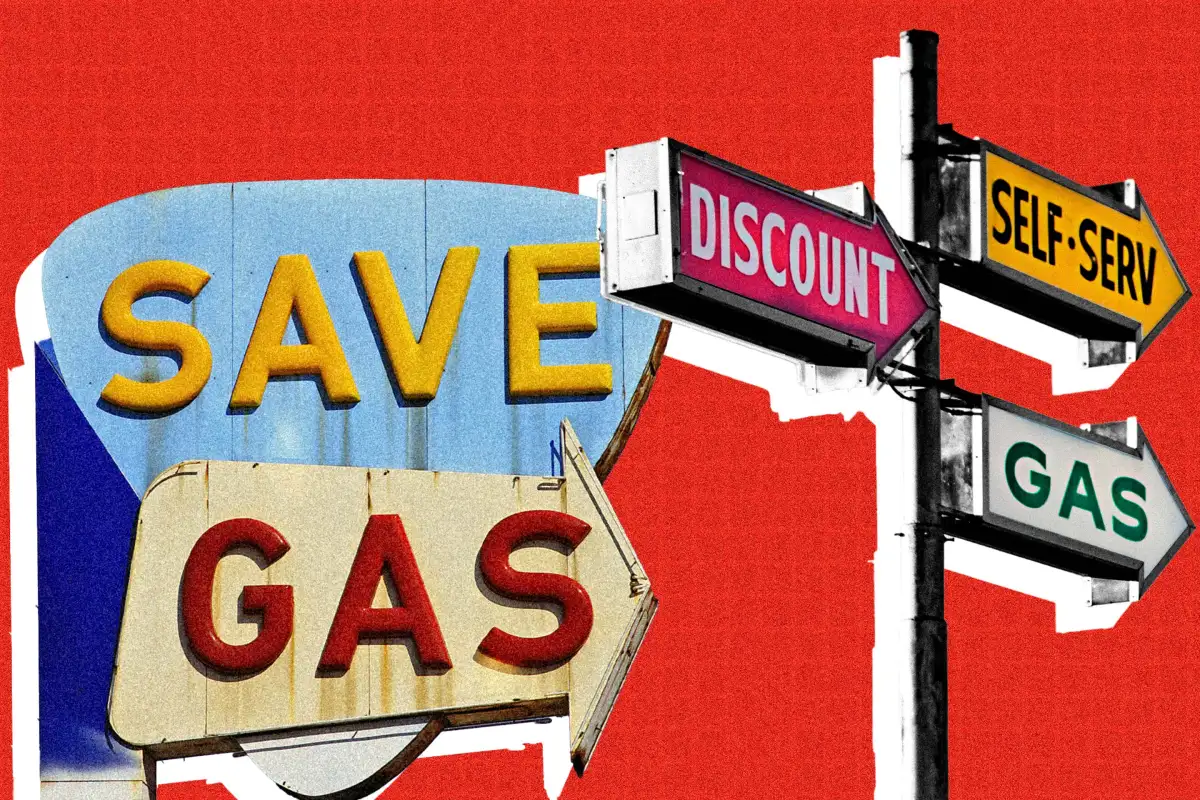
Even if you normally don't put much thought into fuel rewards or gas-saving strategies, now’s the time to pay attention to how much gas you’re using — and how much you’re paying for it. |
| |
|
Unlike defensive sectors (e.g., consumer staples and utilities), the energy sector is highly cyclical. It ebbs and flows based on the economy’s health and commodity price fluctuations. And now, that’s playing out in real time.
From its year-to-date high on March 27 to July 1, energy lost 16% as negotiations between the U.S. and Iran helped moderate oil prices. But since the start of July — and the resumption of hostilities between the two countries — energy’s up 12.9% and finds itself atop the S&P 500’s 11 sectors with a 32.8% year-to-date gain. To put that into perspective, over the past three years, the sector averaged a paltry 4.3% gain.
This isn’t a call to action; it’s just the latest example of how there’s always a bull market somewhere. As tech sold off over the past few weeks and investors panicked about sky-high AI valuations, the winners have been those who locked in gains and rotated into recent underperformers like energy. — Jordan Chussler |
|
|
This issue of Daily Money was written by lead news reporter Pete Grieve, senior audience development editor Annie Johnson and investing editor Jordan Chussler. It was edited by managing editor Julia Glum. Questions? Comments? Concerns? Please email [email protected] with any feedback. |
|
|
| | This newsletter is free because Money earns a commission when you click or make purchases from the links in this email and on our site. We also receive compensation for some of the products and services featured in this message. Offers may be subject to change without notice. Learn more about how we make money. Privacy Policy • Advertise With Us • We're Hiring!To stop receiving these emails, unsubscribe or manage your email preferences. Copyright ©2026 Money Group, LLC. All rights reserved. Metro Office Park Calle 1, Building 7 Suite 204, Guaynabo, Puerto Rico 00968, USA | | |
|
|
|