͏ ͏ ͏ ͏ ͏ ͏ ͏ ͏ ͏ ͏ ͏ ͏ ͏ ͏ ͏ ͏ ͏ ͏ ͏ ͏ ͏ ͏ ͏ ͏ ͏ ͏ ͏ ͏ ͏ ͏ ͏ ͏ ͏ ͏ ͏ ͏ ͏ ͏ ͏ ͏ ͏ ͏ ͏ ͏ ͏ ͏ ͏ ͏ ͏ ͏ ͏ ͏ ͏ ͏ ͏ ͏ ͏ ͏ ͏ ͏ ͏ ͏ ͏ ͏ ͏ ͏ ͏ ͏ ͏ ͏ ͏ ͏ ͏ ͏ ͏ ͏ ͏ ͏ ͏ ͏ ͏ ͏ ͏ ͏ ͏ ͏ ͏ ͏ ͏ ͏ ͏ ͏ ͏ ͏ ͏ ͏ ͏ ͏ ͏ ͏ ͏ ͏ ͏ ͏ ͏ ͏ ͏ ͏ ͏ ͏ ͏ ͏ ͏ ͏ |
| |
Happy Monday! Forecasters are coalescing around the idea that the U.S. will likely avoid a recession next year.
The economy is still showing mixed signals as layoffs rise, and inflation remains a full percentage point above target levels. But broad tax cuts and strong spending, especially from wealthier households, could support a year of solid growth.
Nobody has a crystal ball, of course, but at least these latest predictions give hope. Let's get to it. — Pete Grieve
Were you forwarded this email? Subscribe to get Daily Money delivered to your inbox for free. |
|
|
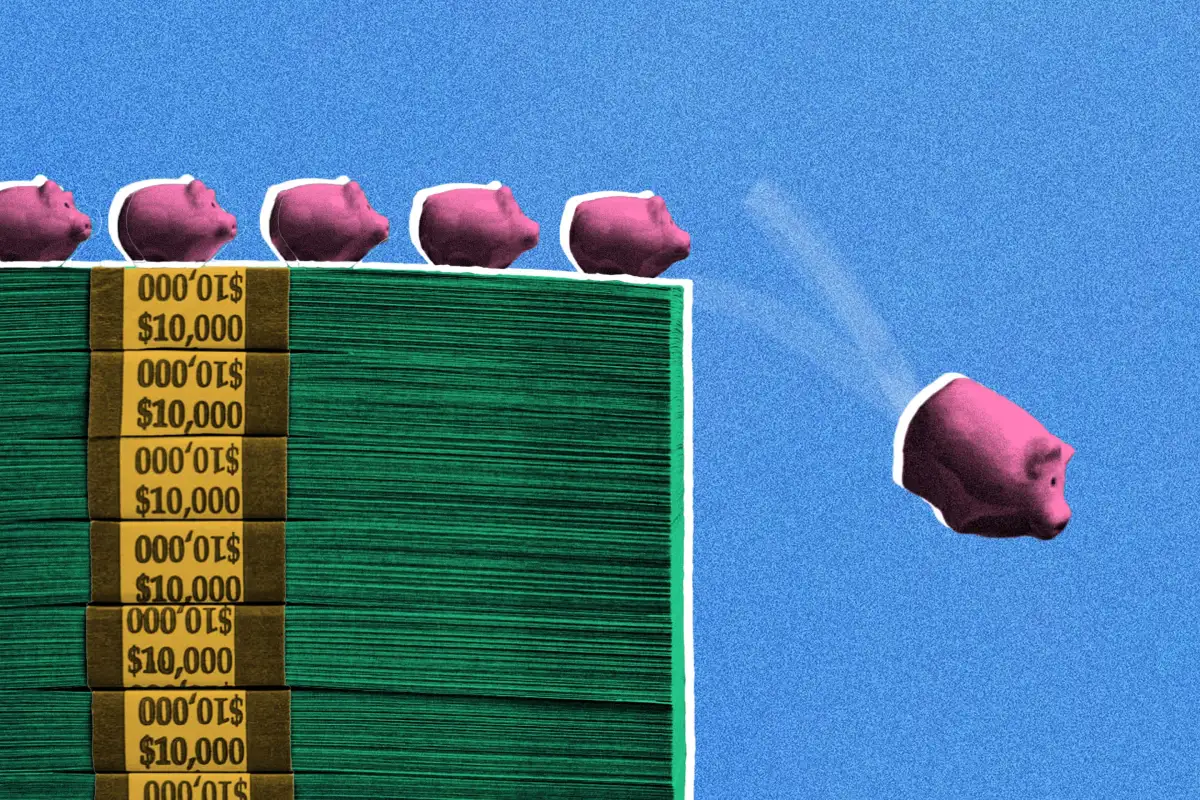
Economists polled by the National Association for Business Economics forecast 2% gross domestic product (GDP) growth for 2026. The outlook reflects a surprising "cautious optimism" given headwinds like the recent government shutdown. "Our base case is no recession for 2026," says Adam Turnquist, chief technical analyst at LPL Financial. "We think we can avoid it with the fiscal stimulus that’s coming."
Not everyone agrees on the specifics; analysts are sharing a range of predictions. A Deloitte analysis, for instance, predicts only modest economic growth of 1.4% in 2026, noting that tariffs and immigration policy could weigh down spending. Then there are optimists like Scott Helfstein, head of investment strategy at Global X ETFs, who argues the trend of strong consumer spending will continue.
"I think we’ll probably see 2.5% to 3% [GDP] growth in 2026," he says. "We actually believe that economic growth estimates for next year are probably too low."
Click below to see our full breakdown of what economists expect for the year ahead — and the factors that could throw off their predictions. — PG |
|
|
Something big just happened at The Motley Fool Co-founder Tom Gardner’s Stock Advisor service has been identifying standout stocks since 2002 — with an average return of 1,018%, compared with the S&P 500’s 194% over the same period.* Every once in a while, Tom and his team issue a rare “Double Down” recommendation — their signal that a historically proven winner still has room to run. Past “Double Down” recs? |
- Netflix: up 58,872% since 2004*
- Nvidia: up 46,924% since 2009*
- Apple: up 5,344% since 2008*
|
Now, The Motley Fool is revealing three new Double Down stocks they believe could define 2026. Access the report and save $100 on Stock Advisor today. *Returns as of Dec. 3, 2025. Past performance isn’t a guarantee of future results. Investing involves risk. Authored by The Motley Fool. This content is for informational purposes only and does not constitute investment advice. The Motley Fool has a disclosure policy. Money does not offer advisory services and is not a client of The Motley Fool. |
|
|
ABLE Age Cutoff to Rise, Expanding Savings Options for Millions With Disabilities |
Mi gente, if you (or someone you love) lives with a disability, there’s a big money win coming in 2026. Starting Jan. 1, the age-of-onset cutoff for ABLE accounts jumps from 26 to 46. If your disability began up to age 46 — think: accident, multiple sclerosis, mental illness or military injuries — you may be able to save and invest without risking need-based benefits like Medicaid or Supplemental Security Income.
Normally, SSI rules basically tell people “don’t have more than $2,000,” which is… brutal. But money inside an ABLE account generally doesn’t count against benefits: SSI recipients can hold up to $100,000 in ABLE savings without losing payments, and ABLE funds don’t affect Medicaid eligibility.
In 2026, you can contribute up to $20,000 a year (plus, in many states, an extra $15,650 if you work and don’t have a workplace retirement plan — gracias, ABLE to Work Act). Friends, family and even employers can chip in. The money can cover housing, medical costs, transportation, tech, education and other real-life expenses. — José Omar Rodríguez
|
In the newsroom, our editors are talking about... |
|
|
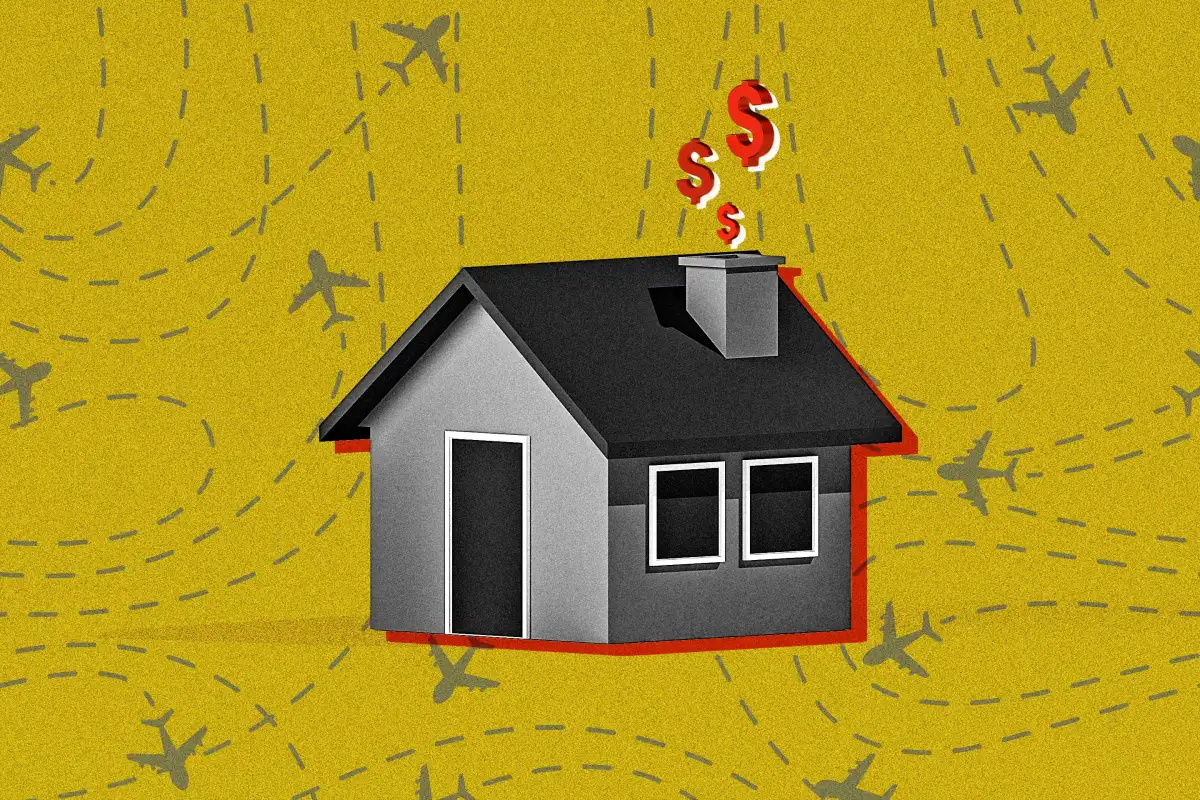
A working paper looked into the impact of noise pollution on home prices in neighborhoods located close to major airports. It found that a one-decibel increase in noise levels results in prices falling by 0.6% to 1%. |
| |
|
What to Watch for This Week |
|
|
| The Labor Department will publish jobs data for November and October on Tuesday after the government shutdown interrupted its regular collection process. Analysts predict the unemployment rate will reach 4.5%. |
|
|
| If you're hoping to get in on the massive $177 million AT&T data breach settlement, make sure you submit your claim before Thursday's deadline. You could be eligible for up to $7,500. |
|
|
| Sunday is the winter solstice, also marking the first day of winter. Bundle up! |
|
|
This issue of Daily Money was written by lead news reporter Pete Grieve and content manager José Omar Rodríguez. It was edited by managing editor Julia Glum. Questions? Comments? Concerns? Please email [email protected] with any feedback. |
|
|
| | This newsletter is free because Money earns a commission when you click or make purchases from the links in this email and on our site. We also receive compensation for some of the products and services featured in this message. Offers may be subject to change without notice. Learn more about how we make money. Privacy Policy • Advertise With Us • We're Hiring!To stop receiving these emails, unsubscribe or manage your email preferences. Copyright ©2025 Money Group, LLC. All rights reserved. Metro Office Park Calle 1, Building 7 Suite 204, Guaynabo, Puerto Rico 00968, USA | | |
|
|
|