July 2026 Aquarium Monthly Newsletter—From sea otters to hammerhead sharks, some of the Monterey Bay Aquarium's most fascinating residents have something in common: they're protected under the United States Endangered Species Act.
Aquarium updates
Meet these species worth saving
From southern sea otters to scalloped hammerhead sharks, some of Monterey Bay Aquarium's most fascinating residents have something in common: they're protected under the U.S. Endangered Species Act. But recent major changes weaken key parts of this landmark law, including the removal of important protections for the habitats that vulnerable species need to survive.
As you explore the Aquarium, chat with our naturalists and learn about how these remarkable animals are still recovering—and how important the federal Endangered Species Act is to help safeguard their future. In fact, your visit supports our conservation efforts with these important animals.
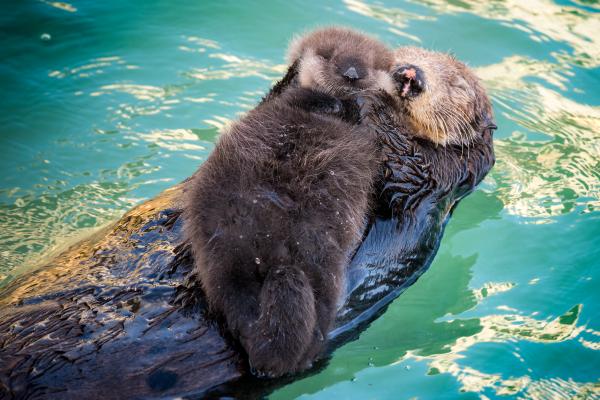
Southern sea otters are a keystone species, helping kelp forests thrive and boosting biodiversity along the California coast. Once hunted to near extinction for their fur, sea otters today face threats from climate change, habitat degradation, pollution, and disease. Our Sea Otter Program, aided by protections for these animals under the U.S. Endangered Species Act, has been working toward their recovery for the past 40 years. But there’s still a lot of work to be done!
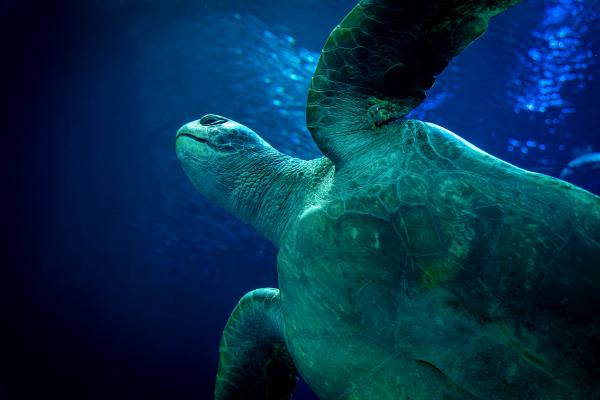
Green sea turtles are like grazing gardeners that help maintain the health of seagrass meadows and coral reefs. Despite some populations showing encouraging progress under the U.S. Endangered Species Act, these gentle giants remain threatened by habitat loss, plastic pollution, egg poaching, and accidental capture in fishing gear. Continued protections—like safeguarding nesting beaches and requiring safer fishing practices—are essential to ensuring these resilient marine reptiles can thrive now and in the future.
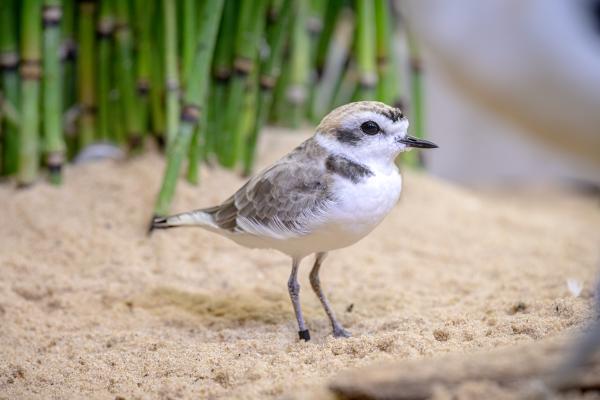
Western snowy plovers are adorable little poof balls with wings, and are a big part of healthy beaches. Nesting right on the sand, their survival is threatened by habitat loss and human disturbance. Protections under the U.S. Endangered Species Act are helping restore, buffer, and safeguard nesting areas, but continued conservation is key to western snowy plover success.
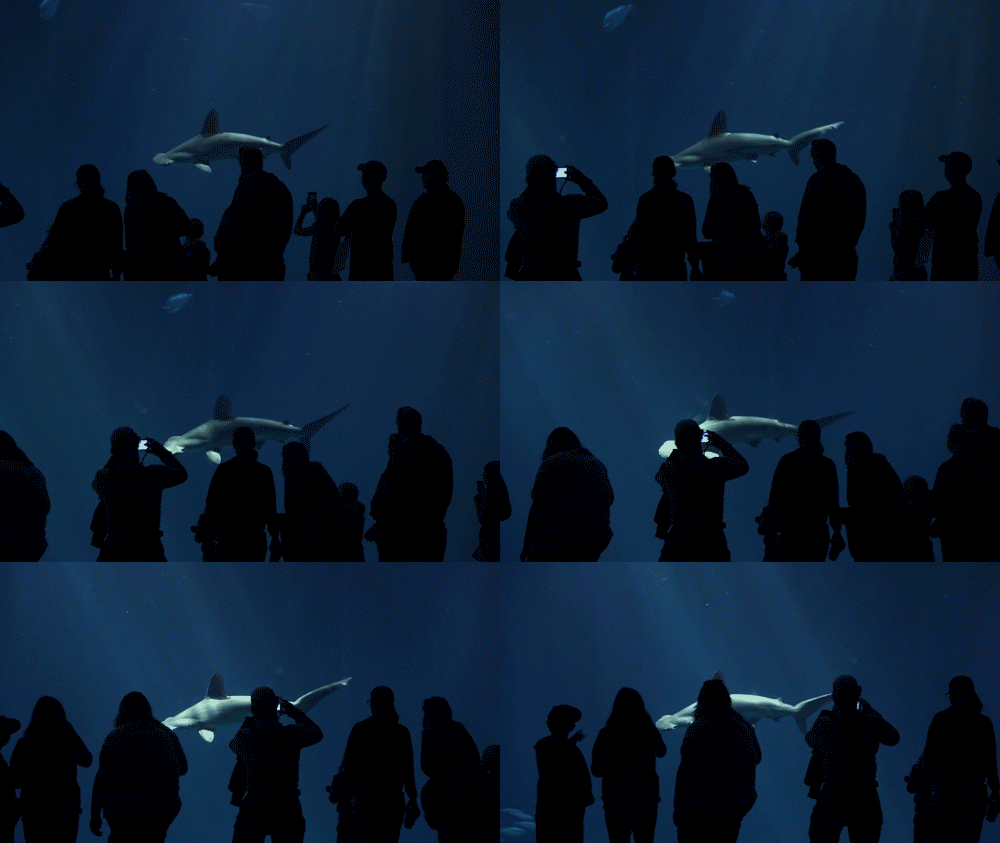
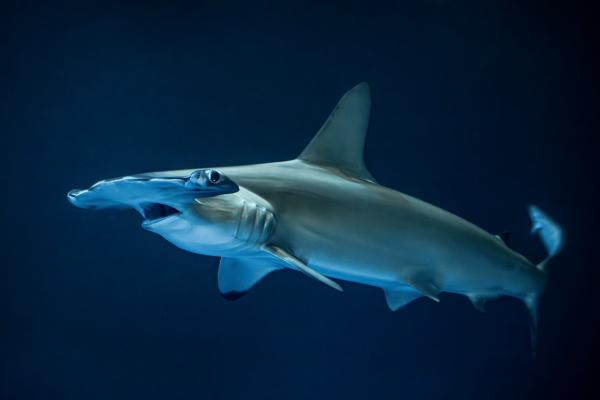
A scalloped hammerhead shark’s uniquely shaped head gives it a fin-tastic field of vision—it can see above, below, and even behind its body! Paired with the ability to sense electrical fields, hammerheads have a sea-rious advantage below the waves. But habitat degradation, overfishing, accidental catches, and the shark fin trade are all real threats to this scalloped beauty's survival. Protections under the federal Endangered Species Act are giving these sharks a fighting chance to keep cruising our ocean for years to come.
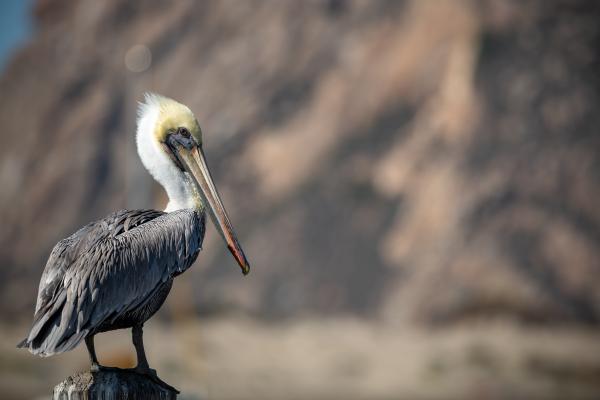
Decades ago, widespread use of the pesticide DDT caused brown pelicans’ eggshells to become so thin that they often broke before chicks could hatch. As a result, their population declined drastically, and they were listed as endangered. Just two years later, the U.S. Environmental Protection Agency banned the use of DDT across the country, leading to a dramatic rebound for this special bird. The species has officially been delisted from its endangered status—proof the U.S. Endangered Species Act works!
There's wonder in ocean life, and caring for it helps us all.