Your Flight-Ready Eye Checklist
STAY HYDRATED
Kick off your flight with water, and go easy with coffees or alcoholic drinks- they speed up dehydration and leave eyes feeling drier and more irritated during your flight.
SWAP YOUR CONTACTS FOR GLASSES
Switch to glasses on longer flights; reduced oxygen and ultra-dry cabin air dry out contacts quickly, causing gritty, red eyes and lingering irritation.
THE 20-20-20 RULE
Remember the 20-20-20 rule: every 20 minutes, look 20 feet away for at least 20 seconds to reset your focus and relax strained eye muscles. While you’re at it, make a conscious effort to blink—rapid, complete blinks refresh the tear film.
OVERHEAD VENTILATION
Tilt the overhead nozzle downward or turn it off, as constant recirculated air quickly evaporates the tear film, making eyes feel scratchy and dry within minutes.
PACK ALL PRESCRIPTIONS IN YOUR HAND LUGGAGE
Especially after glaucoma or retinal surgery. Cabin pressure itself rarely alters eye pressure, but missing a single glaucoma dose can let intraocular pressure creep up, and temperature swings in the hold may spoil drops.
WEAR UV-BLOCKING SUNGLASSES BY WINDOW SEATS
At over 30,000 ft, UVA levels can be twice those at ground level. Aircraft windows block UVA much less than UVB. Long-term exposure to sunshine at altitude can increase the risk of cataracts and macular degeneration, so keep UV400 sunglasses handy, even inside the cabin.
LAND & SOOTHE
Once you’ve landed, use a clean, warm compress over your eyelids for 5 minutes. The gentle heat melts meibomian gland secretions, jump-starting oil flow, quickly rebalancing your tear film, and easing post-flight dryness.
USE DROPS OR SPRAYS DURING YOUR FLIGHT
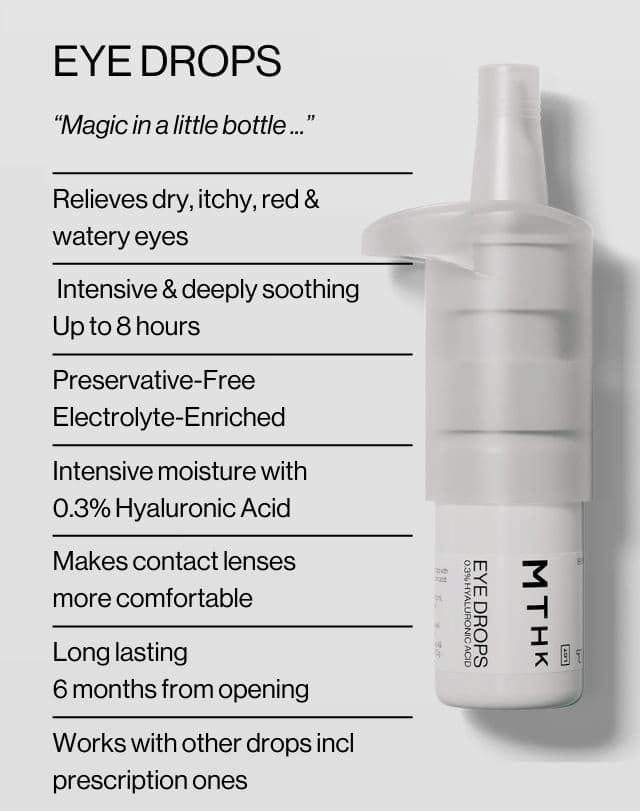
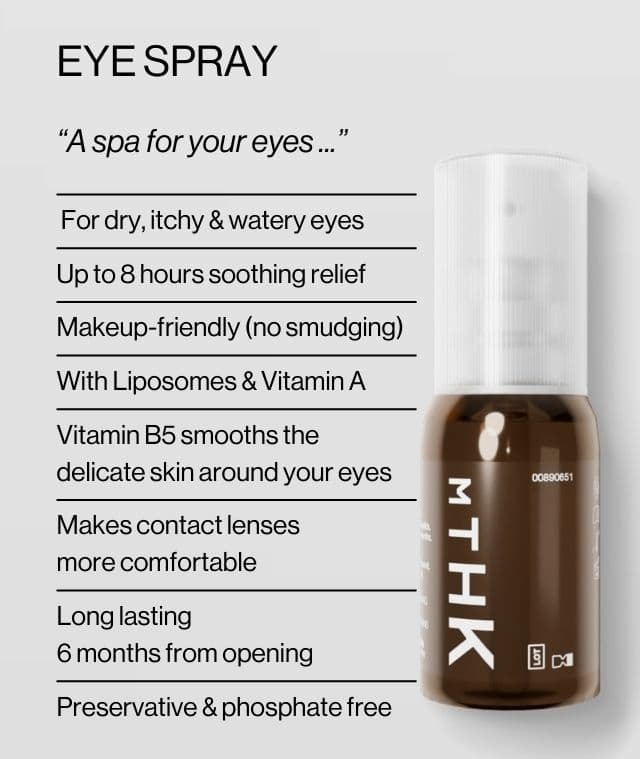
Apply preservative‑free lubricant drops and a hydrating eyelid spray a few minutes before take‑off, then repeat every couple of hours while you’re in the air; the combo locks in moisture, calms irritation and keeps your tear film stable for the entire journey.