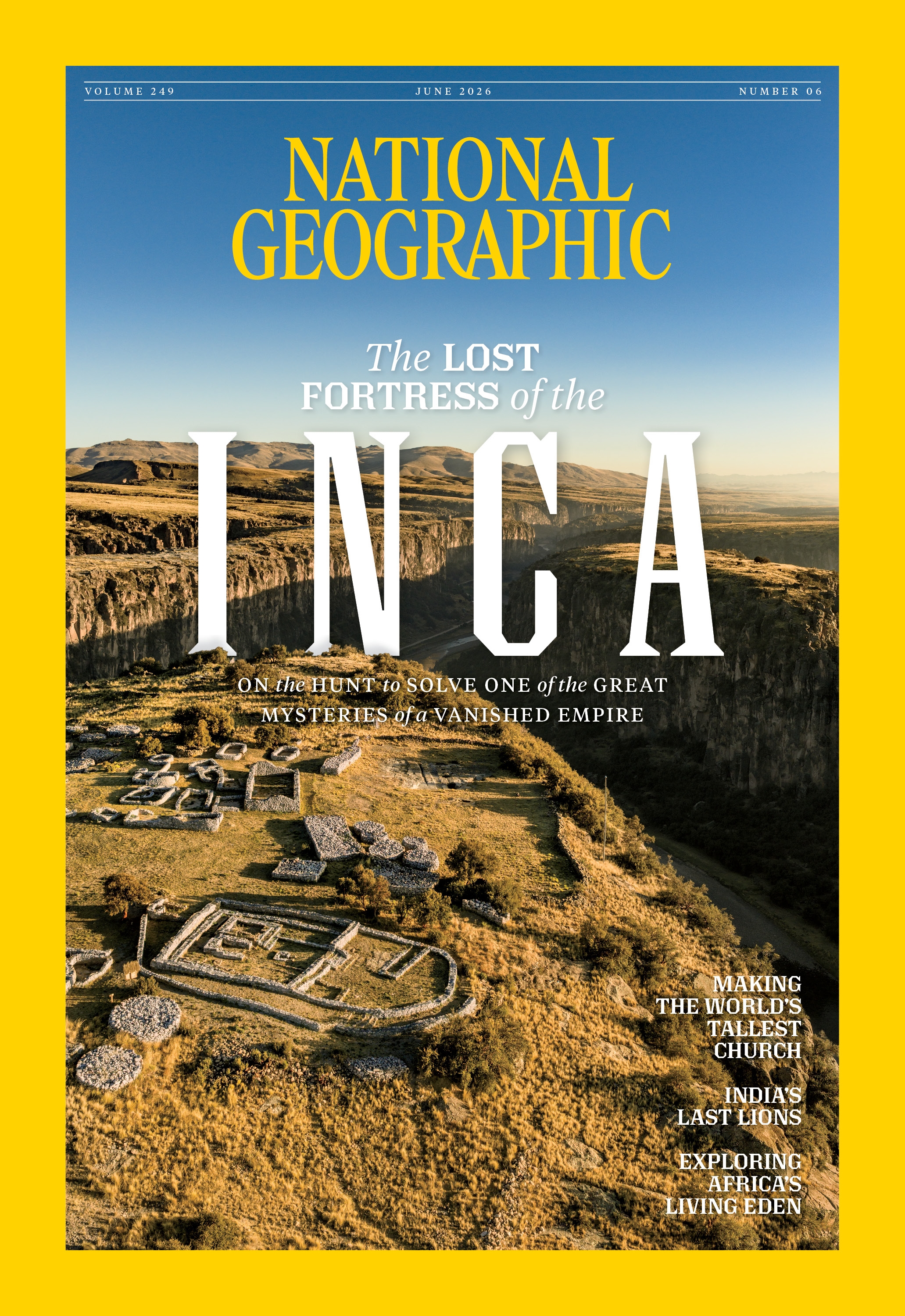
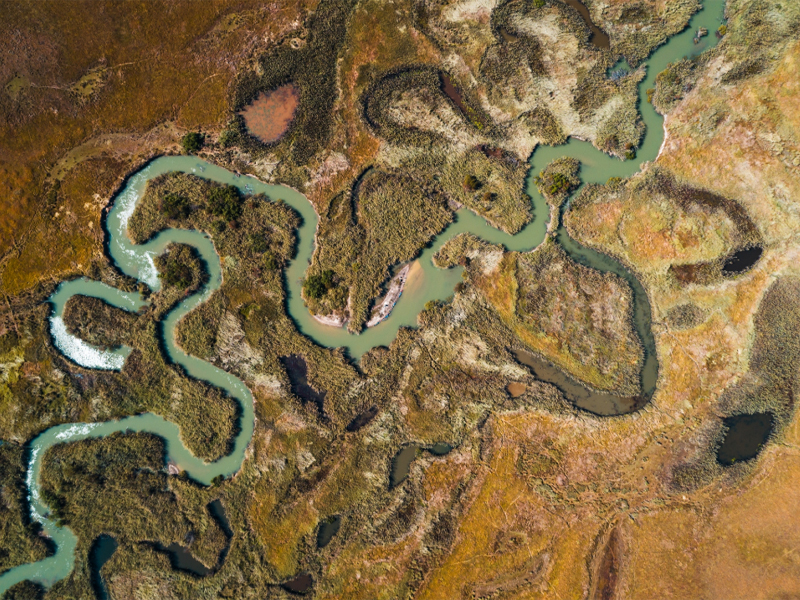
The remains of the Inca settlement known as T’aqrachullo sit on a windblown mesa in the southern Peruvian Andes, some 300 sheer feet above the Apurímac River—and until recently, the views into the canyon were the most striking thing about the site.
The ruins spread out across 43 acres, including an area along the mesa’s base, which makes T’aqrachullo roughly four times larger than Machu Picchu, some 140 miles to the northwest. The Peruvian Andes are littered with such sites, stone terraces and foundations overgrown by creeping shrubs. Archaeologists have visited T’aqrachullo for more than 30 years, trekking up the single steep staircase that scratches up the cliff face from the valley floor. But for most of that time, all anyone found there were sherds of pottery and lonely ruins.
Then one morning in September 2022 archaeologist Dante Huallpayunca was scraping away soil inside a stone enclosure when one of his assistants, working nearby, cried out: “Boss! We found something!” At first, Huallpayunca laughed—his team had recently been joking about discovering treasure.
Then he turned and saw the telltale glint of gold.