|
Nathan Burstein
Managing editor
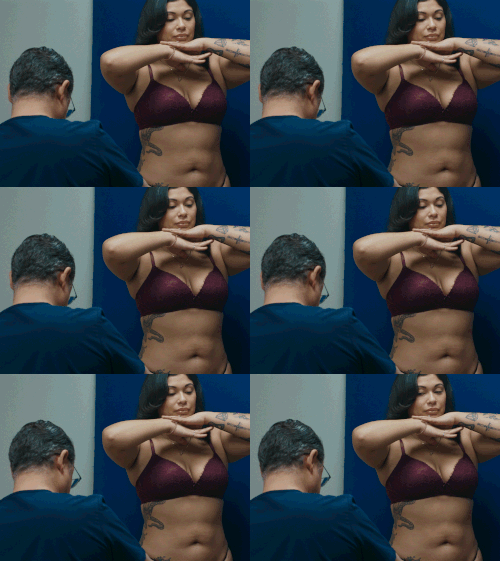
Earlier this month, The New Yorker’s Jia Tolentino published “Our Plastic-Surgery Nightmare,” a follow-up to her popular 2019 essay “The Age of Instagram Face.” Both articles examine the evolving influence of internet culture on beauty standards, and consider the complicated, sometimes extreme lengths to which people go to achieve them. These developments hold a mirror up to our broader cultural values, Tolentino argues, and the reflection isn’t always pretty.
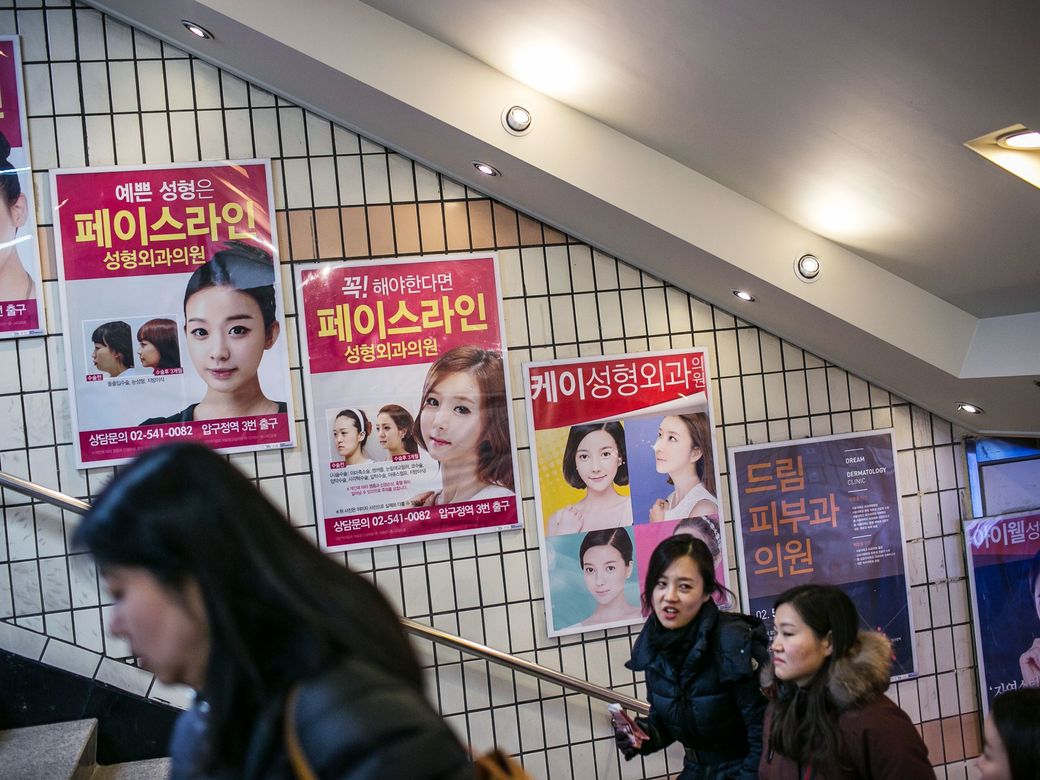
In 2015, Patricia Marx travelled to South Korea, a country that appeared to be even more enamored with plastic surgery than the U.S. By some measures, South Koreans were undergoing more cosmetic procedures than any other nation; the skill of their doctors had also turned the country into a major destination for “surgery tourists.” As Marx visits hospitals and clinics, she traces the roots of the country’s aesthetic obsessions—linked, she’s told, to both the Korean War and Confucianism—and takes note of hospitals that issue I.D. documents attesting that post-op patients, despite their drastically altered appearance, really are who they say. The article observes the distinctive aspects of South Korea’s cosmetic culture, but it also anticipates a phenomenon that has become more widely familiar. After certain enhanced features become ubiquitous, one person tells Marx, “Everyone started looking alike.”
|