|

|
|
|
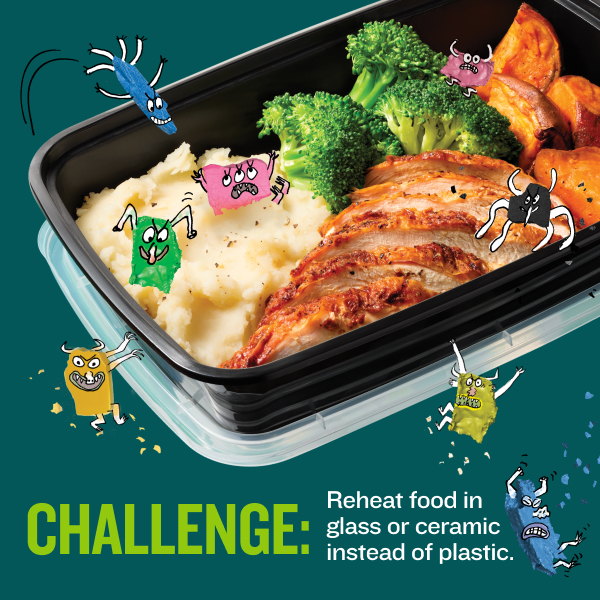
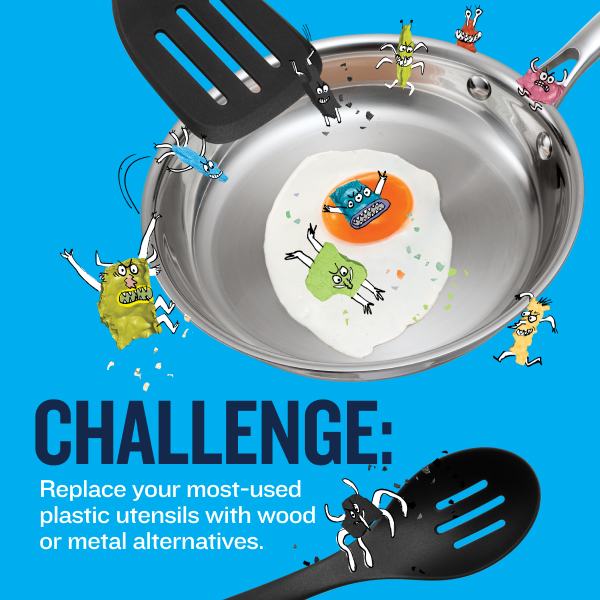
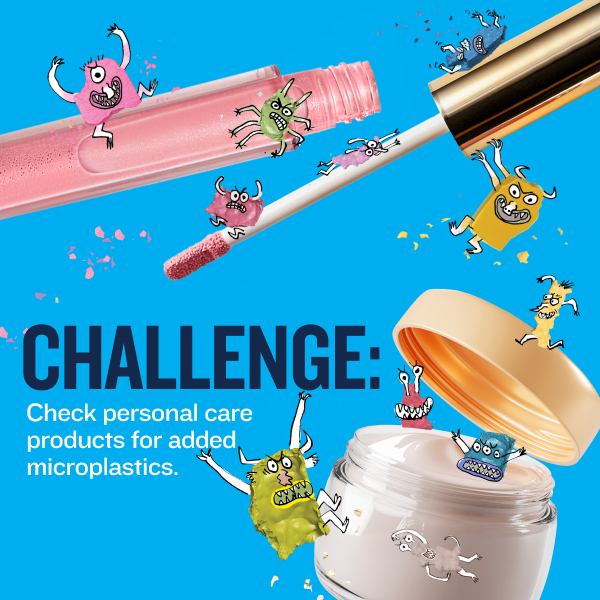
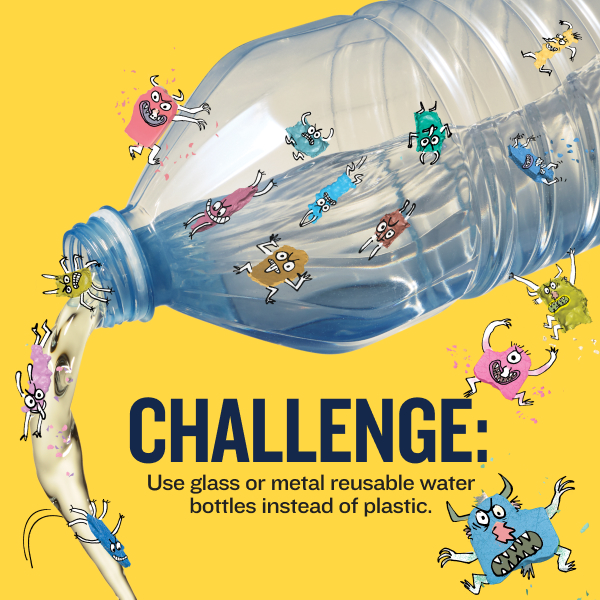
Dear NRDC Supporter, Microplastics are tiny chemical-laden plastic particles that might be too small to see — but don't let that fool you. They’re everywhere, including in human hearts, brains, and placentas, and emerging research links them to serious health risks like heart attack, stroke, and cancer. That's why NRDC launched Microplastics Are Micromonsters, a national public awareness campaign to help families understand the risks and take action to reduce their exposure. Here are four science-backed steps you can take right now to combat microplastics: CHALLENGE #1: DON’T MICROWAVE PLASTIC CHALLENGE #2: RETHINK YOUR PLASTIC KITCHENWARE CHALLENGE #3: CHECK YOUR PERSONAL CARE PRODUCTS CHALLENGE #4: SWITCH TO REUSABLE GLASS OR METAL BOTTLES CHALLENGE #5 As the world moves toward renewable energy, the fossil fuel industry is counting on a dramatic increase in plastic production to maintain its profit margins. Plastic is their "Plan B" — and the industry is on track to triple production by 2060. They need us hooked on plastic because plastic keeps us hooked on fossil fuels. Right now, there are no laws regulating microplastics in our food or water. The FDA has the power to change that — but we need your help to mobilize massive, nationwide public pressure on them to act.
Thank you for showing up for your health, your family, and the fight against microplastics. Sincerely, P.S. Want to learn more? Visit NRDC's Microplastics Are Micromonsters campaign for the latest science, tips, and ways to fight back. |
||
The mission of the Natural Resources Defense Council (NRDC) is to safeguard the Earth: its people, its plants and animals, and the natural systems on which all life depends.
|
||
| We appreciate the opportunity to communicate with you and other NRDC Activists. We are committed to protecting your privacy and will never sell, exchange or rent your email address. Receive Less Email or Unsubscribe | About Us | Contact Us | Privacy Policy NRDC | 40 W 20th St | New York, NY 10011 | www.nrdc.org |