Physician-scientists received the prize for their extraordinary advances in the first FDA-approved gene therapy for an inherited condition.
Keeping you up to date with the most recent news from the University of Pennsylvania


|
April 20, 2026
|
|
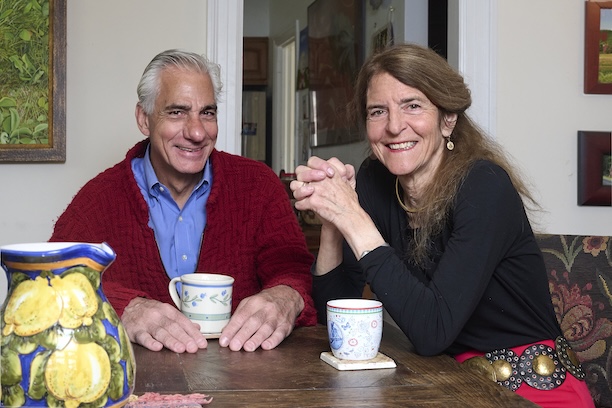
Physician-scientists Jean Bennett and Albert Maguire (right and left, respectively, pictured in their home), and Katherine High received the 2026 Breakthrough Prize in Life Sciences for their trailblazing work on the first FDA-approved gene therapy for an inherited condition, which dramatically improves sight in people with a form of blindness called Leber congenital amaurosis. Theoretical cosmologist Mathew Madhavacheril also received recognition at this year’s ceremony, winning the New Horizons in Physics award, given to early-career researchers.
|
|
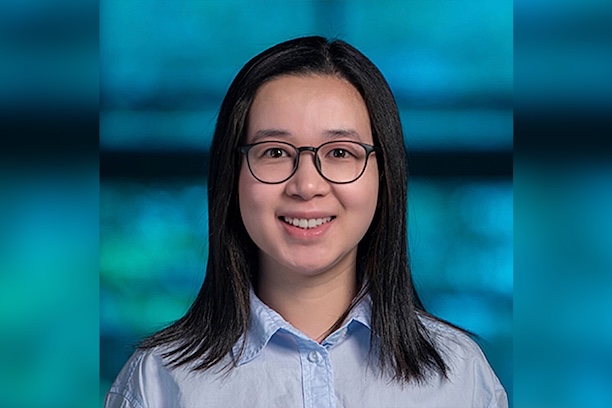
Computer scientist Lingjie Liu uses AI both as a subject of research and as a method to build new 3D visual computing systems and create realistic 3D characters. “I am interested in how AI can help us move from pixels to structured 3D understanding: recovering geometry, appearance, motion, and dynamics in ways that are not only visually compelling, but also controllable and useful for downstream applications,” says Liu.
|
|
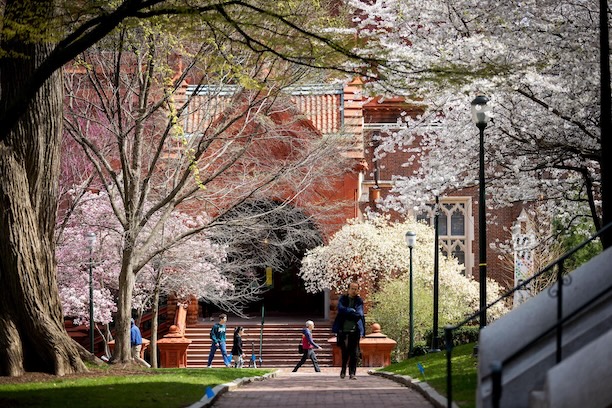
Penn Today celebrates recent honors received by several faculty members and one student in the School of Arts & Sciences, Penn Dental Medicine, School of Engineering and Applied Science, Penn Carey Law, School of Nursing, and the Wharton School.
|
|
|
Former Obama administration advisor and Penn Integrates Knowledge Professor Ezekiel Emanuel and Trump policy architect Brian Blase discussed affordability in the U.S. health care system at a March event in Washington, D.C.
Read this story »
|
|
|
|
Penn Medicine Princeton Medical Center’s new cancer center, set to open in May 2028, will combine advanced medicine with environmental sustainability.
Read this story »
|
|
|
|
 THE NEW YORK TIMES THE NEW YORK TIMES
Indira Gurubhagavatula of the Perelman School of Medicine says that people in her lab who have caffeine in their system have brain wave activity that reveals “it’s not normal, healthy, deep sleep.”
Read this story »
|
|
APRIL 22
During this edition of Penn Arts & Sciences’ 60-Second Lectures series, Howard Neukrug, executive director of The Water Center at Penn and professor of practice in the Department of Earth and Environmental Science, will deliver the presentation “AI Doesn’t Live in the Cloud, It Lives in Our Watersheds.” This event is part of AI Month and Earth Week programming. Cookies will be served. Free and open to the Penn community.
Explore this event »
|
|
|