Immune activation could determine the success of CAR T cell therapy for glioblastoma, according to new Penn Medicine research.
Keeping you up to date with the most recent news from the University of Pennsylvania


|
July 15, 2026
|
|
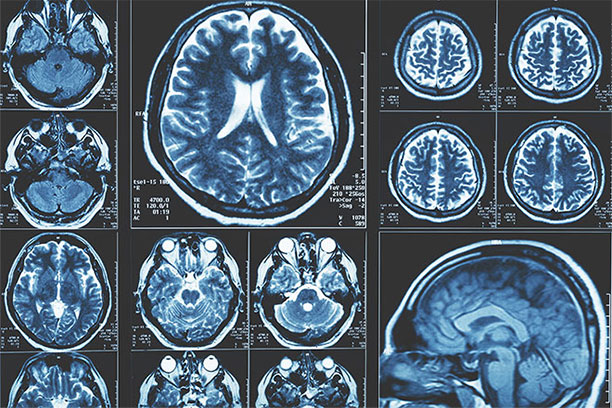
According to new Penn Medicine research, glioblastoma patients receiving dual-target CAR T cell therapy lived longer when certain immune cells—natural killer cells—were activated. By contrast, patients who did not respond to therapy had a higher proportion of immunosuppressive cells. “Now that we can see on a cellular level how CAR T cell therapy significantly changes the composition of the patient’s immune system, we can begin to investigate ways to improve the therapy,” says co-senior author Dana Silverbush.
|
|
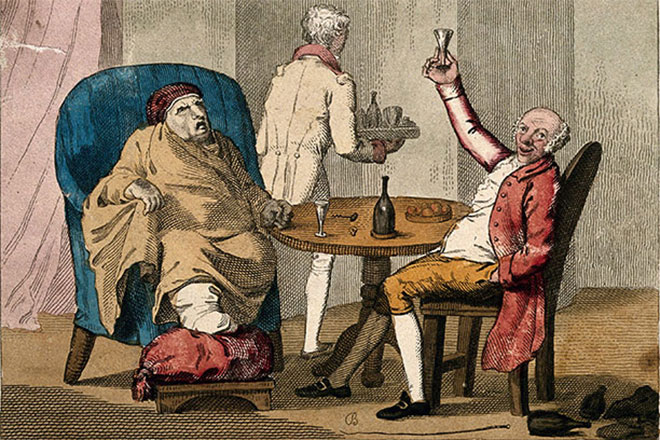
Did gout alter the course of the American Revolution? Biologist Philip A. Rea explores this question in a tongue-in-cheek new piece examining how gout sidelined two influential 18th-century British leaders—and why England eschewed an effective gout treatment that is now attracting attention as a potential therapy for a type of cardiovascular disease.
|
|

Wharton’s Lu Liu argues in a new paper that homeowners stuck with low fixed mortgage rates aren’t just frozen in place but are propping up the housing market. Liu and her co-authors write that a single feature of the U.S. mortgage market—the inability to bring a low fixed mortgage rate with you—turns rising interest rates into an unexpected source of housing demand.
|
|

|
A new book by communication scholar Sandra González-Bailón (right) and journalist Jordi Pérez Colomé (left) documents how digital technology has upended political power over the last three decades. “We challenge the idea that algorithms alone control what we see,” says González-Bailón.
Read this story »
|
|
|
|
Penn Dental Medicine's latest predoctoral curriculum, launched in 2024, integrates environmentally responsible healthcare practices throughout its four years of coursework, collaborative evaluations, and reflective exercises.
Read this story »
|

|
|
|
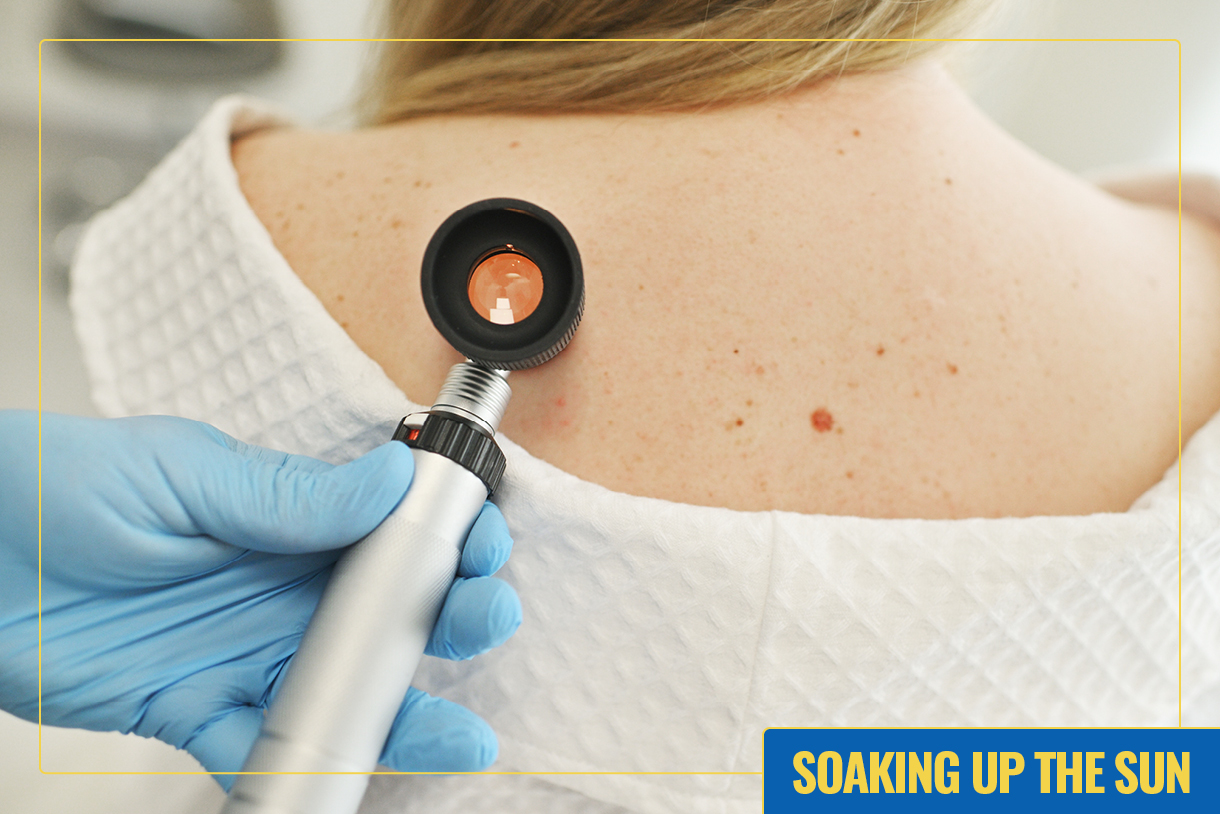
Today, revisit a story that explores one method of counteracting extreme sun exposure. An experimental cream developed by Penn Medicine researchers could suppress the growth of common skin cancers by blocking an enzyme that inhibits immune defenses.
|
|
|
|
NPR
“What we’re seeing now is a re-engagement of policing a few years down the line. And we continue to see again that crime reduction,” says Jerry Ratcliffe of the School of Arts & Sciences.
Read this story »
|
|
THROUGH SEPT. 4
Part of America 250 at Penn programming, this exhibit surveys the revolutions that shook the Atlantic world in the 1790s—and the profound changes that resulted—in France, Haiti, and Philadelphia. The books, documents, objects, and images on display will challenge visitors with the questions posed during that transformative era. Free and open to the public.
Explore this event »
|
|
|