

|
Weekly Edition
May 11-17, 2026
|
|
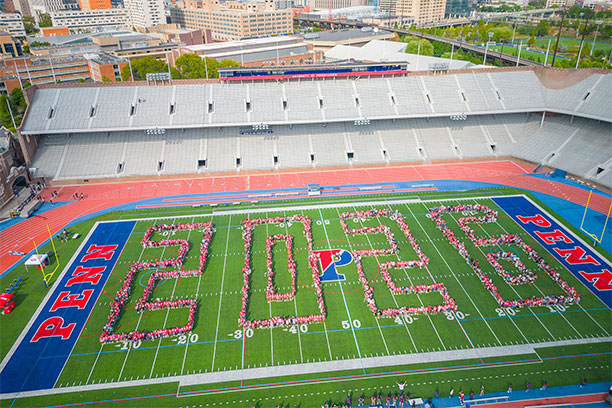
At today’s 270th Commencement ceremony, more than 9,000 students are eligible to participate, with degrees being conferred across undergraduate, master’s, and doctoral programs to May 2026 and Summer and December 2025 grads. In all, the Class of 2026 reflects Penn’s academic excellence, global reach, and commitment to leadership and community impact.
|
|
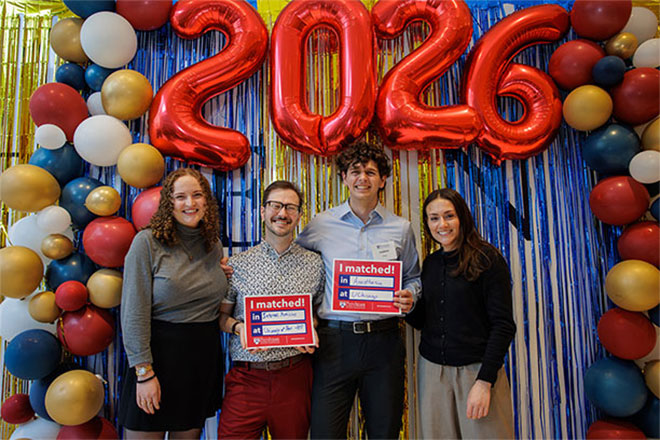
Shaped by the interdisciplinary foundation of a Penn education, graduates from all 12 Schools are taking their degrees and expertise into the world as graduate students, postdocs, residents, entrepreneurs, startup execs, policy advisors, and more.
|
|

A $20 million gift from Wharton alumnus Greg Mondre and his wife, Alexandra Mondre, will advance financial aid and opportunity for middle-income students by supporting the Quaker Commitment. “This gift is an acceleration of a vision to make higher education accessible to all, and it will help us set a new national standard for supporting middle-income families,” says President J. Larry Jameson.
|
|
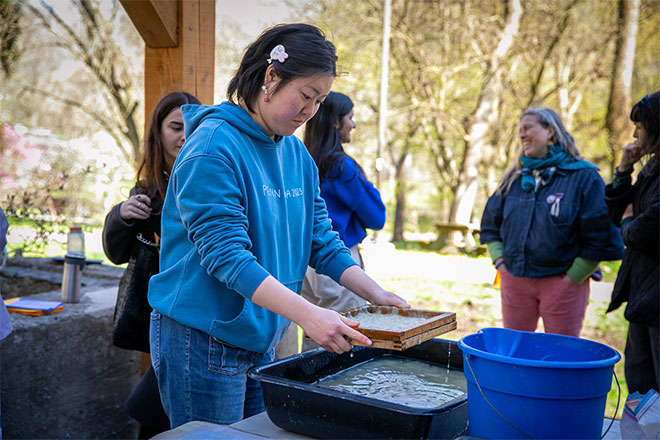
Common Press, which offers hands-on education about the significance of letterpress printing, typography, and bookbinding, showcases five steps to making paper as it was done in the Revolutionary era. The activity, part of a community-driven, public engagement initiative called the Typography of Independence, is being led by the Press as part of America 250 at Penn. “Seeing how the pulp is pulverized and re-used is very cool,” says fourth-year Kelly He (pictured).
|
|
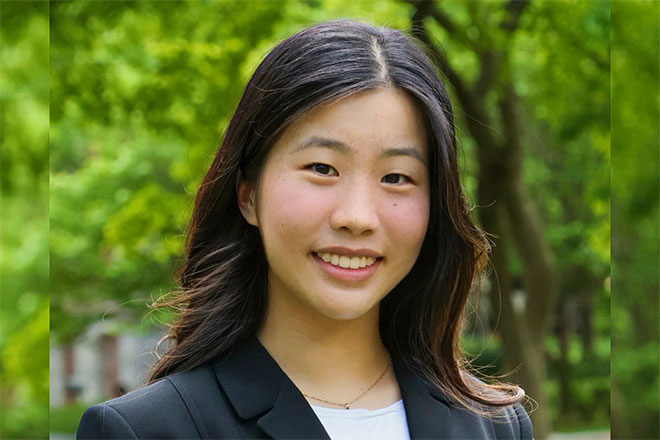
Rachel Ou has been named a Schwarzman Scholar and will spend a year earning a master’s degree in global affairs at Tsinghua University in Beijing. Ou aims to strengthen U.S.-China biotechnology and healthcare collaboration and plans to explore China’s healthcare system reform.
|
|
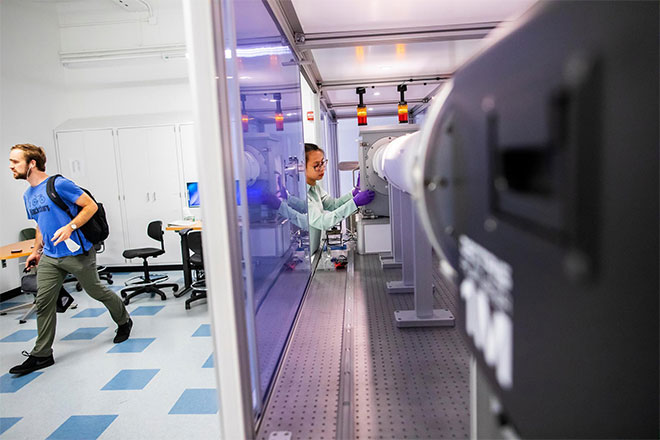
As part of “Chapters of Change,” a limited series of historical retrospectives about key moments of change at the University, Penn Today explores how Penn responded to the life sciences research revolution, investing in new facilities and creating opportunities for cross-disciplinary collaboration.
|
|
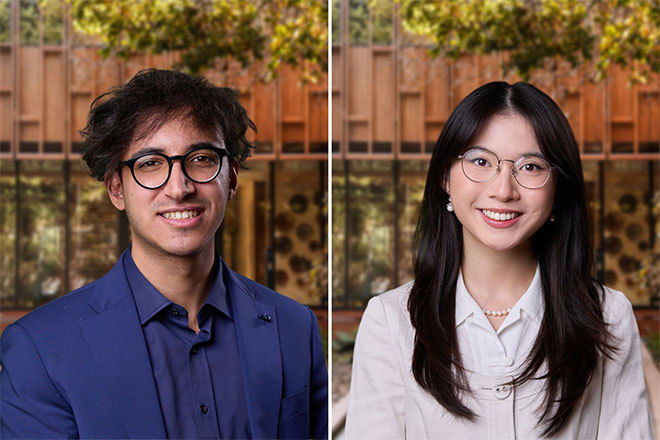
Fourth-year Naseebullah Andar (left) and graduate student Brianna Leung will receive financial support for graduate studies in the sciences at Stanford University. They are among 87 scholars from 31 countries in this year’s class of recipients.
|
|
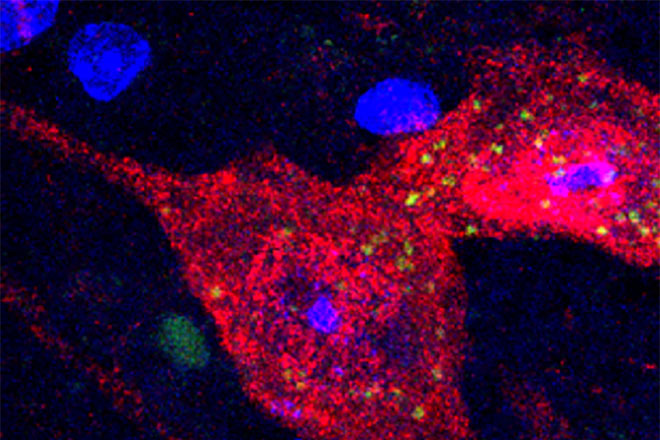
Misshapen proteins cause trouble—particularly in patients with neurodegenerative diseases—but a new study led by Penn Medicine researchers suggests it’s possible that giving them a little bit of extra support could keep them working correctly and even reverse the damage. The finding is an important advance toward RNA-based treatments for ALS and frontotemporal dementia.
|
|
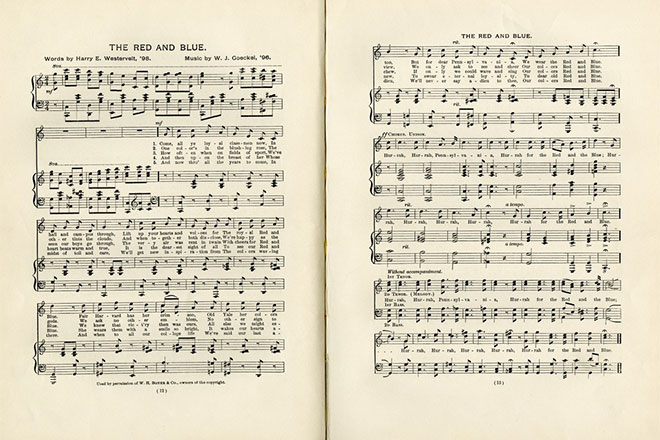
At Commencement, music frames the Penn experience—from the first notes in Franklin Field to the closing strains of “The Red and Blue.” Composed more than 125 years ago by two Penn graduates of the 1890s, the song has become the University’s unofficial anthem, marking major milestones. Ahead of this year’s ceremony, Penn Today offers a brief history, lyrics to the verse sung at Commencement, and a video guide so all can join in this enduring Penn tradition.
|
|

Maria Balhara is among 65 second- and third-year students selected from 383 candidates nominated by 181 colleges and universities nationwide. Scholars are recognized for leadership, public service, and commitment to issues related to the environment or to Native American nations.
|
|
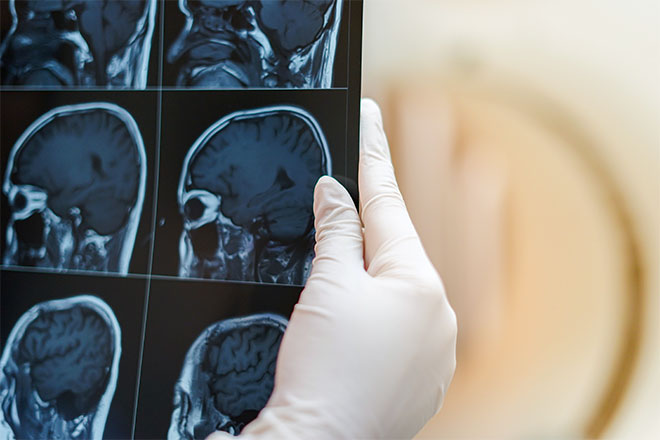
Three-quarters of people with proposed clinical symptoms for CTE did not show hallmark brain changes of the disease at autopsy, according to a Penn Medicine study. “Until we have diagnostic tools that can reliably detect CTE neuropathology in living people, applying these criteria in clinical settings risks doing more harm than good,” says John D. Arena.
|
|
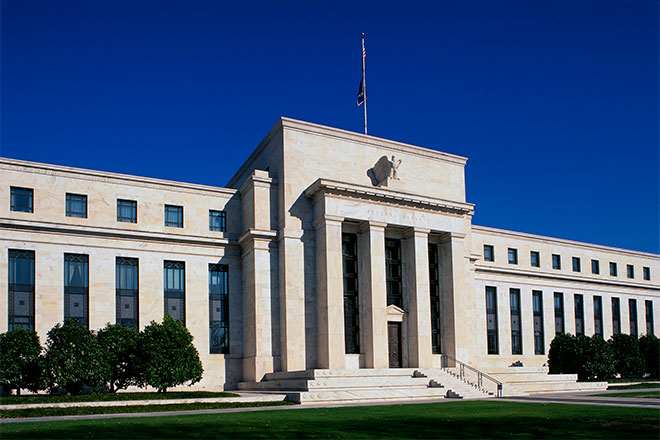
As the nation’s central bank, the Federal Reserve plays a crucial but often mysterious role in the lives of Americans. Former Philadelphia Fed president Patrick Harker and financial historian Peter Conti-Brown, both Wharton professors, unpack the central bank’s origins, its unusual structure, and the quiet ways it shapes the economy.
|
|
|
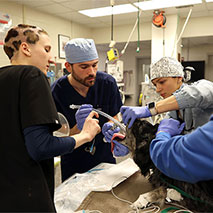
Penn Vet’s Class of 2026 is the first cohort to complete its fully redesigned curriculum, which emphasizes an early experiential approach that teaches students to think through complex problems and arrive at sound decisions.
Read this story »
|
|
|
|
|
Four graduating students in the Lauder Institute’s MA/MBA joint-degree program reflect on the challenges and advantages of completing two rigorous degrees in a two-year period.
Read this story »
|
As part of a Global Research Seminar led by Penn Integrates Knowledge Professor Dorothy Roberts, law students traveled to Kingston, Jamaica, over spring break to connect with scholars, communities, and advocates for reproductive rights.
Read this story »
|
|
|
|
Penn Today celebrates recent honors received by faculty members and graduate students in the Annenberg Public Policy Center, School of Arts & Sciences, School of Engineering and Applied Science, Penn Carey Law School, School of Nursing, and the Weitzman School of Design.
Read this story »
|
|
|
|
With his 10-year tenure coming to a close, Gad Allon discusses how the Jerome Fisher Program in Management and Technology has evolved during his time as faculty director.
Read this story »
|
|
|
|
To discover how to capture the political voices of young Americans, fourth-year Glynn Boltman interviewed 65 voters in three swing states and turned the insights into a podcast. “Young people are not disengaged because they’re lazy,” she says. “There are real reasons, and they’re making intentional choices.”
Read this story »
|

|
|
|
|
First-years Rishi Ambavanekar and Tyler Sacharow have won the $75,000 Perlman Grand Prize for their startup Cloak, which works with publishers to protect content like news, novels, and screenplays from AI scraping.
Read this story »
|
Wrestler CJ Composto, gymnasts Skyelar Kerico and Alyssa Rosen, sprint football’s Jaxson Nield, and rowing coxswain Carly Yang were recognized at the annual Quakers Choice Awards.
Read this story »
|
|
|

|
Penn engineers call for a layered approach to developing safer robots powered by AI: clearer built-in rules, checkpoints across robotic systems, and contextual training that teaches machines to recognize when “reasonable” becomes risky.
Read this story »
|
|
|
|
 SCIENCE SCIENCE
“Galaxy clusters are literally the biggest structures in the universe,” says Patricio Gallardo of the School of Arts & Sciences, discussing a study he led that confirmed Newton’s law of gravity.
Read this story »
|
THE NEW YORK TIMES
“This is clearly a third bodily system for the circulation of fluids,” in addition to the cardiovascular and lymphatic systems, says Rebecca Wells of the Perelman School of Medicine.
Read this story »
|
|
|
Publications may require a subscription. Penn students, faculty, and staff can access some subscriptions through the Penn Libraries.
|
|