 | Tuesday, May 26, 2026 | | Automated audio content is flooding listening platforms, and nobody quite knows what to do about it |  | Christoph Reichwein/picture alliance via Getty Images | Something strange is happening to podcasts. On one AI network's content page, you can find daily surf reports for Los Angeles, San Diego, and Honolulu, a dedicated show called "Snakes," another called "6 7," a Chuck Mangione fan podcast, a show titled simply "Pasta," and separate programs for "Good Manners" and "Bad Manners." There is a podcast called "Cringe." All of them are hosted by AI, produced for under a dollar an episode, and optimized not for listeners but for search and arriving by the thousands every day. | | SPONSORED | 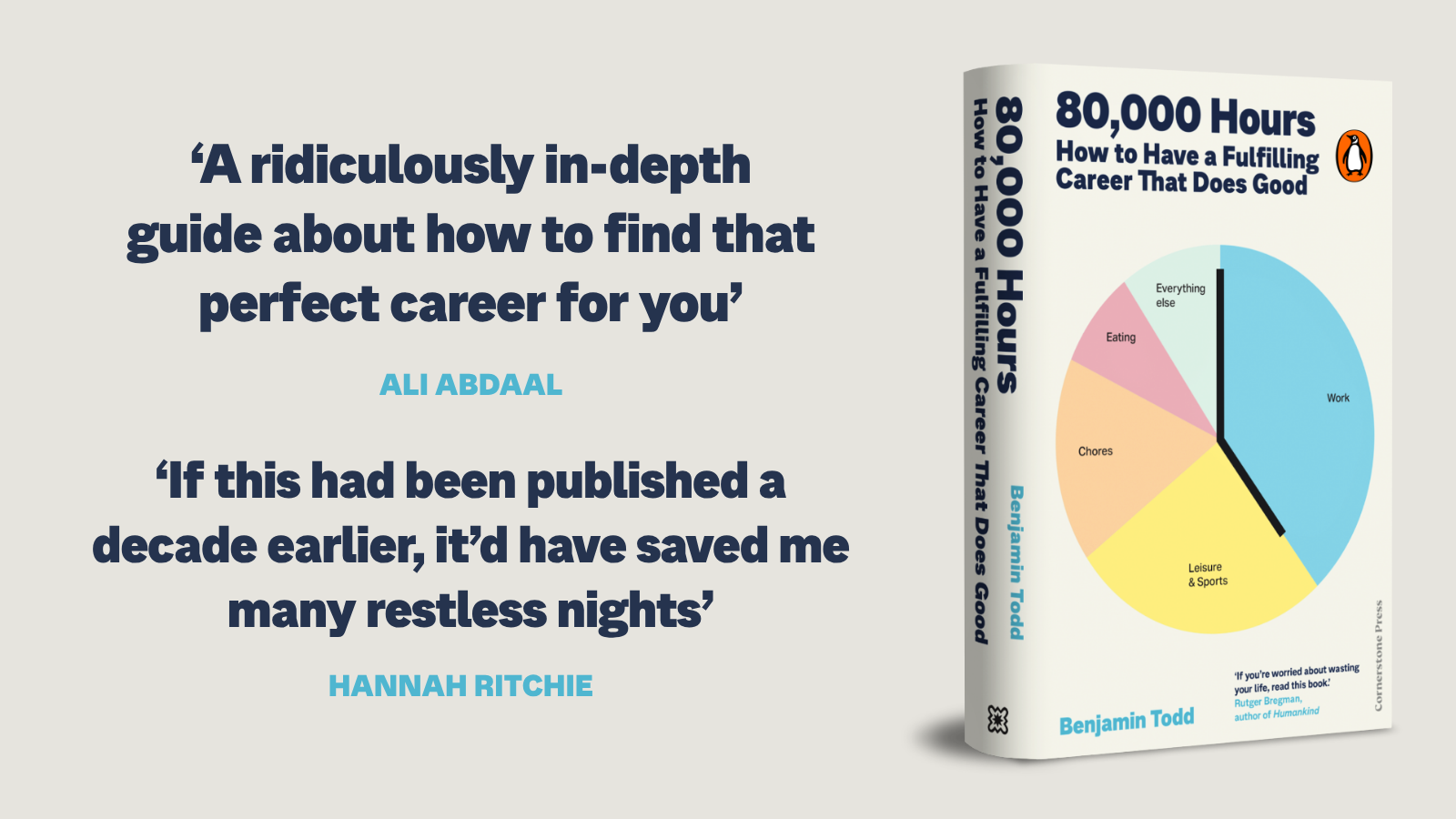 | Traditional career advice wasn't written for the age of AI | Ten years ago, "learn to code" was the career advice of the decade. Today, AI models can already outperform most human experts on real-world coding tasks. The skill that was supposed to future-proof careers is rapidly becoming obsolete.
Most career advice hasn't caught up. It's still pushing
traditional paths and platitudes like "follow your passion" — with no research behind any of it.
So what should you do?
"80,000 Hours: how to find a fulfilling career that does good" has the answer. Based on over ten years of research, Benjamin Todd introduces a
tried-and-tested toolkit framework that has already led thousands of people to change their path. It covers:
- What really makes for a dream job
- Which
global problems are most pressing
- How to ensure your role isn't among those automated away
| | |
| The numbers are striking enough to be almost absurd. One company, Inception Point AI, run by a former podcast executive, now operates more than 10,000 active shows, including a network that produces the ones listed above. Another network called Daily News Network, operating across more than 400 locally branded feeds, was putting out roughly 11,000 episodes a day earlier this year.
The economics driving this are simple. Programmatic advertising
does not much care whether a human or a machine assembled the audio. If a show earns a dollar in ad revenue and costs fifty cents to produce, the math works, even if only a handful of people ever listen.
Scale that logic across thousands of hyper-targeted feeds and the returns accumulate. Some hosting platforms allow shows to opt into ad marketplaces with no minimum audience requirement, which means something like a podcast dedicated to cranberries (which exists) with a handful of listeners can turn a profit.
The slop questionThe word "podslop" has entered industry vocabulary, though nobody agrees precisely what it means. To some it describes anything that is fully automated with no human review. To others it is more a quality judgment: content that is obviously machine-generated, repetitive, occasionally inaccurate, and ultimately useful to nobody except its creator's balance sheet.
Inception Point AI tiers its production by quality.
Its higher-end shows include internal checks, require hosts to disclose their AI nature at the top of each episode, and stay away from hard news where errors are harder to forgive.
But the worst examples in the space are genuinely problematic. One network was found to have published hundreds of episodes that closely mirrored local newspaper articles, often appearing within minutes of the original stories going live, borrowing structures and specific phrases
without attribution. Duke journalism professor Bill Adair, who encountered one such show while searching for a student podcast, described it plainly as plagiarism.
The platforms are responding, though slowly. Apple Podcasts now require disclosure when AI generates a material portion of a show. Spotify recently announced verification badges for human creators, complete with green checkmarks that will roll out over coming months. One hosting service, RSS.com, bars AI-heavy shows from its ad marketplace entirely unless they clear a minimum listener threshold and pass a human review. | | | SPONSORED | | Traditional career advice wasn't written for the age of AI | Ten years ago,
"learn to code" was the career advice of the decade. Today, AI models can already outperform most human experts on real-world coding tasks. The skill that was supposed to future-proof careers is rapidly becoming obsolete.
Most career advice hasn't caught up. It's still pushing traditional paths and platitudes like "follow your passion" — with no research behind any of it.
So what should you do?
"80,000 Hours: how to find a fulfilling career that does good" has the answer. Based on over ten years of research, Benjamin Todd introduces a tried-and-tested toolkit framework that has already led thousands of people to change their path. It covers:
- What really makes for a dream job
- Which global problems are most pressing
- How to ensure your role isn't among those automated away
| | |
| | A question of what podcasting is forThe deeper discomfort is about what the medium is actually supposed to be. Podcasting built its audience on the premise of a person talking to you, a sense of authentic presence that advertising has always been happy to underwrite. AI disrupts that premise, not necessarily by sounding bad but by removing the premise itself.
It is not just scrappy startups doing this. Amazon has been generating quasi-podcast segments to pitch products on its shopping platform, with AI hosts enthusiastically describing items like adult diaper rash cream and fake dog poop. The Washington Post launched a personalized podcast feature despite its own internal tests showing that up to 84% of generated scripts failed to meet the paper's standards. Staffers called it a "total disaster." The paper kept it running anyway. Alexa Plus now generates on-demand audio episodes from a network of news partners. Google’s NotebookLM has offered something similar for months.
What remains genuinely unclear is
whether listeners care. They don’t seem to like music created by AI, and interest is dropping. The economics of AI podcasting depend partly on discovery, on a show appearing high in search results regardless of what it actually contains. If verification
badges and disclosure requirements shift that calculus, the flood may slow. If they do not, the cranberries podcast will have the last laugh.
—Jackie Snow, Contributing Editor | | Tired of boring business news?
The Hustle is your answer. We deliver
snappy, unconventional business news for people who hate business news, plus free guides on making money with AI, starting side hustles, and more. Join 1.5M entrepreneurs and aspiring founders who read us every day.
|
| | |  | |
|
|