In good hands. This is Camila, writer here at Flamingo, taking over for Richard while he’s in Italy working on his new book. But he’s left us in good company. Curating our Farm Box this week, we have another great Aussie at the wheel: Curtis Stone. |
|
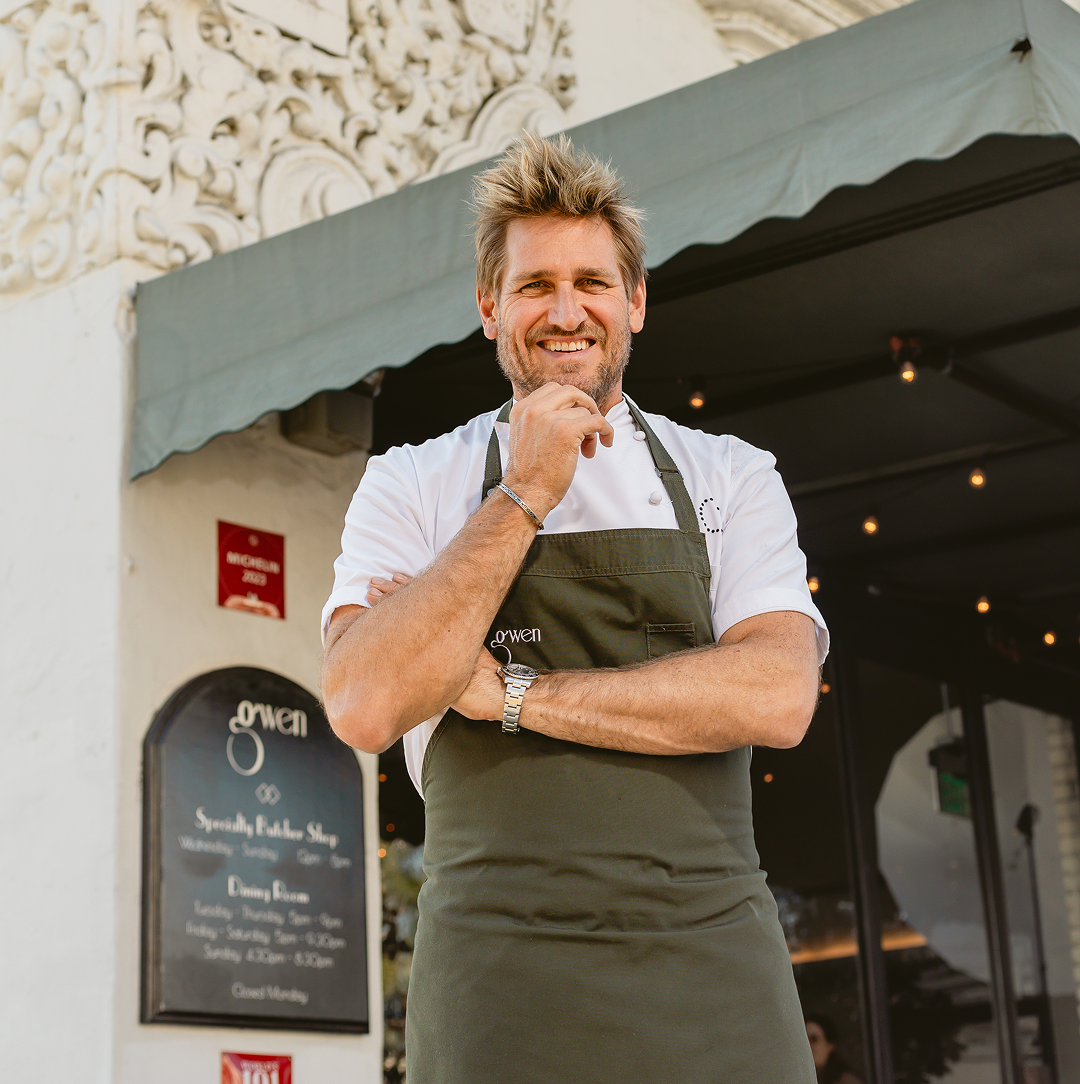
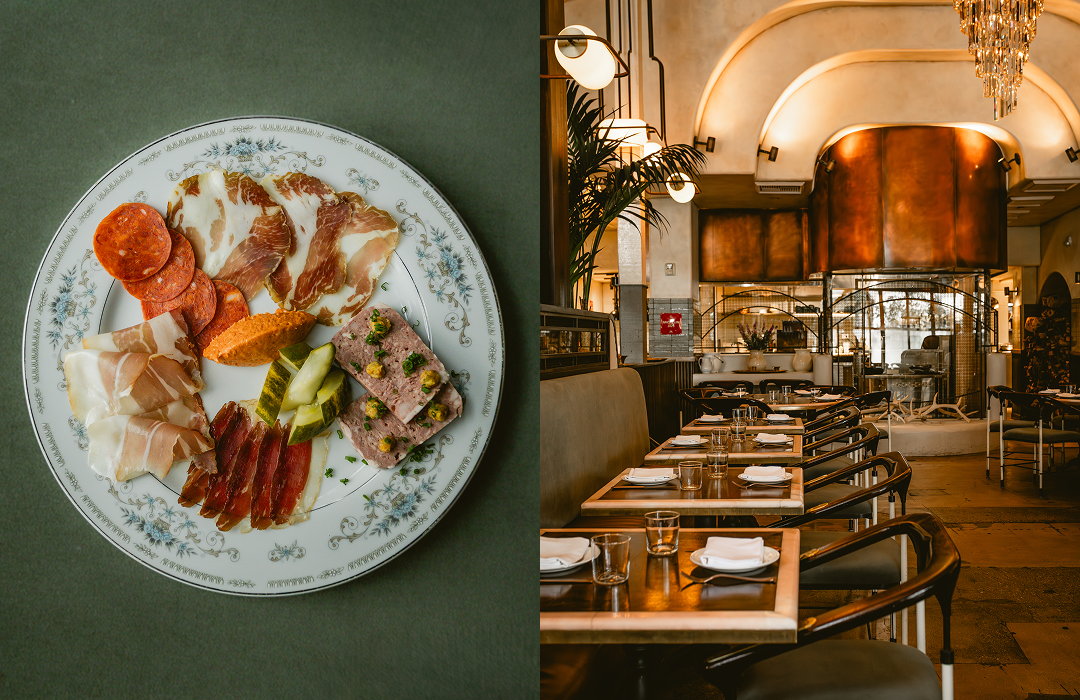
Michelin-starred chef, restaurateur, New York Times best-seller, and TV-personality, Curtis Stone is as Aussie as vegemite and the it-boy of all things meat and fire. His Michelin-starred Hollywood restaurant Gwen is ranked among the world's top steakhouses — part butcher shop, part open-fire kitchen, part polished dining room — championing the kind of ingredient-first, whole-animal, whole-harvest philosophy that defines his cooking. Like any great story, Curtis’ culinary journey starts in the kitchen of his grandmother Maude, who he began cooking with at the age of four in Melbourne. He’d go on to study business, but like all great loves, you can’t forget about them even if you try. He’d eventually drop out to pursue cooking, working from restaurant to restaurant with the goal of one day working for Marco Pierre White in London. Story goes, he landed a job at his restaurant the same day he met him. |
|
Curtis worked his way up through White's kitchens — Mirabelle, then Quo Vadis — eventually becoming head chef at Quo Vadis and earning three AA Rosette awards. From there, TV. Starring in cooking shows like Surfing the Menu, Take Home Chef, Top Chef Masters, and Iron Chef America. Even named one of People's Sexiest Men Alive, while still somehow finding time to open two Michelin-starred restaurants: Maude, named for the grandmother who first taught him to cook, and Gwen, a joint venture with his brother Luke, named for their grandmother on their mother's side. With time, Curtis Stone’s whole thing became nose-to-tail cooking, which in simple terms means using the entire animal, not just the crowd-pleasing cuts. At Gwen, that means bringing in whole heritage-breed animals and butchering them in-house, turning shoulders, trotters, and trim into house-made charcuterie instead of letting them go to waste. He applies the same philosophy to produce, where scraps become purees, garnishes, infusions, and juices. And nothing gets tossed. |
|
There is a real reverence in this kind of cooking. It really treasures the entirety of something, honors it, and chooses the inconvenient route to reduce food waste. This is also when things get interesting… Experimentation begins to happen, creativity becomes law, unusual pairings result. It matters beyond the plate, too. In an industry built around convenience and mass production, whole-animal cooking is a quiet act of resistance. Demanding smaller, often more humane farms, direct relationships between chef and rancher, and a kind of patience that most commercial kitchens don't have time for. Gwen's legacy is built on this, and their presence in Hollywood has helped popularize the whole-animal, butcher-forward concept in a US market that's long been trained to expect uniformity over character. |
|
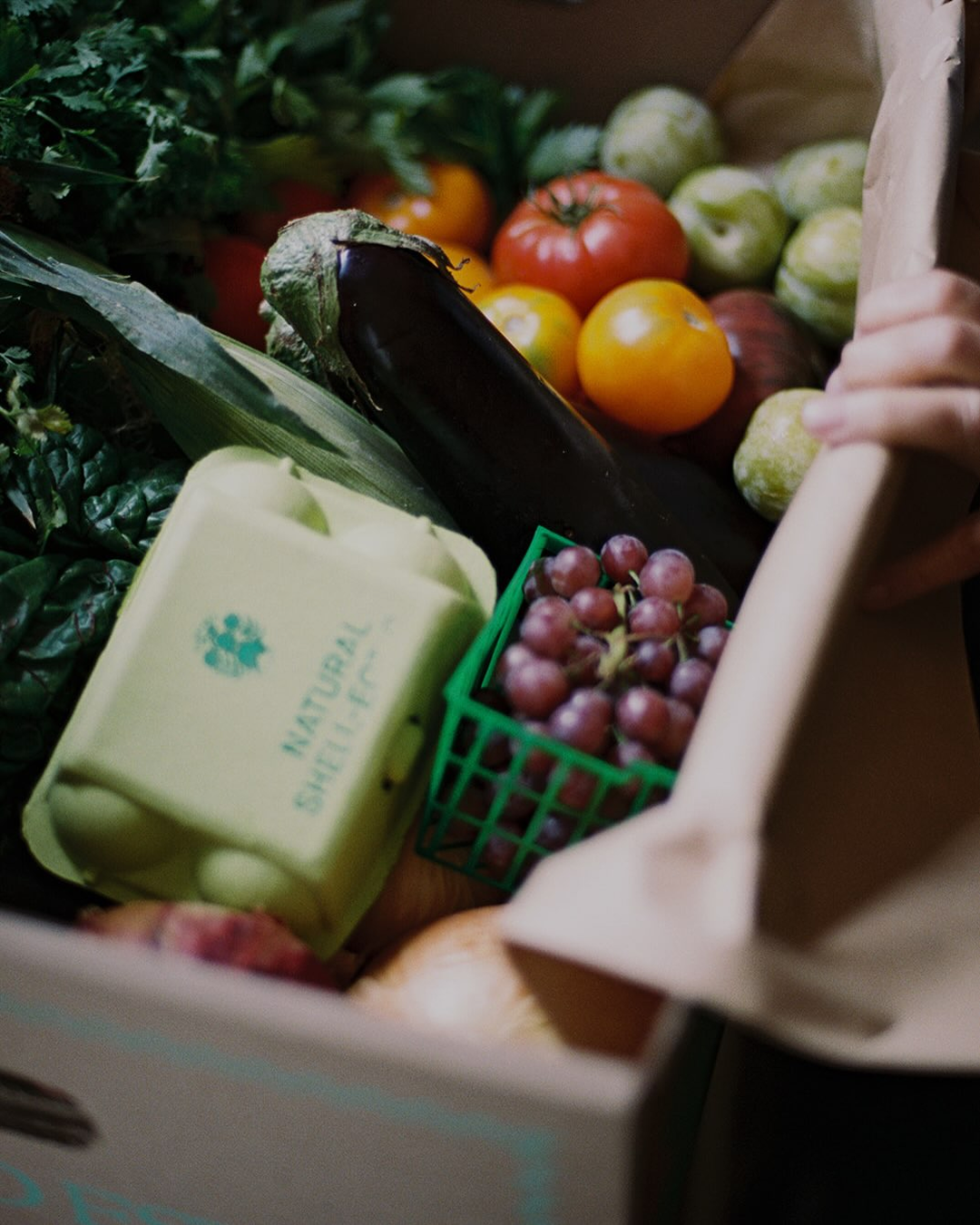
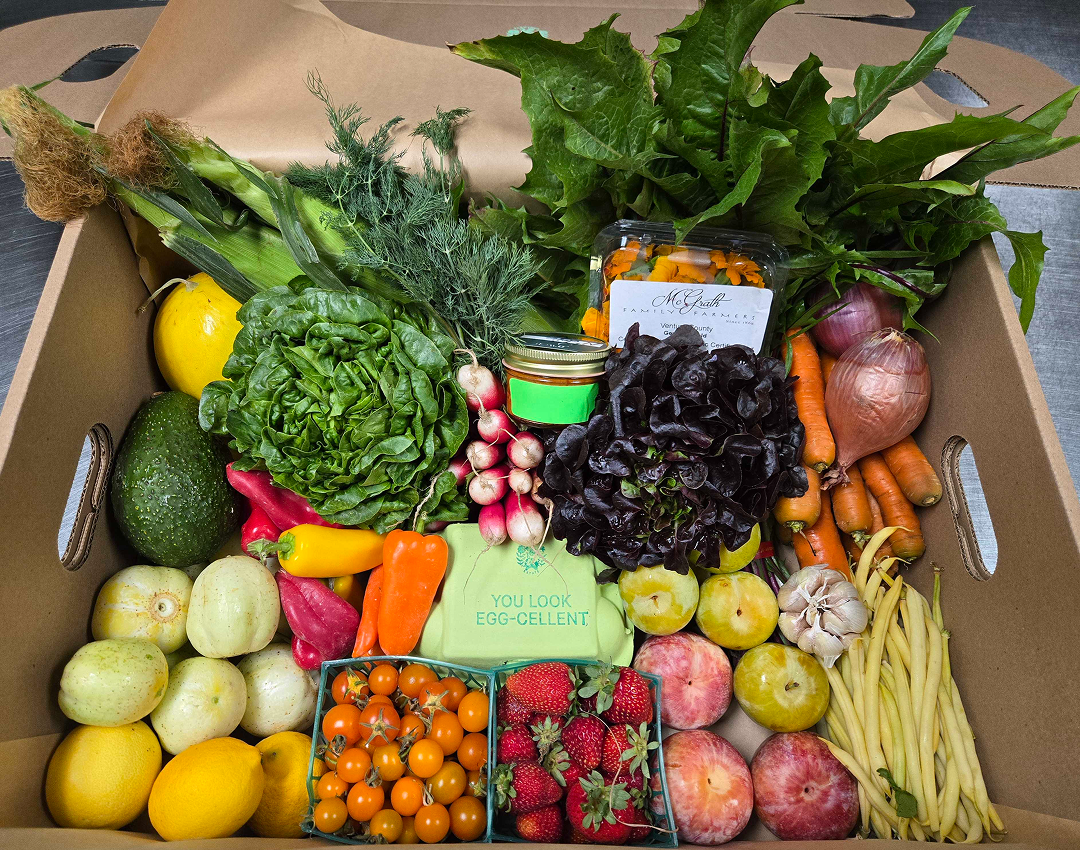
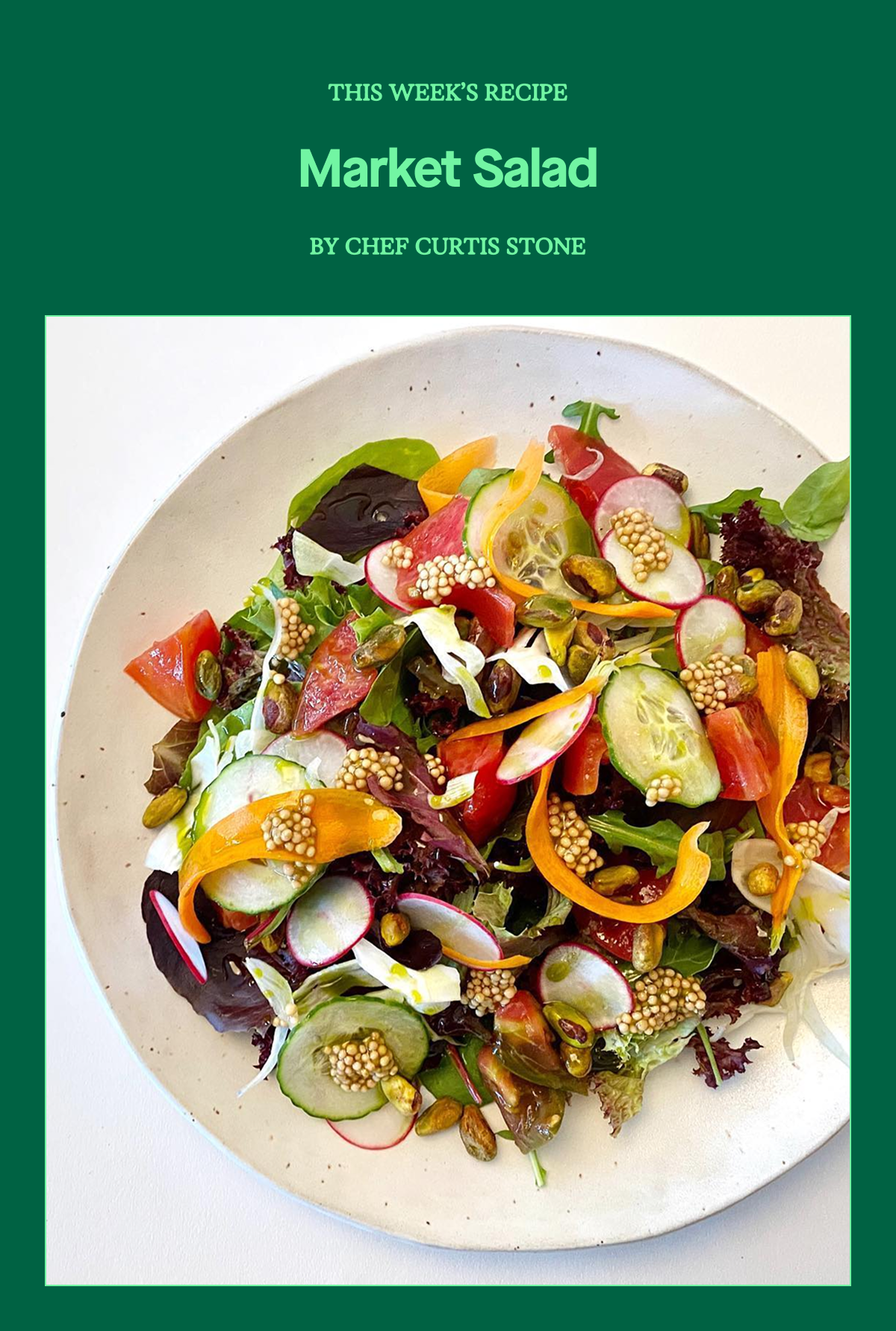
It’s with this conscious approach that Curtis has curated the Farm Box this week. In it, you’ll find Albion Strawberries, Canary Melon, Dapple Dandy Pluots, Flavor Queen Pluots, Avocados, Lemon Cucumbers, Marigolds, Sungold Tomatoes, Sweet Corn, Yellow Wax Beans, Yum Yum Peppers, Olive Rosemary Oat Buns, and so much more. Plus, all the ingredients to make his Market Salad. To top it off, we’ve included Nduja Sausage from Gwen, a spicy, fermented, spreadable pork salami seasoned with Calabrian Chiles. One Aussie’s gone. Another one’s manning the fire. We’re in good hands. As always, cook a meal for someone you love. x Camila |
|
|
|
|