|
How much do oil prices matter to American voters? Adam Julch, an enormous former college football star in Nebraska, once explained it to me pithily. It was when global oil prices were soaring before the presidential election in 2008. He had just had to give up his spacious pickup truck and squeeze his bulk into a little Honda Civic. “I’m 350 pounds,”
he said,
“I feel like I’m in a clown car.”
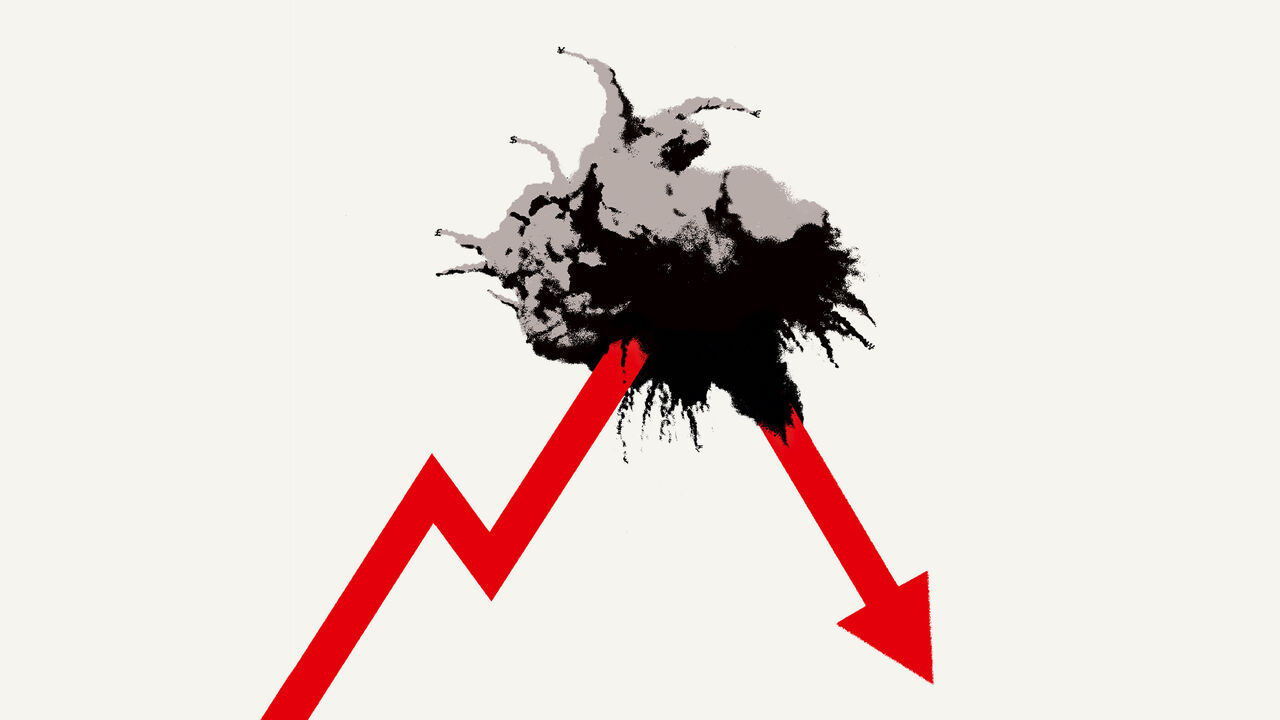
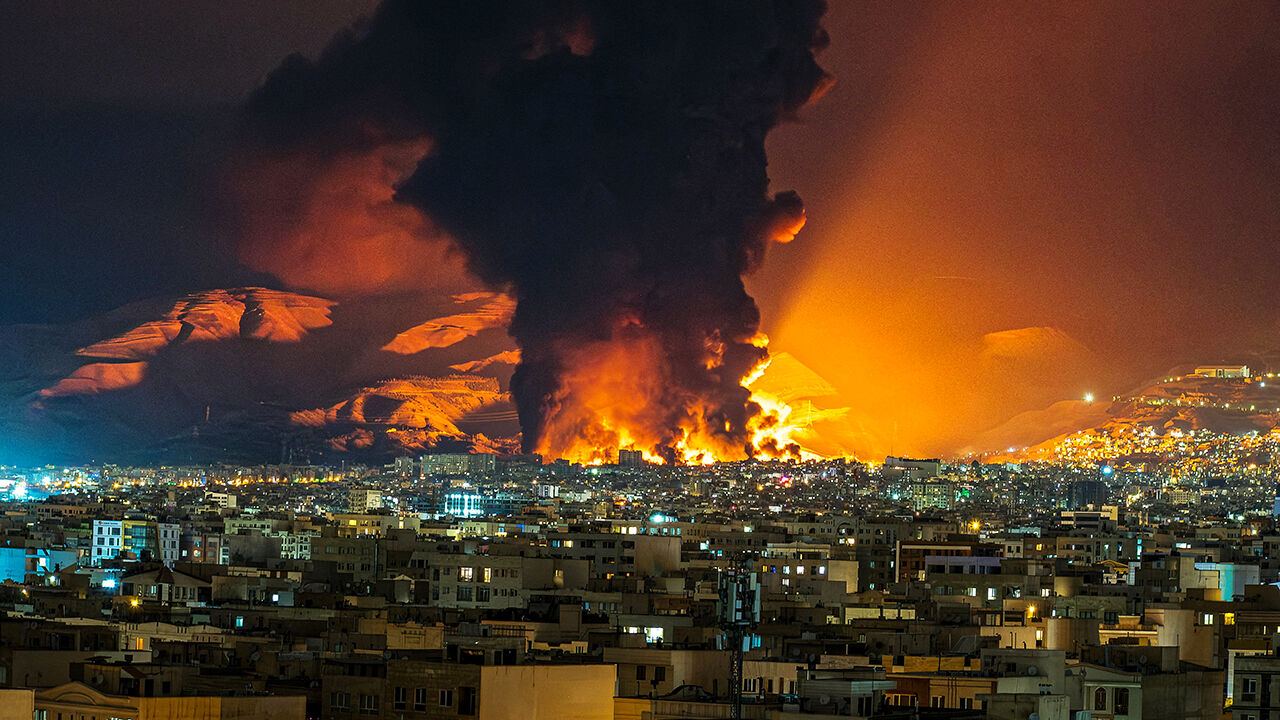
The war on Iran has already caused the biggest energy-supply
shock in history.
It is not just
about oil;
disruption to supplies of
natural gas
is even worse. Our
cover leader argues
that the conflict has permanently reshaped fossil-fuel markets. As a result, the world’s economy will be less prosperous, more volatile and harder to govern. Despite the
technological brilliance
of America’s and Israel’s air war,
Iran has shown
that it can deploy relatively cheap weapons to inflict serious pain on its neighbours and the wider world. My colleagues unpack all of this on
today’s episode of The Insider.
Energy mayhem could have
political consequences in America,
where people rely on cars and are acutely aware of prices that are posted on big bright signs outside every gas station. After the price-spike that upset Mr Julch so much in 2008, voters rejected the party in the White House and handed the Democrats a sweeping victory. That’s something for President Donald Trump to consider, as he ponders how long to keep his war of choice blazing. | 








 Listen