|
A young niece of mine did some genealogical research and found out how we are related to King Charles III. It’s not a big deal. Everyone is related to everyone if you go back far enough, and for a Briton to find a distant link to the Windsors is often easy because centuries of parish records of marriages and births have been digitised. Nonetheless, Donald Trump sounded chuffed when the Daily Mail revealed that he is the king’s 15th cousin, sharing a Scottish ancestor who died in 1526. “Wow, that’s nice. I’ve always wanted to live in Buckingham Palace!!!” he posted on Truth Social this week.
I mention this trifle because Mr Trump seems to be paying too much attention to trifles—a ballroom, a royal visit, an Instagram post of sea shells—and not enough to the serious task of saving the global economy from the consequences of his war on Iran. Markets decided this week that he was not, in fact, in command of the situation, and sent oil prices surging. Brent crude briefly passed $125 a barrel.
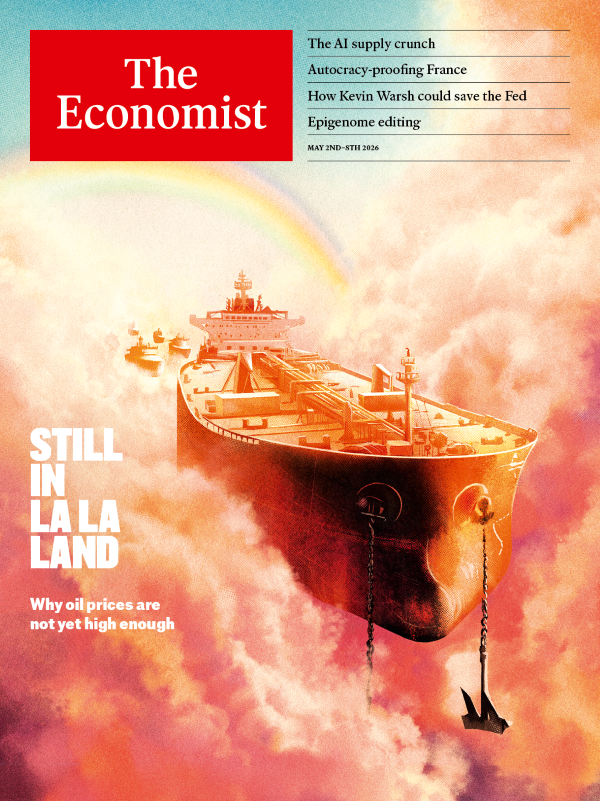
Our cover story in most of the world
argues that worse is to come.
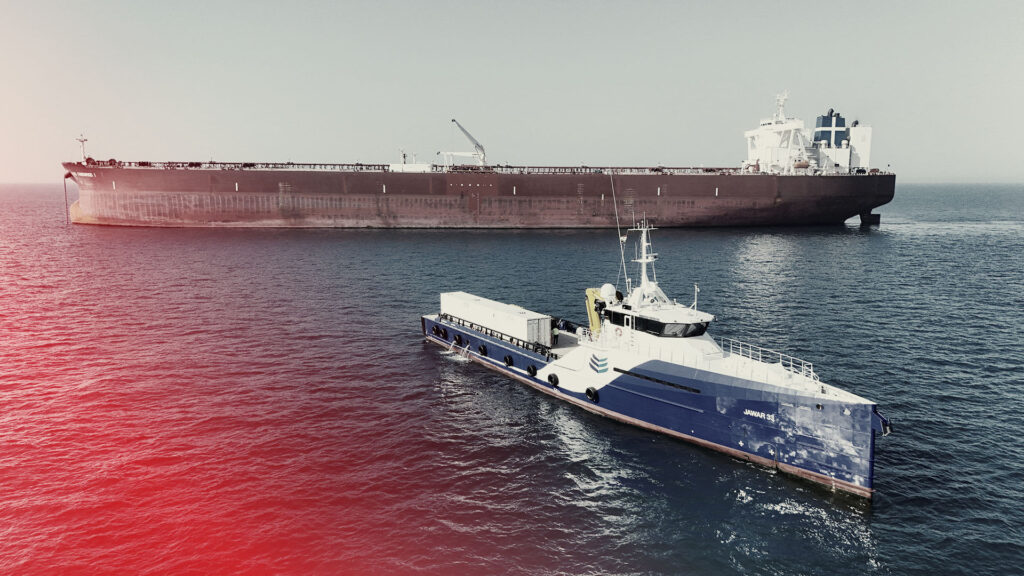
Iran’s closure of the Strait of Hormuz has caused the
biggest oil-supply shock in history.
Perhaps the strait will reopen soon. Certainly, it is in both sides’ interest to reach a deal. But each side seems to underestimate the other’s intransigence. And futures markets seem to underestimate the physical obstacles to restoring energy supplies. Oil tankers move slowly. Demining the strait could take months. Partially mothballed refineries won’t immediately return to full capacity. The
geopolitical consequences
of all this are unpredictable. The economic ones will not be pretty.
My colleagues dug into all of this for the latest edition of The Insider:
watch it now.
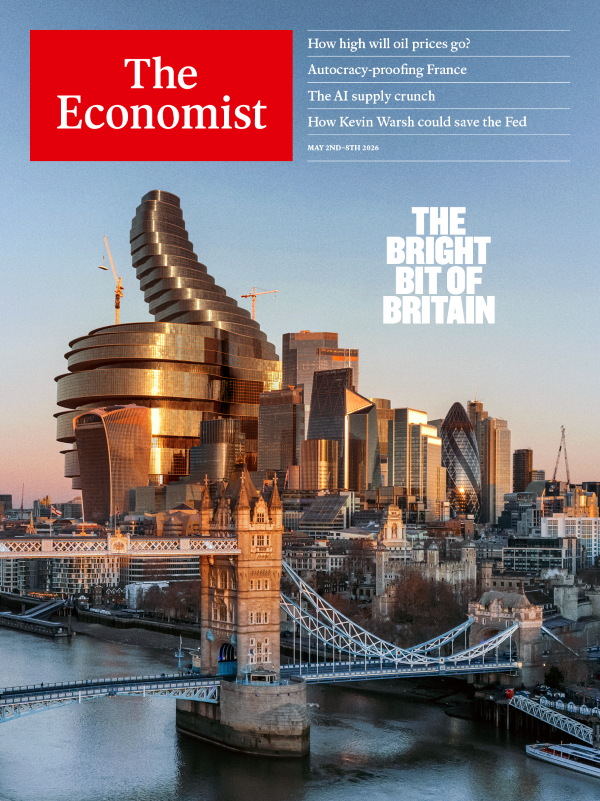
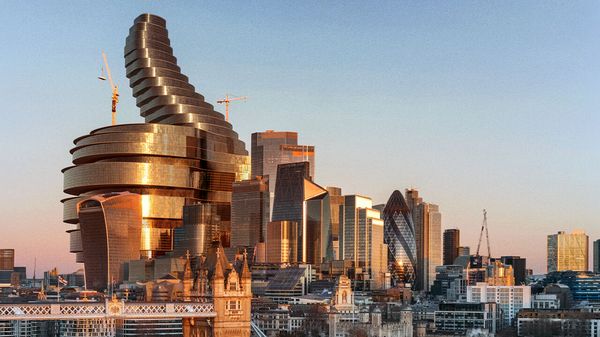
Our cover in Britain is more cheerful. Brexit may have been an act of self-sabotage, but predictions that it would scupper the City of London have proven wrong. There has been no large exodus of financial professionals to Europe, because where would they go? Outside America, London still shines as the
financial capital of the world.
Foreign banks hold more assets there than anywhere else. In seven of 12 areas of finance it ranks top, according to one think-tank’s league table. Its helpful time zone, deep pool of talent and relatively low wage costs have spurred American banks and asset managers to expand their operations there.
The Labour government, despite the instincts of its rank and file, has not tried to strangle the golden goose. But it (or its successor) could do much more to help. Investors are worried about over-exposure to America. Now is the time to
lure them to London
with lighter regulation and a more welcoming attitude to footloose financiers. | 










 Listen