|
Wonderful new technologies often incite speculative booms, followed by busts. Plenty of early investors in Britain’s railways lost their shirts. Yet consumers benefited: many of the tracks and bridges laid down in the 19th century are still in use today. (Though much less so this week, when London has been infuriatingly paralysed by a transport strike.)
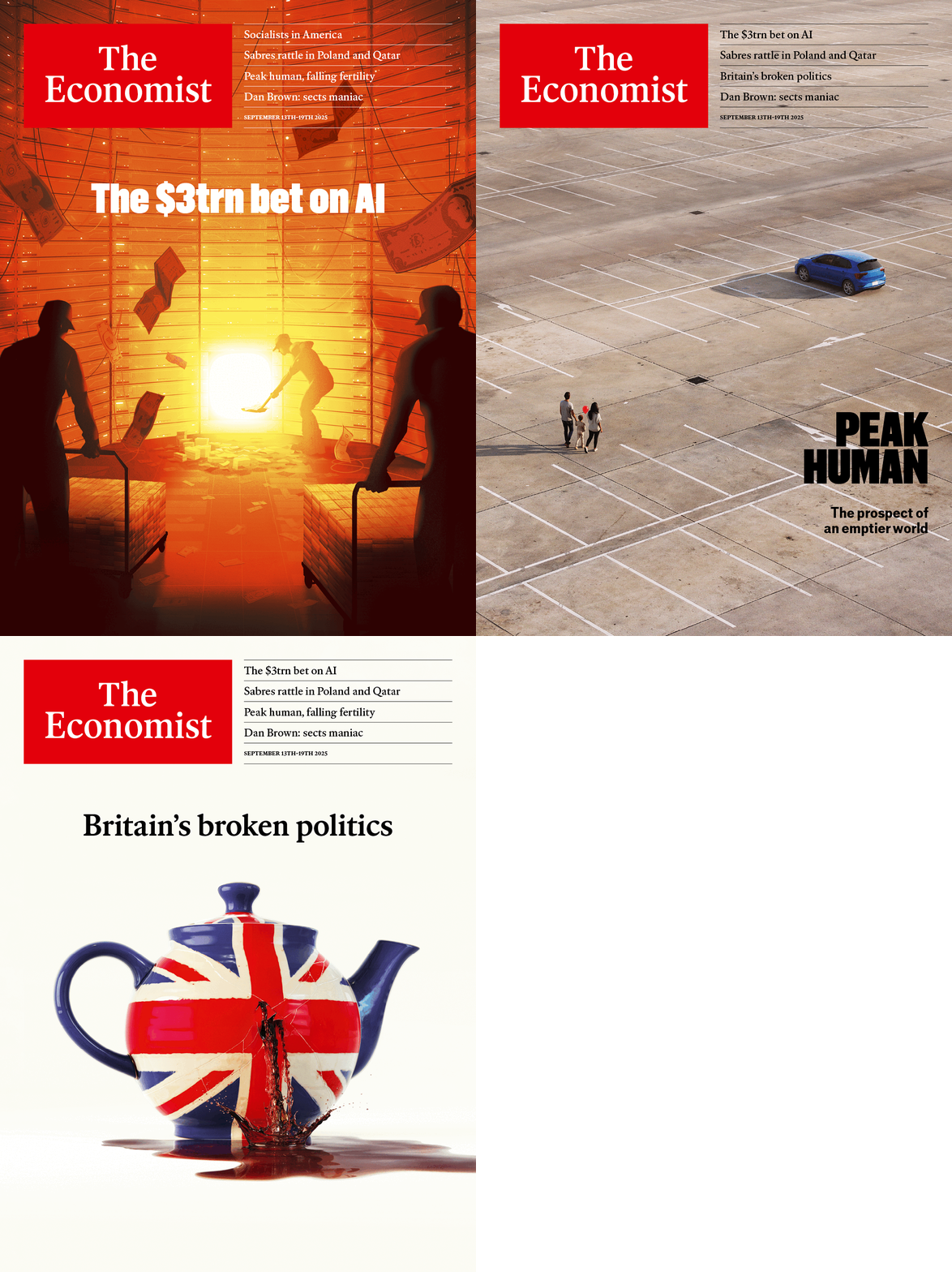
Our cover story in much of the world asks what the fallout might be if the artificial-intelligence investment boom
ends messily.
An estimated $3trn will have been spent on building data centres by the end of 2028. Even if AI fulfils its vast potential, some of that money will have been wasted. If the technology disappoints, the financial and economic consequences could be severe.
On our European cover, we ponder “peak human”. Global fertility is collapsing. Doomsayers such as Elon Musk predict that this could mean the end of civilisation.
We explain why he is wrong.
Humanity will indeed shrink sooner than many people think, but there will be enough time to adapt. Don’t panic.
Finally, in Britain, we look at the
crack-up of British politics.
The two traditional parties of government are under siege. Their combined support at the election last year was lower than it had been since 1910. Today it is lower still. Insurgents of the hard right are more popular than the Tories; insurgents of hard left are tugging Labour away from the centre. Pandering to the extremes to win back voters who have abandoned the old parties might make tactical sense. But it would be a strategic disaster. |