|
Outside a supermarket in Caracas a few years ago, I saw national guardsmen checking people’s identity before they were allowed in. The logic was that, courtesy of the revolutionary government, the state-owned shop sold essential groceries at below-market prices. So you needed men with truncheons and tear-gas to make sure shoppers only came in on their state-appointed shopping days.
Nicolás Maduro’s dictatorship was one of the most thuggish in the world. It was also one of the most economically incompetent. When I walked into that shop, half the shelves were bare and none of the groceries that were supposed to be on sale for less than they cost to make were, in fact, available. A combination of price controls, socialist dogma and industrial-scale corruption had dramatically impoverished a once-prosperous country. The economy shrank by 69% under Mr Maduro—a swifter decline than would normally occur during an all-out civil war. Small wonder Venezuelans in Miami danced in the streets when
Donald Trump kidnapped Mr Maduro
and whisked him to a courtroom in New York. But they were not dancing in Caracas, for fear of being arrested and tortured. For though the despot is gone, the rest of the regime is
still in place.
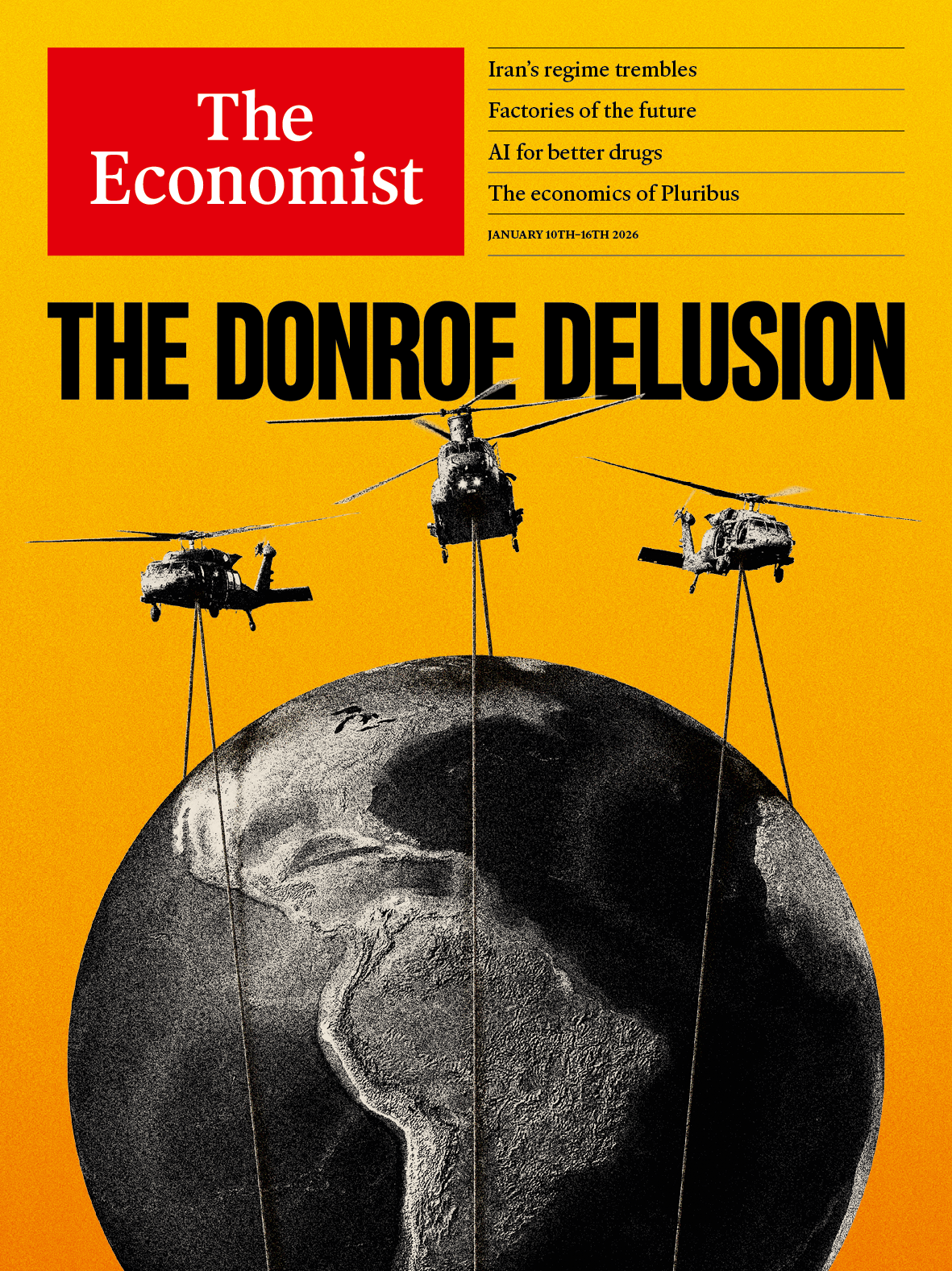
Our cover package this week
looks at the
broader meaning
of America’s raid on Venezuela. It is the most dramatic expression yet of the “Donroe doctrine”—Mr Trump’s belief that he can do whatever he likes in the western hemisphere, from
commandeering Venezuela’s oil
to
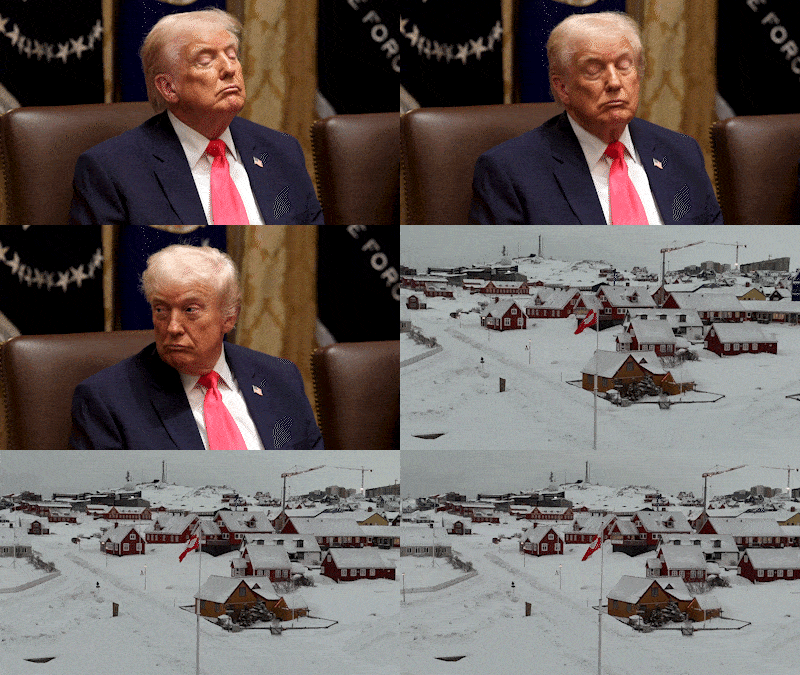
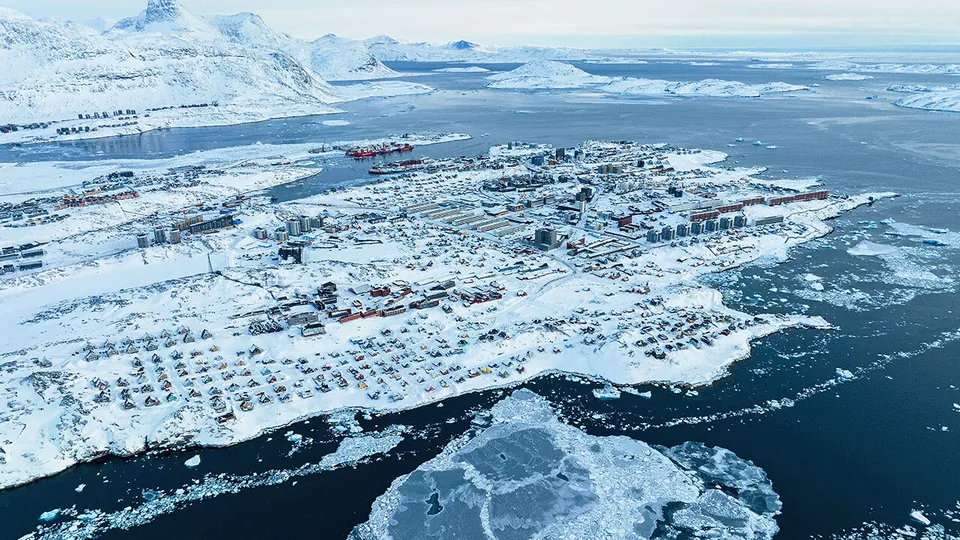
grabbing Greenland.
As we argue, this is a formula for making America weaker in the long run.
Zanny Minton Beddoes, our editor-in-chief, and Ed Carr, our deputy editor, travelled to Israel this week to interview Binyamin Netanyahu, Israel’s divisive prime minister, for The Economist Insider. You will be able to
watch the conversation from 6pm London time
(1pm in New York) on Friday. The horrors of Israel’s war in Gaza, which followed Hamas’s heinous attack in 2023, have gravely damaged the country’s international standing. Does Mr Netanyahu have regrets? What are his plans for the future? Israel heads to the polls this year, and Mr Netanyahu intends to stand again.
Our editors will be unpacking that conversation—and one that they had with Naftali Bennett, one of Mr Netanyahu’s main political opponents—in an Insider panel show that will air immediately after the interview. We hope that you will tune in and watch both. See you then. | 








 Listen