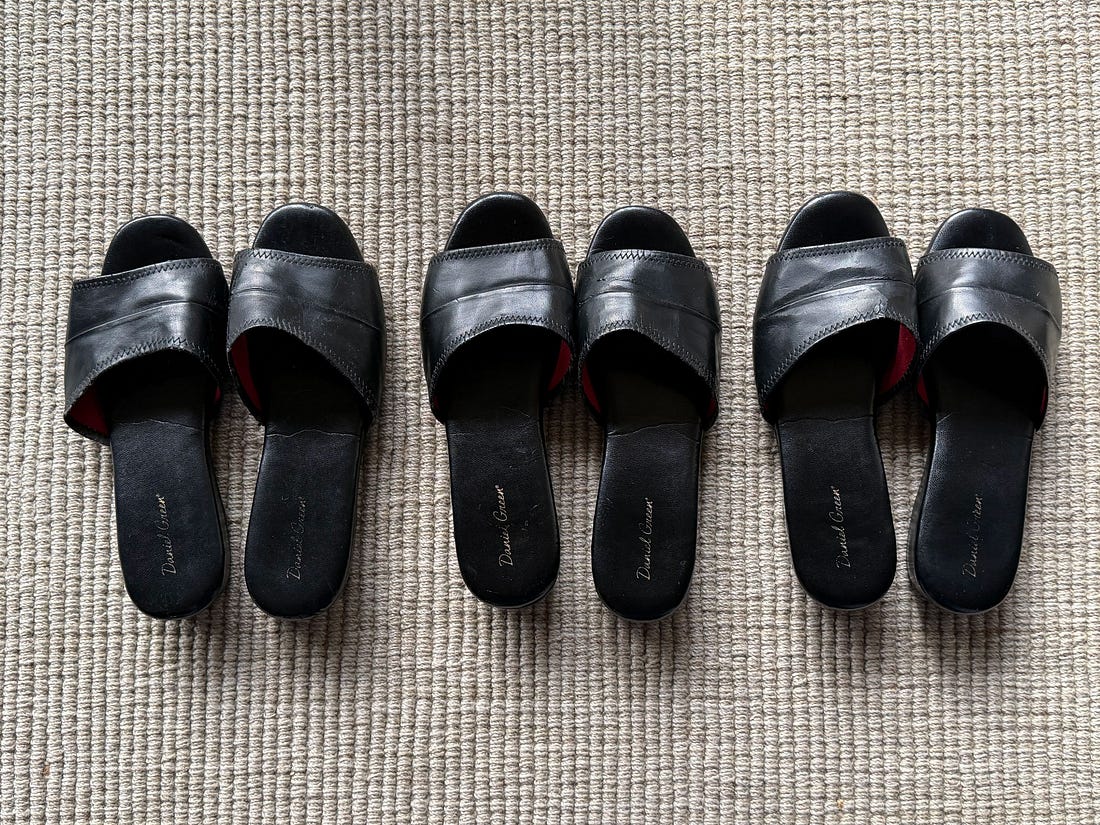
Daniel Green slippers at Lauren’s uncle’s house. Photo: Curtis Ro
Welcome back! With the benefit of rest, we’ve got our fashion resolutions for 2026: Lauren is only buying secondhand, Winnie is getting more wear out of the clothes she already has, and Erin is going to finally figure out how to take care of their nice sweaters. —Simone Kitchens, Winnie Yang, Lauren Ro, Erin Schwartz, and Michael Zhao
* Beklina is giving Secret Strategist readers an exclusive 40 percent off its already discounted sale section (with many new items just added) using the code secretstrat40. The code is good through January 17.
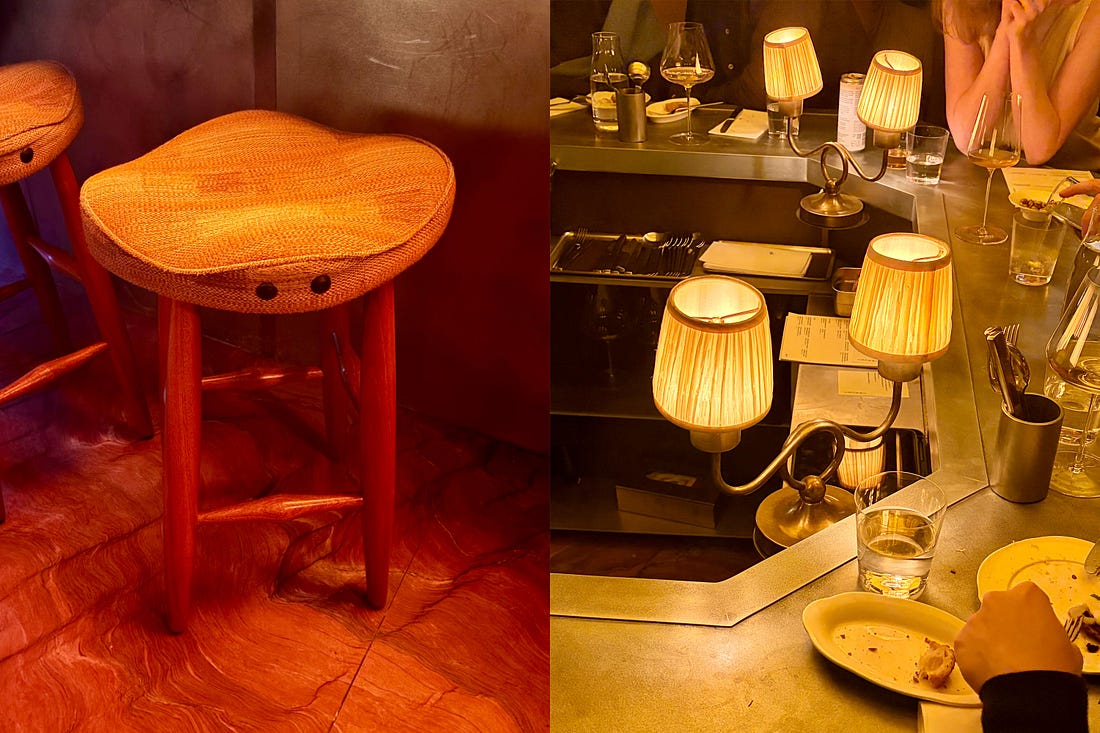
Studio Valle de Valle mahogany saddle stools and Josef Frank brass lamps at Stars. Photo: Michael Zhao
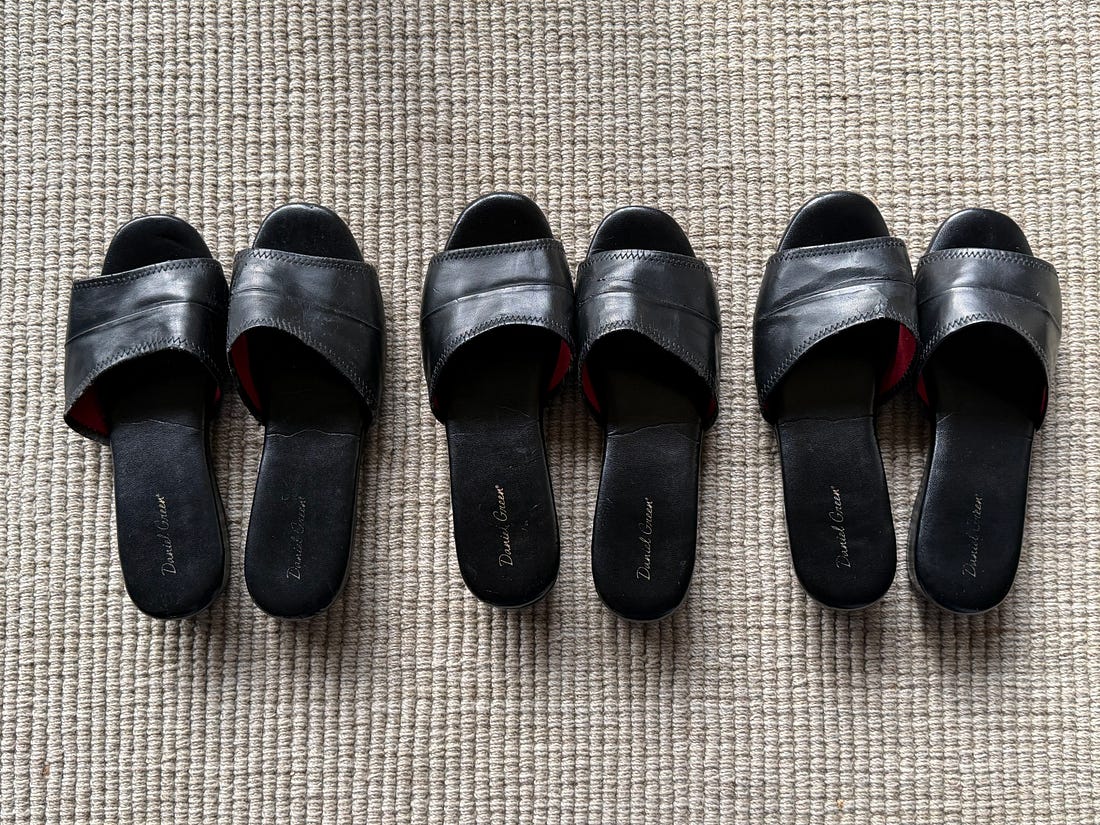
* We’re all really into the stylish house slippers Lauren’s uncle and aunt put out for guests. They’re Daniel Green leatherette mule slides with a slight wedge, and Lauren says they’re very comfortable. The New York–based brand was founded in 1882 but appears to have been shuttered. You can still find a bunch of charming vintage Daniel Greenslippers on Etsy and eBay. The ones at her uncle’s house are the Dormie, which is similar to this blue pair and this pink pair.
Daniel Green slippers at Lauren’s uncle’s house in Pasadena. Photo: Curtis Ro
* Our pal Alex Crowder, founder of Field Studies Flora, made a ten-pack of postcards featuring the winter flower hellebore. Perfect for all those holiday thank-yous we need to get out.
Field Studies Flora postcards. Photos: Simone Kitchens
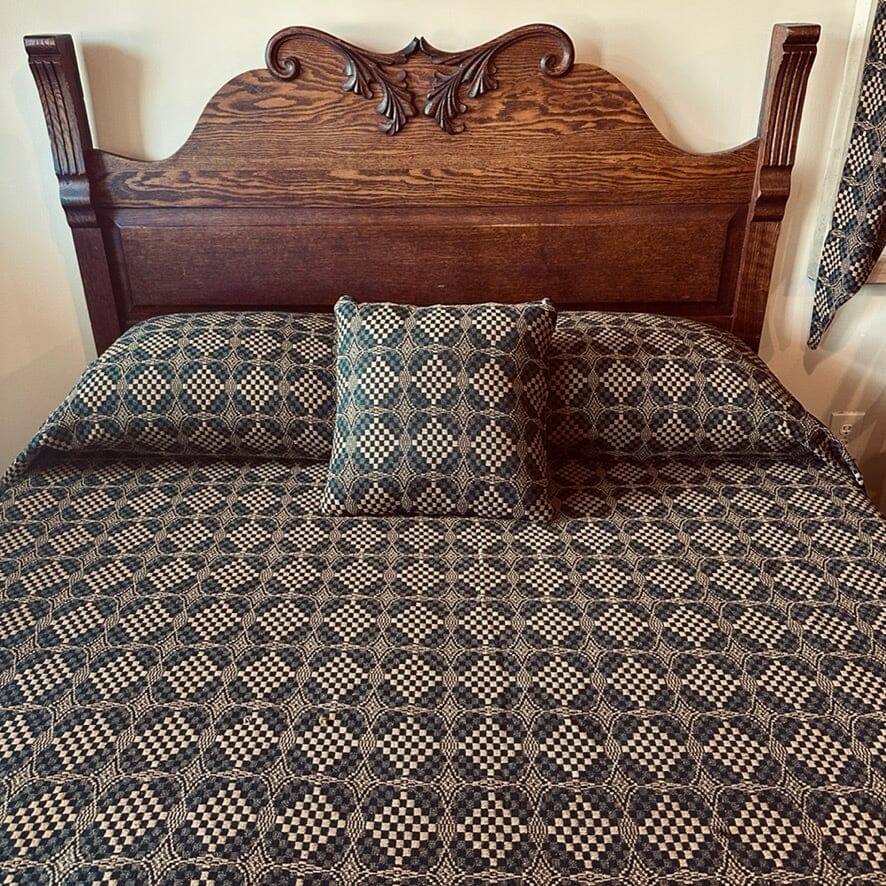
Primitive Star Quilt Shop woven coverlet. Photo: the vendor
Michael recently met English interior designer Max Rollitt at a party in Soho and caught up with him the next afternoon on the Upper East Side, where he showed up in a Donegal sweater from Toast and Crockett & Jones shoes (“I like shoes that develop with age”). Rollitt, whose work has been in World of Interiors and House & Garden, told us about sourcing period-correct light fixtures, collecting Delftware porcelain, and how to know if it’s worth hauling that vintage dresser off the curb.
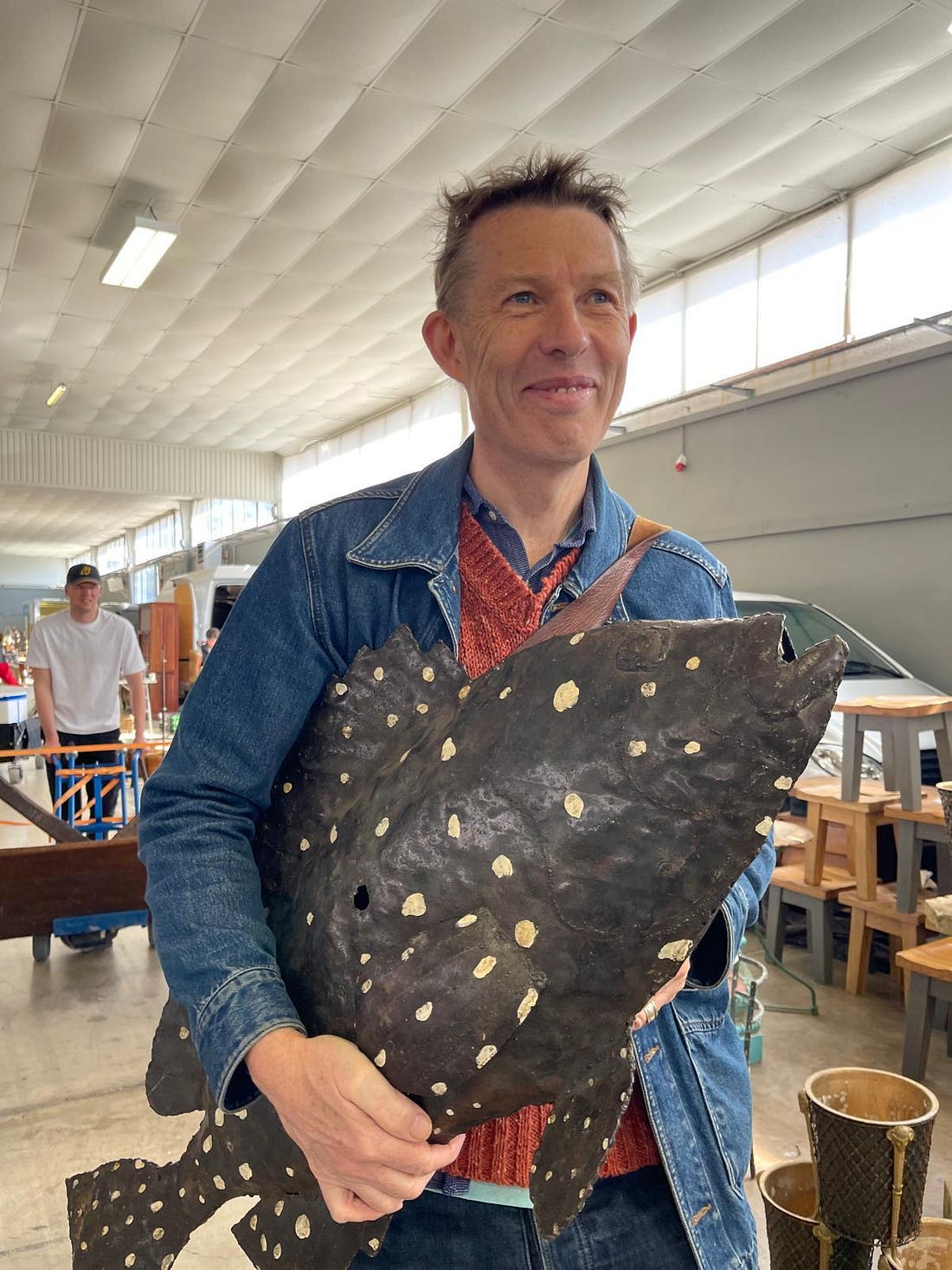
Max Rollitt at the Montpellier antiques fair. Photo: Courtesy of Max Rollitt
“When working on an interior, you have to understand all the layers that led up to the project at hand. Looking at oil paintings is fantastic inspiration for understanding this concept — a good artist will tell you everything you need to know. They create these harmonious layers of color and texture, light and dark. But among all the patina, it’s essential to have some brightness. A glint of a luminescent blue eye or a gleaming touch of gold that gives you a start. I’m constantly documenting things that catch my eye — my phone camera roll is full of patterns and ornament. I also like referring to Charles Saumarez Smith’s book on 18th-century interior décor, which has some exquisite color palettes.”
* “As far as buying antiques, estate sales are the best source, no matter where you are. I also do a lot of buying at antiques fairs. In England, I attend the quarterly Battersea Decorative Fair. Then I go to three fairs in the south of France that run consecutively — in Béziers, Avignon, and Montpellier. I also go to one in Parma, Italy. Otherwise, I’m buying at auctions all the time, both online, on sites like Live Auctioneers, and locally. I’ve been attending Woolley & Wallis’ viewings in Salisbury since I was 7 years old.”
* “When considering old furniture, one has to be able to discern the difference between wear or damage that’s terminal and that which is repairable at a reasonable cost. For instance, a dresser may look fine on the outside, but do the drawers still go in and out? Fixing it the right way may end up costing more than the piece is worth, and I’ve seen countless pieces ruined by improper restoration. They’ve been stripped and poorly repolished, with details changed around — mismatched knobs, handles, legs, all that sort of stuff. These telltale signs are often associated with other corners being cut, which could irreparably ruin a piece, such as the use of expanding adhesive.”
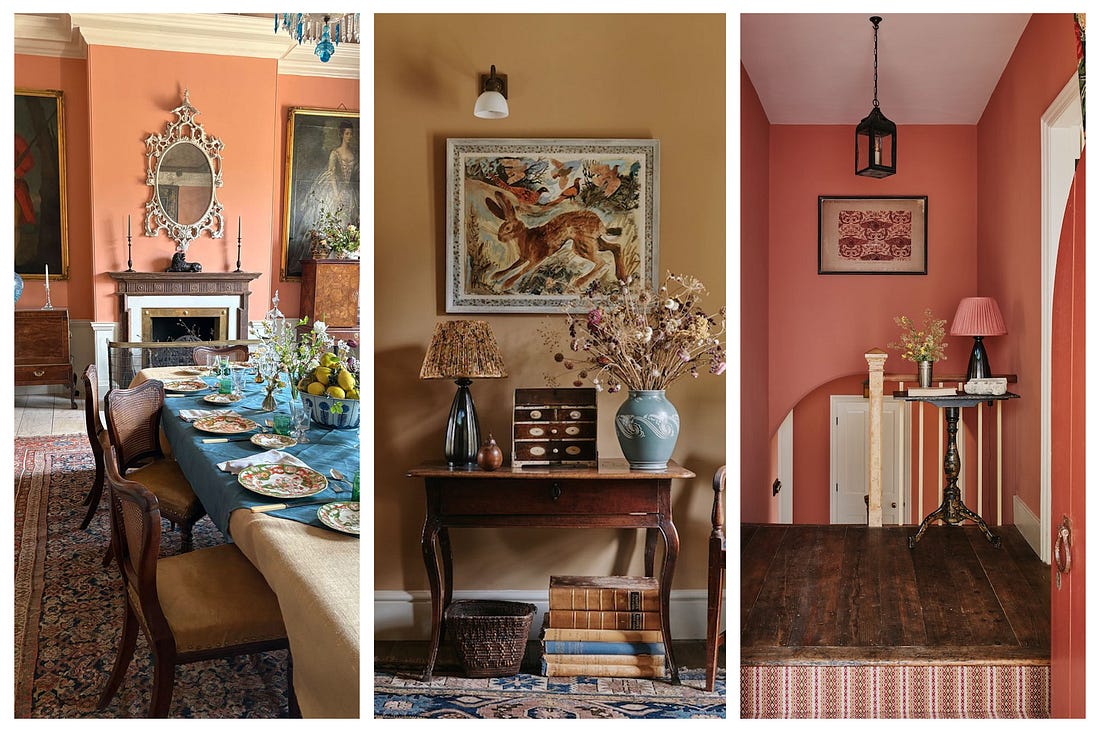
* “For newer pieces, there’s a company called Jamb that makes beautiful period-correct light fixtures and fireplaces. As much as I love old fabrics, they’re usually too fragile to use, so I rely on a company called Claremont, which is also in the U.S. They have beautiful staples, including silks and prints, which they source from all around the world. I appreciate that they use a consistent color palette inspired by Renaissance art, which makes it easy to integrate with period furniture. And then Edward Bulmer makes beautiful paints, which now ship to the U.S.”
Edward Bulmer paints from left to right: Header, Cinnamon, Brick. Photos: Christopher Horwood, Max Rollitt
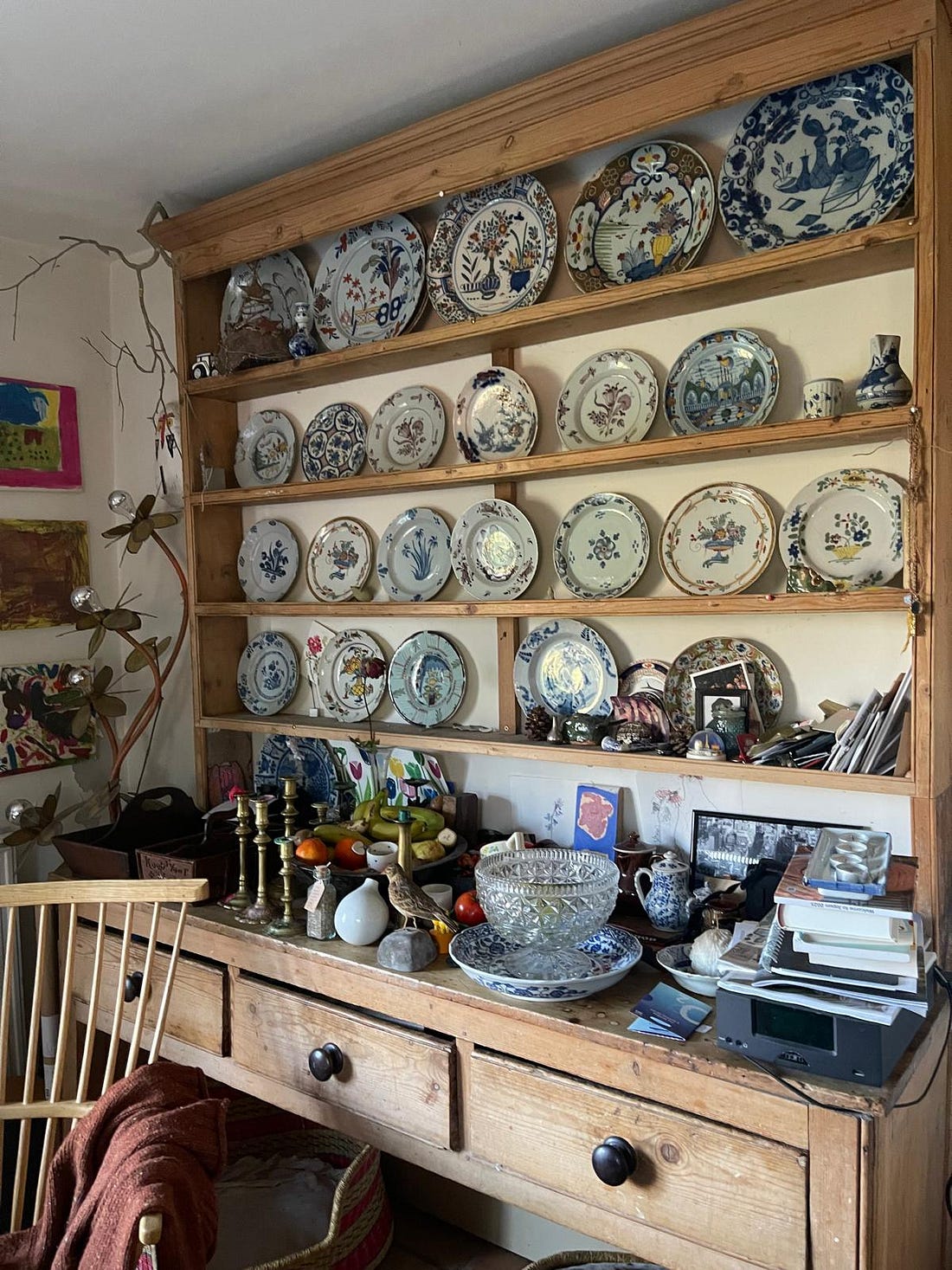
* “Something I always buy whenever I come across it is Delftware porcelain, from the Netherlands. Other porcelain-manufacturing countries pride themselves on everything being the same, whereas with Delftware, every plate is different. You really sense the hand of who made it.”
Max’s Delftware collection. Photo: Max Rollitt
Thanks for reading! Subscribe for free to receive new posts and support our work.